
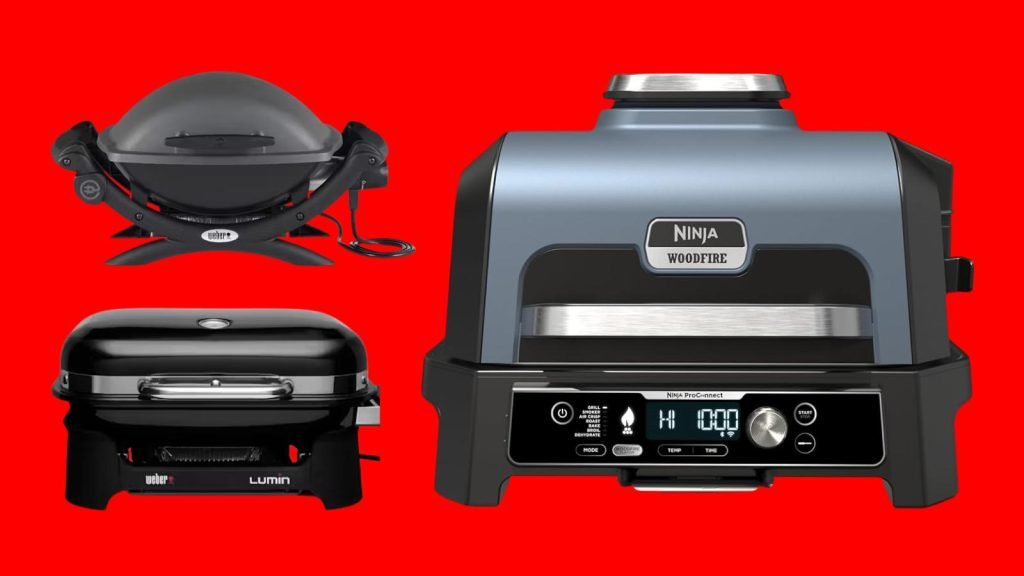
Are you curious about how much electricity your electric grill really uses? Whether you’re grilling indoors or outdoors, understanding your grill’s energy consumption can help you save on your electricity bill and make smarter choices.
You’ll discover the simple facts about electric grill power use, learn how to calculate the cost, and get tips to grill efficiently without wasting energy. Keep reading—you might be surprised by what you find out!
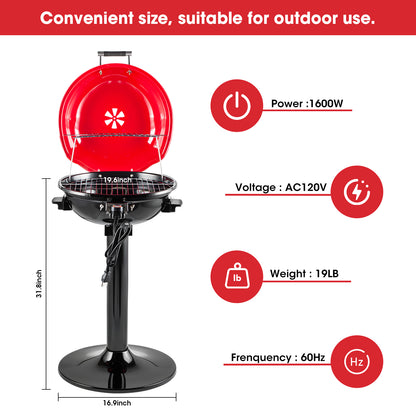
Credit: www.techwood.online
Electric Grill Basics
Electric grills use electricity to cook food. They are popular for indoor grilling.
Knowing how much electricity they use helps you save energy and money.
Types Of Electric Grills
There are different kinds of electric grills. Each type works well in certain places.
- Contact grills cook food from both sides at once.
- Open grills cook food on one hot surface.
- Portable grills are small and easy to carry.
- Indoor grills are designed for kitchen use.
How Electric Grills Work
Electric grills use heating elements to create heat. The elements get hot when power flows through them.
The heat cooks the food on the grill surface. Temperature controls help keep the right heat level.

Credit: www.goodhousekeeping.com
Power Ratings And Consumption
Electric grills use electricity to cook food by heating up internal elements. The power rating tells you how much electricity the grill uses while running. Knowing this helps estimate how much energy you will consume during grilling.
Energy consumption depends on the grill’s wattage and how long you use it. This guide explains typical wattage levels and factors affecting power use.
Typical Wattage Of Electric Grills
Electric grills usually have different power ratings. Most models range between 1200 and 1800 watts. Higher wattage means the grill heats up faster and cooks food quicker.
| Grill Type | Wattage Range | Use Case |
|---|---|---|
| Small portable grills | 800 – 1200 W | Light cooking, small meals |
| Standard home grills | 1200 – 1800 W | Everyday grilling |
| High-power grills | 1800 – 2200 W | Fast cooking, large portions |
Factors Affecting Energy Use
Many things change how much electricity an electric grill uses. These factors affect the total power consumption during cooking.
- Cooking time: Longer grilling uses more energy.
- Temperature setting: Higher heat consumes more watts.
- Grill size: Bigger grills need more power.
- Food type: Thick or dense foods require longer cooking.
- Preheating: Time spent warming up adds to consumption.
- Insulation: Well-insulated grills keep heat better and save power.
Calculating Electricity Usage
Knowing how much electricity an electric grill uses helps manage your energy costs. It also shows how efficient the grill is during cooking.
There are simple ways to calculate the electricity consumption of your grill. You can estimate usage with formulas or use tools for exact readings.
Estimating Kilowatt-hours
Electricity use is measured in kilowatt-hours (kWh). To estimate, you need to know the grill’s power rating and how long you use it.
Use this formula to calculate kWh:
- Find the grill’s wattage (usually on a label or manual).
- Convert watts to kilowatts by dividing by 1000.
- Multiply kilowatts by hours used to get kWh.
| Power (Watts) | Hours Used | Calculation | Energy Used (kWh) |
| 1500 | 2 | (1500 ÷ 1000) × 2 | 3 kWh |
| 1200 | 1.5 | (1200 ÷ 1000) × 1.5 | 1.8 kWh |
Using Energy Meters
Energy meters give exact readings of the electricity your grill uses. Plug the grill into the meter, then the meter into the outlet.
The meter shows real-time power use and total energy consumed over time. This method avoids guesswork.
- Turn on the grill and the meter together.
- Run the grill for your usual cooking time.
- Check the meter’s display for kWh used.
- Record the data for future reference.
Cost Of Running An Electric Grill
Electric grills use electricity to cook food. The cost depends on how long you use it and your electricity rate.
Knowing the cost helps you plan your budget for cooking at home.
Electricity Rates Impact
Electricity rates vary by location and provider. Higher rates mean higher costs to run your grill.
Most electric grills use between 1,200 and 1,500 watts per hour. Multiply this by your rate to find the cost.
- If your rate is $0.12 per kWh, running a 1,500-watt grill for 1 hour costs about $0.18.
- Lower rates like $0.08 per kWh reduce the cost to $0.12 per hour.
- Higher rates like $0.20 per kWh increase the cost to $0.30 per hour.
Average Cost Per Cooking Session
Cooking sessions usually last 20 to 30 minutes. This short time lowers the total cost.
For example, a 30-minute session on a 1,500-watt grill at $0.12 per kWh costs about $0.09.
| Grill Wattage | Cooking Time | Electricity Rate | Cost per Session |
|---|---|---|---|
| 1,200 W | 20 minutes | $0.12 per kWh | $0.048 |
| 1,500 W | 30 minutes | $0.12 per kWh | $0.09 |
| 1,500 W | 30 minutes | $0.20 per kWh | $0.15 |
Energy Efficiency Tips
Electric grills use electricity to cook food. Knowing how to save energy helps reduce bills.
Using less power is good for the environment and your wallet. Try simple ways to cook smart.
Choosing Energy-saving Models
Pick grills that use less electricity. Look for models with good energy ratings.
Smaller grills use less power. Choose the size that fits your cooking needs.
- Check for energy efficiency labels
- Choose grills with insulated lids
- Select models with adjustable heat settings
- Consider grills with non-stick surfaces
Optimal Cooking Practices
Use your grill wisely to save electricity. Cooking in batches saves power.
Preheat the grill only for a short time. Avoid opening the lid too often.
- Cook similar foods together
- Use the right temperature settings
- Cover food to speed cooking
- Turn off the grill just before finishing
Comparing Electric Grills With Other Cooking Methods
Electric grills offer a convenient way to cook food indoors or outdoors. Understanding their electricity use helps you compare them with other cooking options.
This guide looks at how electric grills compare with gas grills and ovens in terms of energy use and efficiency.
Electric Vs Gas Grills
Electric grills use electricity to heat the cooking surface. Gas grills burn propane or natural gas to create flame heat. Each method has different energy costs and cooking times.
| Feature | Electric Grill | Gas Grill |
| Energy Source | Electricity | Propane or Natural Gas |
| Average Power Use | 1200 to 1800 watts | Varies, but gas burns about 20,000 BTU/hour |
| Heat-Up Time | 5 to 10 minutes | 2 to 5 minutes |
| Operating Cost | Depends on electricity rates | Depends on gas prices |
| Environmental Impact | Depends on electricity source | Releases carbon emissions |
Electric grills tend to use less energy during cooking but take a bit longer to heat up. Gas grills heat quickly but may cost more based on fuel prices.
Electric Grill Vs Oven
Ovens use electricity or gas to cook food evenly over time. Electric grills heat food directly on a grill surface. Comparing their energy use helps choose the best tool for your needs.
- Electric grills typically use 1200 to 1800 watts per hour.
- Electric ovens often use 2000 to 5000 watts when heating.
- Ovens take longer to preheat and cook food fully.
- Electric grills cook faster but may have smaller cooking areas.
- Ovens offer more cooking flexibility but use more energy overall.
The best choice depends on your cooking style, meal size, and energy costs.
Environmental Impact
Electric grills use electricity to cook food. The amount of energy they use affects the environment. Understanding this impact helps us make better choices.
We look at how electric grills affect the planet and ways to reduce their footprint. This helps protect nature while enjoying grilled meals.
Carbon Footprint Considerations
Electric grills create carbon emissions based on the electricity source. If the power comes from fossil fuels, emissions are higher. Using clean energy lowers this impact.
Energy efficiency of the grill also matters. Grills that heat quickly and keep temperature steady use less power. This reduces carbon output.
- Electricity source affects carbon emissions
- Renewable energy lowers carbon footprint
- Energy-efficient grills use less power
- Shorter cooking times reduce emissions
Sustainable Cooking Choices
Choosing sustainable cooking methods helps the environment. Using an electric grill with clean energy is one way. Also, cooking smaller meals saves power.
Using reusable tools and cleaning the grill well keeps it working longer. This reduces waste and the need for new products.
- Use renewable energy sources
- Cook only the needed amount
- Maintain grill for longer use
- Use eco-friendly cleaning methods

Credit: www.amazon.ca
Frequently Asked Questions
How Much Power Does An Electric Grill Use?
An electric grill typically uses between 1,000 to 2,000 watts. The exact consumption depends on the grill’s size and model. To estimate electricity costs, multiply the wattage by usage hours. Then, divide by 1,000 to get kilowatt-hours (kWh). Multiply kWh by your local electricity rate for accurate cost.
Is An Electric Grill Energy-efficient?
Yes, electric grills are generally energy-efficient. They convert almost all their energy into heat. Unlike traditional grills, electric grills don’t lose heat to the surroundings. This efficiency can lead to lower electricity costs. Always check the grill’s energy rating for the most efficient model.
How Do Electric Grills Compare To Gas Grills In Consumption?
Electric grills usually consume less energy than gas grills. They are more efficient because they directly convert electricity to heat. Gas grills lose some energy in combustion. Electric grills are ideal for those looking for cost-effective and efficient cooking solutions.
Does Grill Size Affect Electricity Consumption?
Yes, larger electric grills typically consume more electricity. Bigger grills require more power to heat a larger surface area. Smaller grills use less energy but may not suit larger gatherings. Always consider your cooking needs when choosing grill size to balance consumption and convenience.
Conclusion
Electric grills use different amounts of electricity depending on their size and power. Smaller grills use less energy, while bigger ones need more. Using the grill wisely can save electricity and lower your bill. Remember to turn it off when not in use.
Understanding your grill’s electricity use helps you cook smart and save money. Simple steps make a big difference in energy use. Choose the right grill and enjoy tasty meals without wasting power.