
Are you wondering how long your portable grill will last? Knowing the lifespan of your grill can save you money and frustration.
Whether you love weekend cookouts or spontaneous camping trips, your grill is an important part of your outdoor fun. But how do you tell when it’s time to replace it? You’ll discover key factors that affect your grill’s lifespan and simple tips to make it last longer.
Keep reading to get the most out of your portable grill and enjoy delicious meals for years to come.

Credit: binchogrill.com
Factors Affecting Grill Lifespan
The lifespan of a portable grill depends on many factors. These factors affect how long the grill stays in good condition.
Knowing what affects grill lifespan helps you take better care of your grill. It also helps you choose the right grill to buy.
Material Quality
Grills made from strong and rust-resistant materials last longer. Stainless steel and cast iron are common durable materials.
Cheap materials can wear out fast and break easily. The grill’s coating and parts also affect its lifespan.
- Stainless steel resists rust and heat damage
- Cast iron holds heat well but needs care
- Aluminum is lightweight but less durable
- Cheap metals may corrode and crack quickly
Usage Frequency
How often you use your grill affects how fast it wears out. Frequent use causes more wear and tear on parts.
Using the grill only a few times a year can keep it lasting longer. Heavy use means more cleaning and maintenance is needed.
- Daily or weekly use increases wear on burners and grates
- Occasional use reduces stress on grill parts
- Frequent use needs regular checks for damage
Maintenance Practices
Regular cleaning and care help a grill last longer. Removing grease and food debris stops rust and damage.
Checking and replacing worn parts prevents bigger problems. Proper maintenance keeps the grill safe and working well.
- Clean grill grates after each use
- Empty grease trays to avoid fires and rust
- Inspect burners and hoses regularly
- Cover the grill to protect it from dirt
Storage Conditions
Where and how you store your grill changes its lifespan. Grills kept outside in rain or snow may rust faster.
Storing the grill in a dry, sheltered place helps it stay in good shape. Using a cover adds extra protection.
- Store in a garage or shed to avoid weather damage
- Use a weatherproof cover when stored outdoors
- Avoid damp or humid places to prevent rust
- Keep grill parts dry and clean before storage
Common Types Of Portable Grills
Portable grills come in different types to fit many needs. They vary in size, fuel type, and how long they last.
Knowing the common types helps you choose the best grill for your outdoor cooking.
Gas Grills
Gas grills use propane or natural gas to cook food. They heat up fast and are easy to control.
Most gas grills last about 5 to 10 years with proper care. Regular cleaning extends their life.
Charcoal Grills
Charcoal grills use charcoal briquettes or lump charcoal as fuel. They give food a smoky flavor.
The lifespan of charcoal grills can be 7 to 15 years. Rust can shorten their life if not stored well.
Electric Grills
Electric grills plug into a power source and heat with electricity. They work well indoors or outdoors.
Electric grills usually last 3 to 7 years. Their heating elements may wear out over time.
Pellet Grills
Pellet grills use wood pellets for fuel. They offer a mix of grilling and smoking flavors.
Pellet grills have a lifespan of about 5 to 10 years. Regular maintenance keeps them working well.
Average Lifespan By Grill Type
Portable grills come in different types, and each has a different lifespan. Knowing how long each grill lasts helps you choose the right one for your needs.
The lifespan depends on the grill type, materials, and how you care for it. Let’s look at the average durability of popular portable grill types.
Gas Grill Durability
Gas grills usually last between 5 to 15 years. Stainless steel parts help them last longer. The burners and ignition system need regular care to avoid problems.
Proper cleaning and covering the grill when not in use can extend its life. Gas grills heat up quickly but need more maintenance than charcoal grills.
- Average lifespan: 5-15 years
- Stainless steel parts increase durability
- Regular cleaning prevents rust and damage
- Ignition systems may need replacement
Charcoal Grill Longevity
Charcoal grills can last 10 to 20 years or more. They have fewer parts that break down. The main issues are rust and ash buildup.
Using a grill cover and cleaning ashes after use helps keep the grill in good shape. Cast iron and steel grills last longer than aluminum ones.
- Average lifespan: 10-20 years
- Simple design means fewer repairs
- Rust is the main problem
- Cast iron parts last longer
Electric Grill Lifespan
Electric grills last about 3 to 8 years. They have electrical parts that can wear out or fail. Heating elements may need replacement over time.
Electric grills are easy to clean but should be kept dry. Using them indoors or in covered areas helps prevent damage from weather.
- Average lifespan: 3-8 years
- Heating elements may need replacement
- Keep dry to avoid electrical damage
- Easy to clean and maintain
Pellet Grill Lifespan
Pellet grills last about 8 to 15 years. They use electronic controls and motors that require care. The hopper and auger need regular cleaning.
Keeping the grill covered and dry extends its life. Pellet grills offer good temperature control but need more maintenance than charcoal grills.
- Average lifespan: 8-15 years
- Electronic parts require care
- Regular cleaning of hopper and auger
- Keep covered and dry to last longer

Credit: www.siuhaau.com
Signs Your Portable Grill Needs Replacement
Portable grills can last for many years, but they do not last forever. Knowing when to replace your grill helps keep cooking safe and easy.
Look for clear signs that show your grill may be past its best. These signs fall into three main groups: performance decline, visible wear and tear, and safety concerns.
Performance Decline
A drop in how well your grill cooks food is a key sign it may need replacing. If the heat is uneven or the grill takes much longer to cook, it could be worn out.
- Burners no longer light quickly or stay lit
- Hot spots or cold spots on the cooking surface
- Grill takes longer than usual to reach cooking temperature
- Fuel consumption increases without better results
Visible Wear And Tear
Check your grill for physical damage. Rust, cracks, and broken parts show that the grill is aging and might fail soon.
| Type of Damage | What to Look For |
| Rust | Large patches on the grill body or grates |
| Cracks | Fractures in the grill housing or legs |
| Broken Parts | Missing knobs, handles, or damaged burners |
| Warping | Uneven or bent cooking surfaces |
Safety Concerns
Safety is the most important reason to replace your grill. If you notice any of these issues, stop using the grill and consider a new one.
- Gas leaks or smell of gas near the grill
- Burners that spark or flare up dangerously
- Unstable legs or frame that can tip over
- Electrical problems with electric ignition systems
Tips To Extend Your Grill’s Life
Portable grills are great for outdoor cooking. Taking care of them helps them last longer.
Small actions can keep your grill working well for many years.
Regular Cleaning
Clean your grill after each use. Remove food bits and grease to stop rust.
Use a brush or cloth to wipe down all parts. Clean the grates and inside surfaces.
- Scrape off leftover food while grill is warm
- Wash grates with soapy water regularly
- Dry all parts fully to avoid moisture damage
Proper Storage
Store your grill in a dry place. Avoid leaving it outside in bad weather.
Use a grill cover to protect it from dust and rain when not in use.
- Keep grill away from rain and snow
- Use a sturdy cover that fits well
- Store in a garage or shed if possible
Routine Inspections
Check your grill often for signs of damage or wear. Look at hoses and burners.
Find small problems early to avoid bigger repairs later on.
- Look for cracks or rust on metal parts
- Check hoses for leaks or cracks
- Test burners to ensure even heat
Timely Repairs
Fix any issues as soon as you notice them. Replace broken parts quickly.
Using damaged parts can cause bigger damage or unsafe use.
- Replace worn-out grates or burners
- Tighten loose screws and bolts
- Fix gas leaks immediately
Credit: www.walmart.com
Choosing Durable Portable Grills
Picking a strong portable grill helps you enjoy many cookouts. Durability means your grill lasts through trips and weather.
Look for grills made from tough materials. Good design also keeps them working well for years.
Top Brands
Some brands make grills known for long life and strong build. These brands use quality parts and test their grills well.
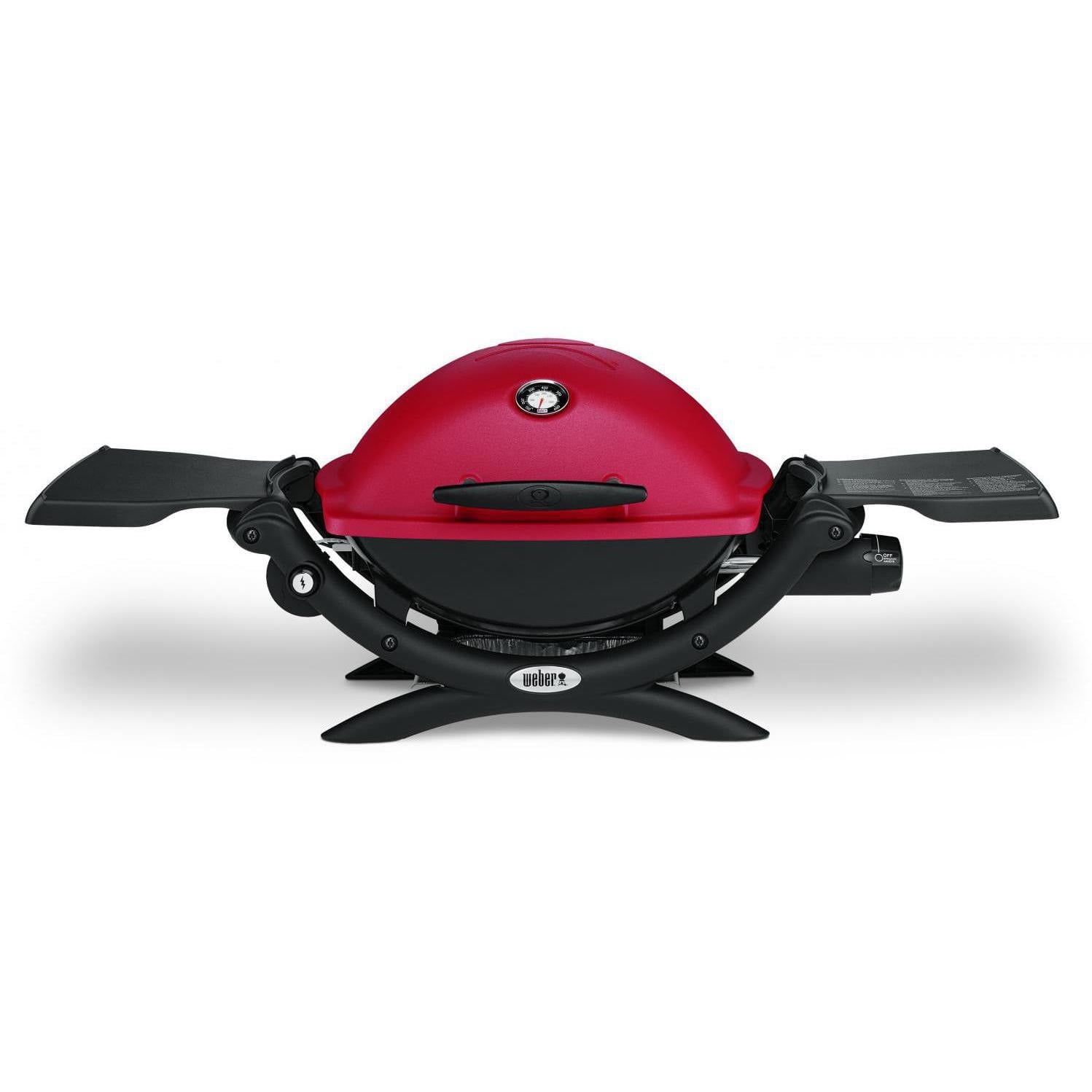
- Weber: Known for sturdy steel and easy cleaning
- Coleman: Offers portable grills with strong cases
- Cuisinart: Combines style with durable materials
- Blackstone: Popular for heavy-duty flat top grills
- Char-Broil: Uses rust-resistant coatings
Key Features To Look For
Durable grills have features that keep them strong and easy to use. Check these points before buying.
| Feature | Why It Matters |
| Material | Stainless steel or cast iron resists rust and damage |
| Portability | Lightweight design helps you carry it easily |
| Weather Resistance | Protects grill from rain and sun damage |
| Easy to Clean | Less wear from buildup and stains |
| Strong Legs and Handles | Prevents breaking during transport or use |
Customer Reviews
People who use grills share thoughts on how long their grills last. This feedback helps pick a durable model.
- Many users say stainless steel grills last over five years.
- Some warn about plastic parts breaking after heavy use.
- Users like grills that clean easily and keep working well.
- Strong handles and legs get high marks for toughness.
- Grills with weather covers get better reviews for durability.
Frequently Asked Questions
How Long Do Portable Grills Last?
Portable grills typically last between 3 to 10 years. The lifespan depends on factors like usage frequency, maintenance, and quality. Regular cleaning and proper storage can extend their life. Investing in a high-quality grill can ensure durability and better performance over the years.
What Affects The Lifespan Of Portable Grills?
Several factors affect a portable grill’s lifespan, including material quality, frequency of use, and maintenance. Stainless steel grills often last longer than those made from cheaper materials. Regular cleaning and protection from harsh weather also help prolong their usability.
How Can I Extend My Portable Grill’s Life?
To extend your grill’s life, clean it after each use and store it properly. Cover it to protect from weather elements. Regularly check for rust and replace worn-out parts. Proper maintenance ensures optimal performance and extends the grill’s lifespan significantly.
Are Gas Grills More Durable Than Charcoal Ones?
Gas grills are generally more durable due to fewer moving parts and less exposure to harsh elements. Charcoal grills may require more maintenance to prevent rust and damage. However, both types can last long with proper care and regular maintenance.
Conclusion
A portable grill can last several years with good care. Clean it after each use to avoid rust and damage. Store it in a dry place to keep parts safe. Quality grills often have longer lifespans than cheaper models. Regular maintenance helps you enjoy grilling without problems.
Think of your grill as an investment for many meals. Treat it well, and it will serve you reliably. Small steps make a big difference in how long it lasts.