
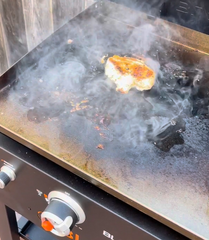
Have you ever fired up your charcoal grill, only to be overwhelmed by thick, billowing smoke? It’s frustrating when you’re ready to enjoy a delicious cookout, but the smoke seems to steal the show.
You might wonder why your grill smokes so much and if it’s a sign you’re doing something wrong. Understanding what causes that heavy smoke can help you take control, cook better, and enjoy your grilling experience more. Keep reading, and you’ll discover the simple reasons behind the smoke—and how to fix it fast.
Common Causes Of Excessive Smoke
Charcoal grills sometimes produce too much smoke. This can make cooking hard and unpleasant. Knowing the causes helps you fix the problem.
Many factors affect smoke levels. Some come from the charcoal itself, while others relate to how you use your grill.
Using Damp Or Green Charcoal
Charcoal that is damp or not fully dried creates more smoke. Green charcoal means it is not fully burned or cured. These types release water and chemicals when heated.
- Damp charcoal holds moisture, which turns into steam and smoke.
- Green charcoal burns unevenly and produces extra smoke.
- Both types cause unpleasant odors during cooking.
Too Much Oxygen Flow
Oxygen helps charcoal burn. But too much oxygen makes the fire burn too fast. This can cause thick smoke and flare-ups.
| Oxygen Level | Effect on Smoke |
|---|---|
| Low | Slow burn, less smoke |
| Moderate | Good burn, minimal smoke |
| High | Fast burn, excessive smoke |
Cooking With Fatty Foods
Fatty foods drip grease onto charcoal. This causes flare-ups and thick smoke. Grease burns quickly and creates a smoky taste.
- Fat drips ignite flames.
- Flames create more smoke.
- Smoke can affect food flavor.
- Use drip pans to reduce smoke.
Improper Grill Setup
How you arrange your grill affects smoke levels. Poor setup traps smoke or causes uneven burning.
- Poor air vents limit airflow, causing smoke build-up.
- Charcoal piled too tightly burns unevenly.
- Dirty grills with leftover grease cause extra smoke.

Credit: www.aol.com
Effects Of Excessive Smoke
Charcoal grills often produce a lot of smoke. This smoke can affect your cooking and the environment. Understanding these effects helps you manage your grill better.
Excessive smoke comes from burning charcoal and dripping fats. It changes food taste and can cause health and environmental issues.
Impact On Food Flavor
Too much smoke can make food taste bitter or burnt. Some smoke adds flavor, but too much ruins the food.
- Harsh smoke can mask natural food flavors.
- Food may get a bitter or ashy taste.
- Excessive smoke can dry out meat.
- Smoke particles stick to food surface, changing texture.
Health Concerns
Breathing in heavy smoke is harmful. It has chemicals that may cause breathing problems and other health risks.
| Health Risk | Cause | Effect |
|---|---|---|
| Respiratory Issues | Inhalation of smoke particles | Coughing, wheezing, shortness of breath |
| Carcinogens | Burning charcoal and fats | Increased cancer risk over time |
| Skin Irritation | Direct contact with smoke | Rashes or itching |
Environmental Considerations
Charcoal smoke adds pollution to the air. It releases carbon dioxide and other gases that harm the environment.
- Smoke contributes to air pollution and smog.
- Charcoal production can lead to deforestation.
- Burning charcoal releases greenhouse gases.
- Excess smoke affects nearby plants and animals.
Tips To Reduce Smoke
Charcoal grills often produce a lot of smoke. This can be from the type of charcoal or how you cook. Reducing smoke makes grilling more enjoyable and safer.
Try these tips to lower the amount of smoke your charcoal grill produces. They help control the fire and improve cooking results.
Choose The Right Charcoal
Not all charcoal is the same. Some types make more smoke than others. Lump charcoal burns cleaner and produces less smoke than briquettes.
Avoid charcoal with additives or fillers. These can cause extra smoke and bad flavors.
- Lump charcoal: burns hot and clean
- Briquettes: may contain binders and fillers
- Natural hardwood charcoal: good for less smoke
Control Air Vents
Air vents help control the fire’s oxygen. Open vents give more air, making hotter flames and more smoke. Closing vents lowers oxygen and smoke.
Adjust vents to keep the fire steady but not too hot. This reduces smoke and keeps your food cooking well.
- Open vents: more oxygen, hotter fire, more smoke
- Half-open vents: moderate heat, less smoke
- Closed vents: less oxygen, fire dies down, less smoke
Manage Cooking Temperature
High heat causes fats and juices to drip and create smoke. Cooking at a lower temperature helps reduce this. Use indirect heat to avoid flare-ups and smoke.
Keep the grill lid closed as much as possible. This controls temperature and smoke inside the grill.
- Cook at medium heat to limit smoke
- Use indirect heat for fatty foods
- Keep lid closed to control temperature
Use A Water Pan
Placing a water pan in your grill helps keep the heat steady. It also catches drippings that cause smoke and flare-ups.
The water pan adds moisture to the grill, making food juicy and reducing smoke from burning drips.
- Fill a pan with water and place it under the grill grate
- Catch fat drippings to stop smoke
- Keep food moist and tender

Credit: www.chefworks.com
Maintenance To Prevent Smoke Build-up
Charcoal grills often produce a lot of smoke if not cared for properly. Good maintenance helps reduce smoke and keeps your grill working well.
Cleaning and checking your grill regularly can prevent smoke build-up. This guide covers key steps to maintain your charcoal grill.
Clean Grill Grates Regularly
Dirty grill grates trap grease and food bits. This causes more smoke and bad flavors. Clean the grates after every use to stop this.
- Use a wire brush to scrape off stuck food.
- Wash grates with warm soapy water once a month.
- Dry grates fully to avoid rust.
- Apply a thin layer of cooking oil to prevent sticking.
Remove Ash And Debris
Ash blocks airflow and traps moisture. This makes your charcoal burn unevenly and smoke more. Remove ash after each grilling session.
| When to Clean | Why It Matters |
|---|---|
| After every cookout | Stops ash build-up and improves airflow |
| Weekly deep clean | Prevents rust and removes debris |
| Before storage | Keeps grill dry and ready |
Check For Proper Ventilation
Good ventilation helps charcoal burn hot and clean. Blocked vents cause poor airflow and more smoke. Check vents before lighting your grill.
Follow this simple checklist to ensure good ventilation:
- Clear all vents of dirt and grease
- Make sure vents open and close easily
- Keep vents free of rust or damage
- Avoid covering vents with foil or other materials
Alternative Fuel Options
Charcoal grills can produce a lot of smoke. This happens because of the type of fuel used. Choosing the right fuel can reduce smoke and improve grilling.
There are several alternative fuel options to consider. Each type has different effects on smoke and heat.
Natural Lump Charcoal
Natural lump charcoal is made by burning wood slowly. It contains no added chemicals or fillers. This type of charcoal burns hotter and cleaner than others.
It produces less smoke because it has fewer impurities. It also lights faster and burns more evenly. Many people prefer it for a pure wood flavor.
Charcoal Briquettes With Additives
Charcoal briquettes are made from compressed charcoal dust. They often contain additives like binders and fillers. These additives help briquettes burn evenly and last longer.
Additives can cause more smoke and ash. Some briquettes also have chemicals to help them light quickly. This may add unwanted flavors to food.
- Burns longer but with more smoke
- Contains binders and fillers
- May produce ash and chemical odors
Wood Chips And Chunks
Wood chips and chunks are often added to charcoal grills. They add smoky flavors to the food. Different woods offer unique tastes like hickory or applewood.
Wood chips burn quickly and produce a lot of smoke at first. Wood chunks last longer and give steady smoke. Using them with lump charcoal can lower overall smoke output.

Credit: journal.firsttuesday.us
Frequently Asked Questions
Why Does My Charcoal Grill Produce So Much Smoke?
Charcoal grills smoke due to incomplete combustion, excess fat dripping, or damp charcoal. Ensure proper airflow and dry charcoal. Avoid using lighter fluid excessively. Clean your grill regularly to prevent residue buildup, which can also increase smoke production. Proper grilling techniques can help minimize excessive smoke.
How Do I Reduce Charcoal Grill Smoke?
To reduce smoke, ensure proper ventilation by adjusting the vents. Use dry, high-quality charcoal. Avoid overloading the grill with too much food. Trim excess fat from meats to prevent dripping. Properly preheat the grill to ensure efficient combustion, which helps reduce smoke.
Is Excessive Grill Smoke Harmful?
Excessive smoke can contain harmful compounds. It may affect the taste of food and cause respiratory irritation. Prolonged exposure to smoke can have health risks. Ensure proper ventilation and control smoke levels while grilling. Always prioritize safety and enjoy grilling in a well-ventilated area.
Can Wet Charcoal Cause More Smoke?
Yes, wet charcoal can produce more smoke due to incomplete combustion. Moisture hinders efficient burning, causing more smoke. Always store charcoal in a dry place and ensure it is completely dry before use. Using dry charcoal will result in a cleaner and more efficient grilling experience.
Conclusion
Charcoal grills smoke a lot because of burning wood and fat drips. This smoke adds flavor but can cause flare-ups. Controlling air flow helps reduce smoke. Using dry charcoal and cleaning the grill also makes a difference. Knowing why your grill smokes helps you cook better.
Enjoy tasty meals with less smoke by managing these factors. Keep practicing to find what works best for your grill. Smoke is part of the grilling experience, but you can keep it under control.