
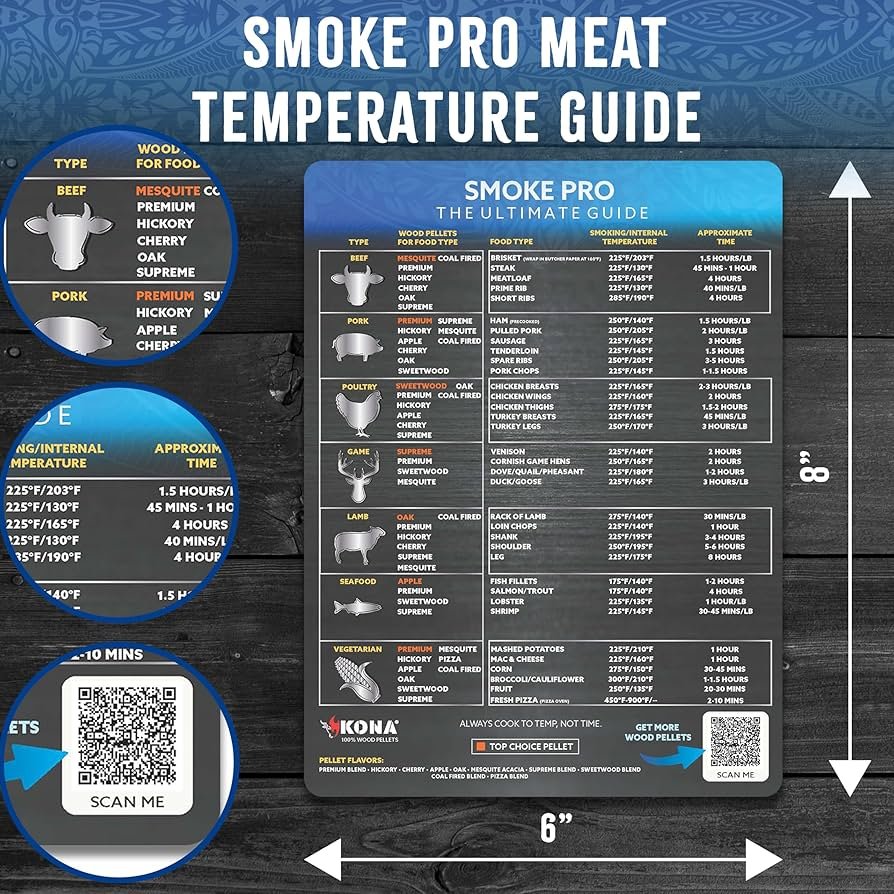
If you’ve ever struggled to get the perfect cook on your pellet grill, you’re not alone. Knowing the right temperature for each type of food can make all the difference between a meal that’s just okay and one that’s truly mouthwatering.
This Pellet Grill Temperature Chart is designed to be your go-to guide, helping you master your grill with confidence. Whether you’re aiming for juicy ribs, tender brisket, or perfectly smoked vegetables, understanding these temperatures will take your grilling game to the next level.
Keep reading, and you’ll never second-guess your grill settings again.

Credit: www.truecareurgentcare.com
Pellet Grill Basics
Pellet grills use wood pellets as fuel to cook food. They combine smoking, grilling, and baking in one machine. These grills keep a steady temperature for even cooking.
Understanding how pellet grills work and their temperature zones helps you cook better meals. This guide explains the basics clearly and simply.
How Pellet Grills Work
Pellet grills have a hopper that holds wood pellets. An auger feeds pellets into a firepot where they ignite. A fan blows air to keep the fire burning steadily.
- Wood pellets provide smoke flavor and heat.
- The auger controls pellet flow for temperature control.
- The fan keeps the fire hot and removes smoke.
- A digital controller adjusts settings for steady heat.
Key Temperature Zones
Pellet grills have different temperature zones for various cooking styles. Knowing these zones helps you pick the right heat for your food.
| Temperature Zone | Range (°F) | Best For |
|---|---|---|
| Low Heat | 180–225 | Smoking meat slowly for tender, juicy results |
| Medium Heat | 225–350 | Grilling vegetables, cooking larger cuts |
| High Heat | 350–450 | Searing steaks and burgers quickly |
Temperature Settings For Smoking
Using the right temperature is key for smoking on a pellet grill. It affects flavor and tenderness.
Different foods need different smoke temperatures. Knowing the right range helps you cook well.
Low And Slow Range
The low and slow range means cooking at low heat for a long time. This helps break down tough meat.
This range is usually between 180°F and 225°F. It allows smoke to deeply flavor the food.
- 180°F to 200°F: Best for delicate fish and vegetables
- 200°F to 225°F: Ideal for ribs, pork shoulder, and brisket
- Long cooking times enhance tenderness and taste
Ideal Smoke Temps
Ideal smoke temperatures range from 180°F to 250°F. This range gives good smoke flavor without drying out food.
Keeping the grill steady in this range is important. It helps the smoke stay consistent and tasty.
| Temperature | Best For |
|---|---|
| 180°F – 200°F | Fish, vegetables, poultry |
| 200°F – 225°F | Ribs, pork shoulder, brisket |
| 225°F – 250°F | Chicken, turkey, sausages |
Grilling And Roasting Temps
Using the right temperature on your pellet grill helps cook food evenly. It also brings out the best flavors in meat and vegetables.
This guide covers medium and high heat levels for grilling and roasting. Knowing these temps makes your cooking easier and tastier.
Medium Heat Levels
Medium heat on a pellet grill usually ranges from 300°F to 400°F. This range is good for slow roasting and grilling most meats.
| Temperature (°F) | Cooking Use | Example Foods |
|---|---|---|
| 300 – 325 | Slow Roasting | Pork shoulder, whole chicken |
| 350 – 375 | Grilling | Steak, burgers, vegetables |
| 375 – 400 | Roasting & Grilling | Fish, chicken breasts, ribs |
High Heat Grilling
High heat grilling ranges from 400°F to 600°F. It sears meat quickly, locking in juices and creating a nice crust.
- 400 – 450°F: Good for thicker steaks and quick searing
- 450 – 500°F: Ideal for burgers and vegetables
- 500 – 600°F: Best for thin cuts and fast cooking
Common Foods And Their Temps
Cooking with a pellet grill means knowing the right temperatures for each food. Different foods need different heat levels to taste their best.
This guide shows common foods and the best temps to cook them safely and deliciously on a pellet grill.
Beef Cuts
Beef cuts require careful temperature control for flavor and safety. Steaks and roasts have different ideal temps.
- Steak (medium rare): 130°F to 135°F
- Steak (medium): 140°F to 145°F
- Brisket (low and slow): 195°F to 205°F
- Chuck roast: 190°F to 200°F
Pork Options
Pork must reach safe temperatures to avoid illness. Different cuts need different cooking times and temps.
- Pork chops: 145°F with 3 minutes rest
- Pork shoulder (pulled pork): 195°F to 205°F
- Pork ribs: 190°F to 203°F
- Pork tenderloin: 145°F
Poultry Guidelines
Poultry needs to be cooked to a safe internal temperature. This keeps it juicy and healthy.
- Chicken breasts: 165°F
- Whole chicken: 165°F
- Turkey (breast): 165°F
- Turkey (thighs): 175°F to 180°F
Seafood Temps
Seafood cooks quickly and needs careful temperature control. Overcooking can dry it out.
- Salmon: 125°F to 130°F
- Shrimp: 120°F to 140°F
- Scallops: 120°F to 130°F
- Fish fillets: 140°F
Vegetables
Vegetables cook at lower temps than meats. They get smoky flavor and stay crisp.
- Bell peppers: 225°F to 250°F
- Asparagus: 225°F to 250°F
- Potatoes (wrapped): 300°F to 350°F
- Onions: 225°F to 250°F
Temperature Control Tips
Keeping the right temperature is key when using a pellet grill. Good temperature control helps cook food evenly.
This guide explains how to adjust your pellet grill for the best heat control and cooking results.
Adjusting Pellet Feed Rate
The pellet feed rate controls how many pellets burn in the grill. More pellets mean higher heat.
To lower the temperature, reduce the feed rate. To raise it, increase the feed rate carefully.
- Check your grill’s manual for feed rate settings
- Make small changes and wait to see the effect
- Keep pellet hopper full for steady feed
Using Water Pans
Water pans help keep the grill temperature steady. They also add moisture to the cooking space.
Place a water pan inside the grill under the food. Fill it with hot water to keep heat even.
- Refill the pan as water evaporates
- Use water pans for slow cooking or smoking
- Keep the pan clean to avoid bad smells
Handling Wind And Weather
Wind and weather can change your grill’s temperature quickly. Wind cools the grill and lowers heat.
Use a windbreak or move the grill to a sheltered area. Check temperature often during bad weather.
- Place grill near a wall or fence for wind protection
- Avoid grilling in heavy rain or snow
- Use a grill cover to keep heat in when not cooking

Credit: www.amazon.com
Troubleshooting Temp Issues
Pellet grills need steady heat to cook food well. Sometimes, the temperature may not stay right. This guide helps you fix common temperature problems.
Knowing how to spot and fix these issues makes your grill work better. It also helps you cook tasty meals every time.
Temperature Fluctuations
Temperature may go up and down during cooking. This can spoil your food or cause uneven cooking. Fluctuations happen for many reasons.
Check if the pellet feed is smooth. Dirty or low-quality pellets can cause this problem. Also, bad airflow inside the grill can change the heat.
- Use clean, dry pellets made for your grill
- Keep the pellet hopper full and free of dust
- Clean the grill’s burn pot and fire pot regularly
- Check the fan and exhaust for blockages
- Avoid opening the lid too often during cooking
Cold Spots
Cold spots are areas inside the grill that cook slower or do not get hot enough. They cause uneven cooking and raw parts in food.
Cold spots can happen if heat does not spread well. This may be due to bad grill design or too much food blocking the heat.
- Arrange food to allow heat to flow around it
- Do not overload the grill rack
- Use a grill thermometer to find cold spots
- Consider adding a heat deflector or plate setter
- Keep vents open for better air circulation
Overheating
Overheating means the grill gets too hot. This can burn food or damage the grill parts. It is important to control the heat well.
Overheating may happen if the temperature sensor is dirty or broken. It can also occur if the pellets feed too fast or air flow is blocked.
- Clean or replace the temperature probe regularly
- Check the auger motor and pellet feed speed
- Keep the air vents open and clean
- Turn off the grill and restart if it overheats
- Use the grill’s manual to reset or calibrate temperature
Maintenance For Consistent Temps
Keeping your pellet grill at the right temperature needs regular care. Small tasks can make a big difference. Good maintenance helps your grill work well every time you use it.
Check a few key parts often. Clean the grill, check the thermometers, and use quality pellets. These steps keep your cooking steady and tasty.
Cleaning The Grill
Cleaning your pellet grill stops dirt and ash from building up. This helps the heat flow evenly. Clean the burn pot, heat baffle, and inside walls often.
- Remove ashes after each use
- Brush grill grates to clear food bits
- Wipe down the inside with a damp cloth
- Check the hopper for dust and clean it
Checking Thermometers
Thermometers must show the correct temperature. Check them with a separate accurate thermometer. Replace or calibrate if readings are off.
| Thermometer Type | Check Method | Action if Wrong |
| Built-in Grill Thermometer | Compare with digital thermometer | Calibrate or replace sensor |
| Probe Thermometer | Test in boiling water (212°F / 100°C) | Reset or replace probe |
Pellet Quality
Good pellets burn steady and clean. Poor pellets cause temperature swings and more ash. Store pellets in a dry place to keep them fresh.
- Buy hardwood pellets with low moisture
- Keep pellets sealed and dry
- Use pellets from trusted brands
- Do not mix pellet types in the hopper

Credit: www.amazon.com
Advanced Techniques
Using a pellet grill offers many ways to cook food perfectly. Understanding advanced techniques helps you control temperature and flavor better.
These techniques help you use your pellet grill more effectively. You can get great texture and taste with simple steps.
Reverse Searing
Reverse searing means cooking meat slowly first, then searing it at high heat. This method makes the inside juicy and the outside crispy.
Start by setting the pellet grill to a low temperature, around 225°F (107°C). Cook the meat until it reaches the desired internal temperature. Then, increase the grill to 450°F (232°C) or higher to sear the outside quickly.
- Cook slow at 225°F for even heat
- Remove when close to target internal temp
- Sear at high heat for a crispy crust
Two-zone Cooking
Two-zone cooking uses different heat areas on the grill. One side is hot for searing, and the other side is cooler for slow cooking.
This technique lets you move food between heat zones. Use the hot zone to brown meat and the cooler zone to finish cooking without burning.
- Set one side to 300-400°F for searing
- Set the other side to 180-225°F for slow cooking
- Move food between zones to control doneness
Smoke Flavor Adjustments
You can control smoke flavor by adjusting grill temperature and wood pellet types. Lower temperatures produce more smoke flavor, higher temps less.
Choose mild woods like apple or cherry for light smoke. Use hickory or mesquite for stronger smoke. Keep the grill between 180°F and 250°F for best smoke flavor.
- Lower temps (180-225°F) increase smoke flavor
- Higher temps (250°F+) reduce smoke taste
- Mild woods = subtle smoke
- Strong woods = bold smoke
Frequently Asked Questions
What Is A Pellet Grill Temperature Chart?
A pellet grill temperature chart is a guide showing optimal cooking temperatures. It helps users grill various meats, vegetables, and foods perfectly. The chart ensures consistent grilling results by providing recommended temperature settings. It is a handy tool for both beginners and seasoned grilling enthusiasts.
How To Use A Pellet Grill Temperature Chart?
To use a pellet grill temperature chart, identify the food item you’re grilling. Then, set your grill to the recommended temperature. This ensures even cooking and desired doneness. Always preheat the grill before placing food on it. Monitoring temperatures helps achieve perfect grilling results.
Why Is Temperature Control Important In Pellet Grilling?
Temperature control in pellet grilling ensures food cooks evenly and retains its flavor. It prevents undercooking or overcooking, providing a delicious meal every time. Consistent temperatures help achieve desired doneness and texture. Mastering temperature control enhances your grilling experience and results.
Can I Grill Vegetables Using A Temperature Chart?
Yes, you can grill vegetables using a temperature chart. The chart provides optimal temperatures for different vegetables. This ensures they cook evenly without burning. Grilling vegetables at the recommended temperature enhances their natural flavors. It also retains their nutritional value, making for a healthy and tasty dish.
Conclusion
Understanding your pellet grill temperature chart helps cook food just right. Different foods need different heat levels to taste their best. Keep an eye on the temperature for perfect results every time. Practice makes it easier to control your grill well.
Use the chart as a guide, not a rule. Enjoy cooking with confidence and serve delicious meals to your family and friends. Simple steps lead to great flavor and happy gatherings.