
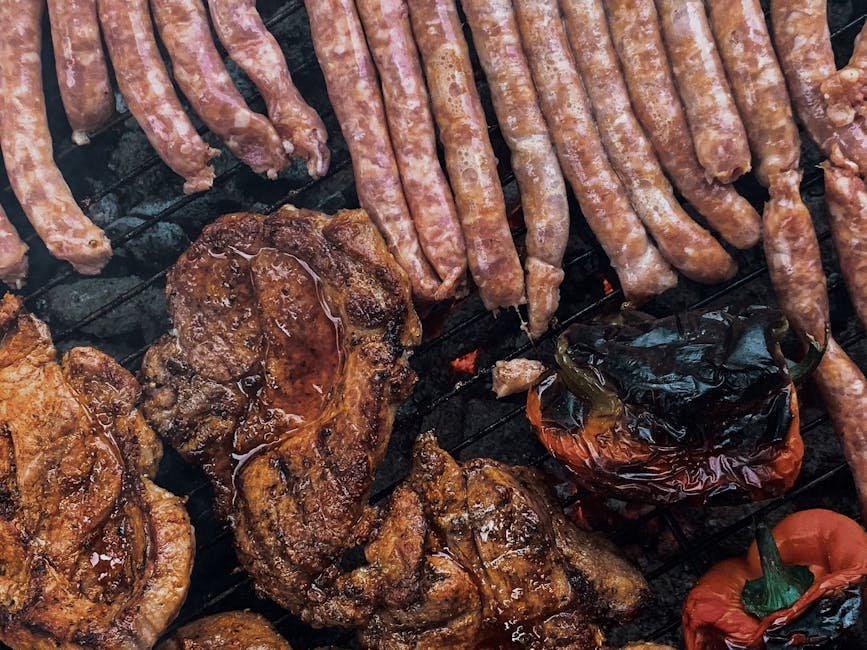
Looking to buy a charcoal grill but not sure where to start? Choosing the right grill can make all the difference in your cooking experience and the taste of your food.
Whether you’re a beginner or a seasoned griller, this guide will help you find the perfect charcoal grill that fits your needs and budget. By the end, you’ll feel confident and ready to enjoy mouthwatering grilled meals every time. Keep reading to discover what really matters when picking your next charcoal grill.
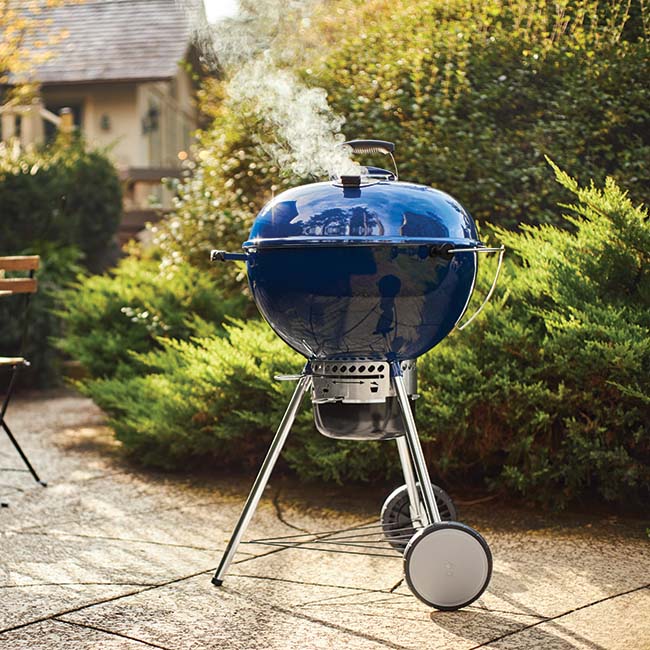
Credit: www.greenacres.info
Choosing The Right Grill
Choosing the right charcoal grill is important for good cooking. You want a grill that fits your needs and space.
This guide helps you understand different charcoal grills and what to look for before buying.
Types Of Charcoal Grills
Charcoal grills come in many styles. Each style cooks food differently and suits different users.
The main types are kettle, drum, and barrel grills. Each has its own benefits and uses.
- Kettle Grills:Round shape, good heat control, easy to use.
- Drum Grills:Large cooking area, best for big groups.
- Barrel Grills:Long shape, good for smoking and slow cooking.
Size And Cooking Area
Grill size matters based on how many people you cook for. Think about your usual cooking needs.
Cooking area means the space where food cooks. Bigger areas cook more food at once but take more space.
- Small grills: Good for 1-3 people, easy to store.
- Medium grills: Fit 4-6 people, balance size and space.
- Large grills: Cook for 7 or more, need more room.
Portability And Design
Portability is key if you want to move your grill often. Look at weight and wheels.
Design affects how easy the grill is to use and clean. Simple designs save time and effort.
- Lightweight grills are easy to carry and store.
- Wheels help move grills over flat surfaces.
- Grills with removable parts clean faster.
Charcoal Options
Choosing the right charcoal is key to good grilling. Different types give different heat and flavor.
This guide explains the main charcoal options and what to expect from each.
Lump Charcoal Vs Briquettes
Lump charcoal comes from charred wood pieces. Briquettes are made from compressed charcoal dust and additives.
- Lump charcoal lights quickly and burns hotter.
- Briquettes burn more evenly and last longer.
- Lump charcoal produces less ash than briquettes.
- Briquettes often contain fillers that can affect flavor.
Flavor Impact
Lump charcoal adds a natural smoky taste from the wood. Briquettes have a milder flavor because of fillers.
| Charcoal Type | Flavor | Smoke Level |
| Lump Charcoal | Strong, natural wood taste | High |
| Briquettes | Mild, neutral taste | Low to Medium |
Burn Time And Heat Control
Lump charcoal burns faster and hotter but can be harder to control. Briquettes burn slower and keep steady heat.
- Lump charcoal heats up quickly for fast grilling.
- Briquettes give longer cooking time without refueling.
- You can adjust lump charcoal heat by adding or removing pieces.
- Briquettes maintain a steady temperature for slow cooking.
Essential Features To Look For
Choosing the right charcoal grill means focusing on key features. These features help you control heat and keep your grill clean.
Look closely at vents, ash systems, and built-in thermometers. These parts improve your grilling experience.
Air Vents And Temperature Control
Air vents let you control how much oxygen reaches the charcoal. This controls the heat level inside the grill.
- Adjust vents to increase or decrease temperature
- Top vents help release smoke and heat
- Bottom vents allow air to flow in and feed the fire
- Good vent control keeps food cooking evenly
Ash Management System
Ash management makes cleaning easier and improves airflow. Without proper ash removal, vents can clog and reduce heat.
| Feature | Benefit |
| Removable ash pan | Quick and mess-free cleaning |
| Built-in ash catcher | Keeps ash from falling on the ground |
| Raised grill grate | Prevents ash buildup under charcoal |
Built-in Thermometer
A built-in thermometer shows the grill’s internal temperature. It helps you cook food at the right heat.
Look for these thermometer features:
- Easy-to-read dial
- Placed on the lid for accurate readings
- Durable and heat-resistant materials
Materials And Durability
Choosing the right materials affects how long your charcoal grill lasts. Good materials handle heat well and resist damage.
Durability means the grill keeps working after many uses. It also means less time fixing and more time cooking.
Steel Vs Cast Iron
Steel grills heat up fast and cool down quickly. They are lighter to move around. Steel is often cheaper than cast iron.
Cast iron holds heat longer and cooks food evenly. It is heavier and harder to move. Cast iron needs more care to avoid rust.
- Steel: lighter, heats quickly, less expensive
- Cast Iron: heavy, retains heat, cooks evenly
- Cast iron can crack if dropped
Rust Resistance
Rust can ruin your grill and food taste. Look for grills with coatings or paints that stop rust. Stainless steel is a good rust-resistant choice.
Cast iron grills need seasoning to protect from rust. Keep the grill dry and clean after each use to avoid rust spots.
- Stainless steel resists rust well
- Painted steel needs touch-ups
- Cast iron requires regular seasoning
- Keep grill dry to prevent rust
Maintenance Tips
Clean your grill after every use to keep it working well. Remove ashes and food bits to stop damage. Use a wire brush for cleaning grates.
Apply oil or seasoning on cast iron parts. Cover the grill when not in use. Check for rust or damage regularly and fix it fast.
- Clean grates with a wire brush
- Oil cast iron parts after cleaning
- Cover grill to protect from weather
- Check and fix rust spots quickly
Accessories And Add-ons
Choosing the right accessories can improve your charcoal grilling experience. They help keep your grill clean, organized, and easier to use.
This guide covers essential add-ons like grill covers, charcoal baskets, and side tables. Each item adds value to your outdoor cooking setup.
Grill Covers And Tools
Grill covers protect your charcoal grill from rain, dust, and sunlight. They extend the life of your grill by preventing rust and damage.
- Choose waterproof and heat-resistant covers for best protection.
- Look for covers with adjustable straps or drawstrings to keep them secure.
- Basic grilling tools include tongs, spatulas, and brushes.
- Use long-handled tools to avoid burns and reach all parts of the grill.
Charcoal Baskets
Charcoal baskets help organize charcoal inside the grill. They improve airflow and make lighting charcoal easier.
| Type | Benefit | Material |
|---|---|---|
| Wire Mesh Basket | Allows good air flow and even heat | Stainless Steel |
| Steel Charcoal Basket | Durable and holds large amounts of charcoal | Heavy-duty Steel |
| Adjustable Basket | Flexible size to fit different grills | Steel with Coating |
Side Tables And Shelves
Side tables and shelves add extra space for food preparation and holding utensils. They keep everything close while you grill.
- Choose foldable side tables for easy storage.
- Look for shelves with hooks for hanging tools.
- Metal or wooden shelves offer stability and style.
- Keep cleaning supplies handy on the shelves.
Budget And Brand Considerations
Choosing the right charcoal grill involves thinking about your budget and the brand you trust. These two factors affect how long your grill will last and how well it cooks.
This guide will help you understand price ranges, trusted brands, and the importance of warranty and support before buying.
Price Ranges
Charcoal grills come in many price points. Knowing your budget helps narrow choices and find the best value.
- Low budget: $50 to $150, basic features, good for occasional use
- Mid-range: $150 to $400, better materials and size for regular grilling
- High-end: $400 and up, premium build, extra features, and larger cooking areas
Trusted Brands
Choosing a trusted brand ensures quality and safety. Reliable brands offer grills that last longer and perform well.
- Weber: Known for durable grills and good customer service
- Char-Broil: Offers affordable options with decent quality
- Napoleon: Features innovative designs and strong warranties
- Traeger: Popular for wood pellet grills with high-quality parts
Warranty And Customer Support
Warranty and support protect your investment. A good warranty covers defects and helps with repairs.
| Brand | Warranty Length | Support Type |
| Weber | 10 years | Phone and online |
| Char-Broil | 5 years | Online and email |
| Napoleon | 7 years | Phone and online chat |
| Traeger | 3 years | Phone and online |
Setting Up Your Grill
Setting up your charcoal grill correctly makes cooking safer and easier. This guide covers key points to prepare your grill before use.
Follow these tips to pick a safe spot, clean your grill, and season it for the best results.
Location And Safety
Place your grill on a flat, stable surface away from anything flammable. Avoid windy spots to keep the fire under control.
- Keep the grill at least 10 feet from buildings and trees
- Use the grill outdoors only, never inside a garage or tent
- Have a fire extinguisher or water source nearby
- Check that the grill is steady and will not tip over
Initial Cleaning
Before first use, clean the grill to remove dust and factory residues. This step helps avoid bad smells and unsafe fumes.
| Cleaning Step | What to Use | Tips |
|---|---|---|
| Remove packaging | Hands, cloth | Check all parts are included |
| Wash grates | Warm soapy water, brush | Rinse well and dry |
| Clean inside | Scraper or brush | Remove dust and debris |
| Wipe exterior | Wet cloth | Dry to avoid rust |
Seasoning The Grill
Seasoning protects the grill from rust and improves cooking. It creates a natural non-stick surface on the grates.
- Lightly coat the grates with cooking oil
- Heat the grill until smoke appears
- Let it burn for 15–20 minutes
- Turn off and let cool before use

Credit: journal.firsttuesday.us
Tips For Perfect Bbqs
Cooking on a charcoal grill adds a smoky flavor to your food. To get the best results, you need some key tips. These tips will help you cook tasty meals every time.
Understanding how to light your grill, manage heat, and clean up will improve your BBQ experience. Let’s look at these important points.
Lighting Techniques
Starting your charcoal fire the right way helps you control cooking temperature. Use dry charcoal and avoid lighter fluid for better flavor.
Arrange the charcoal in a pile or use a chimney starter for even lighting. Let the coals burn until covered with gray ash before cooking.
- Use a chimney starter for easy and fast lighting
- Avoid using too much lighter fluid to prevent chemical taste
- Wait until coals are gray and hot before placing food
Heat Zones And Cooking Methods
Create different heat zones on your grill to cook food perfectly. One side should have hot coals for direct heat. The other side should have fewer coals for indirect heat.
Use direct heat for searing and fast cooking. Use indirect heat for slow cooking and larger cuts of meat.
- Direct heat: place food right over hot coals
- Indirect heat: place food away from coals to cook slowly
- Use a lid to keep heat steady during cooking
Cleaning After Use
Cleaning your charcoal grill after cooking keeps it ready for next time. Remove ashes and leftover food particles to prevent rust and bad smells.
Use a grill brush to scrub grates while they are still warm. Empty the ash catcher once the grill is cool.
- Scrape grill grates with a brush after each use
- Dispose of ashes safely when the grill is cold
- Check for rust and clean the outside regularly
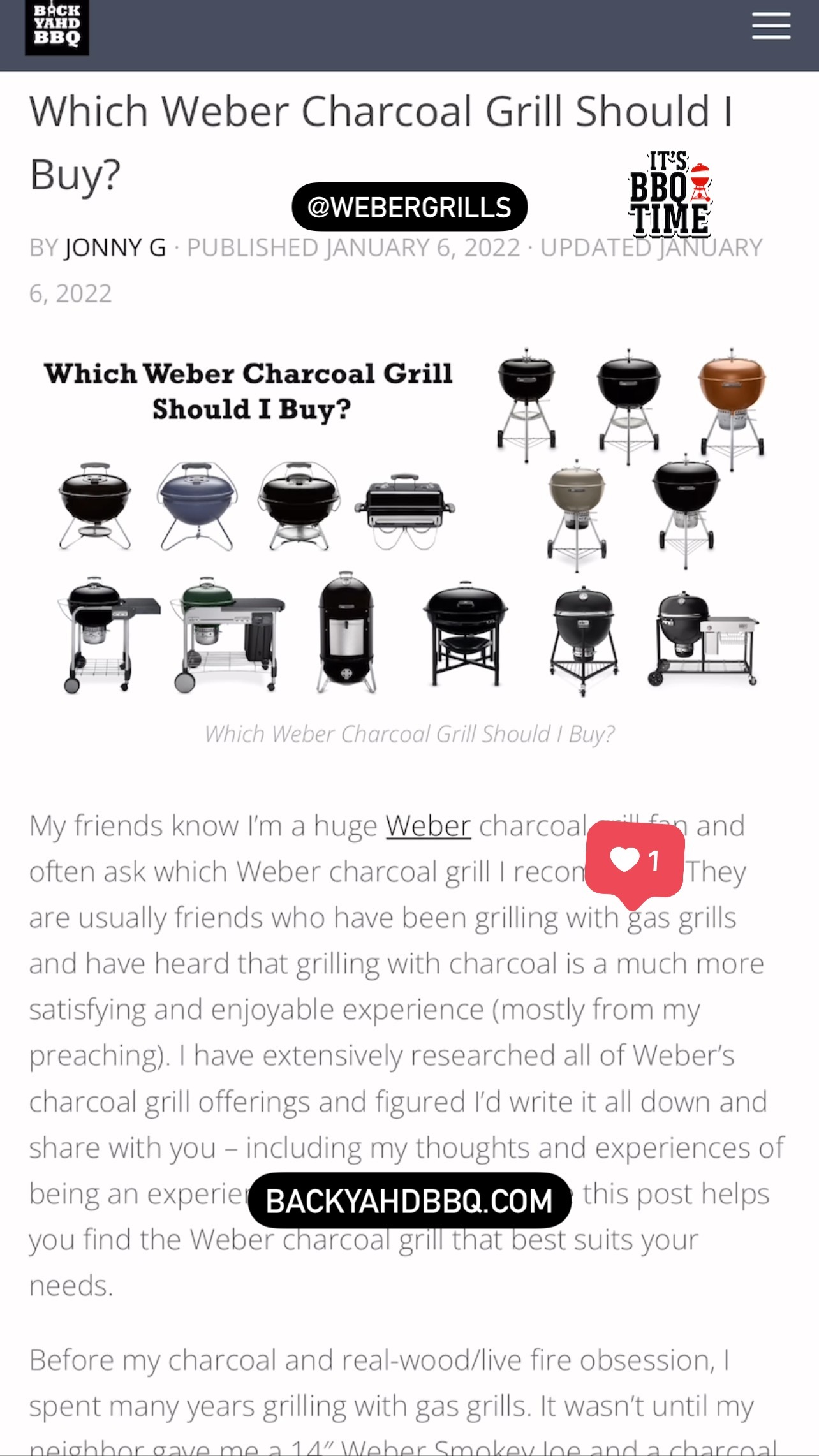
Credit: backyahdbbq.com
Frequently Asked Questions
What Are The Benefits Of A Charcoal Grill?
Charcoal grills offer a rich, smoky flavor that many barbecue enthusiasts love. They are typically more affordable than gas grills and provide high heat for excellent searing. Charcoal grills are portable and versatile, allowing for both direct and indirect cooking methods, making them a popular choice for grilling aficionados.
How Do I Choose The Right Size Charcoal Grill?
Choosing the right size depends on your cooking needs and space. For small gatherings, a compact grill suffices. For larger groups, consider a larger model. Assess your backyard space and storage options. A grill with adjustable cooking grates provides versatility, accommodating various food quantities and ensuring efficient grilling.
How To Maintain A Charcoal Grill Effectively?
Regular cleaning is key. Remove ashes after each use to prevent buildup. Scrub the grates with a grill brush to remove residue. Check the vents for blockages to ensure proper airflow. Cover the grill when not in use to protect it from weather elements, extending its lifespan and maintaining performance.
What Features Should I Look For In A Charcoal Grill?
Look for adjustable grates, which offer cooking flexibility. Ash removal systems simplify cleaning. Built-in thermometers help monitor temperature accurately. Consider a grill with durable materials like stainless steel for longevity. Portability features, such as wheels or handles, can be advantageous for ease of movement.
Conclusion
Choosing the right charcoal grill makes cooking outdoors more fun. Think about size, fuel type, and features before buying. A good grill lasts long and cooks food evenly. Simple tools can help control heat and smoke. Enjoying grilled meals with friends and family brings joy.
Your perfect grill matches your cooking style and space. Take time, compare options, and pick what fits best. Ready to fire up and enjoy tasty, smoky dishes?