
If you love the smoky flavor of grilled food but want to enjoy healthier, delicious meals, cooking vegetables on your pellet grill is the perfect choice. You might think grilling veggies is tricky, but with the right tips, you can turn simple vegetables into mouthwatering dishes that everyone will crave.
In this guide, you’ll discover easy steps to get the best taste, texture, and aroma from your vegetables on a pellet grill. Ready to impress your family and friends with vibrant, flavorful grilled veggies? Keep reading and unlock the secrets to perfect grilled vegetables every time.
Choosing The Right Vegetables
Cooking vegetables on a pellet grill adds a smoky flavor. Choosing the right vegetables makes your meal tasty and easy to cook.
Some vegetables grill better than others. Pick vegetables that hold up well to heat and smoke.
Best Vegetables For Pellet Grilling
Firm vegetables work best on a pellet grill. They cook evenly and do not fall apart.
- Bell peppers
- Zucchini
- Asparagus
- Onions
- Mushrooms
- Eggplant
- Carrots
- Corn on the cob
These vegetables have a good texture and absorb smoke flavor well. Avoid soft vegetables that can become mushy.
Preparing Vegetables For The Grill
Wash vegetables carefully to remove dirt. Cut them into pieces that cook evenly on the grill.
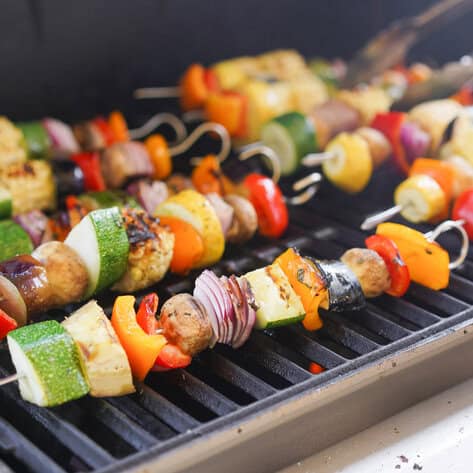
Use oil and seasoning to add flavor and prevent sticking. Thread smaller vegetables on skewers for easy handling.
- Wash and dry vegetables
- Cut into even sizes
- Toss with oil and seasoning
- Use skewers or grill baskets for small pieces
- Preheat the pellet grill before cooking
Credit: www.hungryhuy.com
Setting Up Your Pellet Grill
Cooking vegetables on a pellet grill needs the right setup. Preparing your grill well ensures tasty, evenly cooked veggies.
Start by cleaning the grill and checking pellet levels. This helps maintain steady heat and good smoke for flavor.
Optimal Temperature Settings
Vegetables cook best at medium heat on a pellet grill. Too high heat can burn them outside and leave raw inside.
Set the grill temperature between 350°F and 400°F. This range cooks vegetables evenly and keeps them juicy.
- 350°F for slower, smokier cooking
- 400°F for quicker grilling with nice char
- Use a grill thermometer to check accuracy
Using Wood Pellets For Flavor
Wood pellets add flavor to grilled vegetables. Different woods give different tastes and aromas.
Choose mild woods like fruit or nut pellets for vegetables. These add a light smoky flavor without overpowering.
- Apple wood pellets offer sweet, fruity smoke
- Cherry wood adds a mild, rich flavor
- Pecan pellets give a nutty, smooth taste
- Avoid strong woods like mesquite for delicate veggies
Grilling Techniques For Vegetables
Cooking vegetables on a pellet grill adds smoky flavor and a nice char. You can use different grilling techniques to get great results.
Choosing the right heat and tools helps you cook vegetables evenly and keep their texture. Learn how to use heat zones and accessories for tasty grilled veggies.
Direct Vs Indirect Heat
Direct heat means placing vegetables right over the fire. This cooks them fast and gives grill marks. Use direct heat for small or quick-cooking vegetables.
Indirect heat means placing vegetables away from the fire. This cooks them slower and gently. Use indirect heat for bigger or dense vegetables that need more time.
- Direct heat: good for peppers, zucchini, and asparagus
- Indirect heat: good for potatoes, corn, and carrots
- Watch vegetables closely on direct heat to avoid burning
- Use indirect heat for longer, even cooking
Using Grill Baskets And Skewers
Grill baskets hold small or chopped vegetables so they don’t fall through the grates. They also make it easy to move many pieces at once.
Skewers let you thread vegetables for even cooking and easy turning. Use metal or soaked wooden skewers to avoid burning.
- Grill baskets: great for mushrooms, cherry tomatoes, and small pieces
- Skewers: good for bell peppers, onions, and cherry tomatoes
- Turn basket or skewers often for even grilling
- Soak wooden skewers in water for 30 minutes before use

Credit: food52.com
Seasoning And Marinades
Cooking vegetables on a pellet grill brings out rich, smoky flavors. Using the right seasoning or marinade can make vegetables taste even better.
Seasoning and marinades add moisture and enhance the natural taste. They also help vegetables cook evenly and stay tender.
Simple Dry Rubs
Dry rubs are easy to prepare and apply. They add a crispy, flavorful coating to grilled vegetables.
- Mix salt, black pepper, and garlic powder for a classic taste.
- Add smoked paprika for a smoky kick.
- Use cumin and chili powder for a spicy rub.
- Try Italian herbs like oregano and basil for a fresh flavor.
- Coat vegetables lightly with olive oil before applying the rub.
Marinade Ideas For Vegetables
Marinating adds moisture and infuses vegetables with flavor. It also helps prevent drying out on the grill.
| Marinade | Ingredients | Flavor Profile |
|---|---|---|
| Lemon Herb | Lemon juice, olive oil, garlic, thyme, salt | Bright and fresh |
| Asian Soy | Soy sauce, ginger, garlic, sesame oil, honey | Sweet and savory |
| Balsamic | Balsamic vinegar, olive oil, rosemary, black pepper | Rich and tangy |
| Spicy Citrus | Orange juice, chili flakes, cumin, olive oil | Sweet and spicy |
Timing And Doneness
Cooking vegetables on a pellet grill adds a smoky flavor. Timing and doneness are key to perfect results.
Each vegetable cooks at a different speed. Knowing when they are done helps keep them tender and tasty.
How To Check For Doneness
Check vegetables by piercing them with a fork or skewer. It should go in easily but not too soft.
Look for changes in color and texture. Vegetables become brighter and slightly tender when done.
- Firm but tender texture means cooked well
- A fork should slide in with slight resistance
- Vegetables should not be mushy or raw
- Smell can also show if they are cooked
Tips For Even Cooking
Cut vegetables into similar sizes. This helps them cook at the same rate on the grill.
Turn vegetables often. This prevents burning and cooks them evenly on all sides.
- Use grill baskets or trays for small pieces
- Keep the grill temperature around 350°F (175°C)
- Brush vegetables with oil to avoid sticking
- Arrange vegetables in a single layer for uniform heat
Serving Suggestions
Grilled vegetables on a pellet grill have a smoky flavor that pairs well with many dishes. Serving them right can make your meal more enjoyable and colorful.
Use simple ideas to present your grilled vegetables so they stand out on the plate. This helps balance the meal and adds texture and taste.
Pairing Grilled Vegetables
Grilled vegetables work well with many proteins and sides. Think about flavors that complement their smoky taste.
- Serve alongside grilled chicken or steak for a hearty meal.
- Add to sandwiches or wraps with hummus or cheese.
- Mix into pasta dishes for extra color and nutrition.
- Top salads with warm grilled vegetables for a fresh twist.
- Pair with grains like quinoa, rice, or couscous for a filling dish.
Adding Finishing Touches
Finishing touches add flavor and make grilled vegetables more appealing. Small additions can bring out their best qualities.
| Finishing Touch | Purpose | Examples |
|---|---|---|
| Fresh Herbs | Add brightness and aroma | Basil, parsley, cilantro |
| Drizzles | Add moisture and flavor | Olive oil, balsamic glaze, lemon juice |
| Seasonings | Enhance taste | Salt, pepper, smoked paprika |
| Cheese | Add creaminess and richness | Feta, goat cheese, parmesan |
Troubleshooting Common Issues
Cooking vegetables on a pellet grill can be simple and rewarding. Some common problems can happen during the process. Knowing how to fix them helps you get better results.
This guide covers two main issues: overcooking vegetables and preventing them from sticking or burning on the grill.
Avoiding Overcooking
Vegetables cook quickly on a pellet grill. Overcooking makes them soft and less tasty. Watch the grill temperature and cooking time closely to keep vegetables crisp and fresh.
- Set the grill temperature between 350°F and 400°F for most vegetables.
- Check vegetables often to avoid cooking too long.
- Use a timer to keep track of cooking time.
- Cut vegetables into similar sizes for even cooking.
- Remove vegetables from the grill as soon as they become tender.
Preventing Sticking And Burning
Sticking and burning happen when vegetables contact the grill too long or when the grill is too hot. Use oil and proper grill care to prevent these issues.
| Cause | Solution |
| Grill grates not clean | Clean grates before cooking |
| Vegetables dry or no oil | Brush vegetables lightly with oil |
| Grill temperature too high | Lower the grill heat to 350°F – 400°F |
| Vegetables cooked too long | Flip vegetables often and watch cooking time |

Credit: www.youtube.com
Frequently Asked Questions
How Long Should Vegetables Cook On A Pellet Grill?
Vegetables typically cook on a pellet grill for 15-30 minutes. Timing depends on vegetable type and size. Use medium heat, around 350°F, for even cooking. Check doneness by tenderness to ensure perfect grilling without overcooking.
What Temperature Is Best For Grilling Vegetables?
Set your pellet grill to 350°F for optimal vegetable grilling. This temperature cooks vegetables evenly without burning. It preserves flavor and texture. Adjust slightly for thicker or thinner vegetables, but 350°F is a reliable, balanced choice for most veggies.
Should Vegetables Be Marinated Before Grilling?
Marinating vegetables before grilling enhances flavor and moisture. Use oil, herbs, and spices for best results. Marinate for 15-30 minutes to avoid sogginess. It also helps prevent sticking on the grill. Marinated veggies taste richer and grill more evenly.
Can I Grill All Types Of Vegetables On A Pellet Grill?
Most vegetables can be grilled on a pellet grill, including peppers, zucchini, and mushrooms. Harder vegetables like carrots may need pre-cooking or slicing thin. Avoid delicate greens as they can burn quickly. Proper preparation ensures tasty, evenly cooked veggies.
Conclusion
Grilling vegetables on a pellet grill is simple and tasty. The smoky flavor enhances each bite. Choose fresh vegetables for the best results. Cut them evenly for uniform cooking. Oil and season your veggies before grilling. This prevents sticking and adds flavor.
Watch the heat; it ensures even cooking. Experiment with different veggies for variety. Try squash, peppers, or mushrooms. Enjoy your healthy, grilled vegetables with family or friends. It’s a delicious way to eat more greens. Happy grilling!