
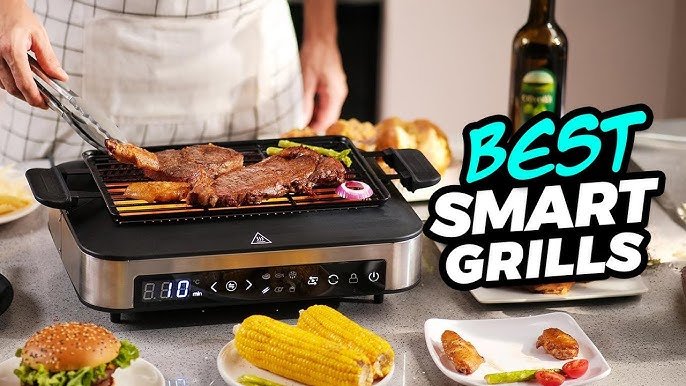
Are you trying to decide between an electric grill and a gas grill for your next cookout? Choosing the right grill can make a big difference in how your food tastes and how easy your grilling experience is.
You might wonder which one is better for your needs, your budget, and your lifestyle. This article will help you discover the pros and cons of both electric and gas grills. By the end, you’ll feel confident about which grill fits you perfectly.
Keep reading to find out what you should really look for before making your choice.

Credit: www.forbes.com
Electric Grill Basics
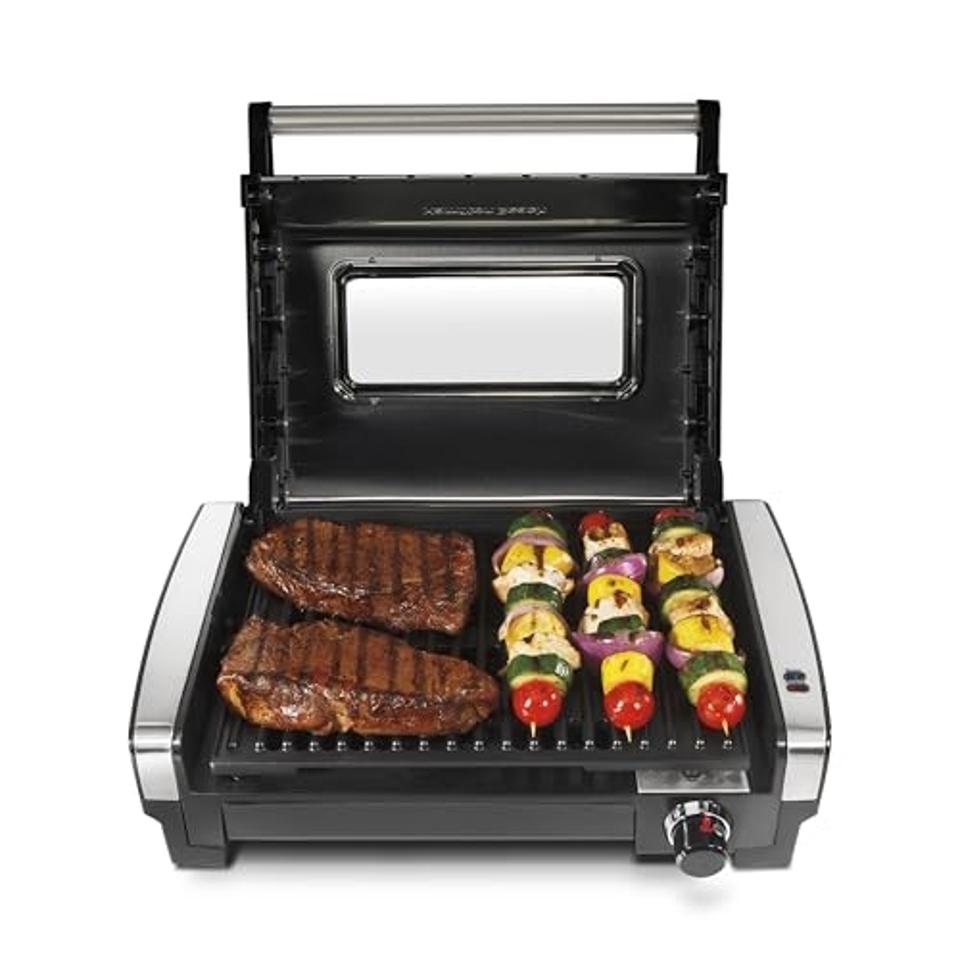
Electric grills use electricity to cook food. They are popular for indoor and outdoor use.
These grills offer a clean cooking option without using gas or charcoal.
How Electric Grills Work
Electric grills heat up using metal heating elements. The elements get hot when electricity flows through them.
The heat transfers to the grill plates or surface where you place the food. A thermostat controls the temperature.
Common Features
- Adjustable temperature controls for cooking different foods
- Non-stick grill plates for easy cleaning
- Drip trays to catch excess fat and liquids
- Compact size for small spaces
- Some models include removable plates
| Feature | Benefit |
| Temperature Control | Cook food evenly and safely |
| Non-stick Surface | Easy cleanup after use |
| Drip Tray | Reduces smoke and mess |
| Removable Plates | Flexibility and convenience |
Gas Grill Essentials
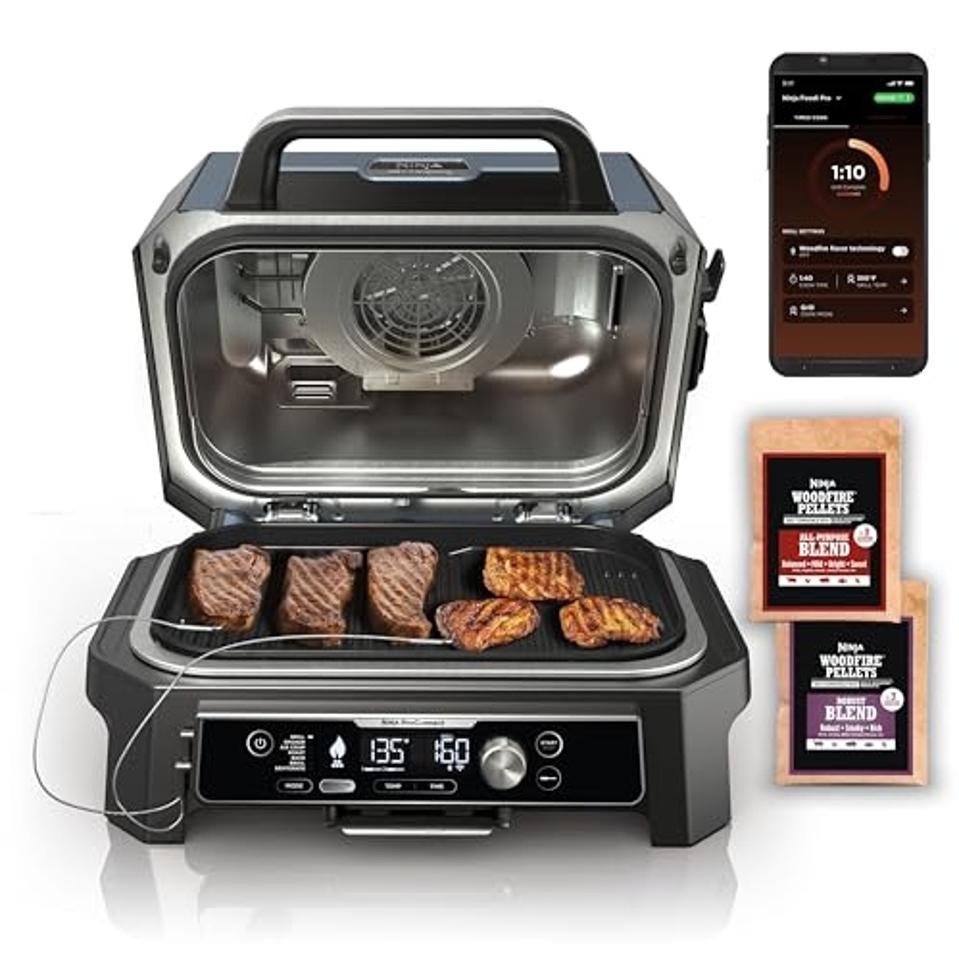
Gas grills offer a quick and easy way to cook outdoors. They use propane or natural gas to create heat.
Understanding how gas grills work helps you use them safely and get the best results. Let’s look at the basics.
Gas Grill Operation
Gas grills light burners with a spark or pilot light. The gas flows through tubes to the burners.
- Turn on the gas supply from the tank or line
- Use the ignition button or knob to create a spark
- Burners ignite and heat the grill
- Adjust flame size with control knobs
Good airflow and clean burners help the grill work well. Always check for gas leaks before lighting.
Typical Components
Gas grills have several key parts that work together to cook food evenly.
| Component | Function |
| Burners | Produce heat from gas |
| Control Knobs | Adjust flame and temperature |
| Grill Grates | Hold food over the heat |
| Heat Shields | Distribute heat evenly |
| Gas Tank | Stores propane or natural gas |
| Ignition System | Lights the burners safely |
Flavor And Cooking Performance
Choosing between electric and gas grills often depends on flavor and how well they cook. Each grill type has unique features that affect taste and cooking results.
Understanding these differences helps you pick the best grill for your needs.
Taste Differences
Gas grills use an open flame that adds a smoky flavor to food. This can enhance the taste of meats and vegetables. Electric grills do not produce smoke, so the flavor is usually milder.
- Gas grills create char marks that add flavor
- Electric grills cook evenly but lack smoky taste
- Electric grills are cleaner with no flare-ups
- Gas grills need propane or natural gas fuel
- Electric grills plug into an outlet for power
Heat Control And Distribution
Heat control affects how food cooks. Gas grills heat quickly and let you adjust the flame easily. Electric grills heat steadily but may take longer to reach the right temperature.
| Feature | Gas Grill | Electric Grill |
| Heat-up Time | Fast (a few minutes) | Moderate (5-10 minutes) |
| Temperature Control | Precise with knobs | Stable but less flexible |
| Heat Distribution | Can have hot spots | More even heat across surface |
| Maximum Temperature | Higher (up to 700°F) | Lower (usually under 500°F) |
Credit: www.forbes.com
Convenience And Usability
Electric grills and gas grills offer different benefits for cooking. Both types can be easy to use, but they differ in how you set them up and clean them. Understanding these differences helps you pick the right grill for your needs.
Let’s look at how electric and gas grills compare in setup, cleanup, and portability.
Setup And Cleanup
Electric grills usually need just a power outlet to work. You plug them in and wait a few minutes for heating. Gas grills need a propane tank or a natural gas line. Connecting these can take more time and care.
Cleaning electric grills is often simpler. Many have removable plates that you can wash easily. Gas grills have more parts like burners and grates that need scrubbing. Some gas grills also have grease traps to empty.
- Electric grills: plug in, heat up, easy cleaning with removable parts
- Gas grills: connect gas source, longer setup, more parts to clean
Portability Factors
Electric grills are lighter and smaller. They work well indoors or on balconies. You only need a power source. Gas grills are bigger and heavier. They need a gas tank, which adds weight and bulk.
Electric grills are easy to move around and store. Gas grills are better if you want to cook for many people outside. They offer more cooking power but less portability.
- Electric grills: lightweight, compact, need electricity
- Gas grills: heavier, need gas tank, more suited for outdoor use
Health And Safety
Choosing between electric and gas grills affects your health and safety. Both types cook food well but differ in emissions and safety risks.
Understanding these differences helps you pick a grill that suits your home and health needs.
Emissions And Smoke
Gas grills burn propane or natural gas, which releases carbon monoxide and other gases. These can be harmful in poorly ventilated areas.
Electric grills do not burn fuel and produce very little smoke or emissions. This makes them cleaner for indoor use.
- Gas grills emit carbon monoxide and nitrogen oxides
- Electric grills produce minimal smoke and no harmful gases
- Electric grills reduce indoor air pollution risks
- Gas grills need outdoor or well-ventilated spaces
Safety Precautions
Gas grills carry risks of gas leaks and fires if not used carefully. Always check hoses and connections before use.
Electric grills have lower fire risk but need dry conditions and proper electrical setup. Avoid water near the grill.
- Check gas hoses for cracks or leaks regularly
- Use gas grills outdoors or in open areas only
- Keep electric grills away from water and moisture
- Unplug electric grills when not in use
- Keep a fire extinguisher nearby for any grill type
Environmental Impact
Choosing between electric and gas grills affects the environment in different ways. The type of energy they use changes how much pollution they create.
Understanding energy use and carbon emissions helps you pick a grill that is better for the planet.
Energy Consumption
Electric grills use electricity to cook food. The electricity often comes from power plants that burn fossil fuels.
Gas grills use natural gas or propane, which are burned directly to create heat. This process uses energy too, but in a different form.
- Electric grills depend on the power grid’s energy source.
- Gas grills burn fuel on site without needing electricity.
- Energy efficiency varies by grill model and fuel type.
Carbon Footprint Comparison
Carbon footprint means the amount of greenhouse gases released into the air. Gas grills usually emit carbon dioxide directly when fuel burns.
Electric grills produce emissions based on how electricity is made. If the electricity is from clean sources, emissions are lower.
| Grill Type | Carbon Emissions | Key Factors |
|---|---|---|
| Electric Grill | Varies by electricity source | Cleaner if powered by renewable energy |
| Gas Grill | Direct CO2 from burning fuel | Emits greenhouse gases on site |
Cost And Maintenance
Choosing between electric and gas grills depends on many factors. Cost and maintenance play key roles in your decision. This guide looks at these aspects to help you understand the differences.
We will explore the initial investment needed and the long-term expenses for both types. This can help you plan your budget and effort for grill ownership.
Initial Investment
Electric grills usually cost less upfront than gas grills. They are smaller and simpler in design. Gas grills often have more features and larger cooking areas, which can raise the price.
- Electric grills are often cheaper to buy.
- Gas grills vary widely in price depending on size and brand.
- Gas grills may need extra parts like propane tanks or hookups.
- Electric grills only need a power outlet to work.
Long-term Expenses
Gas grills require regular propane refills or natural gas supply. Electric grills use electricity, which can be cheaper but depends on usage. Maintenance costs also differ between the two.
| Cost Type | Electric Grills | Gas Grills |
|---|---|---|
| Fuel | Electricity, usually lower cost | Propane or natural gas, can be higher cost |
| Maintenance | Simple cleaning, fewer parts to replace | Cleaning burners, replacing gas parts |
| Repairs | Less frequent and less costly | Can be more costly due to gas components |
Best Use Cases
Choosing between electric grills and gas grills depends on how you plan to use them. Each type works well in different situations and settings.
Understanding where and how you cook helps pick the right grill for your needs.
Indoor Vs Outdoor Cooking
Electric grills are great for indoor cooking because they produce less smoke. You can use them in apartments or homes without outdoor space.
Gas grills are best for outdoor cooking. They need good ventilation and are ideal for backyards or patios.
- Electric grills: safe for indoors, easy to use inside
- Gas grills: strong heat, perfect for outdoor parties
- Electric grills: no open flame, less smoke
- Gas grills: classic grilling flavor, quick heating
Suitability For Different Lifestyles
Electric grills suit people with busy or small-space lifestyles. They are easy to clean and store. They also work well for quick meals.
Gas grills fit those who enjoy outdoor cooking and often host gatherings. They offer more cooking space and stronger heat.
- Electric grills: good for apartment living and quick meals
- Gas grills: great for families and outdoor entertainers
- Electric grills: use in places with grilling restrictions
- Gas grills: ideal for large cooking tasks and variety of foods
Credit: www.forbes.com
Frequently Asked Questions
Are Electric Grills Healthier Than Gas Grills?
Electric grills generally offer a healthier cooking method. They produce fewer carcinogens compared to gas grills. Moreover, electric grills often have features that allow excess fat to drain away. This results in healthier meals.
Do Electric Grills Cook Food Evenly?
Yes, electric grills are known for even cooking. They distribute heat uniformly across the grill surface. This helps in achieving consistent cooking results. Electric grills are ideal for those who prioritize precision and evenness.
Are Electric Grills More Energy-efficient?
Electric grills tend to be more energy-efficient. They heat up quickly and maintain consistent temperatures. This results in less energy consumption. For those conscious about energy use, electric grills are a smart choice.
Can Electric Grills Be Used Indoors?
Yes, electric grills are suitable for indoor use. They produce less smoke and are generally safer indoors. Many models are designed specifically for indoor cooking. This makes them a versatile option for grill enthusiasts.
Conclusion
Choosing between electric and gas grills depends on your needs. Electric grills offer easy use and less smoke. Gas grills deliver strong heat and classic flavor. Consider where you will grill and what you cook. Space, taste, and convenience all play a role.
Both types can make great meals. Think about what fits your lifestyle best. Then, enjoy cooking outdoors with your perfect grill. Simple, tasty, and fun—grilling your way.