

Imagine stepping outside to your backyard, where the warm glow of a fire pit complements your outdoor kitchen perfectly. Adding a fire pit is one of the best ways to create a cozy, inviting space for you and your guests.
But how do you make sure it fits seamlessly with your kitchen setup? If you want to turn your outdoor area into a true gathering spot, this guide will show you exactly how to add a fire pit that blends style, safety, and function.
Keep reading, and you’ll discover simple steps to transform your space into the ultimate backyard retreat.
Credit: blog.techo-bloc.com
Choosing The Right Fire Pit
Adding a fire pit to your outdoor kitchen creates a cozy gathering spot. Choosing the right fire pit means thinking about style, fuel, and size. The right choice fits your outdoor space and cooking needs.
This guide covers different types of fire pits, materials to pick, and how to select the right size and shape. Use these tips to find a fire pit that matches your outdoor kitchen perfectly.
Types Of Fire Pits
You can choose from wood-burning, gas, or propane fire pits. Wood-burning fire pits give a natural flame and smoke aroma. Gas fire pits offer quick lighting and easy control. Propane fire pits are portable and clean-burning.
- Wood-burning: Traditional look with crackling fire sounds
- Gas: Uses natural gas lines, low smoke
- Propane: Runs on tanks, easy to move
Material Options
Fire pits come in many materials. Metal, stone, and concrete are popular choices. Metal heats up fast and looks modern. Stone offers a natural feel and lasts long. Concrete is durable and can be molded into many shapes.
| Material | Benefits | Drawbacks |
| Metal | Lightweight, heats quickly | Can rust without coating |
| Stone | Durable, natural look | Heavy, can crack in cold |
| Concrete | Strong, customizable | May stain, heavy |
Size And Shape Considerations
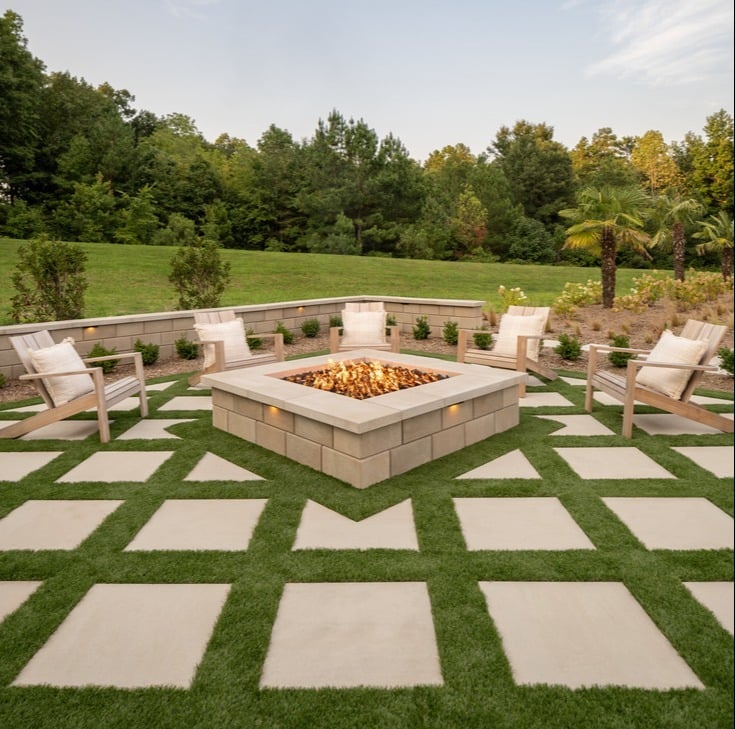
Fire pits come in many sizes and shapes. Choose one that fits your outdoor kitchen space. Round fire pits allow easy seating around. Square or rectangular pits fit well near counters. Small fire pits suit cozy areas. Larger fire pits can serve groups.
- Measure your outdoor kitchen space carefully
- Pick a size that leaves enough room for seating
- Match the shape to your kitchen layout
- Check local rules about fire pit size and placement
Credit: www.idealhome.co.uk
Designing Your Outdoor Kitchen Layout
Adding a fire pit to your outdoor kitchen creates a cozy and inviting space. Good design helps everything work well together.
Think about where to place the fire pit, how people move around, and safety rules. These details make your outdoor kitchen comfortable and safe.
Placement Of Fire Pit
Put the fire pit where it can be seen and enjoyed by everyone. It should be a focal point but not block access to cooking areas.
Choose a flat, stable surface away from plants or flammable materials. Make sure it fits well with your kitchen’s shape and size.
- Center fire pit in a seating area
- Keep it near but separate from cooking zones
- Use natural barriers like stone or brick for style
Traffic Flow And Seating Arrangement
Plan paths so people can move easily around the fire pit and kitchen. Avoid tight spaces that block movement.
Place seats around the fire pit with enough space to sit and walk. Arrange seating to encourage conversation and comfort.
- Leave at least 3 feet between seats and fire pit
- Create clear walkways of 3 to 4 feet wide
- Use a mix of chairs and benches for flexibility
Safety Distances And Regulations
Follow local rules about how far the fire pit must be from buildings and fences. Safety is key to avoid accidents.
Keep a fire extinguisher nearby and use non-flammable materials around the fire pit. Check for overhead branches or wires.
- Maintain at least 10 feet from structures
- Clear area of dry leaves and debris
- Check local fire codes and permits
Selecting Fuel Sources
Choosing the right fuel source for your outdoor kitchen fire pit is important. It affects how the fire pit looks, works, and feels. You should think about ease, cost, and safety before picking a fuel type.
Below are the main fuel options: wood, gas, and electric. Each has its own benefits and things to consider.
Wood-burning Fire Pits
Wood fire pits give a natural, classic feel with crackling sounds and a smoky aroma. They use real wood logs for fuel. This type needs more care and space for storage.
- Requires dry wood for best burning
- Needs proper ventilation and spark guards
- Creates smoke and ash that must be cleaned
- Good for traditional campfire experience
- Can be less convenient due to wood supply
Gas Fire Pits
Gas fire pits use propane or natural gas. They light quickly and burn cleanly. These fire pits offer good control over flame size and heat.
| Type | Fuel Source | Pros | Cons |
| Propane | Propane tank | Portable, easy to refill | Needs tank storage |
| Natural Gas | Home gas line | Unlimited fuel, no refills | Requires professional installation |
Electric Fire Pits
Electric fire pits use electricity to create flame effects. They need no real fuel or venting. These fire pits are easy to use and safe for many spaces.
- No smoke or sparks
- Works indoors and outdoors
- Requires nearby power outlet
- Lower heat output than wood or gas
- Flame effect looks artificial
Credit: www.extraspace.com
Integrating Fire Pit With Cooking Areas
Adding a fire pit to your outdoor kitchen can create a warm, inviting space. It also makes cooking and relaxing easier in one area.
Plan the layout carefully to connect the fire pit with your cooking zones. This helps with flow and safety.
Combining Fire Pit And Grill
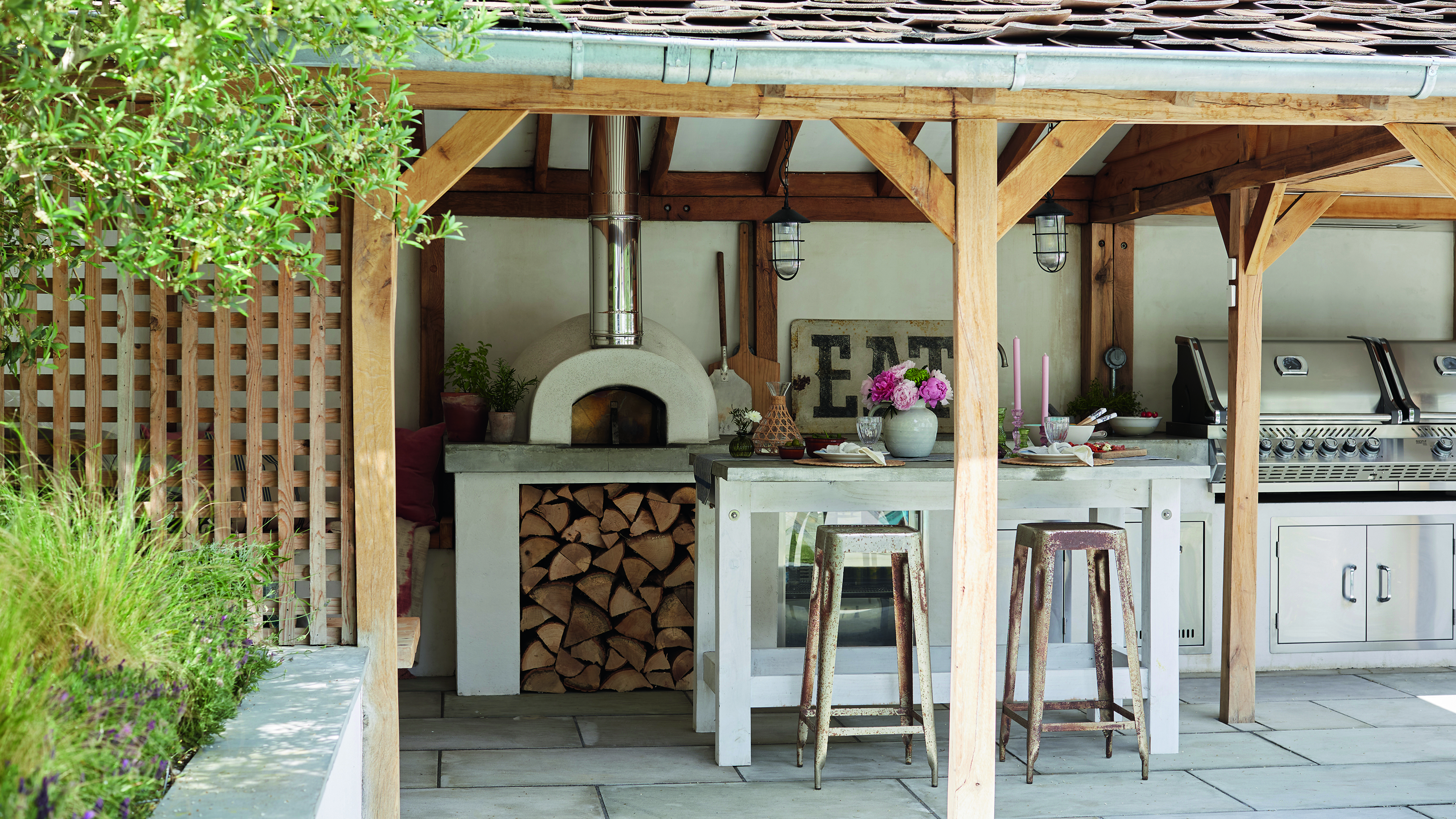
Place the fire pit near the grill to keep heat sources together. This makes it simple to cook and enjoy the fire.
Make sure there is enough space between the fire pit and grill to avoid accidents. Use fire-resistant materials for safety.
- Keep 3 to 5 feet between fire pit and grill
- Use stone or brick for heat protection
- Arrange seating around both for socializing
Creating Multi-functional Spaces
Design your outdoor kitchen to serve many purposes. A fire pit adds warmth, light, and a place to gather.
Use the fire pit area for cooking, relaxing, and entertaining guests. This saves space and increases use.
- Include seating that faces both fire pit and grill
- Add countertop space for prep and serving
- Use storage nearby for tools and supplies
- Choose furniture that is weather-resistant
Building Materials And Finishes
Adding a fire pit to your outdoor kitchen needs careful material choices. The materials must handle heat and weather well.
The finishes should also match your outdoor kitchen style. This will create a beautiful and functional space.
Heat-resistant Materials
Heat-resistant materials keep the fire pit safe and strong. They stop damage from high temperatures.
Common heat-resistant materials include stone, brick, and concrete. These materials hold up well against fire.
- Fire bricks are specially made for heat.
- Natural stone stays cool and looks good.
- Concrete can be molded and is strong.
- Steel and cast iron work well but may need coatings.
Aesthetic Choices
Choose materials and finishes that match your style. The fire pit should blend with the outdoor kitchen design.
Popular finishes include smooth polished stone or rough natural textures. Colors also make a big difference.
- Neutral colors fit many styles.
- Bold colors create a focal point.
- Mix materials for a unique look.
- Consider finishes that resist fading from sun.
Durability And Maintenance
Durable materials last longer and need less repair. Choose finishes that resist weather and stains.
Regular cleaning helps keep the fire pit safe and attractive. Some materials need sealing to prevent cracks.
- Stone and brick resist cracking and fading.
- Concrete needs sealing to avoid water damage.
- Metal parts may need rust protection.
- Clean ashes and debris often.
Installing Utilities And Safety Features
Adding a fire pit to your outdoor kitchen makes it cozy and useful. Proper utility installation and safety are key. This guide covers gas, electricity, and fire safety tips.
Following the right steps keeps your fire pit safe and functional. You can enjoy your outdoor space with peace of mind.
Gas Line Installation
Gas lines must be installed by a licensed professional. The gas supply should meet local codes and regulations. Use durable piping to avoid leaks and damage.
Keep the gas line away from heat sources and sharp objects. Test all connections for leaks before use. Use a shut-off valve near the fire pit for quick control.
- Hire a certified plumber or gas technician
- Use approved materials for gas piping
- Install a shut-off valve within reach
- Check for leaks with soapy water test
- Follow local building codes strictly
Electrical Connections
Electricity powers lighting and accessories around your fire pit. Use outdoor-rated wiring and fixtures. Protect connections with waterproof covers.
Install a ground-fault circuit interrupter (GFCI) for safety. All electrical work should follow the National Electrical Code. Hire an electrician if unsure about wiring.
- Use outdoor-rated cables and outlets
- Install GFCI protection on circuits
- Seal connections to keep moisture out
- Keep wiring away from heat and water
- Consult a licensed electrician for installation
Fire Safety Measures
Safety is crucial with any fire feature. Keep the fire pit at least 10 feet from structures and trees. Use non-flammable materials around the fire pit area.
Have a fire extinguisher or water source nearby. Never leave the fire unattended. Clear the area of leaves, debris, and flammable liquids before lighting the fire.
- Maintain a safe distance from buildings and plants
- Use stone, brick, or metal for the fire pit base
- Keep a fire extinguisher or hose ready
- Never leave fire unattended
- Clear debris and flammable items regularly
Enhancing Ambiance And Comfort
Adding a fire pit to your outdoor kitchen creates a warm and inviting space. It brings light, heat, and a cozy feeling.
The fire pit makes your outdoor kitchen perfect for evening gatherings. It helps guests relax and enjoy the outdoors.
Lighting Options
Good lighting around the fire pit enhances the mood and safety. Choose lights that match your style and needs.
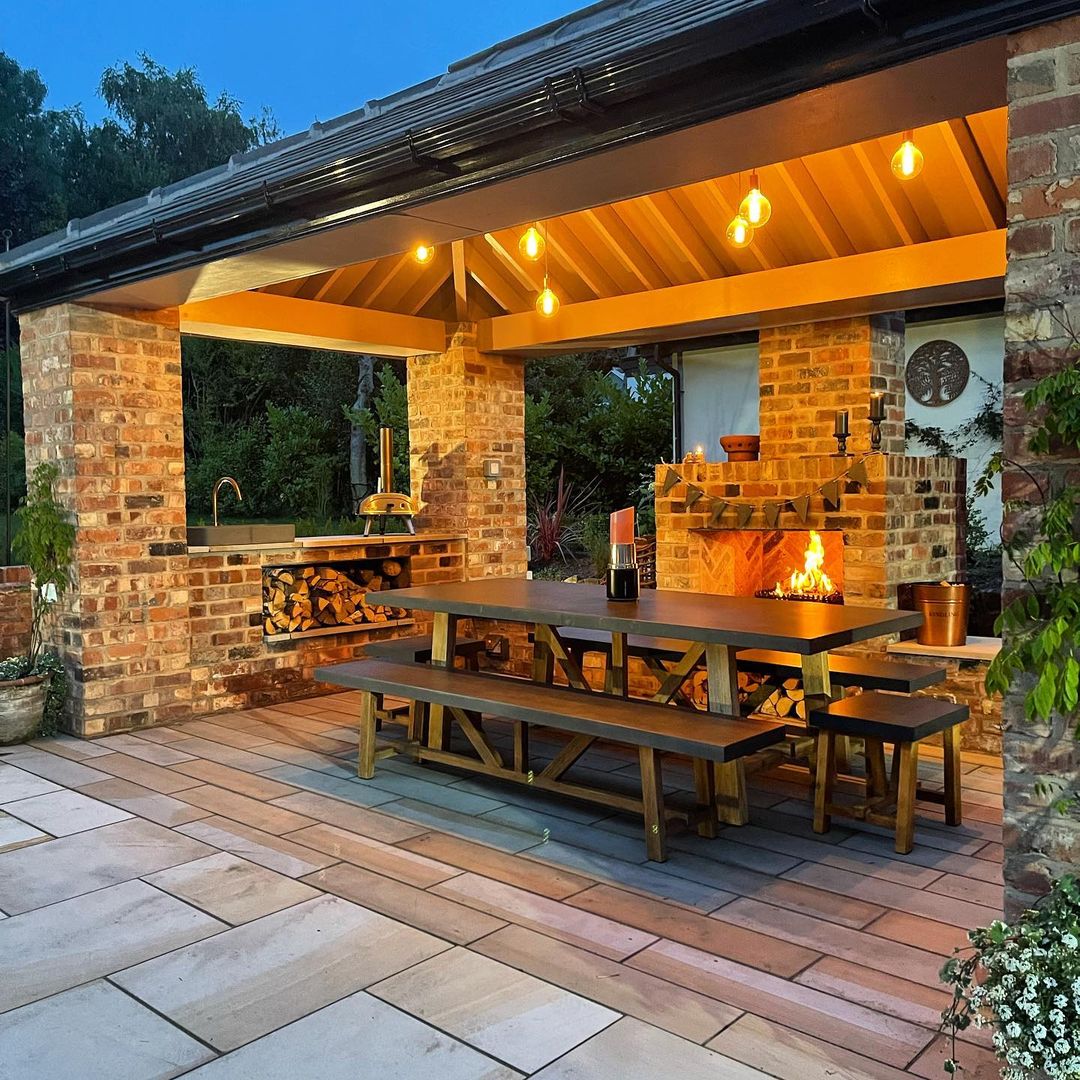
Soft, warm lights work well with fire pits. They create a calm and cozy atmosphere without being too bright.
- String lights add a festive and gentle glow
- Path lights guide guests safely around the area
- Built-in LED lights create a modern look
- Candle lanterns add charm and warmth
Seating Styles
Choose seating that invites people to gather around the fire pit. Comfort and style matter.
Arrange seats so everyone can see the fire. Use cushions and pillows for extra comfort.
- Built-in benches save space and look neat
- Outdoor sofas offer soft seating for groups
- Individual chairs give flexibility and easy movement
- Use weatherproof cushions to keep seats comfy
Weather Protection
Protect your fire pit and seating area from rain and wind. This keeps your space usable longer.
Use covers and shelters to guard against bad weather. This adds comfort and protects your investment.
- Install a pergola or gazebo above the fire pit
- Use weather-resistant covers for the fire pit
- Add windbreaks like screens or plants
- Choose furniture made from durable, weatherproof materials
Maintaining Your Fire Pit
Keeping your fire pit clean and cared for helps it last longer. Regular maintenance keeps it safe and looking good.
This guide covers simple steps for cleaning, seasonal care, and fixing common problems.
Cleaning Tips
Clean your fire pit after each use. Remove ashes and debris to avoid buildup. Use a soft brush or cloth for the surface.
- Wait until the fire pit is completely cool.
- Remove all ashes and leftover wood.
- Wipe down with mild soap and water.
- Rinse and dry thoroughly to prevent rust.
- Check for cracks or damage while cleaning.
Seasonal Care
Protect your fire pit during off-season months. Cover it or store it in a dry place to avoid weather damage.
| Season | Care Tip |
| Winter | Use a waterproof cover and clear snow regularly. |
| Spring | Inspect for rust and clean before use. |
| Summer | Keep dry and clean after use. |
| Fall | Remove leaves and cover when not in use. |
Troubleshooting Common Issues
If your fire pit does not light or stays smoky, check for airflow problems. Blocked vents can cause poor burning.
- Clear ash from vents to improve air flow.
- Use dry wood to reduce smoke.
- Inspect the gas line for leaks if using gas.
- Check for cracks and repair with heat-resistant materials.
Frequently Asked Questions
How Do I Choose The Right Fire Pit Size?
Selecting the correct fire pit size depends on your outdoor kitchen space. Measure the available area and consider seating arrangements. A medium-sized fire pit, around 36 to 44 inches in diameter, typically suits most outdoor kitchens. Ensure there’s ample space for movement and safety.
What Materials Are Best For Outdoor Fire Pits?
Outdoor fire pits are commonly made from steel, cast iron, or stone. Steel offers durability and a modern look, while cast iron retains heat well. Stone provides a natural, rustic appearance. Consider your outdoor kitchen’s aesthetics and maintenance needs when choosing the material.
How Can I Ensure Fire Pit Safety?
Place your fire pit on a level, non-flammable surface, like stone or concrete. Maintain a safe distance from flammable materials. Keep a fire extinguisher nearby. Regularly check for gas leaks if using a gas fire pit. Always supervise the fire when lit.
Can I Integrate A Fire Pit With My Existing Kitchen?
Yes, you can seamlessly integrate a fire pit. Consider your kitchen layout and choose a design that complements it. Ensure proper ventilation and adhere to building codes. Consulting a professional can help ensure a safe and aesthetic integration.
Conclusion
Adding a fire pit to your outdoor kitchen creates a warm, inviting space. It brings friends and family together for cozy evenings. Choose the right spot and style to match your kitchen. Keep safety in mind while installing it. A fire pit adds both function and charm to your backyard.
Enjoy cooking, chatting, and relaxing around the fire. Your outdoor kitchen becomes a perfect place for all seasons. Simple steps lead to great outdoor fun and comfort.