
Are you torn between choosing a Kamado grill or a traditional smoker for your next cookout? Both have their fans and unique perks, but which one truly fits your style and needs?
Imagine savoring perfectly smoked ribs or juicy grilled steaks, made easier and tastier by the right equipment. You’ll discover the key differences, benefits, and potential downsides of each option. By the end, you’ll have a clear idea of which grill suits your cooking goals and helps you become the backyard hero you want to be.
Ready to find out which one wins your heart—and your next barbecue? Keep reading!
Kamado Grill Basics
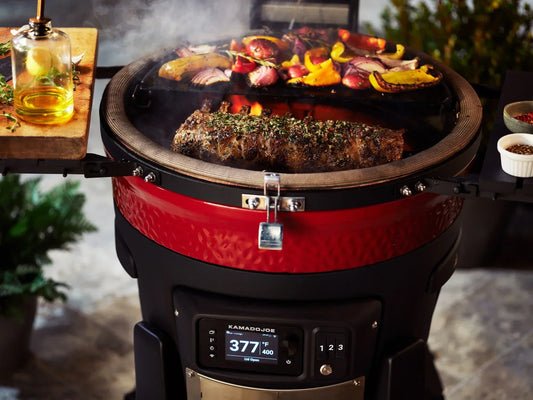
Kamado grills are ceramic cookers used for grilling and smoking. They have a unique shape that helps cook food evenly.
These grills offer versatility and can be used for many cooking styles. They differ from traditional smokers in design and function.
Design And Construction
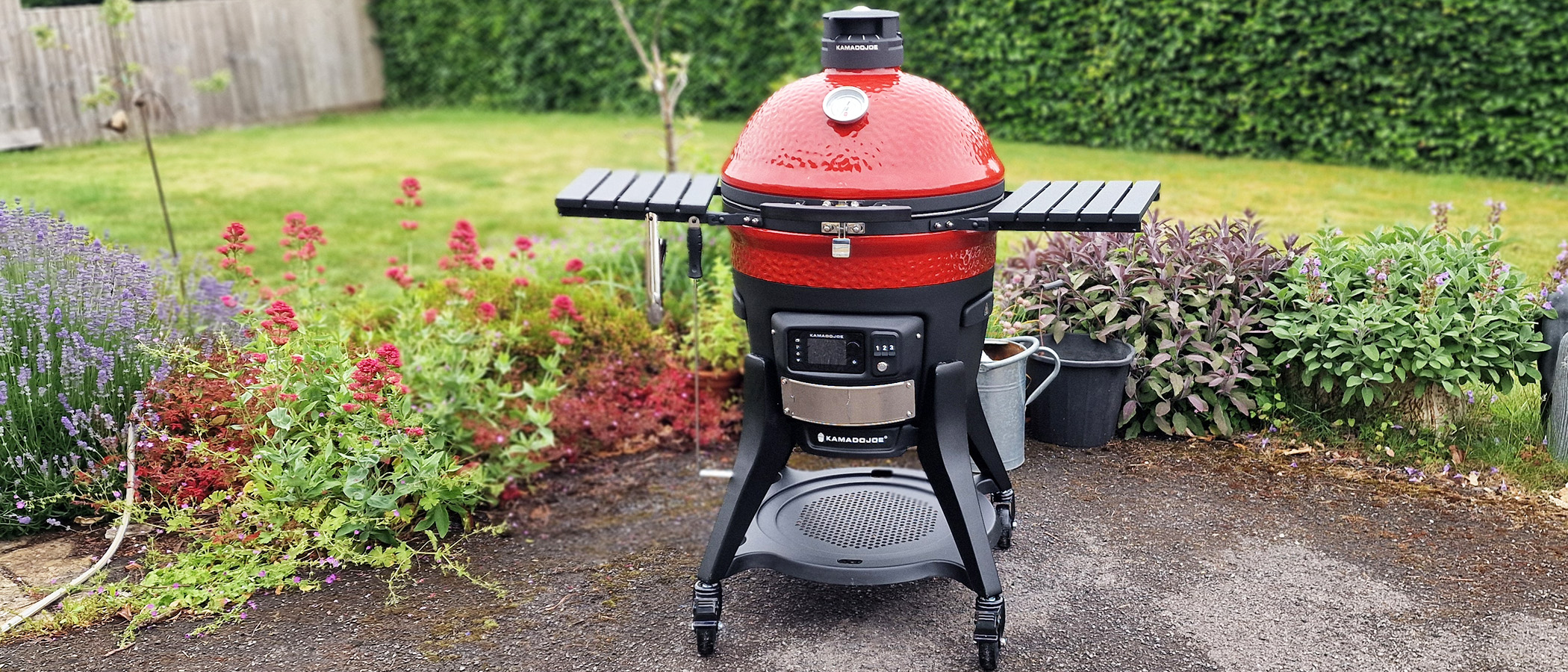
Kamado grills are usually egg-shaped and made from thick ceramic. This design helps keep heat inside the grill for long times.
The heavy ceramic walls also protect the grill from weather and help it last for many years. Traditional smokers often use metal bodies instead.
Heat Retention And Control
Kamado grills hold heat very well because of their ceramic material. This allows for steady cooking at low or high temperatures.
They have adjustable vents to control airflow. This helps control the temperature inside the grill more precisely than many traditional smokers.
- Thick ceramic holds heat evenly
- Top and bottom vents adjust air flow
- Stable temperatures for long cooking times
Fuel Types
Kamado grills mostly use lump charcoal for fuel. Lump charcoal burns hotter and cleaner than briquettes.
Traditional smokers can use wood, charcoal, or propane. Kamado grills focus on charcoal to get the best heat and flavor.
- Lump charcoal is the main fuel for kamado grills
- Charcoal burns hot and adds smoky flavor
- Traditional smokers may use wood chunks or gas

Credit: abell.co.uk
Traditional Smoker Essentials
Traditional smokers cook food slowly using smoke and low heat. They give food a unique smoky flavor. Learning about key parts helps you use them well.
This guide covers types of smokers, fuel and smoke control, and ways to manage temperature.
Common Types Of Smokers
There are many smoker types. Each one works in a different way. Choose one that fits your cooking style and space.
- Offset Smokers:Use a firebox on the side. Heat and smoke flow into the cooking chamber.
- Vertical Water Smokers:Have a water pan below the food. Water helps keep heat steady and adds moisture.
- Bullet Smokers:Tall and cylindrical. They use charcoal at the bottom with food above.
- Cabinet Smokers:Box-shaped and can be electric or charcoal. They keep heat and smoke inside well.
Fuel And Smoke Management
Fuel choice affects flavor and cooking time. Wood, charcoal, or a mix can be used. Managing smoke means controlling how much and what type of wood burns.
| Fuel Type | Description | Flavor Impact |
| Charcoal | Burns hot and long | Neutral smoky taste |
| Hardwood | Burns slower with rich smoke | Strong, natural smoke flavor |
| Softwood | Burns fast, not ideal for food | Can taste bitter or harsh |
| Wood Chips | Used for quick smoke bursts | Adds mild smoke flavor |
Temperature Control Methods
Keeping a steady temperature is key. You adjust airflow and fuel to keep heat right. Check vents and add fuel carefully.
- Use dampers to control oxygen flow.
- Add charcoal or wood in small amounts.
- Use a water pan to stabilize heat.
- Check temperature with a smoker thermometer.
Cooking Performance
Choosing between a Kamado grill and a traditional smoker affects how your food cooks. Each tool has a unique way of heating and smoking food.
Understanding their cooking performance helps you pick the right one for your needs.
Flavor Profiles
Kamado grills use ceramic walls to keep heat steady. This creates a smoky flavor with a rich, smoky crust on meats. Traditional smokers offer a deeper smoke taste because they use wood chips directly on the heat source.
- Kamado grills add a subtle smoke flavor.
- Traditional smokers provide a strong, smoky taste.
- Kamados keep moisture better for juicier food.
- Traditional smokers allow for varied wood types to change flavor.
Cooking Times
Kamado grills heat quickly and keep temperatures steady. This reduces cooking time for many foods. Traditional smokers heat slower but cook food evenly over long hours.
| Type | Heat Up Time | Typical Cooking Time |
| Kamado Grill | 15-30 minutes | 1-4 hours |
| Traditional Smoker | 30-60 minutes | 4-12 hours |
Versatility In Cooking Styles
Kamado grills handle many cooking styles. You can grill, roast, bake, or smoke food. Traditional smokers focus mostly on low and slow smoking.
Here are some cooking styles and how each tool performs:
- Grilling:Kamado excels, traditional smokers do not grill well.
- Smoking:Both do well, but smokers specialize in this.
- Baking:Kamado can bake bread and pizza; traditional smokers cannot.
- Roasting:Kamado offers better control for roasting.
Ease Of Use
Choosing between a Kamado grill and a traditional smoker depends on how easy they are to use. Both have unique features that affect setup, learning, and moving them around.
This guide will compare their ease of use in three key areas: setup and maintenance, learning curve, and portability.
Setup And Maintenance
Kamado grills are made from ceramic, which holds heat well but needs careful handling. Setting up a Kamado requires arranging charcoal and controlling vents.
Traditional smokers vary by type, but many use wood or charcoal and have simpler parts. Cleaning a smoker is usually easier because of simpler design.
- Kamado grills need regular ash removal and vent cleaning.
- Traditional smokers often have water pans that require refilling and cleaning.
- Kamados need careful care to avoid cracks in ceramic.
- Smokers may need chimney cleaning depending on use.
Learning Curve
Kamado grills can be tricky at first. Controlling temperature means adjusting air flow through vents. This takes practice to get right.
Traditional smokers work by controlling fire and smoke. Learning to maintain a steady temperature is easier with some models but still needs patience.
| Feature | Kamado Grill | Traditional Smoker |
| Temperature Control | Vents adjust airflow | Fire management and water pan |
| Time to Learn | Moderate to high | Low to moderate |
| Skill Needed | Understanding heat retention | Fire tending and smoke control |
Portability
Kamado grills are heavy due to ceramic parts. Moving them needs strong support or wheels. They are best kept in one spot.
Traditional smokers come in many sizes. Some are light and easy to carry. Others are large but still more portable than Kamados.
- Kamado grills often weigh over 100 pounds.
- Some smokers weigh less than 50 pounds.
- Smokers with handles and wheels are easier to move.
- Kamado grills require a stable, flat surface.
Cost And Value
Choosing between a Kamado grill and a traditional smoker involves looking at cost and value. Both have benefits and expenses that affect your budget over time.
This guide breaks down the initial cost, ongoing expenses, and resale value of each option.
Initial Investment
Kamado grills usually cost more upfront. They use ceramic, which adds to the price but helps with heat retention. Traditional smokers often start at a lower price and come in many styles.
- Kamado grills cost between $500 and $2,000.
- Traditional smokers range from $200 to $1,000.
- Kamado grills may include more accessories.
- Traditional smokers may need extra parts for better control.
Long-term Expenses
Both grills need fuel and maintenance. Kamado grills use lump charcoal, which lasts longer but costs more. Traditional smokers can use charcoal or wood, which may cost less.
| Expense Type | Kamado Grill | Traditional Smoker |
|---|---|---|
| Fuel | Lump charcoal (higher cost, longer burn) | Charcoal or wood (variable cost) |
| Maintenance | Ceramic can last many years, but cracks are costly | Metal parts may rust, need painting or replacement |
| Accessories | Limited but durable accessories needed | More accessories may be required over time |
Resale Potential
Kamado grills keep value well because they are durable and popular. Traditional smokers may lose value faster due to wear and variety.
Here are key points to consider:
- Kamado grills often sell for 60%–80% of original price if well cared for.
- Traditional smokers sell for 40%–70%, depending on condition.
- Brand and model affect resale for both types.
- Accessories and extras can increase resale value.
Best Use Cases
Kamado grills and traditional smokers are popular for outdoor cooking. Each has strengths for different cooking styles.
Choosing the right one depends on what you want to cook and how you like to cook it.
Ideal Users For Kamado Grills
Kamado grills are great for cooks who want a versatile tool. They can grill, smoke, and bake with one device.
They work well for people who like fast cooking and want to switch between heat levels easily.
- People who enjoy grilling steaks and burgers quickly
- Cooks who like slow smoking but also want to grill
- Users who want to bake pizzas or bread outdoors
- Those who prefer a compact, easy-to-move grill
Ideal Users For Traditional Smokers
Traditional smokers suit users who focus on low and slow cooking. They give consistent smoke flavor over hours.
They are best for cooks who prepare large amounts of meat or want classic smoked dishes.
- BBQ lovers who cook large briskets or pork shoulders
- People who want deep, smoky flavors in their food
- Users who enjoy long cooking sessions and don’t rush
- Those who prefer separate fireboxes or water pans for control
Common Challenges
Both Kamado grills and traditional smokers offer unique ways to cook food slowly and add smoky flavors. Each has its own challenges that can affect your cooking experience.
Understanding the common drawbacks helps you pick the right tool for your needs and avoid frustration during cooking.
Potential Drawbacks Of Kamado Grills
Kamado grills use thick ceramic walls to keep heat and moisture in. This design brings benefits but also some issues to consider.
- Heavy and hard to move due to ceramic build
- Long heat-up time compared to other grills
- Requires careful air vent control for temperature
- Can crack if exposed to sudden temperature changes
- Limited cooking space inside the grill
Potential Drawbacks Of Traditional Smokers
Traditional smokers come in many types, but they share some common challenges that can make smoking tricky for beginners.
| Drawback | Description |
|---|---|
| Temperature control | Needs constant monitoring and adjustment to keep steady heat |
| Smoke management | Hard to maintain clean smoke without bitterness |
| Size and portability | Can be bulky and difficult to move or store |
| Long cooking times | Requires patience and planning for low and slow cooking |
| Fuel use | Consumes more wood or charcoal compared to other devices |
Credit: www.tomsguide.com
Making The Choice
Choosing between a Kamado grill and a traditional smoker can be tricky. Each has its strengths and suits different cooking needs.
This guide helps you understand the key points to think about before picking one for your BBQ style.
Factors To Consider
Both Kamado grills and traditional smokers offer unique cooking methods. Consider these factors to find what fits you best.
- Heat Control:Kamado grills have thick ceramic walls for steady heat. Traditional smokers use charcoal or wood with adjustable vents.
- Cooking Time:Kamado grills heat faster and can grill or smoke. Traditional smokers take longer but give deep smoky flavors.
- Fuel Type:Kamado grills use lump charcoal. Traditional smokers can use wood chunks, pellets, or charcoal.
- Portability:Kamado grills are heavy and less portable. Traditional smokers vary in size and weight.
- Maintenance:Kamado grills need less ash cleaning. Traditional smokers may require more upkeep due to ash and grease.
Matching Grill To Bbq Style
Your BBQ style helps decide which grill suits you. Look at the cooking methods and foods you enjoy.
| BBQ Style | Kamado Grill | Traditional Smoker |
| High-Heat Grilling | Excellent for searing steaks and burgers quickly. | Not ideal, slower heat buildup. |
| Low and Slow Smoking | Good for smoking smaller meats with steady heat. | Best choice for long smoking sessions and large cuts. |
| Versatility | Can grill, smoke, bake, and roast in one unit. | Primarily for smoking, less flexible. |
| Flavor Profile | Provides smoky flavor with control over smoke intensity. | Offers rich, deep smoke flavor from various woods. |

Credit: www.kamadojoe.com
Frequently Asked Questions
What Is A Kamado Grill?
A Kamado grill is a versatile, egg-shaped cooking device. It’s made from ceramic or heavy steel and excels in heat retention. It can grill, smoke, bake, and roast, offering diverse cooking methods. Its design allows for precise temperature control, making it ideal for various culinary tasks.
How Does A Traditional Smoker Work?
A traditional smoker uses indirect heat to cook food slowly. It burns wood or charcoal to create smoke, infusing food with flavor. The cooking chamber maintains low temperatures for extended periods, ideal for smoking meats. Its design prioritizes consistent smoke flow and temperature control.
Which Is Better For Smoking Meats?
Both Kamado grills and traditional smokers excel at smoking meats. Kamado grills offer versatility and heat retention, while traditional smokers provide authentic smoky flavors. Choice depends on personal preference and cooking style. Kamado grills are more versatile, while traditional smokers specialize in classic smoking.
Are Kamado Grills Fuel-efficient?
Yes, Kamado grills are fuel-efficient due to their design. They retain heat effectively, requiring less fuel for cooking. The ceramic or heavy steel construction aids in maintaining consistent temperatures. This efficiency makes them cost-effective over time and ideal for long cooking sessions.
Conclusion
Choosing between a Kamado grill and a traditional smoker depends on your cooking style. Kamado grills heat up fast and hold temperature well. Traditional smokers offer slow, even cooking with rich smoke flavor. Both can make delicious food, but each has unique strengths.
Think about your needs and how much time you want to spend cooking. Either way, you can enjoy tasty meals with the right choice. Experiment and find what fits you best. Great BBQ is possible with both tools.