
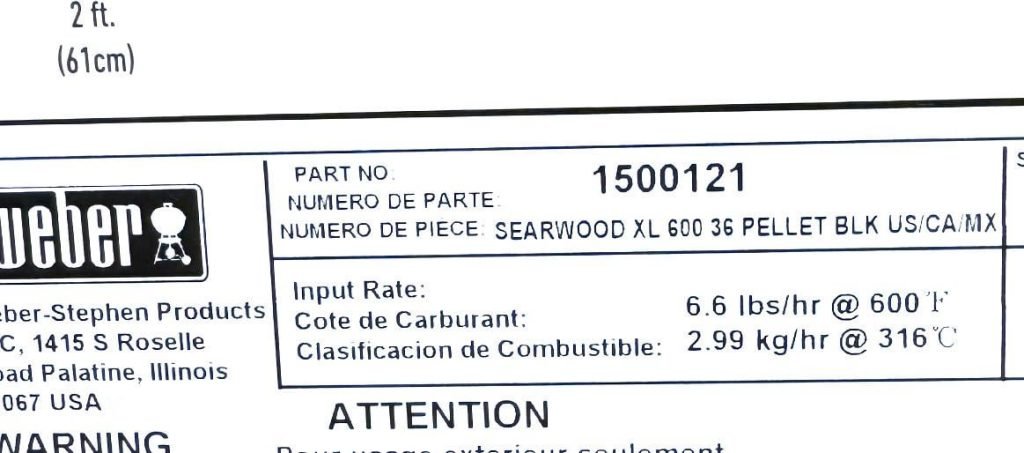
Are you curious about how much pellet fuel your stove or grill uses every hour? Knowing the average pellet consumption per hour can help you manage costs better and keep your home or cooking running smoothly.
Whether you want to save money, plan your fuel supply, or simply understand your device’s efficiency, this guide will give you clear answers. Keep reading to discover the simple facts that will make your pellet use smarter and more predictable.
Pellet Consumption Basics
Pellet stoves use small wood pellets for fuel. These pellets burn to provide heat in homes.
Understanding pellet consumption helps you manage costs and keep the stove running well.
What Affects Pellet Usage
Pellet usage depends on several factors. The stove size and heat setting change how fast pellets burn.
Room size and outdoor temperature also affect how much fuel you need each hour.
- Stove heat output level
- Room or house size
- Outside weather temperature
- Pellet quality and moisture
- Stove maintenance and efficiency
Types Of Pellets And Their Impact
Pellets come in different types based on wood and quality. These types change how well the stove burns.
Higher quality pellets burn longer and cleaner. Lower quality pellets may use more fuel and create more ash.
| Pellet Type | Burn Quality | Fuel Efficiency | Ash Production |
|---|---|---|---|
| Premium Hardwood | High | High | Low |
| Softwood | Medium | Medium | Medium |
| Mixed Pellets | Low | Low | High |

Credit: www.greenwashingindex.com
Measuring Pellet Consumption
Knowing how many pellets your stove uses helps save money and fuel. You can track this by measuring pellet consumption regularly.
Measuring pellet use tells you how efficient your stove is. It also helps plan pellet purchases better.
Tools For Accurate Measurement
Use the right tools to measure pellets accurately. This avoids guesswork and gives clear data.
- Digital scale for weighing pellets
- Measuring container for volume checks
- Timer to track stove running hours
- Notebook or app for recording data
Calculating Hourly Usage
To find hourly pellet use, weigh pellets before and after a set time. Divide the difference by hours used.
| Step | Action | Example |
|---|---|---|
| 1 | Weigh pellets before use | 5 kg |
| 2 | Run stove for 2 hours | 2 hours |
| 3 | Weigh pellets after use | 3.5 kg |
| 4 | Calculate difference | 5 – 3.5 = 1.5 kg |
| 5 | Divide by hours | 1.5 kg ÷ 2 hours = 0.75 kg/hour |
Factors Influencing Consumption Rates
Pellet stoves use different amounts of pellets each hour. This depends on many factors. Knowing these can help you understand your stove’s fuel use.
Changes in stove size, temperature settings, and fuel quality all affect pellet consumption. Each factor changes how fast pellets burn.
Stove Size And Design
Larger stoves burn more pellets per hour. They have bigger fireboxes and higher heat output. Smaller stoves use less fuel but heat less space.
Design also matters. Efficient stoves burn pellets slower and use less fuel. Poor design can cause pellets to burn faster and waste fuel.
- Big stove = higher pellet use
- Small stove = lower pellet use
- Good design = less fuel needed
- Bad design = more fuel wasted
Temperature Settings
Higher temperature settings make the stove burn more pellets. The stove works harder to keep the room warm. Lower settings save fuel but produce less heat.
Changing the temperature affects how fast pellets are used each hour. Setting your stove just right helps balance warmth and fuel use.
- High temperature = more pellets burned
- Low temperature = less fuel used
- Moderate setting saves pellets
Fuel Quality
Good quality pellets burn longer and cleaner. They have less ash and moisture. Low quality pellets burn fast and waste fuel.
Using high-quality pellets can reduce how many you use per hour. Poor pellets may cause your stove to use more fuel and need cleaning.
- High quality = burns efficiently
- Low quality = burns quickly
- Better pellets save fuel
- Poor pellets increase consumption

Credit: www.pellet.com.au
Optimizing Pellet Efficiency
Using pellets efficiently saves fuel and keeps your home warm longer. Understanding how to manage pellet consumption can help you get the most from your stove.
Small changes in stove care and settings affect how fast pellets burn. This guide explains key ways to improve pellet use.
Proper Stove Maintenance
Cleaning your pellet stove regularly keeps it working well. Dirt and ash buildup can slow down heat output and use more pellets.
- Empty the ash pan after each use
- Clean the burn pot weekly
- Check and clean the heat exchanger monthly
- Inspect door seals for damage
- Schedule professional service yearly
Adjusting Airflow And Settings
Correct airflow controls how pellets burn inside the stove. Adjusting settings helps balance heat and fuel use.
| Setting | Effect on Pellet Use |
| Air Intake | More air burns pellets faster |
| Feed Rate | Higher feed burns more pellets per hour |
| Thermostat | Lower setting reduces pellet consumption |
| Fan Speed | Controls heat distribution and efficiency |
Choosing The Right Pellets
Pellet quality affects how long they burn and the heat they produce. Choosing the right pellets helps reduce waste.
- Use pellets with low moisture content
- Pick pellets made from pure wood, no fillers
- Check for pellets with consistent size and shape
- Avoid pellets with high ash content
- Store pellets in a dry place
Comparing Pellet Consumption Across Models
Pellet stoves vary in how much fuel they use each hour. Knowing the average pellet consumption helps you plan fuel purchases and control costs.
This guide compares pellet use across popular stove brands and looks at efficiency ratings. This helps you find the best fit for your needs.
Popular Stove Brands
Different stove brands have different pellet consumption rates. Some models use less fuel while still giving good heat output.
- Brand A: Uses about 1.5 pounds of pellets per hour.
- Brand B: Consumes around 2 pounds per hour but offers higher heat.
- Brand C: Efficient models use between 1 and 1.8 pounds per hour.
- Brand D: Known for lower consumption, averaging 1.2 pounds per hour.
Efficiency Ratings
Efficiency ratings show how well a stove converts pellets into heat. Higher ratings mean better fuel use and less waste.
| Model | Pellet Consumption (lbs/hour) | Efficiency (%) |
| Model X | 1.4 | 85 |
| Model Y | 1.9 | 78 |
| Model Z | 1.1 | 90 |
| Model W | 1.6 | 82 |
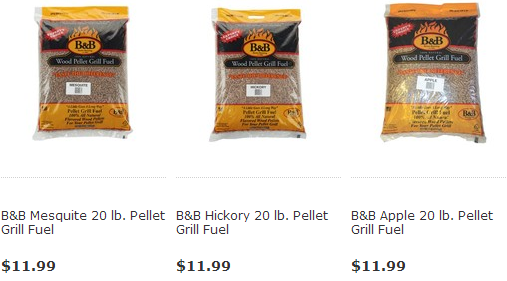
Credit: medium.com
Cost Implications Of Pellet Usage
Pellet stoves use wood pellets as fuel. The amount used per hour affects how much you spend.
Knowing your pellet consumption helps control heating costs and plan your budget better.
Estimating Monthly Fuel Costs
Average pellet consumption is about 1.5 to 3 pounds per hour. The price per bag varies by location.
To estimate monthly costs, multiply your daily use by the pellet price and days used.
- Find your stove’s average pellets used per hour
- Multiply by hours used each day
- Multiply by price per pound or bag
- Multiply by number of days in the month
Budgeting Tips
Track your pellet use to avoid running out or overspending. Buy pellets in bulk to save money.
Store pellets in a dry place. This keeps them burning efficiently and reduces waste.
- Keep a log of daily pellet use
- Compare prices from different suppliers
- Buy larger bags or bulk when prices are low
- Store pellets away from moisture
Environmental Impact Of Pellet Consumption
Pellet consumption affects the environment in many ways. It is important to understand these effects to reduce harm.
Using pellets wisely can help lower pollution and save resources. Let’s look at key points about their impact.
Carbon Footprint Considerations
Burning pellets releases carbon dioxide into the air. This adds to the greenhouse gases that cause climate change.
Pellets can have a smaller carbon footprint than fossil fuels if made and used properly. The source and transport matter a lot.
- Pellets made from waste wood reduce carbon emissions.
- Long transport distances increase carbon output.
- Efficient stoves use less pellets and produce less carbon.
Sustainable Pellet Sources
Sustainable pellets come from forests or plants that are managed well. This means trees are replaced and habitats are protected.
Using pellets from certified sources helps keep forests healthy. It also supports renewable energy goals.
- Certified wood pellets ensure responsible forest management.
- Pellets made from agricultural waste reduce land use impact.
- Local pellet production lowers transportation emissions.
Frequently Asked Questions
How Much Pellets Do Stoves Consume Hourly?
Pellet stoves typically consume about 1 to 5 pounds of pellets per hour. The exact consumption depends on the stove model and settings. Efficient stoves with proper settings can optimize fuel use, reducing costs. Regular maintenance also plays a crucial role in minimizing pellet usage.
What Affects Pellet Consumption Rates?
Pellet consumption is influenced by stove efficiency, temperature settings, and insulation quality. High-efficiency stoves use fewer pellets. Lower temperature settings reduce consumption. Good home insulation minimizes heat loss, further reducing pellet usage. Regular cleaning and maintenance also ensure optimal performance and efficiency.
Can Pellet Quality Impact Consumption?
Yes, pellet quality significantly impacts consumption rates. High-quality pellets burn more efficiently, producing more heat per pound. Low-quality pellets may contain more moisture and impurities, causing increased consumption. Opting for premium-grade pellets can enhance stove performance and reduce overall pellet usage.
Is Hourly Pellet Consumption Cost-effective?
Hourly pellet consumption can be cost-effective compared to traditional heating fuels. Efficient stoves and quality pellets optimize fuel usage, reducing costs. Pellet heating often offers a stable, lower price than oil or gas. The savings are more significant with proper maintenance and efficient operation.
Conclusion
Understanding average pellet consumption per hour helps manage fuel use wisely. Knowing how many pellets burn keeps your stove efficient and saves money. Small changes can reduce waste and improve heat output. Watching your pellet use also helps plan refills better.
Keep an eye on your stove’s settings for best results. This way, you stay warm without extra cost or effort. Simple habits make a big difference in pellet use. Stay informed and enjoy cozy, steady heat all season.