
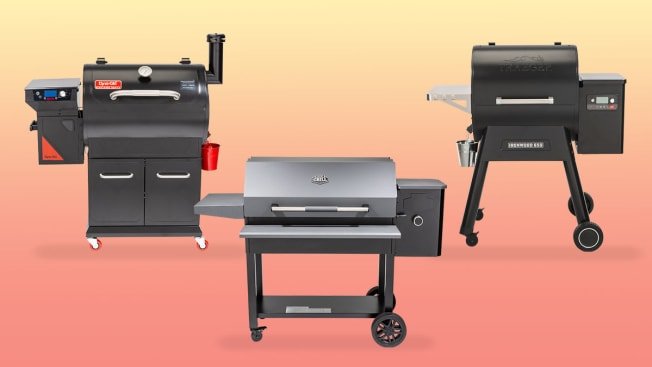
Are you torn between choosing a Kamado grill or a Traeger pellet smoker for your backyard cooking? Both promise delicious meals and smoky flavors, but each offers a unique way to bring out the best in your food.
Understanding the key differences can save you time, money, and frustration. You’ll discover which grill fits your style and cooking needs perfectly. Keep reading to make a choice that will elevate your grilling game every time.
Kamado Grill Basics
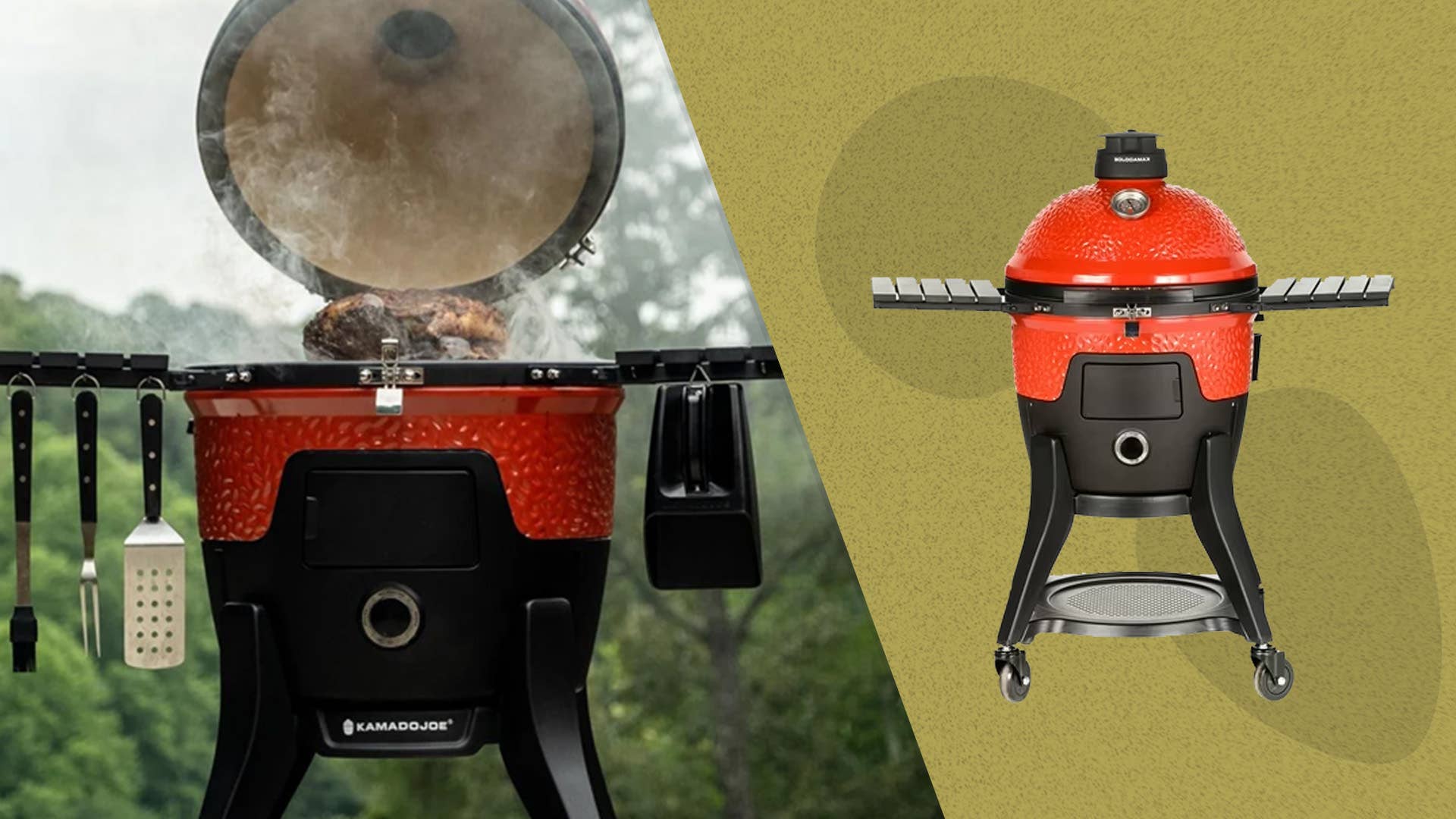
Kamado grills are ceramic cookers that use charcoal as fuel. They are popular for slow cooking and grilling.
These grills keep heat well and let you cook food evenly. They can work like smokers or regular grills.
Design And Construction
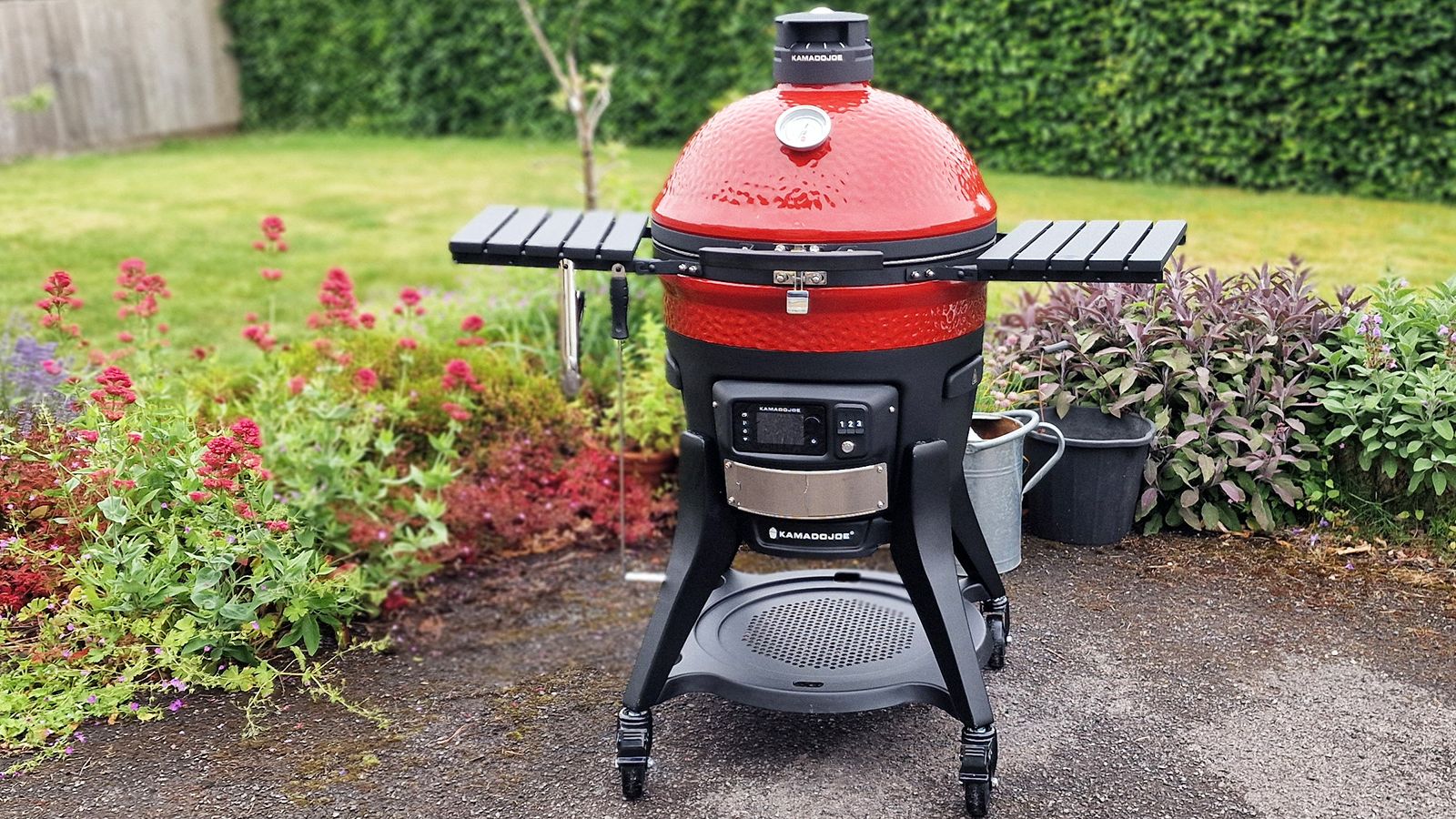
Kamado grills have a thick ceramic body. This material holds heat and moisture inside the grill.
The shape is usually egg-like or round. This design helps air flow and keeps temperature steady.
- Thick ceramic walls for heat retention
- Egg or dome shape for even cooking
- Heavy lid to lock in smoke and heat
Fuel And Heat Source
Kamado grills use lump charcoal as fuel. This charcoal burns hot and adds smoky flavor to food.
You can add wood chips to boost the smoke taste. Charcoal provides a natural heat source for grilling and smoking.
- Lump charcoal burns hotter and cleaner
- Wood chips add extra smoke flavor
- No electricity needed for fuel
Temperature Control
Kamado grills have adjustable vents on top and bottom. These vents let you control the airflow and heat level.
Opening vents increases temperature. Closing vents lowers heat. This system helps keep steady cooking temperatures.
- Bottom vent controls air intake
- Top vent controls air exhaust
- Adjust vents to keep steady heat
Credit: www.mensjournal.com
Traeger Pellet Smoker Basics
Traeger pellet smokers cook food using wood pellets. They offer a simple way to smoke and grill. Understanding their basics helps you use them better.
This guide covers how Traeger pellet smokers work, their fuel type, and how they manage temperature.
How It Works
Traeger pellet smokers use an electric system to feed wood pellets into a firepot. A fan helps burn the pellets evenly. This process creates smoke and heat to cook food gently.
Fuel Type
These smokers use compressed hardwood pellets as fuel. Pellets come in flavors like hickory, mesquite, or apple. They give food a smoky taste.
- Made from sawdust and wood scraps
- Burn clean with less ash
- Easy to store and handle
- Available in many flavors
- Provide consistent heat for cooking
Temperature Management
Traeger smokers use a digital controller to keep the temperature steady. You set the desired heat, and the smoker adjusts pellet feeding and airflow.
| Feature | Function |
| Digital Controller | Maintains set temperature |
| Auger | Feeds pellets into firepot |
| Fan | Circulates heat and smoke |
| Firepot | Burns pellets for heat |
Flavor Profiles
Kamado grills and Traeger pellet smokers offer different flavor experiences. Each uses unique cooking methods and fuel types. These factors shape how food tastes after cooking.
Understanding the flavor profiles helps you pick the right grill or smoker for your cooking style. Let’s explore how smoke intensity, wood pellet varieties, and overall taste impact differ.
Smoke Intensity
Kamado grills use lump charcoal and can produce very strong smoke flavors. The ceramic walls hold heat well and keep smoke close to the food. This results in a rich, bold smoky taste.
Traeger pellet smokers use wood pellets burned by an electric ignition. Smoke is lighter and steadier. This creates a more delicate smoke flavor that does not overpower the food.
Wood Pellet Varieties
- Kamado Grill:Uses lump charcoal, sometimes combined with wood chunks for flavor.
- Traeger Pellet Smoker:Uses flavored wood pellets such as hickory, mesquite, apple, cherry, and maple.
- Each wood type adds a distinct aroma and taste to the food.
- Traeger’s wide pellet choices allow more flavor customization.
Impact On Food Taste
| Grill/Smoker | Flavor Strength | Typical Food Taste |
| Kamado Grill | Strong, intense smoke | Deep, earthy, rich smoky flavor |
| Traeger Pellet Smoker | Light to medium smoke | Subtle, sweet, and woodsy notes |
Choosing between these devices depends on your flavor preference. Kamado suits those who enjoy powerful smoke taste. Traeger fits those who want milder, varied wood flavors.
Credit: www.tomsguide.com
Cooking Versatility
Kamado grills and Traeger pellet smokers offer different cooking options. Each type works well for certain cooking styles.
Understanding their cooking versatility helps you pick the right grill for your needs.
Grilling Capabilities
Kamado grills use ceramic walls to hold heat well. They reach high temperatures quickly for searing.
Traeger pellet smokers use wood pellets and a fan. They provide steady heat but usually at lower temperatures.
- Kamado grills can reach 700°F or more for fast grilling.
- Traeger grills heat up to about 450°F, good for gentle grilling.
- Kamado grills offer direct heat for burgers and steaks.
- Traeger provides indirect heat, ideal for delicate foods.
Smoking And Slow Cooking
Kamado grills control airflow to keep low temperatures for slow cooking and smoking.
Traeger pellet smokers are designed for smoking with steady heat and wood pellet flavor.
- Kamado can maintain 225°F to 275°F for long smoke sessions.
- Traeger excels at consistent temperature control for hours.
- Both can slow cook ribs, brisket, and pulled pork well.
Baking And Roasting Options
Kamado grills act like an oven with thick ceramic walls. You can bake bread and roast meat.
Traeger pellet smokers also bake and roast with even heat and wood smoke flavor.
- Kamado offers high heat retention for even baking.
- Traeger provides steady heat for roasting vegetables and meats.
- Both can cook pizzas, casseroles, and desserts outdoors.
Ease Of Use
Choosing between a Kamado Grill and a Traeger Pellet Smoker involves many factors. One key factor is how easy they are to use. Ease of use affects your cooking experience and results.
This section looks at setup and ignition, temperature adjustments, and cleaning for both grills.
Setup And Ignition
The Kamado Grill requires manual setup. You fill it with charcoal and light it by hand. This process can take some time and skill to get the fire started and stable.
The Traeger Pellet Smoker uses electric ignition. You add wood pellets to the hopper, turn it on, and the grill starts automatically. This makes it easier for beginners to use.
Temperature Adjustments
| Feature | Kamado Grill | Traeger Pellet Smoker |
| Control Method | Manual air vents | Digital thermostat |
| Precision | Requires experience | Easy and accurate |
| Adjustment Speed | Slower, needs vent changes | Fast, changes with settings |
| Temperature Range | Wide but variable | Wide and stable |
Cleaning And Maintenance
- Kamado Grill:Remove ash and clean grates after use. Ceramic parts need gentle care.
- Traeger Pellet Smoker:Empty pellet hopper regularly. Clean grease tray and grill grates.
- Both need regular checks to keep parts working well.
- Kamado may take more time to clean due to charcoal residue.
Durability And Build Quality
Choosing between a Kamado grill and a Traeger pellet smoker means looking closely at how they are built. Durability and build quality affect how long these grills last and how well they withstand use.
This guide compares the materials, weather resistance, and longevity of both grills to help you understand their strengths and weaknesses.
Materials Used
Kamado grills use thick ceramic for their main body. This material holds heat well and offers strong insulation. Traeger pellet smokers mainly use steel with a powder-coated finish for their construction.
- Kamado Grill:Heavy ceramic walls and cast iron parts
- Traeger Smoker:Steel body with powder coating and some plastic components
- Grill Grates:Cast iron on Kamado, porcelain-coated steel on Traeger
Weather Resistance
The Kamado’s ceramic body is naturally resistant to rain and snow but can crack if dropped. Traeger’s steel body is covered with a powder coat that protects from rust. Still, the electronic parts need shelter from moisture.
| Feature | Kamado Grill | Traeger Pellet Smoker |
|---|---|---|
| Body Material | Ceramic | Powder-coated Steel |
| Weather Resistance | Very high, but ceramic can crack | Good, but electronics are sensitive |
| Maintenance | Low, just keep dry | Moderate, cover electronics and body |
Longevity
Kamado grills last many years if handled carefully. Their ceramic parts do not rust but can break if dropped. Traeger smokers last well with regular care, especially if electronics are kept dry.
- Kamado grills can last 10+ years with proper use.
- Traeger smokers can last 8-12 years with maintenance.
- Both need protection from extreme weather for best life span.
Price And Value
Choosing between a Kamado grill and a Traeger pellet smoker means looking at price and value. Both have different costs and benefits. Understanding these helps you pick the right one for your budget.
This section breaks down the initial cost, operating expenses, and long-term investment of each grill type.
Initial Cost Comparison
Kamado grills usually cost less upfront than Traeger pellet smokers. Kamado grills are made from ceramic and have simpler technology. Traegers use advanced electronics and pellets, making them pricier.
Prices can vary by brand and size, but expect to pay more for a Traeger at the start.
- Kamado grills: $300 to $1,200
- Traeger pellet smokers: $700 to $2,000+
Operating Expenses
Operating a Kamado grill mainly requires charcoal or lump charcoal. Charcoal costs less but needs refilling often. Kamado grills do not use electricity.
Traeger pellet smokers use wood pellets and electricity. Pellets cost more than charcoal. The electric components add to the power bill.
- Kamado fuel: Charcoal, low cost, no power needed
- Traeger fuel: Wood pellets, higher cost, uses electricity
Long-term Investment
Kamado grills last long with proper care. Their ceramic build is durable and holds heat well. You may spend less on repairs and fuel over time.
Traeger pellet smokers offer convenience and precise control. Their parts may need replacement after years. Fuel costs add up but give consistent results.
- Kamado: Durable, low maintenance, cheaper fuel long-term
- Traeger: Requires parts replacement, higher fuel costs, easy use
Best Use Cases
Choosing between a Kamado grill and a Traeger pellet smoker depends on your cooking needs. Both offer unique benefits for outdoor cooking.
This guide will help you understand who each grill suits best and what cooking styles work well with each.
Ideal Users For Kamado
The Kamado grill is perfect for people who enjoy versatile cooking and precise temperature control. It suits those who like to grill, smoke, and bake outdoors.
- Users who want high heat for searing steaks
- People who enjoy slow cooking and smoking
- Those who like baking bread or pizza on the grill
- Outdoor cooks who prefer ceramic grills for heat retention
Ideal Users For Traeger
Traeger pellet smokers suit users who want convenience and consistent heat. It is good for those who like set-and-forget cooking.
- People who prefer wood pellet flavor without much effort
- Users who want to cook a variety of foods using digital controls
- Those who enjoy slow smoking with minimal attention
- Outdoor chefs who value easy temperature management
Cooking Styles Suited For Each
| Kamado Grill | Traeger Pellet Smoker |
| High heat grilling (steaks, burgers) | Low and slow smoking (ribs, brisket) |
| Pizza and bread baking | Roasting meats and vegetables |
| Indirect heat smoking | Set-and-forget smoking with wood pellets |
| Versatile cooking (grill, bake, smoke) | Consistent temperature with digital control |
Popular Models Comparison
Choosing between a Kamado grill and a Traeger pellet smoker can be tough. Both offer unique cooking styles and flavors.
This guide compares popular models to help you understand their features and benefits.
Top Kamado Grills
Kamado grills use ceramic or thick steel to hold heat. They work well for grilling, smoking, and baking.
- Big Green Egg Classic: Durable and versatile with many size options.
- Kamado Joe Classic II: Features a strong build and easy air control.
- Char-Griller Akorn: Budget-friendly with good heat retention.
- Primo Oval XL: Oval shape allows more cooking space and indirect heat zones.
Top Traeger Pellet Smokers
Traeger pellet smokers use wood pellets and electricity to control temperature. They provide consistent smoke flavor.
- Traeger Pro 575: Compact with Wi-Fi control and easy temperature management.
- Traeger Ironwood 885: Larger cooking area and better insulation.
- Traeger Timberline 1300: Premium model with advanced features and larger hopper.
- Traeger Ranger: Portable option ideal for camping or small spaces.
Feature Highlights
| Feature | Kamado Grill | Traeger Pellet Smoker |
| Fuel Type | Charcoal | Wood Pellets |
| Temperature Control | Manual air vents | Digital controller |
| Cooking Styles | Grill, smoke, bake, roast | Smoke, grill, bake, roast |
| Heat Retention | High (ceramic walls) | Moderate (insulated body) |
| Setup Time | Longer (charcoal lighting) | Short (electric start) |
| Portability | Heavy and less portable | Some models portable |

Credit: vessils.com
Frequently Asked Questions
What Is The Difference Between Kamado And Traeger?
Kamado grills use charcoal for cooking, providing high heat and a smoky flavor. Traeger pellet smokers use wood pellets, offering precise temperature control and consistent smoke. Kamado grills are versatile for grilling and smoking, while Traegers excel in slow smoking.
Both have unique benefits depending on your cooking style.
Which Is Easier To Clean, Kamado Or Traeger?
Traeger pellet smokers are generally easier to clean due to their automated systems. Kamado grills require manual cleaning of charcoal and ash residue. Traegers have drip trays that catch grease, simplifying maintenance. Kamados need more effort to remove ash and debris after cooking, making Traegers more convenient.
Can You Sear Steaks On A Traeger Smoker?
Yes, you can sear steaks on a Traeger smoker using high heat settings. Traegers offer versatile cooking options, including searing, by reaching temperatures up to 450°F. However, Kamado grills are often preferred for searing due to their ability to achieve higher temperatures quickly.
Which Grill Is More Cost-effective?
Kamado grills tend to be more cost-effective in the long run. They use charcoal, which is generally cheaper than wood pellets. However, Traeger smokers offer convenience and precise temperature control. Initial costs for Kamado grills can be higher, but ongoing fuel costs may be lower compared to Traegers.
Conclusion
Choosing between a Kamado grill and a Traeger pellet smoker depends on your cooking style. Kamado grills heat quickly and hold temperature well for grilling. Traeger smokers offer ease with digital controls and steady smoke for long cooks. Both create tasty, smoky food.
Think about how much time and effort you want to spend. Also, consider what flavors you enjoy. Either way, both tools bring great results for outdoor cooking fun. Pick the one that fits your needs best.