
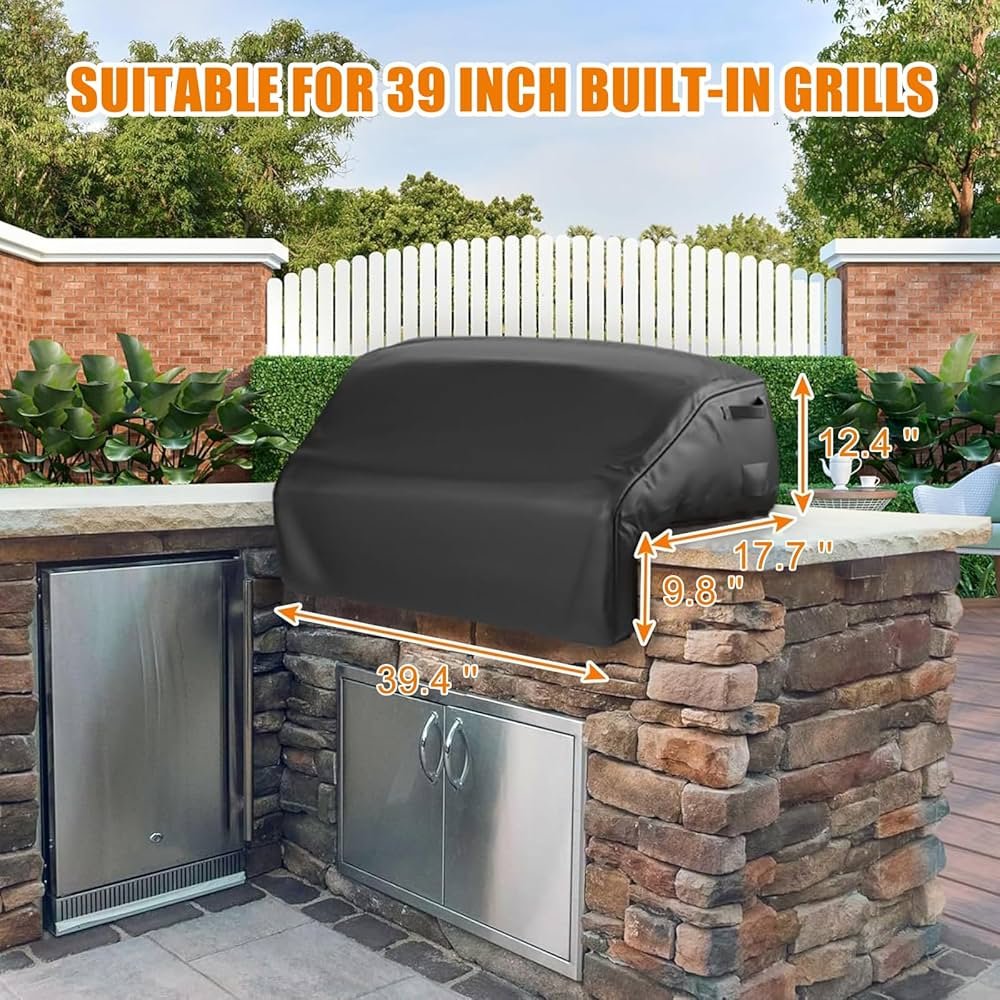
You’ve invested in a built-in grill to elevate your outdoor cooking experience. But have you thought about how to protect it from weather, dust, and wear?
Covering your grill the right way can save you money and keep it looking new for years. If you want to learn simple, effective steps to cover your built-in grill and avoid costly damage, keep reading. This guide will make it easy for you to protect your grill and enjoy hassle-free cooking every season.
Choosing The Right Cover Material
Protecting your built-in grill is important to keep it working well. Picking the right cover material helps stop damage from weather and dust. This guide explains what to look for in a grill cover.
Consider how the cover handles rain, sun, and wind. Also, check if it lasts a long time and if it lets air pass through. These points keep your grill safe and dry.
Weather Resistance
A good grill cover must protect against rain, snow, and sunlight. Waterproof materials stop water from soaking in. UV-resistant fabrics prevent color fading and damage from the sun.
- Waterproof coating prevents leaks
- UV protection blocks sun damage
- Windproof design keeps cover in place
- Resistant to mold and mildew
Durability And Strength
Strong materials last longer and protect better. Look for covers made from heavy-duty fabrics or reinforced with extra stitching. These covers resist tears and wear from use and weather.
| Material | Durability | Strength |
|---|---|---|
| Polyester | High | Good |
| Vinyl | Medium | Strong |
| Canvas | Very High | Very Strong |
| PE Fabric | Medium | Good |
Breathability Features
Breathable covers stop moisture from building inside. This stops rust and mold on your grill. Look for covers with vents or breathable fabric to keep air flowing.
- Vents allow air circulation
- Breathable fabrics reduce condensation
- Prevents mildew and rust

Credit: www.amazon.ca
Measuring Your Built-in Grill
Measuring your built-in grill correctly is key for a perfect cover fit. Taking careful measurements helps protect your grill from weather damage.
In this guide, learn how to measure your grill, consider accessories, and allow space for ventilation.
Taking Accurate Dimensions
Start by measuring the width, depth, and height of your grill. Use a tape measure and record each size in inches or centimeters.
- Measure the widest point across the front of the grill.
- Measure from the front to the back for depth.
- Measure from the bottom to the highest point for height.
- Note any handles or knobs that stick out.
- Double-check each measurement for accuracy.
Considering Grill Accessories
Accessories like side burners, shelves, and control panels add extra width or height to your grill. Include these in your measurements.
| Accessory | Measurement Tip |
| Side Burners | Measure the full width including burners |
| Shelves | Include any shelves that extend beyond the main body |
| Control Panels | Measure height if panels rise above the grill lid |
Allowing For Ventilation Space
Grills need air to prevent moisture buildup. Leave extra space for ventilation when measuring your cover.
- Add 2 to 3 inches of clearance on all sides.
- Ensure the cover is not too tight or sealed.
- Check the grill manufacturer’s recommendations for ventilation.
Proper Installation Techniques
Covering a built-in grill properly helps protect it from weather and dirt. Using the right methods keeps your grill safe and lasts longer.
This guide explains how to secure the cover, avoid damage, and use straps and fasteners correctly.
Securing The Cover
Make sure the cover fits your grill well. A loose cover can blow away or let rain in. A tight cover protects better.
- Place the cover evenly over the grill.
- Check that it covers all sides fully.
- Smooth out wrinkles or folds to avoid water pooling.
- Use built-in drawstrings or elastic hems for a snug fit.
Avoiding Damage To Grill Components
Be careful when putting on or removing the cover. Sharp edges or heat can harm the cover or grill parts.
| Possible Risk | Protection Tip |
| Hot Grill Surface | Wait until grill cools before covering |
| Sharp Edges | Handle cover gently and avoid pulling |
| Moisture Build-up | Use breathable cover material to prevent rust |
| Wind Damage | Secure cover with straps or fasteners |
Using Straps And Fasteners
Straps and fasteners keep the cover from flying off during wind or storms. Use them properly to avoid damage.
- Choose straps made of durable material like nylon.
- Attach fasteners to secure points on the grill or counter.
- Do not overtighten straps to avoid tearing the cover.
- Check straps regularly for wear and replace if needed.
Maintenance Tips For Grill Covers
Keeping your built-in grill cover in good shape helps protect your grill. Proper maintenance extends the life of the cover and keeps it looking nice.
Follow simple steps to clean, store, and inspect your grill cover regularly. This keeps it strong against weather and wear.
Cleaning Methods
Clean your grill cover to remove dirt, dust, and stains. Use mild soap and water for the best results.
- Mix mild soap with warm water in a bucket.
- Use a soft brush or cloth to scrub the cover gently.
- Rinse thoroughly with clean water.
- Let the cover dry completely before putting it back on.
- Do not use bleach or harsh chemicals.
Storage During Off-season
Store your grill cover properly during the off-season to avoid damage from moisture and pests.
| Storage Tip | Reason |
| Fold cover neatly | Prevents creases and tears |
| Keep in a dry place | Stops mold and mildew growth |
| Use a breathable bag | Allows air circulation |
| Avoid direct sunlight | Prevents fading and material weakening |
Inspecting For Wear And Tear
Check your grill cover often to spot any damage early. Fix small issues before they grow bigger.
- Look for holes or tears in the fabric.
- Check seams for loose stitching.
- Inspect straps and fasteners for damage.
- Replace or repair parts as needed.
- Keep the cover tight and secure on the grill.
Common Mistakes To Avoid
Covering your built-in grill protects it from weather and dirt. Using the wrong cover or not covering it can cause damage.
Learn which mistakes to avoid to keep your grill in good shape for years.
Using Incorrect Cover Sizes
Using a cover that is too small can leave parts of the grill exposed. A cover that is too large may not stay in place during wind.
Always measure your grill before buying a cover to ensure a snug fit.
- Too small covers leave gaps for dirt and rain
- Too large covers can blow away easily
- Proper fit protects all grill parts evenly
Ignoring Moisture Buildup
Moisture can collect under the cover if there is no ventilation. This can cause rust and mold on your grill.
Choose covers with vents or remove the cover on dry days to let moisture escape.
- Moisture causes rust and metal damage
- Vented covers reduce trapped humidity
- Regularly air out your grill under cover
Leaving Grill Uncovered
Leaving your grill uncovered exposes it to rain, dust, and sun damage. This can shorten its lifespan.
Always cover your grill when not in use, especially during bad weather or long periods.
- Rain can cause rust and water damage
- Dust buildup can clog grill parts
- Sun can fade and weaken grill surfaces

Credit: www.amazon.com
Additional Protective Measures
Covering a built-in grill properly helps protect it from weather damage. Extra care keeps your grill working longer.
Using added protective measures improves the grill’s durability. Simple steps can prevent rust and wear.
Applying Protective Sprays
Protective sprays create a barrier against moisture and dirt. They help stop rust and keep metal parts clean.
Use sprays made for outdoor metal surfaces. Apply sprays regularly for the best protection.
- Clean the grill surface before spraying
- Spray evenly over all metal parts
- Let the spray dry completely
- Reapply every few months
Using Grill Mats
Grill mats protect the ground and the grill base. They stop grease and food spills from causing stains.
Mats also prevent moisture from reaching the grill bottom. Choose mats that fit your grill size well.
- Place mats under the grill area
- Choose heat-resistant materials
- Clean mats regularly to avoid buildup
Regular Grill Maintenance
Keep your grill in good shape with regular checks. Cleaning and minor repairs prevent bigger problems.
Check for rust spots, loose parts, and dirt. Clean the grill after each use to avoid buildup.
- Remove ashes and food debris
- Check gas lines and connections
- Clean burner tubes carefully
- Tighten screws and bolts as needed

Credit: www.amazon.ca
Frequently Asked Questions
How Do I Start Covering My Built-in Grill?
To start covering your built-in grill, first clean it thoroughly. Remove any debris, grease, and dirt. Measure the dimensions of your grill to ensure a snug fit. Choose a weather-resistant cover material for durability. Secure the cover tightly to prevent any weather-related damage.
What Materials Are Best For Grill Covers?
The best materials for grill covers include heavy-duty polyester, vinyl, and canvas. These materials are weather-resistant and durable. They protect against rain, sun, and dust. Polyester is lightweight and easy to handle. Vinyl offers excellent water resistance. Canvas is durable and provides good protection from the elements.
How Often Should I Cover My Grill?
Cover your built-in grill whenever it’s not in use. This will protect it from weather and debris. Regular covering helps extend the grill’s lifespan. It also minimizes maintenance needs. Ensure the cover is secure and fits well to provide the best protection.
Can A Cover Protect From All Weather?
A quality grill cover can protect from most weather conditions. Choose a cover made from weather-resistant materials. It should withstand rain, snow, and UV rays. However, extreme conditions may require additional protection. Always check the cover’s condition and replace it if worn out.
Conclusion
Covering your built-in grill protects it from rain, dust, and sun. A good cover keeps your grill clean and ready to use. Choose a cover that fits well and is made of strong material. Always dry the grill before covering to avoid rust.
Regularly check the cover for tears and replace it if needed. Taking these simple steps helps your grill last longer and work better. Keep your grill safe and enjoy cooking outside anytime.