
Are you trying to decide between an infrared grill and a gas grill but feeling confused by all the options? Choosing the right grill can change the way you cook and enjoy your meals.
Understanding the key differences between these two types will help you make the best choice for your backyard and your taste buds. Keep reading to discover how each grill works, their unique benefits, and which one might be perfect for your next barbecue.
Your grilling game is about to get a serious upgrade!

Credit: www.youtube.com
Infrared Grill Basics
Infrared grills use radiant heat to cook food. They are different from regular gas grills.
This guide explains how infrared grills work, their features, and common uses.
How Infrared Grills Work
Infrared grills have a special burner that heats a ceramic or metal plate. The plate then gives off infrared heat.
This heat cooks food quickly and evenly. The heat comes from the plate, not directly from a flame.
Key Features Of Infrared Grills
Infrared grills have unique features that set them apart from gas grills.
- High heat output for fast cooking
- Even heat distribution with less flare-ups
- Energy efficient due to direct heat transfer
- Surface heats up quickly
- Can sear meat well to lock in juices
Common Uses For Infrared Grills
| Use | Description |
|---|---|
| Searing Steaks | Locks in juices with high, direct heat |
| Grilling Vegetables | Even heat cooks without burning |
| Cooking Seafood | Prevents sticking and cooks quickly |
| Fast Cooking | Reduces cooking time for all foods |

Credit: www.napoleon.com
Gas Grill Essentials
Gas grills use propane or natural gas to cook food. They are popular for outdoor cooking.
This guide explains how gas grills work and their key features. It also covers common uses.
How Gas Grills Operate
Gas grills start with a gas source connected to burners. The burners create flames under the grill.
The gas flows through valves and ignites with a spark or flame. Heat cooks the food on the grates.
- Gas moves from tank or line to burners
- Burners produce controlled flames
- Heat rises and cooks food evenly
- Adjustable knobs control flame size
Main Features Of Gas Grills
Gas grills have many features that make cooking easier. They offer quick heat and easy temperature control.
Most gas grills have metal grates, side burners, and built-in thermometers. Some include extra racks or storage.
- Quick start with push-button ignition
- Adjustable heat control knobs
- Metal cooking grates for even heat
- Side burners for extra cooking space
- Built-in thermometer to monitor heat
- Storage shelves or cabinets
Popular Gas Grill Applications
Gas grills are great for backyard parties and family meals. They cook burgers, steaks, and vegetables well.
People use gas grills for quick meals and large gatherings. They work well for direct and indirect cooking styles.
- Grilling burgers, hot dogs, and chicken
- Cooking vegetables and seafood
- Hosting outdoor barbecues and parties
- Using side burners for sauces or sides
- Slow cooking with indirect heat
Heat Source Comparison
Grills use different ways to create heat for cooking food. Infrared and gas grills have unique heat sources. This affects how they cook.
Understanding the heat source helps you choose the right grill for your needs.
Infrared Heat Generation
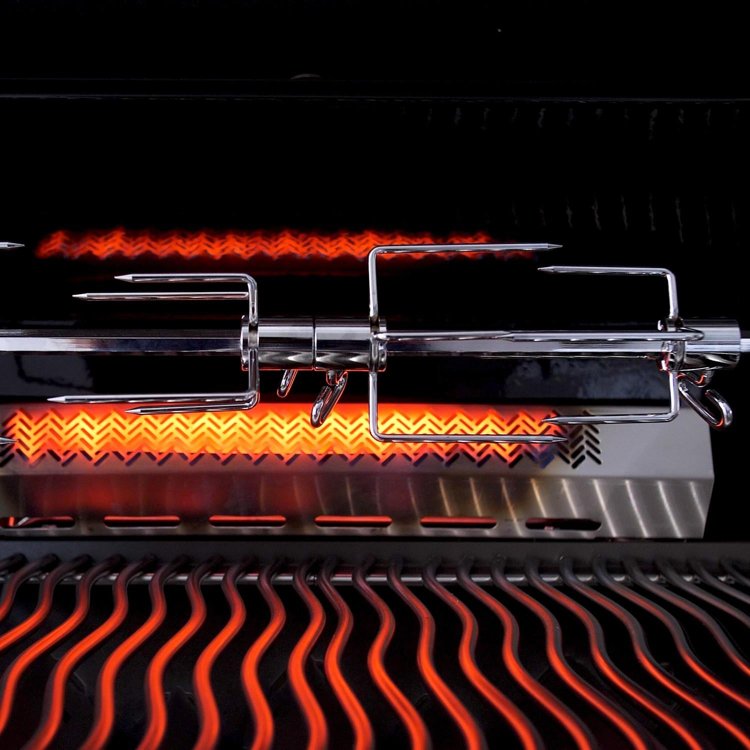
Infrared grills use infrared radiation to produce heat. A special ceramic or metal plate gets very hot. It then sends out infrared rays.
These rays heat the food directly. The heat is very intense and cooks food quickly.
- Heat comes from a glowing plate or burner
- Infrared rays transfer heat straight to food
- High temperature with less heat loss
- Faster cooking and good for searing
Gas Flame Heat Distribution
Gas grills use a flame to heat the air inside the grill. The flame comes from burning propane or natural gas.
The heat spreads by warming the grill grates and the air around the food. The cooking is slower than infrared but more even.
- Heat comes from a burning gas flame
- Flame heats grill grates and air
- Heat spreads evenly for steady cooking
- Good for cooking many types of food
Credit: bestofbackyard.com
Cooking Performance
Infrared and gas grills cook food differently. This affects how well your food turns out. Understanding their cooking performance helps you pick the right grill.
Both grills have strengths and work best in different ways. Let’s compare their cooking performance in detail.
Temperature Control
Gas grills offer easy temperature control with adjustable knobs. You can change the heat quickly to cook different foods.
Infrared grills use intense heat from a ceramic plate or metal surface. They control temperature by changing burner power but can be less precise.
- Gas grills give more gradual temperature changes
- Infrared grills heat up fast but have less fine control
- Gas grills suit recipes needing steady heat
- Infrared grills work well for high-heat cooking
Cooking Speed
Infrared grills cook food faster because they reach higher temperatures quickly. They use direct radiant heat that sears food fast.
Gas grills take longer to heat up. They cook food by heating the air and grill grates. This slows down cooking speed compared to infrared grills.
- Infrared grills heat up in minutes
- Gas grills need more time to reach cooking temperature
- Infrared grills are good for quick searing
- Gas grills are better for slow cooking or smoking
Flavor Impact
Gas grills give a classic grilled flavor from cooking over open flames and hot grates. They can add mild smoky notes.
Infrared grills create a different taste by sealing in juices with fast searing. They produce less smoke, so the flavor is cleaner.
- Gas grills add traditional smoky flavor
- Infrared grills keep meat juicy with intense heat
- Infrared grills have less smoke flavor
- Gas grills are preferred for smoky barbecue taste
Maintenance And Cleaning
Keeping your grill clean helps it last longer and cook better. Infrared and gas grills need different care methods.
Regular cleaning removes grease and food bits. This stops flare-ups and keeps flavors pure.
Infrared Grill Care
Infrared grills use special burners that get very hot. Cleaning must be gentle to protect these parts.
- Turn off and cool the grill before cleaning.
- Use a soft brush to clean the infrared burners.
- Remove food particles from the cooking grates after each use.
- Wipe the grill surface with a damp cloth and mild soap.
- Check for cracks or damage on the infrared panels regularly.
- Do not use harsh chemicals or abrasive tools on burners.
Gas Grill Upkeep
Gas grills have metal burners and multiple parts that need cleaning. This keeps gas flowing well and prevents rust.
| Task | Frequency | Details |
| Clean grates | After each use | Scrape off food with a grill brush. |
| Empty grease tray | Weekly | Prevent grease buildup to avoid fires. |
| Clean burners | Monthly | Remove and scrub burners to clear blockages. |
| Inspect gas hoses | Every 3 months | Look for cracks or leaks and replace if needed. |
| Wash exterior | Monthly | Use soapy water and a soft cloth to clean surfaces. |
Cost And Value
Infrared and gas grills differ in cost and value. Understanding these differences helps you choose the right grill.
We will look at the initial investment and long-term costs for both types of grills.
Initial Investment
Infrared grills usually cost more upfront than gas grills. They use special heating elements that raise the price.
Gas grills are often cheaper at first. They use standard burners and simple parts.
- Infrared grills: higher purchase price
- Gas grills: lower initial cost
- Infrared grills may have fewer models to choose from
- Gas grills come in many sizes and prices
Long-term Costs
Infrared grills are energy efficient. They use less fuel over time, which can save money.
Gas grills may use more fuel and need more parts replaced. This can increase costs in the long run.
- Infrared grills save fuel due to quick heating
- Gas grills may need burner or ignition replacements
- Maintenance costs tend to be higher for gas grills
- Infrared grills may require less cleaning
Choosing The Right Grill
Selecting the right grill depends on your cooking needs and style. Infrared and gas grills offer different benefits.
Understanding their differences helps you pick the best grill for your outdoor cooking.
Best Uses For Infrared Grills
Infrared grills cook food quickly using high heat. They are great for searing meats and locking in juices.
These grills work well for steaks, burgers, and thin cuts of meat that need fast cooking.
- Perfect for searing steaks and chops
- Ideal for quick grilling of burgers and hot dogs
- Great for locking in moisture in meats
- Useful for fast cooking without flare-ups
Best Uses For Gas Grills
Gas grills offer steady heat and easy temperature control. They are good for cooking a variety of foods evenly.
These grills suit slow cooking, smoking, and grilling larger items like whole chickens or vegetables.
- Good for cooking large cuts of meat slowly
- Works well for vegetables and seafood
- Easy to control heat for different recipes
- Great for family meals and gatherings
Factors To Consider
Think about cooking style, heat control, and cleaning when choosing a grill. Also consider your budget and space.
Infrared grills heat fast but can be more expensive. Gas grills offer more versatility and are easier to use.
- Cooking speed and heat intensity needed
- Ease of use and temperature control
- Cleaning and maintenance requirements
- Size and available outdoor space
- Cost and fuel availability
Frequently Asked Questions
What Is The Main Difference Between Infrared And Gas Grills?
Infrared grills use radiant heat to cook food quickly and evenly. Gas grills use burners to produce direct flame heat. Infrared grills provide higher temperatures and faster cooking times. Gas grills offer more moderate heat and versatile cooking options.
Which Grill Heats Up Faster, Infrared Or Gas?
Infrared grills heat up much faster, often within minutes. Gas grills take longer due to their burner design. Infrared technology concentrates heat directly on the food. This makes infrared ideal for quick searing and high-heat cooking.
Are Infrared Grills More Energy-efficient Than Gas Grills?
Yes, infrared grills are generally more energy-efficient. They convert fuel into heat more effectively with less heat loss. Gas grills lose some heat through open flame and burner design. Infrared grills use less fuel for the same cooking results.
Which Grill Type Offers Better Temperature Control?
Gas grills usually offer better temperature control with adjustable burners. Infrared grills can be harder to regulate due to intense heat output. However, many infrared models have controls to manage heat levels. Gas grills are preferred for slow cooking and smoking.
Conclusion
Infrared and gas grills both cook food well but in different ways. Infrared grills use radiant heat for fast, even cooking. Gas grills use open flames for a traditional grilling experience. Each grill suits different needs and tastes. Choose based on how you like to cook and eat.
Understanding these differences helps pick the right grill for you. Enjoy grilling with the style that fits you best. Simple, clear, and satisfying.