
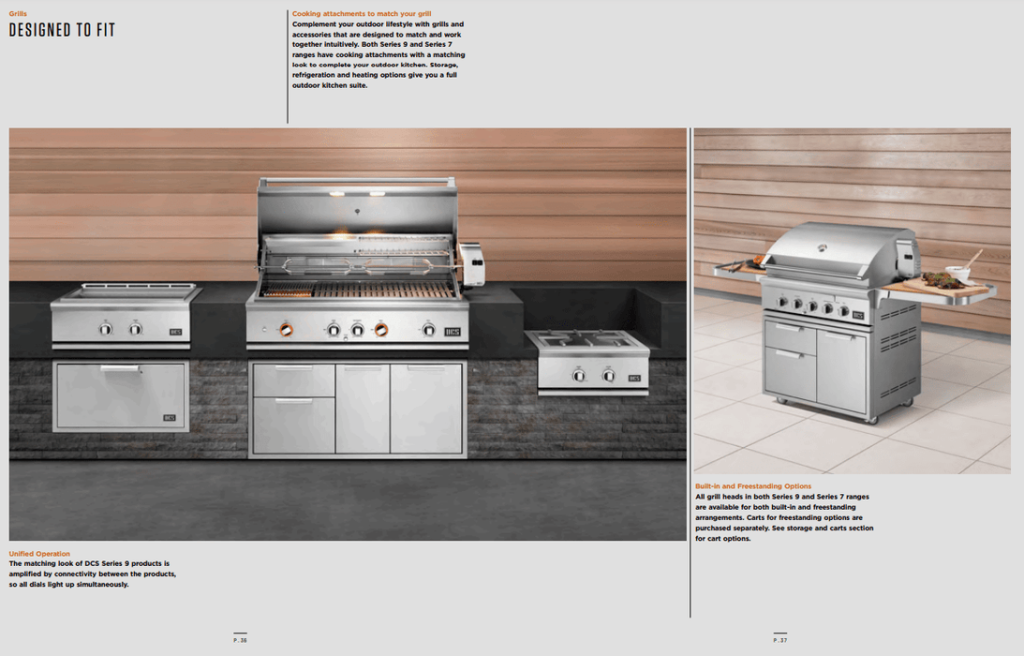
Are you ready to enjoy a perfect barbecue but unsure how to light your built-in gas grill safely and easily? Lighting a gas grill might seem tricky at first, but once you know the right steps, it becomes quick and stress-free.
In this guide, you’ll learn simple tips that ensure your grill fires up smoothly every time. Keep reading to discover how to make your next cookout hassle-free and delicious!

Credit: www.amazon.com
Safety Precautions
Lighting a built-in gas grill needs care and attention. Following safety rules helps prevent accidents.
Always check your grill before use. Taking simple steps keeps you and others safe.
Check Gas Connections
Look at all gas lines and connections before lighting the grill. Make sure there are no leaks or cracks.
Use a soap and water solution on the connections. Bubbles show if gas is leaking.
- Turn off the gas supply first
- Apply soap solution to connections
- Turn on gas and watch for bubbles
- Fix leaks before using the grill
Clear Surrounding Area
Remove any flammable items near the grill. Keep the area clean and free of clutter.
Check for things like paper, leaves, or cloth. These can catch fire easily.
- Keep at least three feet clear around the grill
- Move toys, furniture, and decorations away
- Do not use the grill near walls or overhangs
Wear Protective Gear
Wear gloves and long sleeves to protect your skin. Use safety glasses to shield your eyes.
Protective gear helps prevent burns and injuries while lighting the grill.
- Heat-resistant gloves protect hands
- Long sleeves stop sparks from burning skin
- Safety glasses guard eyes from flare-ups
Preparing The Grill
Before lighting your built-in gas grill, you must prepare it well. Proper preparation helps the grill work safely and correctly.
Cleaning and checking parts prevents problems and keeps your food tasting great. Follow these steps to get ready.
Open Grill Lid
Always open the grill lid before you light the gas grill. This prevents gas from building up inside the grill.
Gas buildup can cause a dangerous flare-up or explosion. Keep the lid open to allow gas to escape safely.
Inspect Burners And Igniters
Check the burners for rust, cracks, or blockages. Clean or replace damaged burners to ensure even heat.
Test the igniters by pressing the ignition button. If the grill does not spark, check the battery or wiring.
- Look for holes or rust on burners
- Clear any spider webs or debris
- Make sure igniters click and spark
- Replace parts if they are broken
Clean Grill Grates
Clean grill grates before each use to avoid food sticking and bad flavors. Use a grill brush for best results.
Remove leftover food and grease. This helps your grill work better and lasts longer.
- Heat grill for 10 minutes to loosen debris
- Use a wire brush to scrub grates
- Wipe grates with a damp cloth
- Apply cooking oil to prevent rust
Lighting The Grill
Lighting a built-in gas grill is simple and safe if done correctly. Follow these steps to start your grill with ease.
Always check your grill and gas connections before lighting. Safety first helps prevent accidents.
Turn On Gas Supply
Begin by opening the valve on your propane tank or natural gas line. This lets gas flow to the grill burners.
- Locate the gas tank or gas line valve.
- Turn the valve slowly to open it fully.
- Listen for any hissing sounds that may indicate leaks.
- If you smell gas, close the valve and check connections.
Ignite Using Built-in Igniter
Most built-in gas grills have an igniter button. This creates a spark to light the burners safely.
- Make sure the burner control knobs are off before starting.
- Push and turn the knob to the ignite position.
- Press the igniter button to create a spark.
- Hold the knob for a few seconds after lighting.
- Adjust the flame to your desired level once lit.
Manual Lighting Method
If the built-in igniter does not work, use a manual lighting method. This involves a long match or lighter.
| Action | Details |
| Open Grill Lid | Keep the lid open to avoid gas buildup. |
| Turn Burner Knob | Turn the knob to the low or ignite position. |
| Light Match or Lighter | Use a long-handled match or grill lighter. |
| Bring Flame Close | Hold the flame near the burner ports carefully. |
| Light Burner | The burner should ignite within seconds. |
| Adjust Flame | Set the burner to the desired heat level. |

Credit: belleflame.com
Adjusting Flame And Heat
Adjusting the flame and heat on your built-in gas grill ensures even cooking. Proper control helps you cook food safely and with the right texture.
Follow simple steps to set the flame size and temperature before you start grilling. Small changes can make a big difference in your results.
Control Burner Valves
Burner valves regulate the gas flow to the grill burners. Turn the valves slowly to adjust the flame size. A low flame is good for slow cooking, while a higher flame cooks faster.
- Turn the burner valve to low for gentle heat.
- Increase the valve for higher heat quickly.
- Always adjust valves with the grill lid open.
- Close valves fully after use to shut off gas.
Preheat Grill
Preheating warms the grill and stabilizes the flame. It helps food cook evenly and prevents sticking.
Turn on all burners to high and close the lid. Let the grill heat for 10 to 15 minutes before adding food.
Check Flame Color
| Flame Color | Meaning | Action |
|---|---|---|
| Blue with small yellow tips | Normal and efficient burning | No adjustment needed |
| Yellow or orange flame | Incomplete combustion or dirty burners | Clean burners and check gas supply |
| Flame lifting or flickering | Too much gas or wind interference | Lower burner valve or shield grill |
Troubleshooting Common Issues
Built-in gas grills are easy to use but sometimes have problems lighting. Knowing how to fix these issues helps you cook safely and quickly.
This guide covers three common problems: no ignition spark, weak or no flame, and gas odor detection. Each section explains what to check and how to solve the problem.
No Ignition Spark
If your grill does not spark when you press the igniter, the problem might be the battery or wiring. Check if the igniter button clicks.
Clean the electrode tip from dirt or grease. Make sure the wire connects well from the igniter to the electrode.
- Replace the battery if the igniter uses one.
- Clear debris around the electrode tip.
- Check the wire connection for any damage.
- Press the igniter firmly to test the spark.
Weak Or No Flame
A weak or missing flame can mean low gas flow or clogged burners. Check your gas supply and connections first.
Clean the burner holes with a soft brush to remove dirt or spider webs that block gas flow. Ensure the gas valve is fully open.
- Make sure propane tank is not empty.
- Open the gas valve completely.
- Use a brush to clean burner holes.
- Inspect the regulator and hose for leaks or damage.
Gas Odor Detection
Smelling gas near your grill means a leak may be present. Turn off the gas supply immediately to stay safe.
Check all gas connections with soapy water. Bubbles show where gas is leaking. Tighten or replace faulty parts.
- Turn off the gas supply at the tank.
- Mix soap and water in a spray bottle.
- Spray all gas fittings and hoses.
- Look for bubbles to find leaks.
- Fix or replace leaking parts before use.
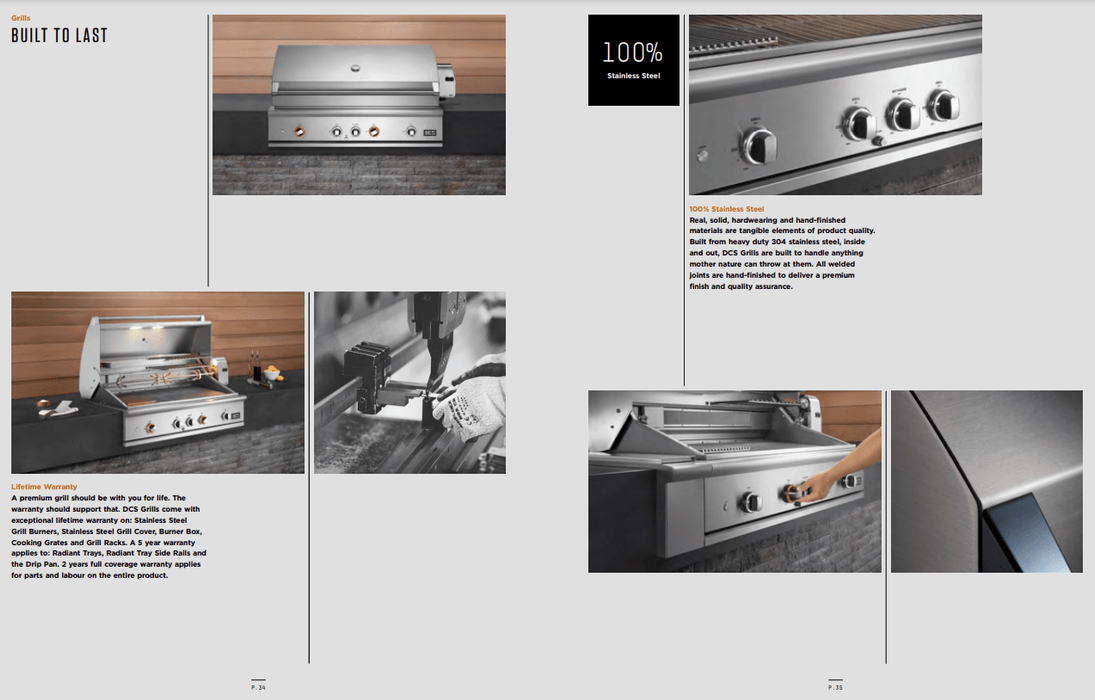
Credit: bbqing.com
Maintenance Tips
Keeping your built-in gas grill in good condition helps it work safely and last longer. Regular upkeep prevents problems and keeps your grill ready for cooking.
Follow these simple maintenance tips to care for your gas grill. Each step is easy and important for safe grilling.
Regular Cleaning
Clean your grill after every use to remove grease and food bits. This stops buildup and keeps heat flowing well.
- Brush grill grates with a wire brush before and after cooking.
- Empty and clean the drip tray to avoid flare-ups.
- Wipe down the exterior surfaces with warm soapy water.
- Check and clean burner ports with a soft brush to clear blockages.
Inspect Gas Lines
Check gas lines and connections often to find leaks or damage. A small leak can cause a big safety risk.
| Inspection Area | What to Look For | Action Needed |
| Gas hose | Cracks, holes, or stiffness | Replace if damaged |
| Connections | Loose fittings or corrosion | Tighten or clean |
| Leak test | Soap bubbles when applied | Fix leaks immediately |
Replace Faulty Parts
Replace worn or broken parts to keep your grill working well. Using bad parts can cause malfunctions or unsafe conditions.
- Replace burner tubes if rusted or clogged.
- Swap out ignition systems if the grill won’t light.
- Change valves that do not control gas flow properly.
- Use parts made for your grill model to ensure fit and safety.
Frequently Asked Questions
How Do I Safely Light A Built-in Gas Grill?
First, ensure the gas valve is off. Open the grill lid to prevent gas buildup. Turn on the gas supply, then ignite the grill using the built-in igniter or a long match. Always follow the manufacturer’s safety guidelines.
What Should I Check Before Lighting My Gas Grill?
Check for gas leaks by applying soapy water to connections. Look for cracks or damage in hoses. Ensure the propane tank or gas line is properly connected. Confirm the grill lid is open to avoid gas accumulation.
Why Won’t My Built-in Gas Grill Ignite?
Common issues include an empty gas tank, clogged burners, or faulty igniters. Check the gas supply and connections. Clean burner ports if blocked. Replace the igniter battery or use a manual ignition method if needed.
Can I Use A Lighter Instead Of The Built-in Igniter?
Yes, you can use a long match or grill lighter. Make sure the grill lid is open and the gas is turned on. Avoid using short lighters to prevent burns or accidents during ignition.
Conclusion
Lighting a built-in gas grill is simple with the right steps. Always check for gas leaks before starting. Turn the knobs slowly and ignite carefully. Keep a close eye on the flame as it lights. Regular cleaning helps the grill work better and last longer.
Safety comes first to enjoy tasty meals outside. Practice makes lighting faster and easier every time. Now, you can grill with confidence and ease.