
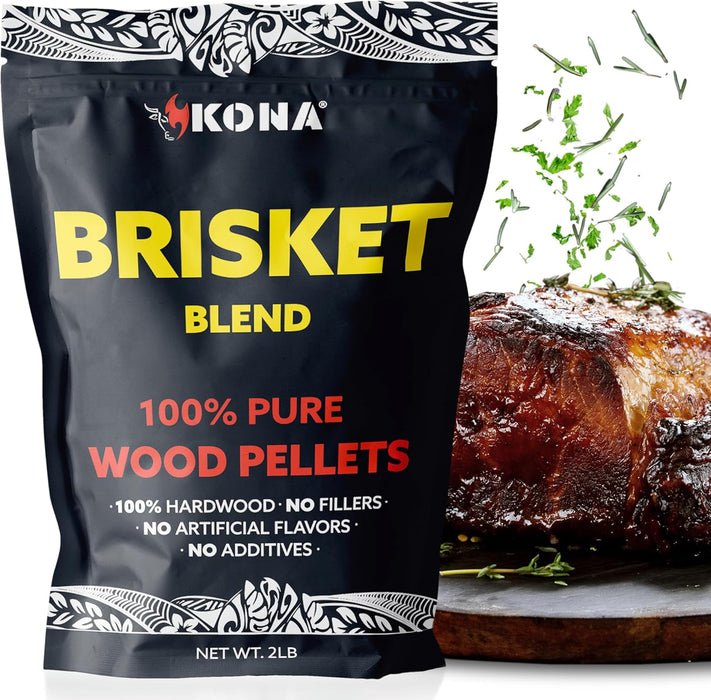
Are you looking for the best wood pellets for your chickens? Choosing the right pellets can make a big difference in your flock’s health and comfort.
But with so many options out there, how do you know which one is perfect for your chickens? This guide will help you understand what to look for and why the right wood pellets matter. Keep reading to discover how you can give your chickens the cozy, safe environment they deserve.
Benefits Of Wood Pellets For Chickens
Wood pellets are a popular bedding choice for chicken coops. They offer many advantages that help keep chickens healthy and comfortable.
Using wood pellets can improve coop conditions and make cleaning easier for chicken keepers.
Improved Coop Cleanliness
Wood pellets break down into fine sawdust when wet. This helps absorb droppings and keeps the coop clean. It also reduces the need to change bedding often.
Moisture Control
Wood pellets absorb moisture quickly. This helps control dampness inside the coop. Dry bedding lowers the risk of mold and bacteria growth.
- Absorbs water from droppings
- Prevents wet and soggy floors
- Keeps chickens dry and healthy
Odor Reduction
Wood pellets reduce bad smells by trapping ammonia from chicken waste. This keeps the coop smelling fresher for longer periods.
| Odor Source | Effect of Wood Pellets |
| Ammonia from droppings | Absorbed and neutralized |
| Moisture buildup | Reduced by quick drying |
| Rotting organic material | Less common due to cleanliness |
Safe And Non-toxic
Good quality wood pellets contain no chemicals or additives. They are safe for chickens to walk and rest on without harm.

Credit: www.amazon.ca
Types Of Wood Pellets
Wood pellets are a popular choice for chicken bedding and heating. Choosing the right type helps keep chickens healthy and comfortable. Different pellets have unique features based on the wood type and processing style.
This guide explains the main types of wood pellets. You will learn about hardwood, softwood, scented, unscented, compressed, and loose pellets.
Hardwood Pellets
Hardwood pellets come from trees like oak, maple, and hickory. They are dense and burn slower than softwood pellets. Hardwood pellets make less dust, which is better for chicken respiratory health.
These pellets absorb moisture well and last longer in bedding. They tend to have a neutral smell, which chickens do not mind.
Softwood Pellets
Softwood pellets come from pine, fir, or spruce trees. They are lighter and burn faster than hardwood pellets. Softwood pellets can produce more dust, which might irritate chickens’ lungs.
They absorb moisture quickly but may break down faster in bedding. Some people prefer softwood pellets for their natural pine scent.
Scented Vs Unscented Pellets
Scented pellets have added fragrances like pine or cedar. These scents can help mask odors in the coop. Unscented pellets have no added smell and are more natural for chickens.
- Scented pellets may bother sensitive chickens or cause allergies.
- Unscented pellets reduce the risk of respiratory issues.
- Scented pellets can help keep the coop smelling fresh.
- Unscented pellets are better for chickens with skin or lung sensitivities.
Compressed Vs Loose Pellets
Compressed pellets are tightly packed and hold their shape. Loose pellets are more crumbly and break apart easily. Both types have benefits for chicken bedding and heating.
| Type | Pros | Cons |
|---|---|---|
| Compressed Pellets | Longer burning time, less dust, good moisture control | May take longer to break down in bedding |
| Loose Pellets | Breaks down faster, easier to spread in bedding | More dust, shorter burning time |
Factors To Consider When Choosing Pellets
Choosing the right wood pellets for chickens is important for their health and comfort. Different pellets have different qualities. These qualities affect how safe and useful the pellets are in chicken coops.
Look at absorbency, dust levels, chemical additives, and pellet size. These factors help you pick the best pellets for your chickens.
Absorbency
Good absorbency keeps the coop dry and clean. Pellets that soak up moisture well reduce bad smells and stop bacteria growth. Choose pellets that quickly absorb wetness but do not turn mushy.
Dust Levels
Low dust levels are better for chicken health. Dust can irritate chicken lungs and cause breathing problems. Pellets with less dust create a cleaner environment and help keep chickens comfortable.
Chemical Additives
Avoid pellets with chemical additives. Some pellets have chemicals to help with burning or smell. These chemicals can harm chickens. Choose natural pellets without any added chemicals or scents.
Pellet Size And Shape
Pellets come in many sizes and shapes. The right size helps keep the coop clean and safe. Small pellets break down faster but may create more dust. Larger pellets last longer and make cleaning easier.
| Pellet Size | Pros | Cons |
| Small | Breaks down quickly, good absorbency | Can create more dust |
| Medium | Balanced absorbency and dust | May take longer to break down |
| Large | Easy to clean, less dust | Absorbs less moisture quickly |
Top Wood Pellet Brands For Chickens
Choosing the right wood pellets for chickens can improve their comfort and health. Wood pellets are used in bedding and coop heating.
This guide covers three popular brands and compares their key features and benefits.
Brand A Highlights
Brand A uses natural hardwood pellets. These pellets are dust-free and absorb moisture well. They keep the coop dry and clean.
Brand B Features
Brand B focuses on eco-friendly materials. Their pellets are made from recycled wood and contain no chemicals. They are safe for chickens and the environment.
- Low dust content
- High absorbency
- Non-toxic and natural
- Affordable pricing
Brand C Benefits
Brand C pellets break down easily and compost well. This helps farmers reuse bedding as fertilizer. The pellets also reduce odors in the chicken coop.
Comparison Of Popular Brands
| Brand | Material | Dust Level | Absorbency | Eco-Friendly | Price Range |
|---|---|---|---|---|---|
| Brand A | Natural Hardwood | Low | High | Moderate | $$ |
| Brand B | Recycled Wood | Very Low | High | High | $ |
| Brand C | Softwood Mix | Low | Moderate | High | $$ |
How To Use Wood Pellets In Chicken Coops
Wood pellets are a popular bedding choice for chicken coops. They absorb moisture well and control odors. Using them correctly keeps your chickens healthy and comfortable.
This guide covers how to prepare and apply wood pellets, maintain the coop, and replace or dispose of old pellets.
Preparation And Application
Start with a clean coop before adding wood pellets. Spread a layer evenly across the floor to create a dry base.
- Sweep out old bedding and droppings.
- Ensure the floor is dry and free of debris.
- Spread 2 to 3 inches of wood pellets evenly.
- Let pellets absorb moisture and swell for a few hours.
- Rake the pellets lightly to fluff and loosen them.
Maintenance Tips
Keep the coop dry and clean by checking the pellets daily. Remove wet spots and clumps to stop bacteria growth.
| Task | Frequency | Notes |
| Remove wet pellets | Daily | Prevents smell and mold |
| Rake pellets | Every 2-3 days | Improves airflow |
| Add fresh pellets | Weekly | Maintains bedding depth |
| Clean coop fully | Monthly | Replace all bedding |
Replacing And Disposal
Replace wood pellets regularly to keep the coop healthy. Remove old pellets and dispose of them properly.
- Scoop out all used pellets when they become damp or dirty.
- Use the old pellets as compost or garden mulch if free of chemicals.
- Wash the coop floor with mild disinfectant before adding new pellets.
- Spread a fresh layer of pellets to start the cycle again.
Common Mistakes To Avoid
Choosing the best wood pellets for chickens is important for their health. Many people make simple mistakes when using pellets. These errors can cause harm or reduce benefits.
This guide explains common mistakes to avoid. Follow these tips to keep your chickens safe and happy.
Using Pellets With Chemicals
Some wood pellets contain chemicals or additives. These can be harmful to chickens. Avoid pellets treated with pesticides or artificial scents.
- Check the label for chemicals before buying pellets.
- Choose pellets made from natural wood only.
- Do not use pellets with added dyes or fragrances.
- Keep pellets away from areas where chemicals are stored.
Overpacking The Coop
Too many pellets can fill the coop too much. Overpacking blocks airflow and traps moisture. This can cause bad smells and health issues for chickens.
| Problem | Effect |
| Too many pellets | Poor air flow and damp coop |
| Damp environment | Respiratory problems for chickens |
| Bad smell | Unpleasant for chickens and humans |
Use pellets moderately. Spread them evenly and keep the layer thin. Clean the coop regularly to avoid buildup.
Ignoring Pellet Quality
Not all wood pellets are good for chickens. Low-quality pellets may contain dust, fillers, or harmful materials. This affects chicken health and comfort.
- Buy pellets from trusted suppliers.
- Look for pellets labeled as pure hardwood or softwood.
- Avoid pellets with a lot of dust or powder.
- Check reviews or ask other chicken keepers for recommendations.
Alternative Bedding Options
Choosing the right bedding for chickens is important for their comfort and health. Wood pellets are popular, but some alternatives work well too. These options can be easy to find and affordable.
This guide covers four alternative bedding choices: straw and hay, sand, shredded paper, and combination bedding. Each has unique features to consider.
Straw And Hay
Straw and hay are natural bedding materials. They provide warmth and absorb moisture but differ slightly. Straw is dry and hollow, making it better for bedding. Hay contains more leaves and seeds, so it can attract pests.
- Straw helps keep chickens warm in cold weather.
- Hay can be used but may need more frequent cleaning.
- Both break down naturally and are compostable.
- Make sure straw or hay is free of mold and dust.
Sand
Sand is a clean, dry option that drains moisture well. It does not hold odors and is easy to clean. Chickens enjoy dust bathing in sand, which helps keep their feathers healthy.
| Pros | Cons |
| Drains moisture quickly | Can be heavy to handle |
| Reduces odor | Does not provide warmth |
| Good for dust bathing | May compact over time |
Shredded Paper
Shredded paper is an easy way to recycle waste into bedding. It absorbs moisture and is soft for chickens to walk on. Avoid glossy or colored paper to keep chemicals away from birds.
- Use plain newspaper or office paper.
- Change bedding often to prevent mold.
- Mix with other materials to improve texture.
Combination Bedding
Combining different bedding materials can bring the best of each. For example, mixing straw with wood pellets or shredded paper can increase absorbency and comfort.
| Material | Benefit |
|---|---|
| Straw + Wood Pellets | Better moisture control and warmth |
| Shredded Paper + Sand | Soft texture with good drainage |
| Hay + Straw | Extra cushioning and insulation |
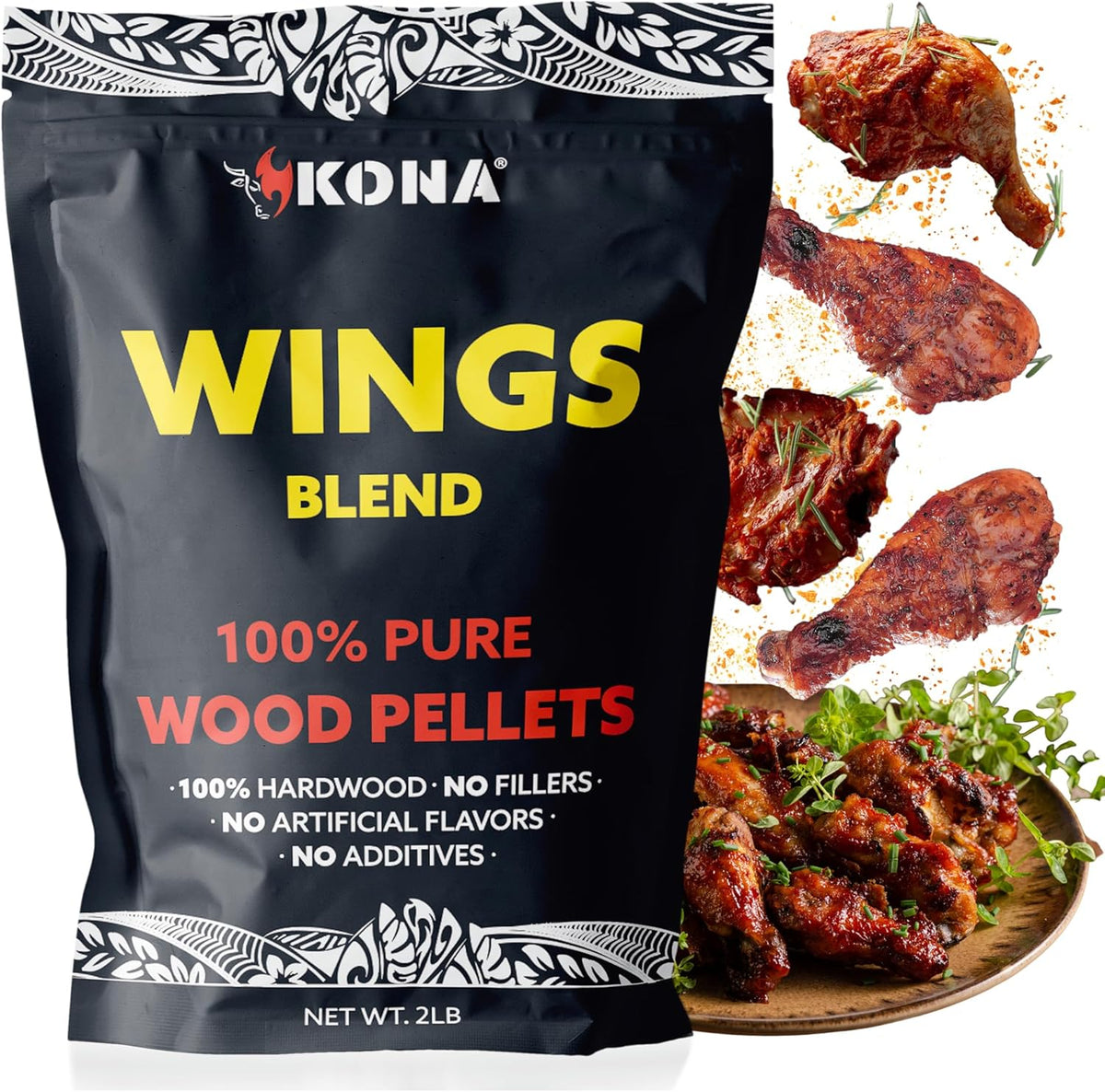
Credit: www.konabbqstore.com

Credit: www.reddit.com
Frequently Asked Questions
What Type Of Wood Pellets Are Safe For Chickens?
Hardwood pellets like oak, maple, and hickory are safe for chickens. Avoid softwoods like pine due to harmful resins. Hardwood pellets provide good absorbency and odor control in chicken bedding.
How Do Wood Pellets Benefit Chicken Coop Hygiene?
Wood pellets absorb moisture effectively, keeping the coop dry. They reduce ammonia buildup and control odors. This creates a healthier environment, preventing respiratory issues in chickens.
Can Wood Pellets Be Used As Chicken Bedding?
Yes, wood pellets make excellent chicken bedding. They are highly absorbent, easy to clean, and biodegradable. Pellets also minimize dust, reducing respiratory problems in chickens.
Are Wood Pellets Better Than Straw For Chickens?
Wood pellets absorb moisture better than straw, reducing bacteria growth. They control odor more effectively and last longer. However, straw can be softer, so choose based on coop needs.
Conclusion
Choosing the best wood pellets for chicken affects their health and growth. Good pellets provide clean heat and reduce harmful smoke. Always pick pellets made from natural wood without chemicals. This keeps your chickens safe and comfortable. Remember, quality pellets help maintain a healthy coop environment.
Simple choices make a big difference in chicken care. Keep your chickens happy with the right wood pellets. It’s a small step that leads to better farming results.