
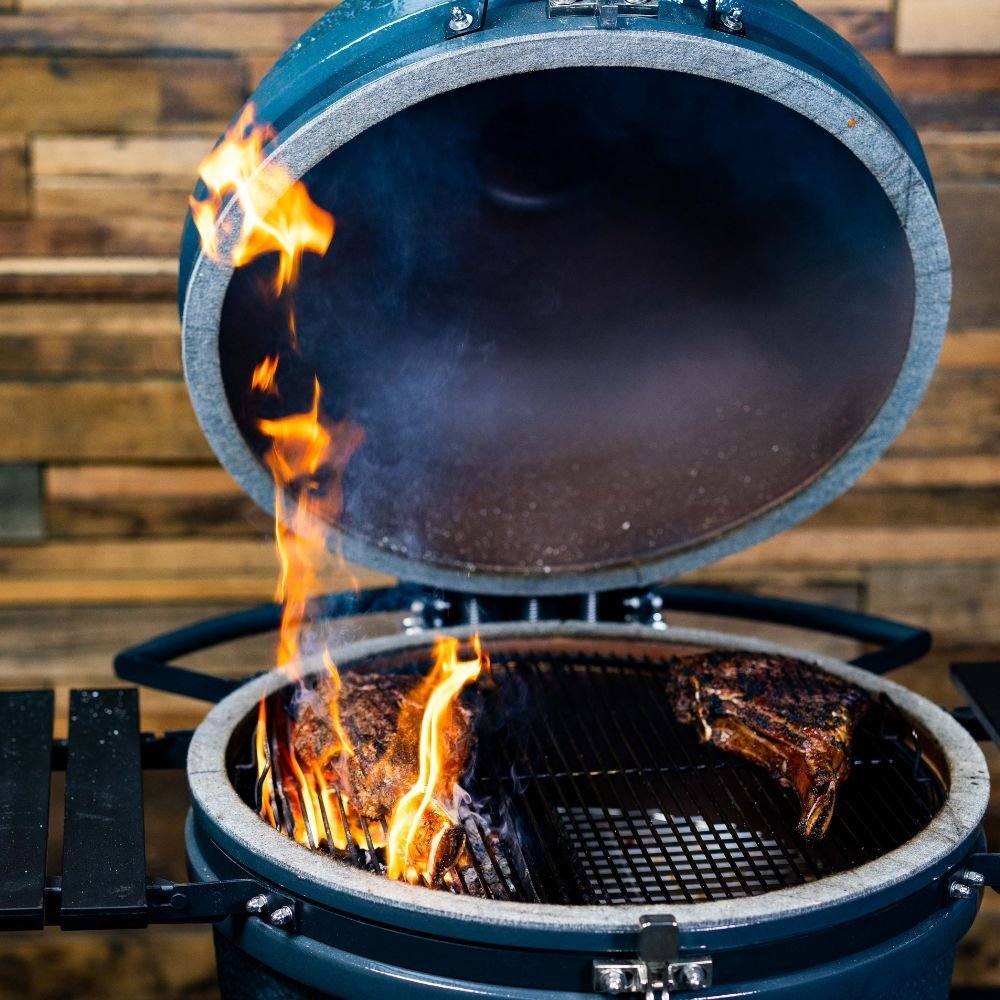
Controlling the temperature in your Kamado grill can feel tricky at first, but once you master it, your cooking will reach a whole new level. Imagine perfectly grilled steaks, juicy ribs, or slow-cooked brisket with just the right amount of heat every time.
You don’t have to be an expert or spend hours guessing. This guide will show you simple, practical steps to take full control of your Kamado grill’s temperature. Keep reading, and you’ll unlock the secrets to grilling like a pro—making every meal a delicious success.
Choosing The Right Kamado Grill
Controlling temperature is key to cooking well with a Kamado grill. Choosing the right grill helps you manage heat better. This guide explains important points to consider before buying.
Focus on materials, size, and features. These affect how the grill works and how easy it is to control temperature.
Materials And Build Quality
Kamado grills are usually made from ceramic, steel, or a mix. Ceramic holds heat well and keeps temperature steady. Steel heats fast but cools down quickly.
- Ceramic: Great for heat retention and even cooking.
- Steel: Lighter and heats quickly, but less stable temperature.
- Combination: Some grills use steel frames with ceramic parts.
- Check the thickness; thicker walls keep heat longer.
Size And Cooking Capacity
Size affects how much food you can cook and how the grill holds heat. Larger grills keep temperature steady but take longer to heat.
| Size | Cooking Capacity | Heat Control |
| Small (13-16 inches) | 1-3 people | Heats fast, less stable |
| Medium (18-22 inches) | 4-6 people | Good balance of heat and size |
| Large (24+ inches) | 6+ people | Very stable heat, slower to warm |
Essential Features
Look for features that help control temperature easily. Good vents and a strong lid improve heat management.
- Top and bottom vents for airflow control
- Heavy, well-fitting lid to keep heat in
- Built-in thermometer for quick temperature checks
- Adjustable charcoal basket for fuel control
- Side shelves or tables for convenience
Setting Up For Temperature Control
Keeping the right temperature in your kamado grill is key to good cooking. You need to set up your grill carefully. This guide explains how to prepare your kamado grill for better temperature control.
Focus on three main areas: how you place charcoal, use heat deflectors, and control ventilation. Each part helps you keep the heat steady and cook food evenly.
Proper Charcoal Placement
Place your charcoal in a way that supports steady heat. Avoid piling it all in one spot. Spread the charcoal evenly on the grill’s charcoal grate. This helps air flow through the charcoal bed and keeps the temperature stable.
- Use lump charcoal for longer burn time.
- Arrange charcoal in a mound or ring shape for indirect heat.
- Leave space between pieces for better airflow.
- Add charcoal in small amounts to adjust heat.
Using Heat Deflectors
Heat deflectors block direct flames from food. They create indirect heat for slow cooking. Place the deflector plate above the charcoal and below the cooking grate. This setup makes heat spread evenly around your food.
| Type of Heat Deflector | Material | Purpose |
| Plate | Ceramic or metal | Blocks direct heat |
| ConvEGGtor | Ceramic | Creates an oven effect |
| Stone Plate | Ceramic or firebrick | Absorbs and radiates heat |
Ventilation Basics
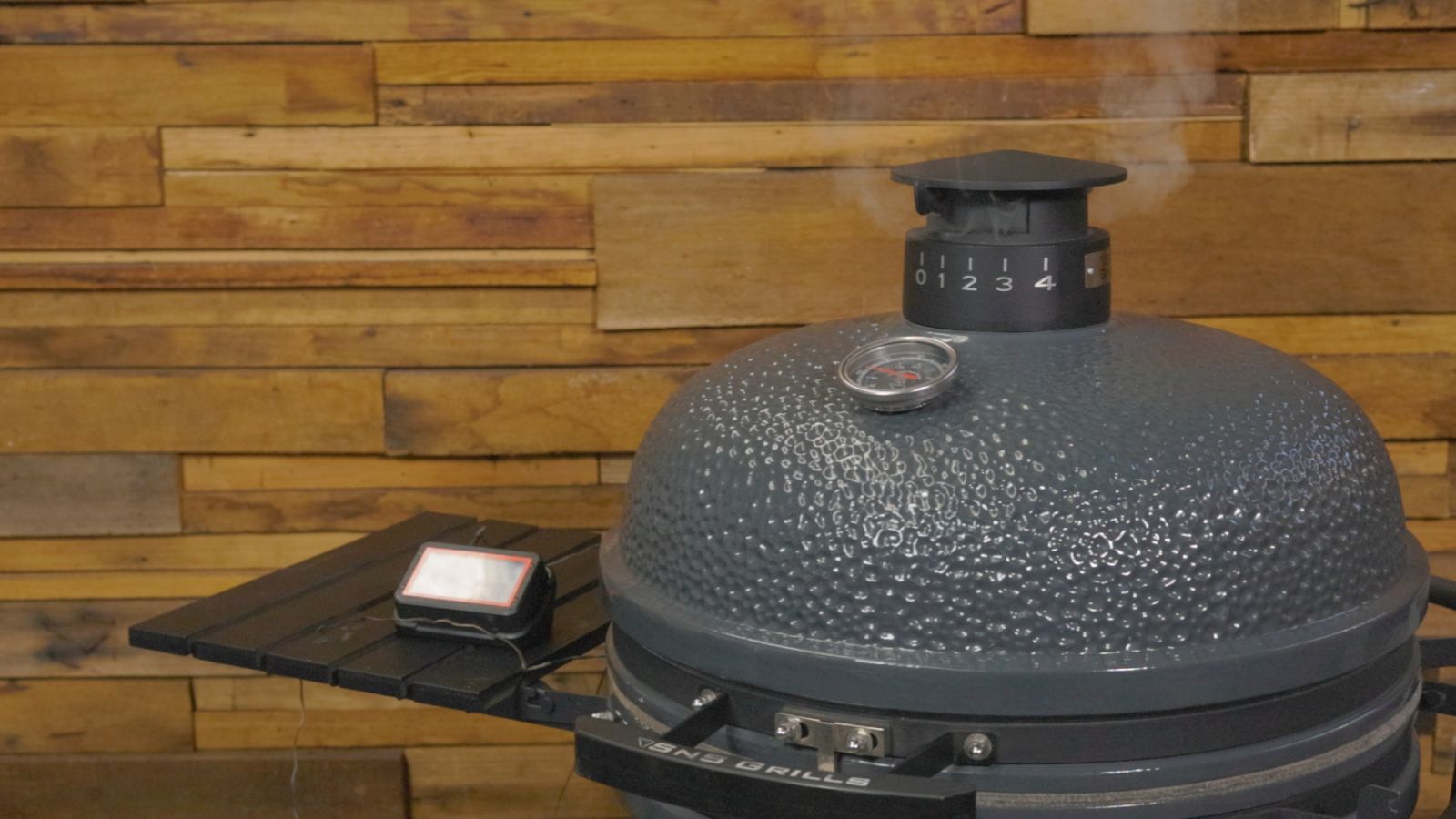
You control temperature by adjusting vents at the top and bottom of the grill. Open vents let more air in, raising the temperature. Closing vents lowers the air flow and cools the grill down.
Here is a simple guide to vent adjustment:
- Open bottom vent to increase airflow.
- Open top vent to let hot air escape.
- Close vents slowly to lower heat.
- Adjust vents in small steps for steady control.
Mastering Airflow Management
Controlling temperature in a kamado grill depends on airflow. Airflow controls how much oxygen feeds the fire.
Adjusting vents helps you keep the right temperature for cooking. Learn to manage both bottom and top vents.
Bottom Vent Adjustment
The bottom vent controls the amount of air entering the grill. More air means a hotter fire.
Start with the vent mostly closed for low heat. Open it more to increase airflow and temperature.
- Open vent wide for high heat
- Close vent slightly for steady, low heat
- Make small changes to avoid big temperature swings
Top Vent Techniques
The top vent controls how fast smoke and heat leave the grill. It also affects how air flows inside.
Open the top vent wider to let out more smoke and air. Close it to slow airflow and lower heat.
- Keep the vent open for a hot, fast fire
- Close it a bit for slow cooking and smoke retention
- Match top vent setting with bottom vent for balance
Balancing Intake And Exhaust
Balancing the bottom and top vents controls your grill’s temperature. Both vents work together.
Start by opening both vents. Adjust the bottom vent for air intake, and the top vent for exhaust.
- Open bottom vent to increase oxygen
- Adjust top vent to control smoke and heat exit
- Small vent changes make steady temperature changes
- Watch temperature gauge to guide vent adjustments
Credit: www.bbqspitrotisseries.com.au
Using Thermometers Effectively
Controlling temperature is key to cooking great food on a Kamado grill. Thermometers help you keep track of heat inside the grill.
Knowing how to use thermometers well will improve your grilling results. This guide explains the different types and tips for monitoring temperature.
Built-in Vs. External Thermometers
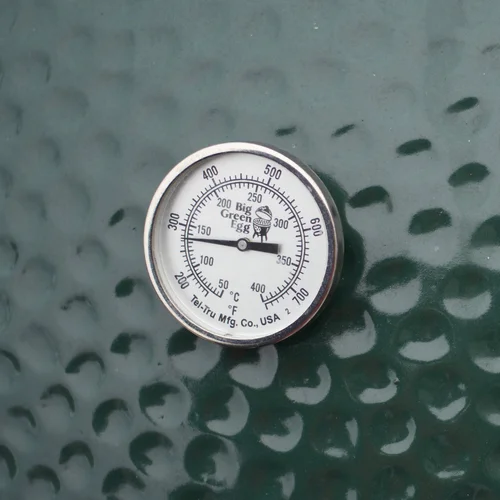
Kamado grills often come with built-in thermometers on the lid. These give a quick temperature reading but may not be very accurate.
External thermometers can be placed inside the grill or meat. They usually give more precise readings and help you watch specific spots.
- Built-in thermometers measure air temperature near the lid.
- External thermometers can check heat closer to the food.
- Use both types for better control.
Monitoring Internal Grill Temperature
Keep an eye on the grill’s internal temperature to cook food evenly. Adjust air vents to raise or lower heat as needed.
Check the thermometer often. Sudden changes mean you should open or close vents slowly to keep steady heat.
- Watch temperature every 15 to 20 minutes.
- Make small vent adjustments to avoid big temperature swings.
- Keep the lid closed as much as possible to hold heat.
Temperature Zones Inside The Grill
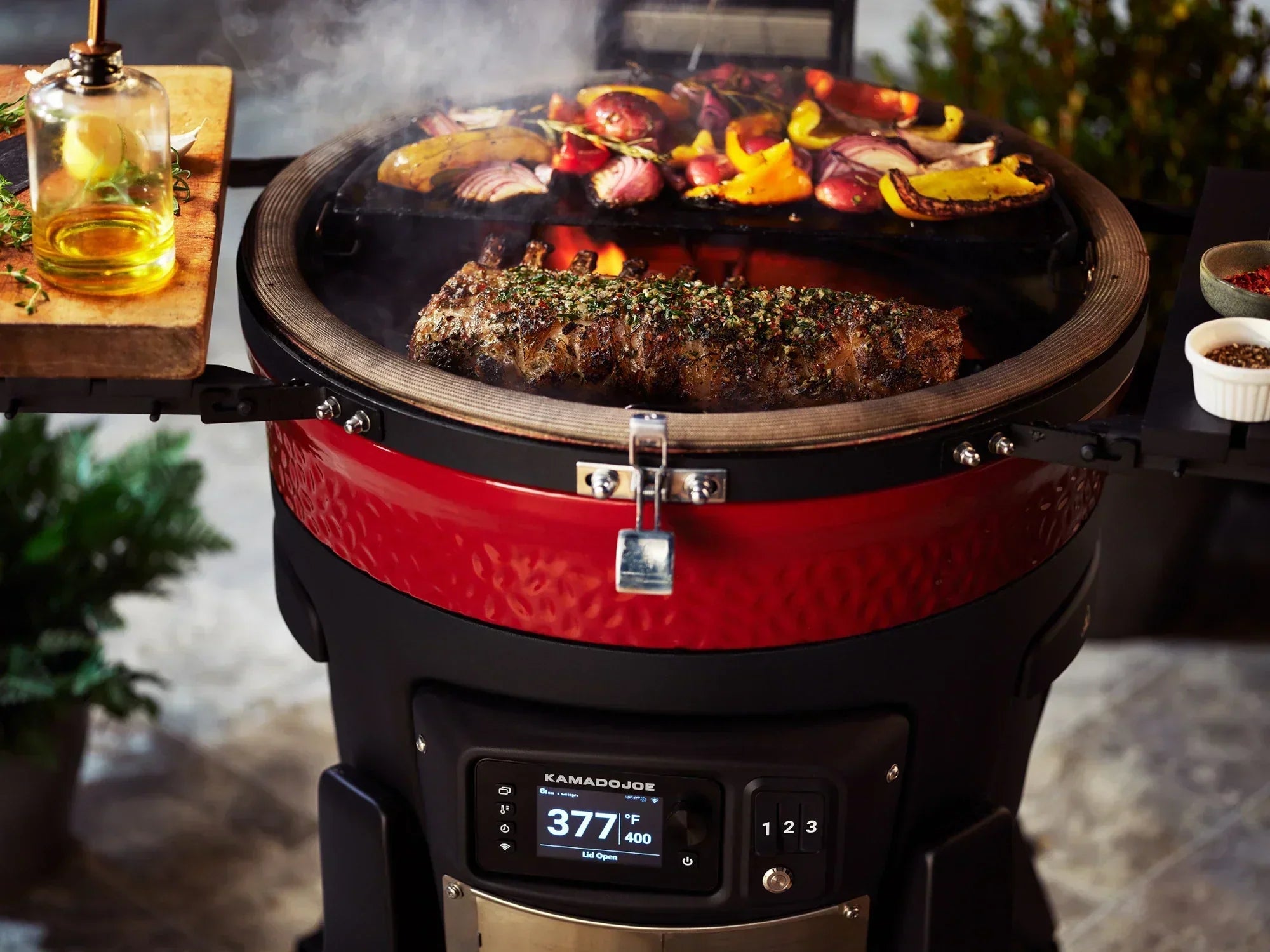
Kamado grills have different temperature zones. The heat is hotter near the coals and cooler farther away.
Use these zones to cook different foods at once or control how fast your food cooks.
| Zone | Location | Use |
|---|---|---|
| Direct Heat | Just above coals | Searing steaks, quick cooking |
| Medium Heat | Middle rack area | Grilling vegetables, chicken |
| Indirect Heat | Edge of grill, away from coals | Slow cooking, smoking |
Fuel Choices And Their Impact
Choosing the right fuel affects how well you control temperature in your kamado grill. Different fuels burn in different ways and change the heat and smoke.
Understanding your fuel options helps you cook food evenly and add flavors you want.
Types Of Charcoal For Kamado Grills
Charcoal is the main fuel for kamado grills. Lump charcoal and briquettes are the two common types.
- Lump Charcoal:Made from pure wood chunks. Burns hotter and faster.
- Briquettes:Made from compressed charcoal dust. Burns longer and steadier.
- Natural vs. Chemical Additives:Natural lump charcoal has no chemicals. Briquettes may have fillers.
Adding Wood Chips For Flavor
Wood chips add smoke flavor to your food. Different woods create different tastes.
| Wood Type | Flavor Profile |
| Hickory | Strong and smoky |
| Apple | Sweet and mild |
| Mesquite | Bold and earthy |
| Cherry | Fruity and light |
Soak chips in water before adding. This slows burning and keeps smoke steady.
Fuel Quantity And Burn Time
How much fuel you add changes how long and how hot your grill burns.
- Add less fuel for low, slow cooking.
- Add more fuel for high heat grilling.
- Keep some fuel on hand to maintain temperature over time.
- Watch the fuel burn to adjust air vents and control heat.
Maintaining Consistent Temperature
Keeping a steady temperature is key when cooking with a kamado grill. It helps cook food evenly and keeps it juicy.
Small changes in airflow or lid openings can cause big temperature shifts. Learning to control these is important.
Adjusting Vents During Cooking
Vents control the air entering and leaving the grill. More air means higher temperature. Less air cools it down.
Start with vents open to get the fire going. Once the grill is hot, adjust vents slowly to keep the heat steady.
- Open vents slightly to increase temperature.
- Close vents a bit to lower temperature.
- Make small changes and wait for 5-10 minutes to see effect.
- Use top vent to fine-tune airflow.
Managing Lid Openings
Opening the lid lets heat escape fast. This can drop the temperature inside the grill.
Try to open the lid only when needed. Plan your cooking steps to reduce lid openings.
- Check food quickly and close the lid right away.
- Use a thermometer with a remote probe to monitor heat without opening.
- Open the lid less often for slow cooking or smoking.
Dealing With Wind And Weather
Wind can affect the airflow and temperature in your kamado grill. Cold weather can cool it down too.
Place your grill in a sheltered spot. Use windbreaks or shields to protect it from strong wind.
- Move grill to a spot blocked from wind.
- Use a grill cover or shield if wind is strong.
- Add more charcoal on cold days to keep heat.
- Adjust vents more carefully in windy conditions.
Advanced Temperature Control Tips
Controlling temperature in a Kamado grill takes skill and practice. Small changes can affect your cooking results.
These tips help you keep steady heat and improve your grilling experience.
Using Water Pans For Moisture
Water pans add moisture inside the grill. They keep food juicy and help keep temperature steady.
- Place a shallow water pan on the heat deflector or grill grate.
- Refill water during long cooks to maintain humidity.
- The water absorbs heat, reducing temperature spikes.
- Moist air prevents food from drying out.
Multi-level Cooking Strategies
Use different grill levels to cook various foods at once. This lets you control heat zones better.
| Grill Level | Use | Temperature Control |
| Top Rack | Low and slow items | Lower heat, indirect cooking |
| Main Grate | Direct heat for searing | High temperature |
| Heat Deflector Area | Indirect cooking | Moderate, steady heat |
Combining Direct And Indirect Heat
Use both direct and indirect heat zones to control cooking speed. This method prevents burning and uneven cooking.
- Start food on the direct heat side to sear.
- Move food to indirect heat to finish cooking.
- Adjust vents to keep indirect side temperature steady.
- Use a thermometer to monitor food and grill temperature.
Credit: www.schmidtyq.com
Common Temperature Control Mistakes
Controlling temperature in a kamado grill can be tricky. Many people make simple mistakes that cause poor heat management.
Understanding these common errors helps keep your grill at the right temperature for perfect cooking.
Overloading Charcoal
Putting too much charcoal in your kamado grill blocks airflow. This makes it hard to control temperature.
Overloading causes the fire to burn unevenly and can create hot spots that burn your food.
- Use the right amount of charcoal for your cooking needs
- Start with a small pile and add more if needed
- Arrange charcoal to allow good air flow
Ignoring Vent Settings
Vents control how much air reaches the fire. Ignoring vent adjustments leads to temperature problems.
Leaving vents fully open or closed stops you from managing heat properly during cooking.
- Use the bottom vent to control oxygen flow
- Adjust the top vent to manage smoke and heat exit
- Make small vent changes and wait to see the effect
Neglecting Grill Maintenance
Dirty vents and clogged airways reduce airflow. This causes poor temperature control in your grill.
Regular cleaning keeps your kamado grill working well and makes it easier to keep steady heat.
- Clean ash from the firebox after each use
- Check vents for blockages and clear them
- Inspect seals and replace if damaged
Credit: www.kamadojoe.com
Frequently Asked Questions
How Do I Adjust Airflow In A Kamado Grill?
Adjust airflow by using the top vent and bottom damper. Opening them increases oxygen flow and heat. Closing them reduces oxygen, lowering the temperature. Fine-tune both vents to maintain your desired cooking temperature.
What Charcoal Type Works Best For Temperature Control?
Use lump charcoal for better temperature control. It burns hotter and cleaner than briquettes. Lump charcoal also produces less ash, which improves airflow inside the grill. This helps maintain steady and consistent heat.
How Do I Prevent Temperature Spikes In A Kamado?
Avoid opening the lid frequently, as it causes heat loss. Use a good quality thermometer to monitor heat. Adjust vents slowly to control oxygen flow. Patience and small adjustments help prevent sudden temperature spikes.
Can I Use Water Pans To Stabilize Temperature?
Yes, placing a water pan inside the grill stabilizes heat. It adds moisture and helps regulate temperature swings. Water pans are especially useful for long, low-temperature cooking like smoking or slow roasting.
Conclusion
Controlling temperature in a Kamado grill takes patience and practice. Use the vents to adjust airflow and heat. Keep an eye on the thermometer for steady results. Add or remove charcoal to raise or lower the temperature. Remember, small changes make a big difference.
With time, you will feel more confident managing your grill’s heat. Enjoy cooking delicious meals with perfect temperature control every time.