
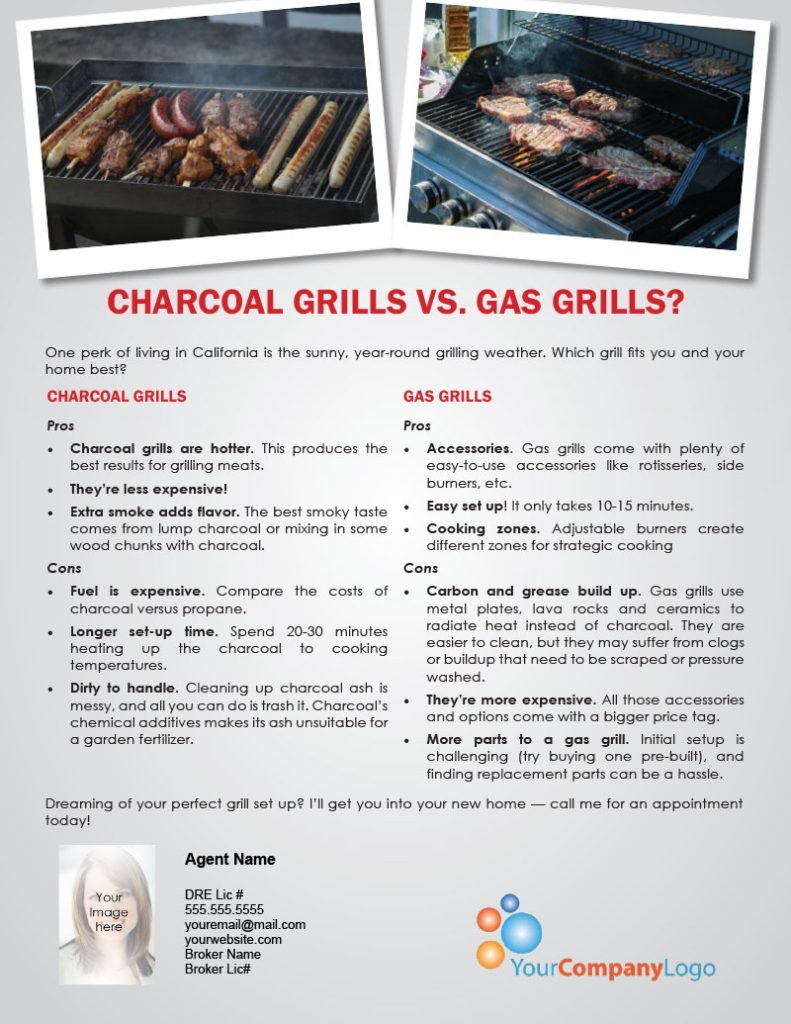
Are you wondering which grill is the best fit for your next barbecue—gas or charcoal? Choosing between a gas grill and a charcoal grill isn’t just about cooking; it’s about the taste, convenience, and experience you want.
You might be craving that smoky flavor or looking for quick, easy cleanup. This decision affects how you grill, how your food tastes, and how much time you spend outdoors. Keep reading, and you’ll discover the pros and cons of each grill type, helping you pick the perfect one for your backyard and your lifestyle.

Credit: www.youtube.com
Gas Grill Benefits
Many people wonder if a gas grill is better than a charcoal grill. Gas grills offer several benefits that make cooking easier and faster.
They are popular for their quick start, easy heat control, and simple cleaning. These features help both beginners and experts enjoy grilling.
Quick Start And Heat Control
Gas grills light up instantly with the push of a button. You do not need to wait for charcoal to heat up.
The heat on a gas grill is easy to control. You can adjust the flame to cook food perfectly at any temperature.
- Instant ignition saves time
- Adjustable burners for precise heat
- No need to manage charcoal or ash
Ease Of Cleaning
Cleaning a gas grill is simpler than cleaning a charcoal grill. There is no ash or soot to remove.
You only need to clean the grill grates and drip tray. This makes the process quick and less messy.
- No ash to dispose of
- Removable parts for easy washing
- Less buildup of grease and dirt
Convenience And Portability
Gas grills are convenient to use at home or outdoors. Many models are designed to be portable and easy to move.
You can use a gas grill in places where charcoal is not allowed. This adds to its convenience for different locations.
- Runs on propane or natural gas
- Easy to transport with wheels or handles
- Works well in parks and apartments
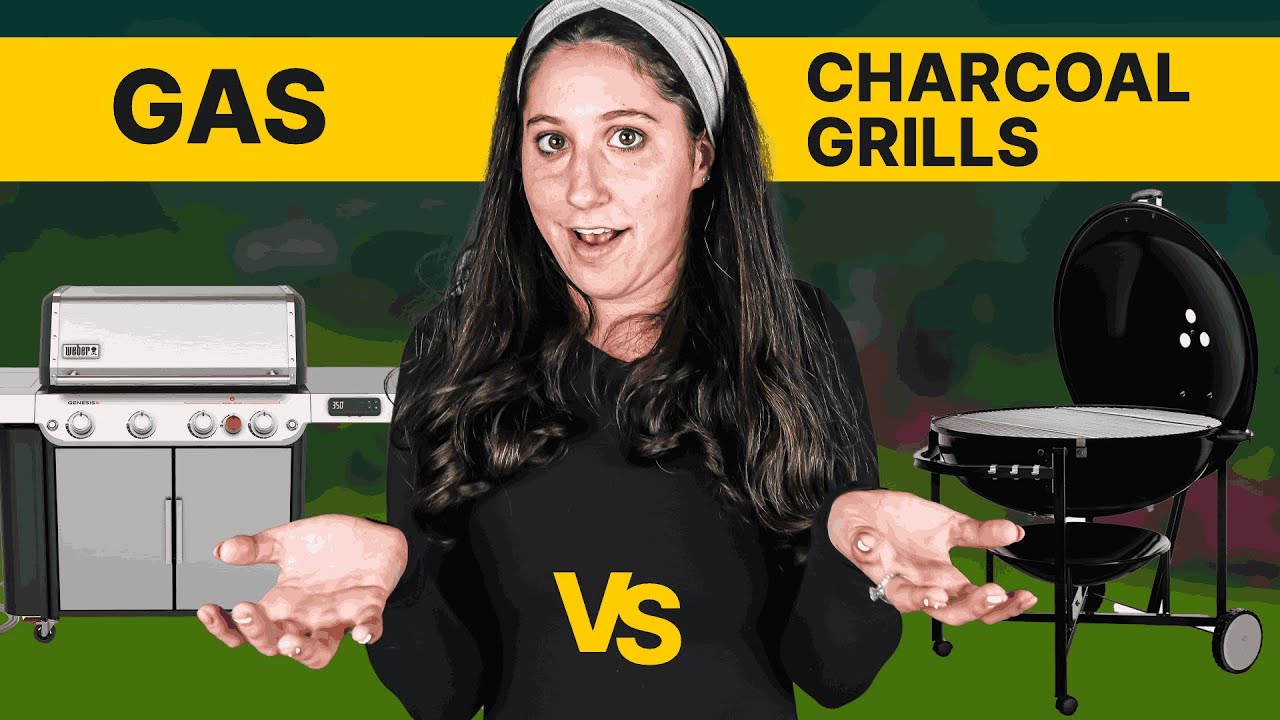
Credit: www.youtube.com
Charcoal Grill Benefits
Charcoal grills offer a unique cooking experience that many people enjoy. They use burning charcoal to cook food, giving a distinct flavor and heat.
Many grillers prefer charcoal for the taste and the way it cooks food. It also provides a traditional way to grill outdoors.
Flavor And Aroma
Charcoal grills add a smoky flavor to food that gas grills cannot match. The smoke comes from the charcoal and wood chips used during cooking.
This smoky aroma makes grilled food taste richer and more natural. It creates a special outdoor cooking smell that many people love.
High Heat And Searing
Charcoal grills can reach very high temperatures. This heat is great for searing meat, locking in juices and flavor.
The intense heat from charcoal helps create a crispy crust on steaks and burgers. It cooks food quickly and evenly.
Traditional Grilling Experience
Using a charcoal grill connects you to the classic way of grilling. It requires more attention and skill, which many find enjoyable.
Lighting the charcoal and controlling the fire adds to the fun. This hands-on approach makes grilling feel more personal and rewarding.
Cost Comparison
Choosing between a gas grill and a charcoal grill often depends on cost. Understanding the expenses involved helps make a smart choice.
We will look at three main costs: initial investment, fuel expenses, and maintenance costs.
Initial Investment
Gas grills usually cost more upfront than charcoal grills. The price depends on size and features.
- Gas grills start around $150 and can go above $1,000.
- Charcoal grills often cost between $50 and $300.
- Charcoal grills are cheaper for basic models.
Fuel Expenses
Fuel costs vary with grill type and usage frequency. Gas grills use propane or natural gas. Charcoal grills use charcoal briquettes or lump charcoal.
| Grill Type | Fuel Cost per Use | Typical Monthly Fuel Cost |
|---|---|---|
| Gas Grill | $2 to $4 | $10 to $20 |
| Charcoal Grill | $1 to $3 | $5 to $15 |
Maintenance Costs
Maintaining a gas grill can cost more due to parts and repairs. Charcoal grills need less upkeep.
- Gas grills require occasional burner replacements and gas line checks.
- Charcoal grills mainly need cleaning and occasional grate replacement.
- Both types need covers to protect from weather.

Credit: www.youtube.com
Health And Safety
Choosing between a gas grill and a charcoal grill involves health and safety concerns. Both types have benefits and risks to consider before use.
Understanding smoke, fire hazards, and ventilation needs helps you make safer grilling choices. This guide covers key points for each area.
Smoke And Carcinogens
Charcoal grills produce smoke that contains more carcinogens than gas grills. This smoke comes from burning charcoal and fat drippings.
- Charcoal smoke has polycyclic aromatic hydrocarbons (PAHs) that can stick to food.
- Gas grills burn cleaner with fewer harmful chemicals in the smoke.
- Using lean meats reduces smoke and carcinogen formation on any grill.
- Cleaning grill grates lowers the buildup of harmful residues.
Fire Hazards
Gas and charcoal grills both pose fire risks if not handled properly. Gas grills can cause flare-ups from gas leaks. Charcoal grills use hot coals that can spread if tipped over.
| Grill Type | Common Fire Hazard | Safety Tip |
| Gas Grill | Gas leaks and flare-ups | Check hoses and connections regularly |
| Charcoal Grill | Hot embers and sparks | Use on stable surface and keep water nearby |
Ventilation Needs
Proper ventilation is essential for safe grilling. Gas grills need fresh air to prevent gas buildup. Charcoal grills require airflow to keep coals burning.
Follow these ventilation rules:
- Always grill outdoors or in a well-ventilated area.
- Keep the grill away from enclosed spaces like garages.
- Never use a grill inside your home or tent.
- Check that vents are open on charcoal grills for airflow.
Environmental Impact
Choosing between a gas grill and a charcoal grill affects the environment. Both use different fuels and release different emissions. Understanding these differences helps make better choices for the planet.
This section looks at fuel emissions and the sustainability of resources for both types of grills.
Fuel Emissions
Gas grills burn propane or natural gas. They produce fewer pollutants than charcoal grills. Gas grills emit less carbon dioxide and fewer harmful particles.
Charcoal grills burn wood or charcoal briquettes. They release more smoke and carbon monoxide. Charcoal grilling creates more soot and ash, which can harm air quality.
- Gas grills emit lower carbon dioxide levels
- Charcoal grills produce more smoke and soot
- Charcoal releases carbon monoxide and fine particles
- Gas grills have cleaner combustion
Sustainability Of Resources
Gas comes from fossil fuels like natural gas or propane. These fuels are not renewable. Extracting and using them can damage the environment.
Charcoal is made from wood. Some charcoal comes from sustainable forests, but much does not. Unsustainable charcoal use can cause deforestation and habitat loss.
- Gas fuel is non-renewable and has environmental costs
- Charcoal can be renewable if sourced responsibly
- Poor charcoal sourcing leads to forest damage
- Look for certified sustainable charcoal products
Cooking Versatility
Choosing between a gas grill and a charcoal grill affects how you cook. Each grill offers different ways to prepare food. Understanding their cooking versatility helps you pick the right one.
This section looks at three key points: temperature control options, cooking different foods, and accessory compatibility.
Temperature Control Options
Gas grills let you change the heat quickly with knobs. You can set exact temperatures to cook food evenly. Charcoal grills need more skill to control heat. You adjust air flow or move coals to change the temperature.
- Gas grills have built-in temperature controls.
- Charcoal grills require manual adjustments.
- Gas grills heat up faster and cool down faster.
- Charcoal grills offer smoky flavors with slower heat changes.
Cooking Different Foods
Both grills can cook many types of food. Gas grills work well for quick cooking like burgers and vegetables. Charcoal grills add flavor to meats and slow-cooked dishes. You can grill, roast, and smoke on both.
| Food Type | Gas Grill | Charcoal Grill |
| Burgers | Quick and even cooking | Rich smoky flavor |
| Steaks | Precise heat control | High heat with char flavor |
| Vegetables | Easy and fast grilling | Good smoky taste |
| Slow-cooked meats | Possible with accessories | Traditional method |
Accessory Compatibility
Gas grills usually fit many accessories like side burners and rotisserie kits. Charcoal grills work well with smoking boxes and charcoal baskets. Some accessories help you expand your cooking options on both grills.
- Gas grills often include extra burners for side cooking.
- Charcoal grills allow adding wood chips for smoke flavor.
- Rotisserie attachments are common for gas grills.
- Charcoal grills can use heat deflectors for indirect cooking.
User Experience
Choosing between a gas grill and a charcoal grill affects how you enjoy cooking outdoors. Each type offers a different experience for users. This guide looks at key points about setup, learning, and social time.
Understanding these factors helps you pick the grill that fits your lifestyle and cooking habits best.
Setup And Cleanup Time
Gas grills start quickly with a push of a button. They heat up fast and need less time to prepare. Cleanup is easier because there is no ash to remove.
Charcoal grills take longer to light and reach cooking temperature. After cooking, you must wait for the coals to cool before cleaning. Removing ashes can be messy and slow.
- Gas grill: quick start, less cleanup
- Charcoal grill: longer setup, more cleanup
Learning Curve
Gas grills are simple to use. Control the heat with knobs and cook food evenly. This makes it easier for beginners to get good results.
Charcoal grilling needs more skill. You must manage the fire and coals carefully. It takes practice to cook food at the right temperature and avoid flare-ups.
- Gas grill: easy to learn, steady heat
- Charcoal grill: needs practice, fire control
Social Aspects
Gas grills allow quick cooking, so guests wait less. You can focus on talking and serving food. It suits casual gatherings well.
Charcoal grills create a classic barbecue feel. Watching the fire and preparing the coals can be a group activity. It adds to the fun and tradition of outdoor cooking.
- Gas grill: fast cooking, less waiting
- Charcoal grill: social fire tending, more interaction
Making The Right Choice
Choosing between a gas grill and a charcoal grill depends on what matters most to you. Each type offers different benefits and challenges.
Think about how you like to cook and what fits your daily life before making a decision.
Personal Preferences
Some people enjoy the smoky flavor from charcoal grills. Others prefer the ease of gas grills. Your taste and cooking style guide this choice.
- Charcoal grills give a rich, smoky taste.
- Gas grills heat up quickly and cook evenly.
- Charcoal requires more clean-up than gas.
- Gas grills allow better temperature control.
Lifestyle Considerations
Your daily routine affects which grill suits you best. Consider how often you grill and how much time you want to spend.
| Factor | Gas Grill | Charcoal Grill |
| Start Time | Minutes | 15-30 Minutes |
| Cleanup | Simple | Time Consuming |
| Portability | Less Portable | More Portable |
| Flavor | Less Smoky | Smoky |
Budget And Space
Look at how much money you want to spend and how much room you have for a grill. These factors matter a lot.
- Gas grills usually cost more upfront but need less fuel over time.
- Charcoal grills are cheaper but need constant charcoal refills.
- Small spaces fit compact gas grills better.
- Charcoal grills come in many sizes for limited spaces.
Frequently Asked Questions
Which Grill Heats Up Faster, Gas Or Charcoal?
Gas grills heat up faster, usually within 10-15 minutes. Charcoal grills take longer, about 20-30 minutes to reach cooking temperature.
Does Gas Grilling Provide Better Temperature Control?
Yes, gas grills offer precise temperature control with adjustable knobs. Charcoal grilling is less predictable and requires more skill to manage heat.
Which Grill Produces Better Flavor, Gas Or Charcoal?
Charcoal grills add a smoky, rich flavor to food. Gas grills provide cleaner, more consistent heat but lack the smoky taste.
Are Gas Grills Easier To Clean Than Charcoal Grills?
Gas grills are easier to clean because they produce less ash. Charcoal grills require ash disposal and more thorough cleaning after use.
Conclusion
Choosing between a gas grill and charcoal depends on your needs. Gas grills heat up fast and are easy to control. Charcoal grills give food a smoky, rich flavor. Both have pros and cons. Think about your cooking style, time, and taste preferences.
Either grill can make great meals. The best choice fits your lifestyle and grilling goals. Enjoy cooking outside, no matter which grill you pick.