
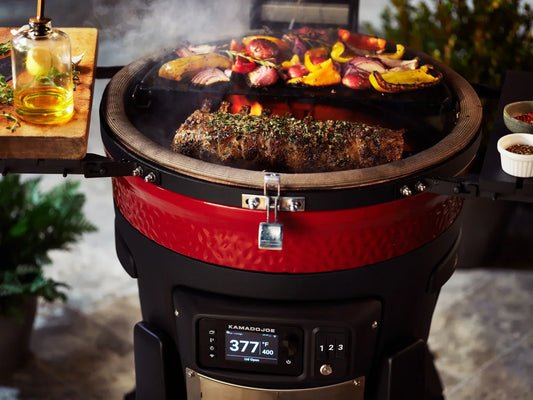
If you’ve ever wondered how to get the most out of your Kamado grill, understanding its cooking zones is the key. Knowing where to place your food can make the difference between a perfect steak and a disappointing meal.
You’ll discover how to use each zone to control heat, cook different foods simultaneously, and unlock flavors you didn’t know your grill could deliver. Ready to take your grilling skills up a notch? Keep reading and master the art of Kamado grill cooking zones.
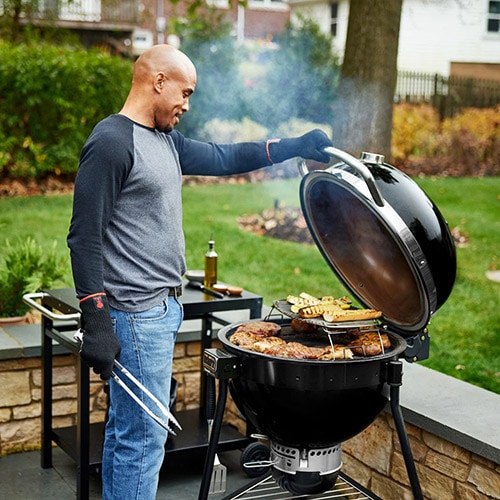
Credit: www.bbqguys.com
Kamado Grill Basics
Kamado grills are ceramic cookers that use charcoal for heat. They keep heat and moisture inside for better cooking.
These grills can cook food at different temperatures using zones. This makes them versatile for many recipes.
What Makes Kamado Unique
Kamado grills have thick ceramic walls that hold heat well. This helps keep a steady temperature for hours.
The shape of the grill is round and egg-like. This shape lets heat move evenly around the food.
- Thick ceramic retains heat and moisture
- Egg shape allows even heat circulation
- Uses charcoal for natural smoky flavor
- Can reach high or low cooking temperatures
Key Components And Features
Kamado grills have parts that help control heat and cooking zones. These include vents, charcoal baskets, and racks.
You can adjust the top and bottom vents to control airflow. This changes the temperature inside the grill.
- Top Vent:Controls air leaving the grill
- Bottom Vent:Controls air entering the grill
- Charcoal Basket:Holds the charcoal for even heat
- Cooking Racks:Different levels create cooking zones
- Heat Deflector:Used for indirect cooking
Heat Distribution In Kamado
Kamado grills use thick ceramic walls to cook food evenly. This design helps spread heat across the grill.
Understanding how heat moves inside a Kamado helps you cook better meals. It also shows why heat zones are important.
How Ceramic Retains Heat
Ceramic is a dense material that holds heat well. It absorbs heat and releases it slowly to keep temperature steady.
This heat retention means the grill stays hot for a long time. It uses less fuel and cooks food evenly without hot spots.
Airflow And Temperature Control
Airflow controls how hot your Kamado grill gets. More air means more oxygen for the fire, which raises the temperature.
You adjust airflow using vents at the top and bottom. Opening the vents increases heat, closing them lowers it.
- Bottom vent controls how much air enters the grill
- Top vent lets air escape, creating airflow
- Adjusting both vents changes the cooking zones inside
Main Cooking Zones
Kamado grills have different cooking zones. Each zone offers unique heat levels. Knowing these zones helps cook food perfectly.
The main cooking zones are direct heat, indirect heat, and radiant heat. Each zone suits different cooking styles and foods.
Direct Heat Zone
The direct heat zone is right above the fire. It provides high, intense heat. This zone is good for grilling and searing.
- Use for steaks, burgers, and vegetables
- Cook food quickly with a crispy outside
- Keep an eye on food to avoid burning
Indirect Heat Zone
The indirect heat zone uses heat that moves around the food. It is cooler than direct heat. This zone is ideal for slow cooking and smoking.
| Food Type | Best Use | Temperature Range |
| Ribs | Slow cooking | 225-275°F |
| Chicken | Smoking | 250-300°F |
| Larger roasts | Slow roasting | 225-300°F |
Radiant Heat Zone
Radiant heat comes from the ceramic walls and heat deflectors. It provides steady, even heat. This zone helps cook food gently and evenly.
Tips for using the radiant heat zone:
- Place heat deflectors to protect food from direct flames
- Use for baking bread or pizza
- Helps keep food moist during cooking

Credit: www.baillios.com
Setting Up Zones
Kamado grills work best with different cooking zones. These zones let you cook food at different temperatures.
Setting up zones helps you grill, smoke, or roast with control. You can cook fast or slow using the right heat spots.
Using Charcoal Placement
Place charcoal to create hot and cool zones. A pile of charcoal makes a hot zone for searing.
Spread charcoal thin on one side for lower heat. This side works for slow cooking or warming.
- Stack charcoal on one side for direct heat
- Spread charcoal evenly for uniform heat
- Leave one side empty for indirect heat
Adjusting Vents For Heat Control
Top and bottom vents control airflow and temperature. Open vents let in more air and increase heat.
Close vents slightly to lower the temperature. Fine-tune vents to keep steady heat in each zone.
- Open bottom vent for more oxygen and higher heat
- Close bottom vent to reduce heat
- Use top vent to release smoke and control airflow
- Adjust vents slowly for stable temperature
Using Heat Deflectors
Heat deflectors block direct heat from charcoal. They create an indirect cooking zone for slow cooking.
Place deflectors above the charcoal and below the cooking grate. This helps cook food evenly without burning.
- Use ceramic or metal heat deflectors
- Place deflectors on one side for two-zone cooking
- Stack deflectors for more heat protection
- Remove deflectors for direct grilling
Cooking Techniques Per Zone
Kamado grills use different heat zones to cook food in many ways. Each zone suits a special cooking style.
Understanding these zones helps you cook meals perfectly every time. Let’s explore the main cooking techniques.
Searing On Direct Heat
Searing cooks food fast at high temperatures. Place your food right above the coals for direct heat.
- Use this zone for steaks, burgers, and chops
- Preheat the grill to reach very hot temperatures
- Cook each side quickly for a crispy crust
- Keep the lid open or closed depending on the food
Slow Cooking On Indirect Heat
Indirect heat cooks food slowly and evenly. Place food away from the coals to avoid burning.
| Food Type | Temperature Range | Cooking Time |
| Ribs | 225°F – 275°F (107°C – 135°C) | 4 to 6 hours |
| Brisket | 225°F – 250°F (107°C – 121°C) | 8 to 12 hours |
| Pulled Pork | 225°F – 275°F (107°C – 135°C) | 6 to 8 hours |
Baking With Radiant Heat
Radiant heat cooks food evenly from all sides. This zone works well for baking bread and pizza.
- Use a pizza stone or baking plate for best results
- Keep the lid closed to trap heat and moisture
- Maintain steady temperatures between 350°F and 500°F
- Check food often to avoid burning
Tips For Zone Management
Managing cooking zones on a Kamado grill helps you cook food evenly and safely.
Using different temperature zones lets you grill, smoke, or sear food with control.
Monitoring Temperatures
Check temperatures often to keep your food cooking right. Use built-in gauges or a digital thermometer.
- Place the thermometer at different spots in the grill.
- Watch for hot and cool areas inside the dome.
- Adjust vents to control airflow and heat.
- Keep a close eye on temperature changes during cooking.
Maintaining Consistent Heat
Keep heat steady to avoid overcooking or undercooking your food. Adjust charcoal and vents carefully.
| Action | Reason |
| Adjust bottom vent slowly | Controls oxygen and temperature rise |
| Add small amounts of charcoal | Prevents sudden temperature spikes |
| Close lid quickly after opening | Maintains internal heat levels |
| Use water pan | Keeps air moist and stabilizes heat |
Switching Between Zones
Move food between hot and cool zones to cook it perfectly. Use indirect heat for slow cooking and direct heat for searing.
- Start with searing on the hot zone to lock juices.
- Move food to cooler zone to finish cooking slowly.
- Use zone switching to avoid burning delicate foods.
- Keep lids closed to keep temperature stable during moves.
Recipes Ideal For Each Zone
Kamado grills have different cooking zones. Each zone works best for certain recipes. Understanding these zones helps you cook food perfectly.
We will look at recipes that suit direct heat, indirect heat, and radiant heat zones on a Kamado grill.
Steaks And Burgers For Direct Heat
Direct heat is very hot and cooks food quickly. It is best for steaks and burgers. The food gets a nice sear and stays juicy inside.
Place steaks or burgers directly over the fire. Turn them often to avoid burning. Cooking times are short, usually a few minutes per side.
- Ribeye steak
- Cheeseburgers
- Sirloin steaks
- Beef patties
- Hot dogs
Ribs And Pulled Pork For Indirect Heat
Indirect heat cooks food slowly at lower temperatures. It is perfect for ribs and pulled pork. The meat becomes tender and full of flavor.
Place the meat away from direct flames. Use a drip pan to catch juices. Cook for several hours to break down the tough fibers.
- Pork ribs
- Beef brisket
- Pulled pork shoulder
- Whole chicken
- Smoked turkey
Bread And Pizza For Radiant Heat
Radiant heat comes from the hot ceramic walls inside the Kamado. It cooks evenly and gently. This heat is great for bread and pizza.
The heat surrounds the food, baking it thoroughly. You get a crispy crust and soft inside. Use a pizza stone or baking steel for best results.
- Neapolitan pizza
- Sourdough bread
- Focaccia
- Cinnamon rolls
- Flatbreads
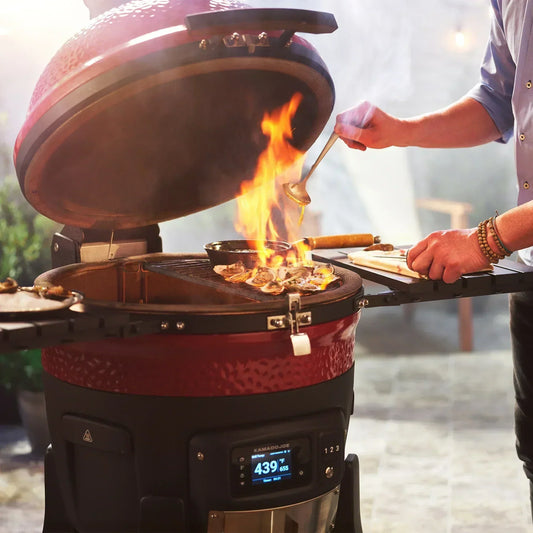
Credit: www.kamadojoe.com
Frequently Asked Questions
What Are The Main Kamado Grill Cooking Zones?
Kamado grills have direct, indirect, and warming zones. Direct heat is for searing, indirect for slow cooking, and warming keeps food hot. This setup allows versatile cooking styles on one grill, enhancing flavor and control.
How Do Kamado Cooking Zones Affect Grilling Results?
Different zones create varied temperatures. High heat zones sear meat quickly. Low heat zones cook food evenly and slowly. This method ensures perfect texture and flavor for diverse recipes.
Can Kamado Grills Cook Multiple Foods Simultaneously?
Yes, Kamado grills use cooking zones to cook various foods at once. You can sear steak on direct heat while roasting vegetables on indirect heat. This multitasking saves time and adds convenience.
How To Set Up Kamado Grill Cooking Zones?
Adjust charcoal placement and vents to create heat zones. Place coals on one side for direct heat. Leave the other side clear for indirect cooking. Control airflow to regulate temperature.
Conclusion
Kamado grill cooking zones help control heat for perfect results. Use direct heat for searing meats quickly. Indirect heat suits slow cooking and smoking. Adjust vents to change temperature easily. Knowing these zones makes grilling simple and fun. Try different zones to find what works best.
Enjoy tasty meals with less guesswork. Keep practicing to improve your grilling skills. Your kamado grill offers many cooking options. Experiment and enjoy every cookout experience.