
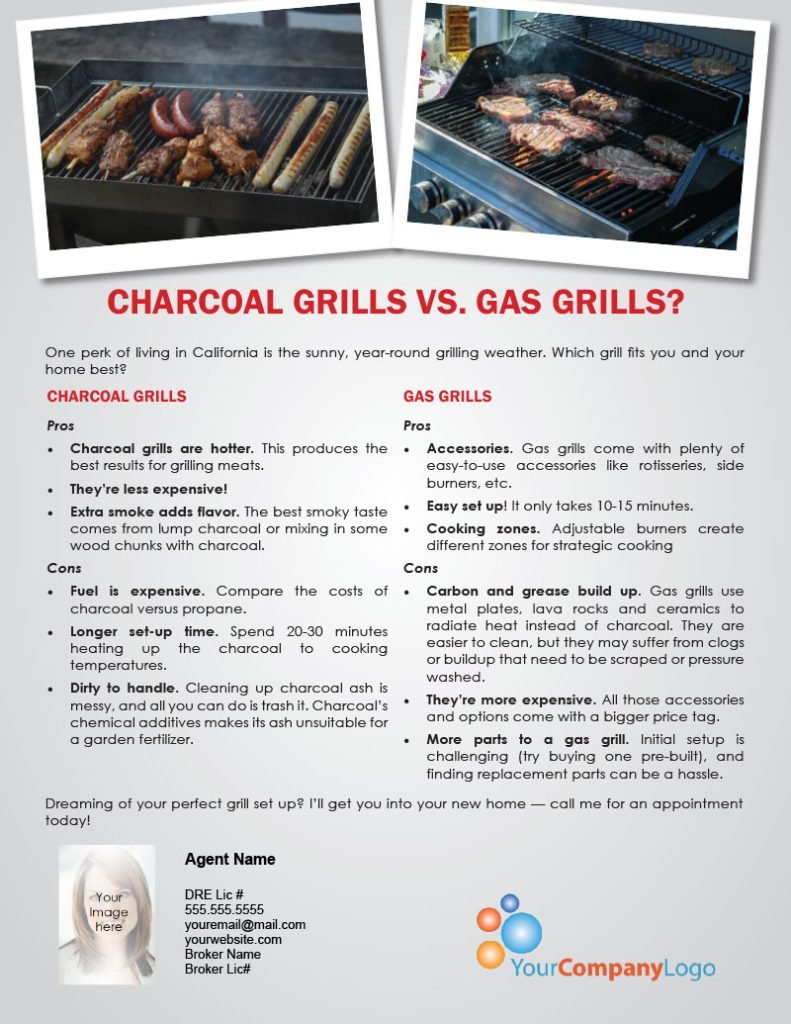
Are you trying to decide between a charcoal grill and a gas grill for your next barbecue? Choosing the right grill can change the way you cook and enjoy your meals.
You want something that fits your style, tastes great, and is easy to use. But which one is better for you? Charcoal grills offer smoky flavor and a classic feel, while gas grills promise quick heat and convenience. Keep reading to find out which grill matches your needs and how it can make your next cookout unforgettable.

Credit: www.youtube.com
Charcoal Grill Basics
Charcoal grills use charcoal briquettes or lump charcoal as fuel. They provide a traditional way to cook outdoors.
Many people choose charcoal grills for the unique flavor and experience they offer. They require more attention than gas grills.
How Charcoal Grills Work
Charcoal grills burn charcoal to create heat. The heat cooks the food placed on a grate above the coals.
Air flows through vents under the grill to keep the charcoal burning. Opening vents increases heat, closing them lowers heat.
- Light the charcoal with lighter fluid or a chimney starter
- Wait for coals to turn grayish-white before cooking
- Arrange coals for direct or indirect heat zones
Flavor Profile And Smoke
Charcoal grills add a smoky flavor to food. The smoke comes from burning charcoal and any wood chips used.
This smoky taste is often stronger than what you get from gas grills. Many people enjoy the rich flavor charcoal provides.
- Charcoal smoke gives food a deep, bold flavor
- Wood chips add different smoke aromas like hickory or mesquite
- Fat drippings cause smoke that enhances taste
Heat Control Techniques
Controlling heat on a charcoal grill is important for cooking food well. You adjust heat by managing airflow and coal placement.
Using the grill vents helps control how hot the fire gets. Moving coals or adding more charcoal changes heat zones.
- Open vents fully for high heat
- Partially close vents to lower heat
- Spread coals for even heat, pile them for hot spots
- Use a water pan to reduce flare-ups and keep food moist
Popular Charcoal Grill Models
There are many charcoal grills available. Some are simple and small, others are large with extra features.
- Kettle grills: round shape, good for direct and indirect cooking
- Barrel grills: larger size, often with side fireboxes for smoking
- Kamado grills: ceramic, keep heat and moisture well
- Portable grills: small, easy to carry for camping or picnics
Gas Grill Essentials
Gas grills offer a popular way to cook outdoors. They use gas as fuel instead of charcoal. Many people like gas grills for their ease and speed.
This guide explains how gas grills work and what makes them convenient. It also covers temperature control and top models to consider.
Mechanics Of Gas Grills
Gas grills run on propane or natural gas. A burner ignites the gas to create heat. The heat cooks food on a metal grate above the burner.
Most gas grills have multiple burners. This lets you cook food at different heat levels at the same time. A valve controls gas flow to each burner.
Convenience And Speed
Gas grills heat up quickly and are ready to use in minutes. You just turn the knob and press the igniter. There is no need to wait for charcoal to burn.
- No messy charcoal or ash to clean
- Easy start with a push-button igniter
- Can cook multiple foods at once
- Quick heat control for different recipes
Temperature Regulation
Gas grills offer precise temperature control. You adjust the heat by turning burner knobs. This helps cook food evenly and avoids burning.
| Temperature Range | Cooking Use |
| Low (200°F – 300°F) | Slow cooking, warming |
| Medium (300°F – 450°F) | Regular grilling, burgers |
| High (450°F – 600°F) | Searing steaks, fast cooking |
Top Gas Grill Options
There are many gas grills on the market. They vary by size, number of burners, and features. Choose one that fits your needs and space.
- Two-burner grills for small families or patios
- Four-burner grills for larger gatherings
- Grills with side burners for extra cooking space
- Models with built-in thermometers and storage
Flavor Comparison
Choosing between a charcoal grill and a gas grill affects the flavor of your food. Each type of grill gives a different taste experience. Understanding these differences helps you pick the best grill for your meals.
This article looks at how taste, smoke, and marinades change with charcoal and gas grilling. These factors make a big difference in your cooking results.
Taste Differences
Charcoal grills often give food a rich and smoky flavor. The slow burn of charcoal adds a depth that many people enjoy. Gas grills cook faster and give a cleaner taste. This lets the natural flavor of the food stand out more.
- Charcoal grills add smoky, bold flavors.
- Gas grills provide a lighter, natural taste.
- Charcoal heat can be less even, affecting taste.
- Gas grills offer steady heat for consistent flavor.
Smoke Impact On Food
Smoke plays a key role in grilling flavor. Charcoal grills produce thick smoke that seeps into the food. This smoke adds a strong, woodsy taste. Gas grills create less smoke, so the smoky flavor is mild or missing.
| Grill Type | Smoke Level | Flavor Effect |
|---|---|---|
| Charcoal Grill | High | Strong smoky, wood-fired taste |
| Gas Grill | Low | Light or no smoky flavor |
Marinades And Rubs Compatibility
Both grill types work well with marinades and rubs. Charcoal’s smoke can change how spices taste, often making them richer. Gas grills keep the spice flavors clear and bright. Some marinades react better to the heat style of each grill.
- Charcoal grills enhance smoky and spicy rubs.
- Gas grills preserve fresh and herbal marinade flavors.
- Use thicker marinades on charcoal to stand up to smoke.
- Gas grilling suits lighter, citrus-based marinades.
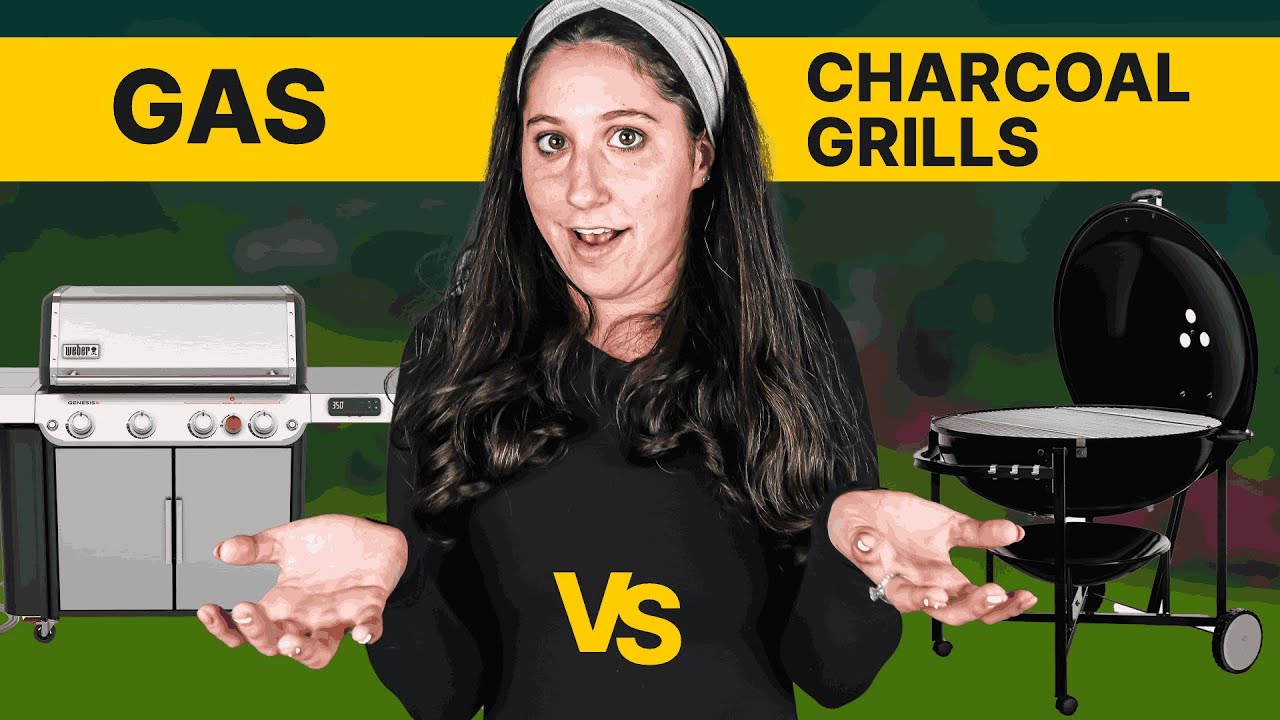
Credit: www.youtube.com
Cooking Performance
Choosing between a charcoal grill and a gas grill affects your cooking results. Each type offers different heat control and flavor options.
Understanding how they perform helps you pick the right grill for your needs.
Heat Distribution
Charcoal grills provide direct heat from burning coals. Heat spreads unevenly, with hotter and cooler spots. This requires moving food around to avoid burning.
Gas grills use burners that produce steady, even heat across the cooking surface. This makes it easier to cook food evenly without constant attention.
Cooking Time
Charcoal grills take longer to heat up. They need about 15 to 30 minutes to reach cooking temperature. Cooling down also takes time after cooking.
Gas grills heat up quickly, usually within 5 to 10 minutes. They allow faster start and stop during cooking, saving time overall.
- Charcoal grill heating time: 15-30 minutes
- Gas grill heating time: 5-10 minutes
- Charcoal cool down: slow
- Gas grill cool down: fast
Versatility And Techniques
| Grill Type | Techniques | Versatility |
|---|---|---|
| Charcoal Grill | Direct heat, indirect heat, smoking | Good for searing and smoky flavors |
| Gas Grill | Direct heat, indirect heat, controlled temperature zones | Better for quick cooking and temperature control |
Charcoal grills add smoky flavor that many enjoy. Gas grills offer more control over temperature settings and cooking zones.
Cost And Maintenance
Choosing between a charcoal grill and a gas grill depends on cost and upkeep. Both types have different expenses and cleaning needs.
Understanding these factors helps you pick the grill that fits your budget and lifestyle.
Initial Investment
Charcoal grills usually cost less to buy at first. They are simple in design and cheaper to make.
Gas grills often have a higher price. They need more parts like burners and ignition systems.
- Charcoal grill: lower starting price
- Gas grill: higher starting price
- Gas grills often come with extra features
Fuel Expenses
Charcoal fuel can cost less per bag but burns faster. You need to buy it often for long cooking.
Gas grills use propane or natural gas. These fuels last longer and cost less over time.
- Charcoal: frequent fuel purchase
- Gas: fuel lasts longer per use
- Gas is usually cheaper in the long run
Cleaning And Upkeep
Charcoal grills need ash removal after every use. The grill grates also need scrubbing to remove residue.
Gas grills require cleaning burners and drip trays. They need less frequent but careful maintenance.
- Charcoal: remove ash and clean grates often
- Gas: clean burners and trays regularly
- Both need rust protection to last longer

Credit: ddrbbqsupply.com
Health And Safety
Grilling is a popular way to cook food outdoors. Choosing between charcoal and gas grills affects health and safety.
Understanding risks helps you grill safely and enjoy your meals.
Smoke And Carcinogens
Charcoal grills produce more smoke than gas grills. Smoke contains harmful chemicals called carcinogens.
Carcinogens can increase the risk of cancer if inhaled or eaten often.
- Charcoal smoke has more polycyclic aromatic hydrocarbons (PAHs)
- Gas grills produce less smoke and fewer carcinogens
- Marinating meat reduces harmful chemical formation
Fire Hazards
Charcoal grills use hot coals that can cause burns and fires if not handled carefully.
Gas grills use propane or natural gas, which can leak and cause explosions if damaged.
- Keep charcoal ashes away from flammable materials
- Check gas hoses for cracks or leaks before use
- Never leave grills unattended while cooking
Safe Operating Practices
Use grills in open, well-ventilated areas to avoid smoke buildup and gas leaks.
Wear heat-resistant gloves and keep a fire extinguisher nearby during grilling.
- Light charcoal with a chimney starter, not lighter fluid
- Turn off gas supply immediately after cooking
- Keep children and pets away from hot grills
Environmental Impact
Grills are popular for outdoor cooking. Choosing between charcoal and gas grills affects the environment. This article looks at their impact on nature.
We will explore carbon footprint, sustainability, and waste from both types. Understanding these helps you make better choices.
Carbon Footprint
Charcoal grills release more carbon dioxide than gas grills. Charcoal burns wood, which adds carbon to the air. Gas grills use propane or natural gas, which burns cleaner.
- Charcoal produces about twice the CO2 of gas per hour of use.
- Gas grills emit fewer pollutants and greenhouse gases.
- Charcoal production involves cutting trees, adding to emissions.
Sustainability Considerations
Charcoal comes from wood, a renewable resource if harvested well. Gas is a fossil fuel, which is limited and causes pollution when extracted. Both have pros and cons in sustainability.
| Factor | Charcoal Grill | Gas Grill |
|---|---|---|
| Fuel Source | Wood (renewable if managed) | Propane/Natural Gas (fossil fuels) |
| Resource Use | Requires tree cutting | Requires drilling and refining |
| Longevity | Charcoal bags may vary in sustainability | Gas tanks refillable and reusable |
Waste And Emissions
Charcoal grills create ash that needs disposal. Gas grills leave little residue. Both release smoke, but charcoal smoke has more harmful particles.
- Charcoal ash can harm soil if dumped carelessly.
- Gas grills produce less smoke and fewer particles.
- Charcoal smoke contains chemicals that affect air quality.
- Gas leaks, if any, can be hazardous but are rare with proper care.
Choosing The Right Grill
Picking between a charcoal grill and a gas grill depends on your needs. Each grill type offers unique benefits and challenges.
Think about how you plan to use the grill before making a choice. This helps you pick the best option for your lifestyle.
Lifestyle And Usage Needs
Charcoal grills give food a smoky flavor. They need more time to heat up and clean after use.
Gas grills start quickly and offer easy temperature control. They are good for fast cooking and everyday use.
- Charcoal grills suit those who enjoy traditional grilling.
- Gas grills fit people who want convenience and speed.
- Consider how often you grill and how much effort you want to spend.
Space And Portability
Charcoal grills are often smaller and lighter. They work well for small patios or camping trips.
Gas grills can be bulky and need a gas connection. Some models are portable but usually larger than charcoal grills.
- Choose charcoal if you need a grill that is easy to move.
- Gas grills are better for fixed outdoor kitchens.
- Think about where you will store and use the grill.
Budget Constraints
Charcoal grills usually cost less at first. You will spend money on charcoal over time.
Gas grills cost more upfront. They use propane or natural gas, which can add to running costs.
| Type | Initial Cost | Fuel Cost |
|---|---|---|
| Charcoal Grill | Lower | Moderate (charcoal purchase) |
| Gas Grill | Higher | Variable (propane or natural gas) |
Frequently Asked Questions
What Are The Main Differences Between Charcoal And Gas Grills?
Charcoal grills use burning charcoal for heat, creating smoky flavors. Gas grills use propane or natural gas, providing quick, adjustable heat and convenience. Charcoal grills offer richer taste, while gas grills are easier to control and clean.
Which Grill Type Cooks Food Faster, Charcoal Or Gas?
Gas grills cook food faster due to instant heat control and steady flames. Charcoal grills take longer to heat up and require more time to manage temperature.
Is Charcoal Grilling Better For Flavor Than Gas Grilling?
Yes, charcoal grilling imparts a smoky, rich flavor due to charcoal combustion. Gas grills produce cleaner heat but lack the deep smoky taste of charcoal.
Which Grill Is Easier To Clean And Maintain?
Gas grills are easier to clean, with fewer ashes and simpler controls. Charcoal grills create ash residue, requiring more thorough cleaning after each use.
Conclusion
Choosing between charcoal and gas grills depends on your needs and taste. Charcoal grills offer smoky flavor and traditional cooking style. Gas grills provide quick heat and easy temperature control. Both have pros and cons worth considering. Think about how often you grill and what flavors you prefer.
Either way, enjoy your outdoor cooking and good food. Grilling brings people together and makes meals special. So pick the grill that fits your lifestyle best.