
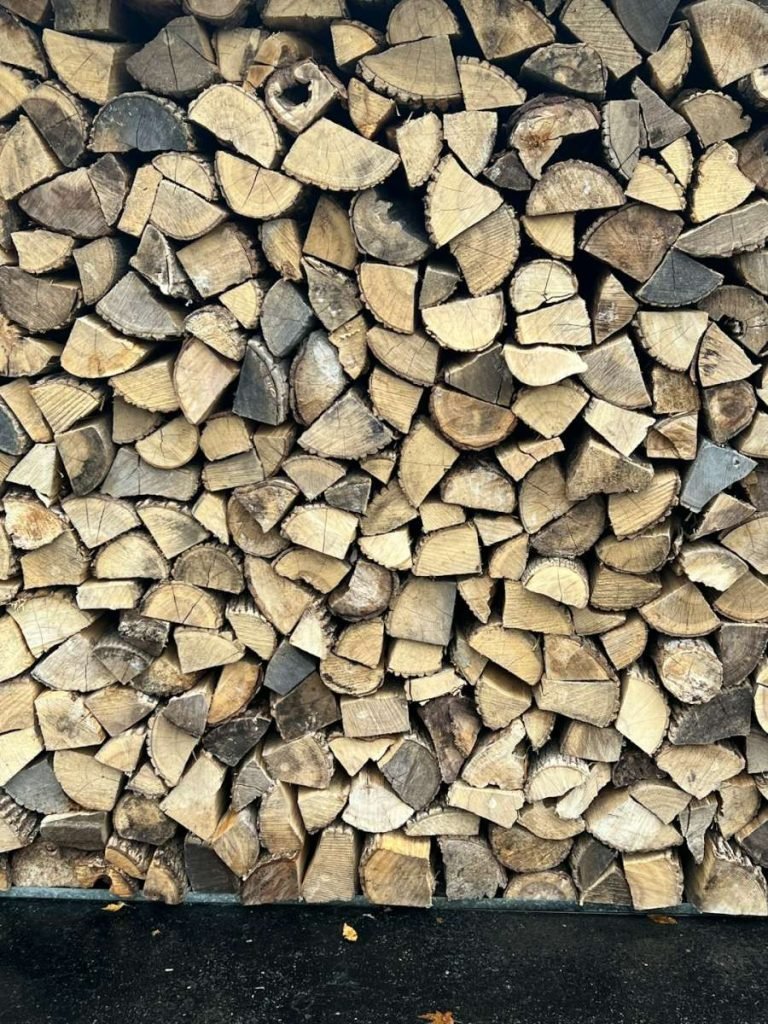
Are you wondering if you can use wood instead of charcoal for your next barbecue or grilling session? You’re not alone.
Many people ask this question because both fuel options seem similar but can affect the taste, heat, and overall experience differently. Choosing the right fuel can make or break your cooking, and understanding the differences will help you get the best results every time.
Keep reading, and you’ll discover everything you need to know before making your decision.
Credit: www.cuttingedgefirewood.com
Wood Vs Charcoal
Many people wonder if they can use wood instead of charcoal for grilling. Both fuels have pros and cons. Choosing the right one depends on your needs and taste.
This article explains the main differences between wood and charcoal. It covers fuel types, flavor impact, and burning properties.
Differences In Fuel Types
Wood is the natural form of fuel made from trees. Charcoal is wood that has been burned slowly with little air. This process removes water and other parts.
Charcoal is denser and burns cleaner than wood. Wood can have moisture and bark that create more smoke and ash.
- Wood: Natural, contains moisture, bark, and sap
- Charcoal: Burned wood, dry, fewer impurities
- Charcoal burns more evenly than raw wood
Impact On Flavor
Wood smoke adds a strong, natural flavor to food. Different types of wood create different tastes. Charcoal gives a milder, smoky flavor.
Using wood can give a unique taste but may produce more smoke. Charcoal is easier to control and produces less strong smoke flavor.
- Wood: Strong, varied smoky flavors
- Charcoal: Mild, consistent smoky taste
- Wood smoke can change food flavor more
Burning Temperature And Duration
Charcoal burns hotter and longer than wood. It can reach temperatures above 700°F (370°C). Wood burns at lower temperatures and needs more attention.
Wood burns faster and creates more ash. Charcoal lasts longer and gives steady heat, which is good for grilling and smoking.
| Fuel Type | Burning Temperature | Burn Duration | Heat Control |
|---|---|---|---|
| Wood | Lower (up to 600°F) | Shorter | Harder to control |
| Charcoal | Higher (up to 700°F+) | Longer | Easier to control |

Credit: ddrbbqsupply.com
Environmental Impact
Using wood instead of charcoal has different effects on the environment. It is important to look at how each option affects the planet.
This section explains the carbon footprint, sustainability, and production concerns of wood and charcoal.
Carbon Footprint Comparison
Wood and charcoal release carbon when burned. The amount depends on how they are made and used.
Charcoal needs extra energy to make, which adds to its carbon footprint. Wood is burned directly, so it may release less carbon overall.
- Charcoal production emits more carbon dioxide.
- Burning wood releases carbon but skips extra processing.
- Using dry, local wood reduces carbon output.
Sustainability Of Wood Sources
Wood sustainability depends on where and how the trees grow. Using wood from healthy forests is better for nature.
Charcoal often comes from wood that is not sustainably harvested. This can cause forest loss and harm wildlife habitats.
- Choose wood from certified sustainable forests.
- Avoid wood from deforested or endangered areas.
- Charcoal may come from unknown or illegal sources.
Charcoal Production Concerns
Making charcoal uses a process called pyrolysis, which burns wood slowly without oxygen. This produces smoke and harmful gases.
Charcoal production can pollute the air and water. It also uses a lot of wood, leading to more tree cutting.
- Charcoal production creates air pollution.
- It wastes wood by burning it partially.
- Wood burning for charcoal can cause deforestation.
Choosing The Right Wood
Using wood instead of charcoal can give your BBQ a unique flavor. Picking the right wood is important for good taste and safe cooking.
Different woods burn in different ways. Some woods add strong flavors, while others are mild. Knowing which wood to use helps you cook better.
Types Of Wood Suitable For Bbq
Hardwoods work best for BBQ. They burn longer and give nice smoke. Some woods add special flavors to your food.
- Hickory: Strong, smoky flavor for meats like pork and beef
- Oak: Mild and versatile, good for many types of BBQ
- Maple: Sweet and light smoke, great for poultry
- Apple: Fruity and sweet, ideal for pork and chicken
- Cherry: Adds a mild, sweet flavor and nice color
Avoiding Toxic Woods
Not all wood is safe for BBQ. Some woods can release harmful chemicals when burned. Avoid woods that are treated or painted.
Stay away from softwoods like pine or cedar. These woods have resin that makes food taste bad and can be toxic.
- Do not use treated or painted wood
- Avoid softwoods like pine, fir, or spruce
- Skip wood with resin or sap
- Never use wood from unknown sources
Seasoning And Preparing Wood
Wood must be dry before burning. Wet wood creates smoke that tastes bad and makes cooking hard. Season wood for at least six months.
Cut wood into small pieces to help it burn well. Store wood in a dry place with air flow to keep it dry.
- Split wood into manageable chunks
- Dry wood for at least six months
- Store wood off the ground in a dry area
- Check wood for mold or insects before use
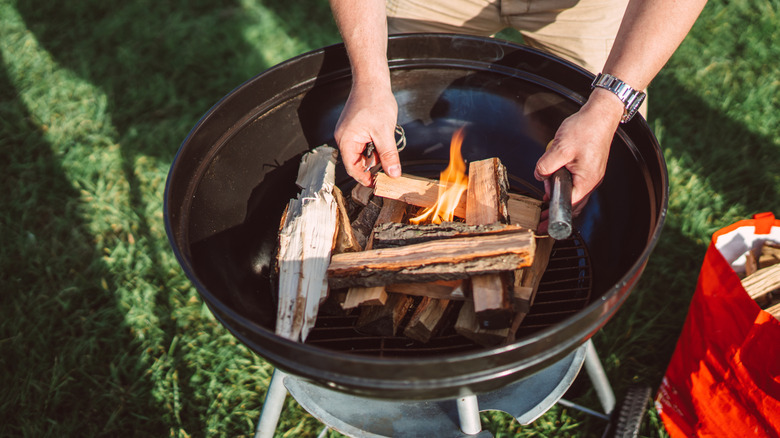
Credit: www.tastingtable.com
Practical Tips For Wood Bbq
Using wood instead of charcoal can give your BBQ a unique smoky flavor. Wood burns differently and needs special care. Knowing how to handle wood will improve your grilling experience.
This guide shares simple tips for starting fires, controlling heat, and staying safe while BBQing with wood.
Starting And Maintaining The Fire
Use dry, seasoned wood to start your fire. Wet or green wood makes smoke and is hard to burn. Arrange small pieces first, then add larger logs as the fire grows.
Keep an eye on the fire and add wood little by little. This helps keep a steady flame and good cooking heat.
- Use kindling or fire starters to light the fire.
- Build a small pyramid or teepee shape with wood.
- Add bigger logs after the flames catch well.
- Do not add too much wood at once.
Controlling Heat Levels
Wood fires can get very hot fast. Control heat by moving the wood or coals around. You can also raise or lower the grill grate to change cooking temperature.
Use different wood types for different heat and flavor. Hardwoods like oak burn longer and hotter. Softwoods burn faster and give more smoke.
- Spread coals to lower heat.
- Pile coals for higher heat.
- Use vents to control airflow and fire intensity.
- Keep some wood on hand to adjust heat as needed.
Safety Precautions
Wood fires can be dangerous if not handled carefully. Always keep water or a fire extinguisher nearby. Never leave the fire unattended while cooking.
Make sure your BBQ area is clear of flammable materials. Use gloves and tools to handle hot wood or grills.
- Keep a bucket of water or sand nearby.
- Do not wear loose clothing near the fire.
- Place the grill on a stable, non-flammable surface.
- Fully extinguish the fire after cooking.
Cost And Availability
Using wood instead of charcoal for cooking or heating can change how much you spend. Wood and charcoal differ in price and how easy they are to find. This affects your choice.
Knowing about price and availability helps you decide if wood is a good alternative to charcoal.
Price Comparison
Wood is usually cheaper than charcoal, but prices vary by location. Charcoal costs more because it takes extra work to make. Wood can be bought directly as firewood.
- Wood costs less per pound than charcoal
- Charcoal burns hotter and longer, so you use less
- Charcoal price depends on production and transport
- Wood price depends on type and dryness
Local Availability Of Wood
Wood is often easier to find in rural or forest areas. Charcoal is more common in cities and towns. This depends on local resources and markets.
In some places, wood is free or very cheap if you collect it yourself. Charcoal usually needs to be bought at stores or markets.
- Wood is common near forests or farms
- Charcoal is sold in most grocery or hardware stores
- Wood can be gathered or bought in bulk
- Charcoal supply depends on production facilities
Storage And Handling
Wood needs more space for storage because it is bulkier. It must be kept dry to burn well. Charcoal is lighter and stores easily in small containers.
Handling wood can be harder because it is heavier and may have dirt or insects. Charcoal is cleaner and easier to carry.
- Wood requires dry, ventilated storage space
- Wood pieces can be heavy and uneven
- Charcoal stores in bags or boxes
- Charcoal produces less dust and debris
Flavor Profiles And Cooking Styles
Using wood instead of charcoal changes the flavor of your food. Wood smoke adds distinct tastes based on the type of wood. Different cooking styles also work well with wood.
Choosing the right wood and cooking method can enhance your barbecue experience. Learn how wood smoke varies and which foods pair best with it.
Wood Smoke Flavor Variations
Each type of wood gives a unique flavor. Some woods are mild, while others are strong. Here are common wood types and their flavors.
- Hickory: Strong, bacon-like smoky flavor
- Apple: Sweet and fruity smoke
- Mesquite: Intense and earthy, good for quick cooks
- Cherry: Mild and sweet with a hint of fruit
- Oak: Medium smoky flavor, very versatile
Best Foods For Wood Bbq
Some foods taste better with wood smoke. Wood pairs well with meats and vegetables that can absorb its flavor.
| Food | Recommended Wood | Flavor Note |
| Beef Brisket | Oak, Hickory | Rich, smoky |
| Pork Ribs | Apple, Cherry | Sweet and mild |
| Chicken | Apple, Hickory | Sweet or strong smoke |
| Fish | Alder, Cherry | Light and fruity |
| Vegetables | Mesquite, Oak | Earthy and bold |
Cooking Techniques With Wood
Wood allows many cooking styles. You can smoke, grill, or roast with wood smoke. Each method changes the taste and texture.
- Smoking: Cook slow with low heat and wood smoke for tender meat.
- Grilling: Use direct heat and wood to add quick smoky flavor.
- Roasting: Combine dry heat and wood smoke for rich taste.
- Barbecuing: Cook with indirect heat and wood smoke for hours.
Frequently Asked Questions
Can Wood Replace Charcoal For Grilling?
Yes, wood can replace charcoal for grilling. It burns hotter and imparts a smoky flavor. However, wood requires more skill to maintain consistent heat.
Is Wood Better Than Charcoal For Bbq?
Wood offers a natural smoky taste but burns faster than charcoal. Charcoal provides steady, longer-lasting heat, making it better for low and slow cooking.
What Types Of Wood Are Safe For Cooking?
Hardwoods like oak, hickory, maple, and fruitwoods are safe for cooking. Avoid softwoods and treated wood, as they release harmful chemicals and toxins.
How Does Wood Affect Cooking Temperature?
Wood burns hotter but less consistently than charcoal. You must monitor the fire closely to maintain proper cooking temperature and avoid flare-ups.
Conclusion
Wood can be a good option for grilling instead of charcoal. It adds a unique flavor to food that many enjoy. Keep in mind, wood burns faster and needs more attention. Always choose dry, safe wood for cooking. Experiment with both to find what suits your taste best.
Cooking outdoors becomes fun with the right fuel choice. Try wood next time and see the difference yourself.