
Are you tired of guessing how long to cook your favorite foods on your electric grill? You’re not alone.
Getting the timing right can make all the difference between juicy, flavorful meals and dry, overcooked ones. That’s why having a clear, easy-to-follow electric grill cooking chart is a game changer. In this guide, you’ll discover the perfect cooking times and temperatures for a variety of foods, so you can grill like a pro every time.
Keep reading, and say goodbye to uncertainty and hello to delicious results!
Credit: www.cuisinart.com
Choosing The Right Electric Grill
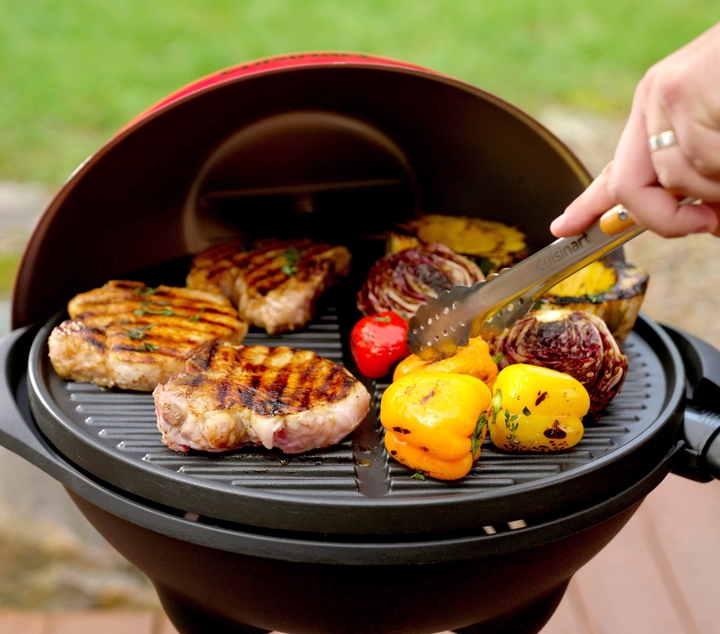
Electric grills are a good choice for indoor and outdoor cooking. They cook food evenly and are easy to use.
Picking the right electric grill helps you enjoy tasty meals safely and simply.
Types Of Electric Grills
There are different types of electric grills to fit your cooking needs. Each type has its own benefits.
- Contact grills have plates on both sides to cook food quickly.
- Open grills have one heating surface and allow more smoke flavor.
- Smokeless grills use special technology to reduce smoke for indoor use.
- Portable grills are small and easy to carry for picnics or camping.
Key Features To Consider
Look for features that make grilling easier and safer. These features help you cook better meals.
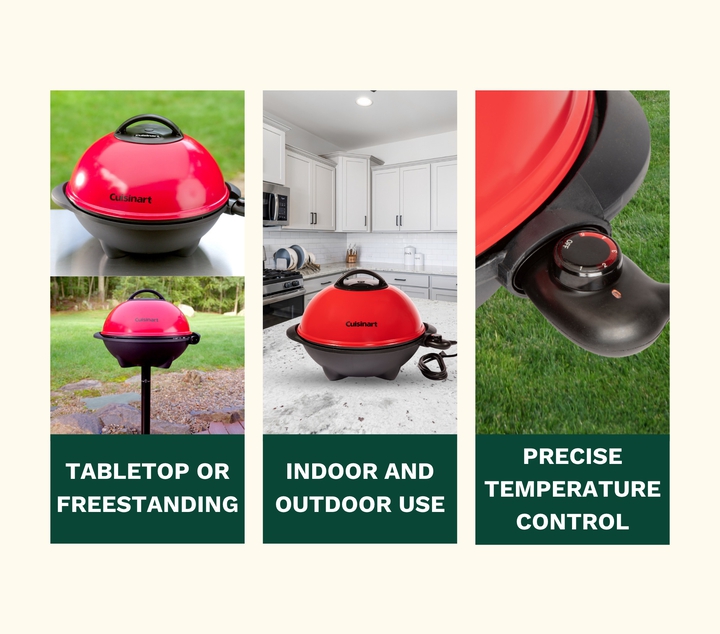
- Adjustable temperature control lets you cook different foods well.
- Non-stick surfaces make cleaning quick and simple.
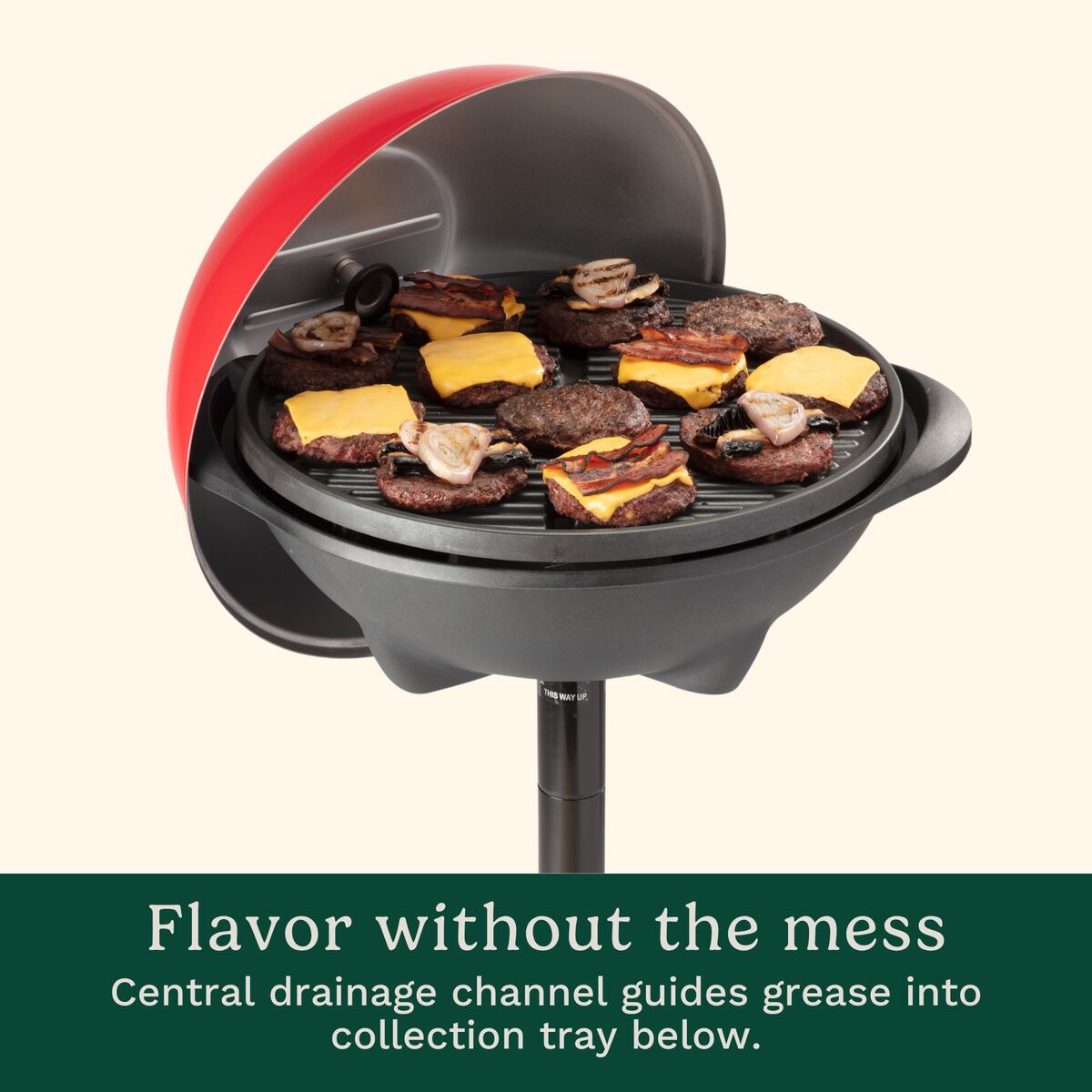
- Removable drip trays catch fat and keep your grill clean.
- Even heat distribution helps cook food evenly on all sides.
- Size and cooking area should match how much food you cook.
Safety Tips For Electric Grilling
Safety is important when using electric grills. Follow tips to avoid accidents and burns.
- Always use the grill on a flat, stable surface away from water.
- Keep the grill clean to prevent grease fires.
- Unplug the grill when not in use and before cleaning.
- Use heat-resistant gloves when handling hot parts.
- Do not use metal utensils on non-stick surfaces to avoid damage.
Essential Grilling Temperatures
Grilling with the right temperature keeps your food tasty and safe. Different foods need different heat levels to cook well.
Using low, medium, or high heat can change the texture and flavor of your grilled meals. Knowing these ranges helps you cook better.
Low Heat Range
Low heat grills between 200°F and 300°F. It works well for slow cooking and smoking foods. Use low heat to keep meat tender and avoid burning.
- Cook tough cuts of meat like brisket or ribs slowly
- Grill vegetables gently to keep them crisp
- Warm buns or melt cheese without burning
Medium Heat Range
Medium heat ranges from 300°F to 400°F. It is perfect for most grilling tasks. Foods cook evenly without charring the outside.
| Food | Temperature | Cooking Tips |
| Chicken Breast | 165°F | Cook through without drying |
| Pork Chops | 145°F | Juicy and tender |
| Fish Fillets | 145°F | Cook gently to avoid flaking |
| Vegetables | Varies | Grill until tender |
High Heat Range
High heat means 400°F to 550°F or more. Use it for quick searing and grilling thin cuts. It locks in juices and adds a nice crust.
Use high heat for:
- Steaks and burgers to get a seared crust
- Thin cuts of meat that cook fast
- Grilling vegetables with quick char marks
Cooking Times For Common Foods
Using an electric grill is a quick way to cook many foods. Knowing the right cooking time helps you get perfect results.
This chart shows common foods and their cooking times on an electric grill. Use it to plan your meals easily.
Beef Cuts
Beef cooks differently depending on the cut and thickness. Use medium heat for most cuts to keep them juicy.
| Beef Cut | Thickness | Cooking Time |
| Ribeye Steak | 1 inch | 4-5 minutes each side |
| Ground Beef Patties | 1/2 inch | 3-4 minutes each side |
| Sirloin Steak | 1 inch | 4-6 minutes each side |
| Beef Skewers | Chunks | 8-10 minutes total |
Poultry Options
Poultry needs to be cooked fully for safety. Use medium heat and check that juices run clear.
- Chicken breast: 6-8 minutes per side
- Chicken thighs: 7-9 minutes per side
- Turkey burger: 5-6 minutes per side
- Chicken wings: 20-25 minutes, turning often
Seafood Varieties
Seafood cooks quickly and can dry out if overcooked. Use high heat for short times.
| Seafood | Cooking Time | Notes |
| Salmon fillet | 3-4 minutes each side | Cook until opaque |
| Shrimp | 2-3 minutes each side | Turn pink and firm |
| Scallops | 2 minutes each side | Golden brown edges |
| Fish steaks | 4-5 minutes each side | Cook through but moist |
Vegetables And Fruits
Grilling vegetables and fruits adds flavor. Most take less time than meat.
- Bell peppers: 6-8 minutes, turning often
- Zucchini slices: 3-4 minutes each side
- Pineapple rings: 2-3 minutes each side
- Asparagus spears: 5-6 minutes, turn once
- Mushrooms: 5-7 minutes, until soft
Tips For Perfect Grill Marks
Grill marks make food look tasty and cooked just right. Getting clear marks takes a few tricks. Use the right heat and timing to get that perfect sear.
Electric grills need special care to avoid sticking and ensure even cooking. These tips will help you grill like a pro.
Preheating Techniques
Preheat your electric grill for at least 10 minutes. This makes the surface hot enough to create grill marks. Avoid opening the grill too soon to keep the heat steady.
- Turn on the grill to high heat before cooking
- Close the lid to trap heat inside
- Wait for the grill to reach 400°F (204°C)
- Test heat by placing your hand near the grill, it should feel very hot
Avoiding Sticking
Sticking ruins grill marks and makes flipping hard. Clean grill grates and oil your food or grill surface before cooking.
| Tip | Why It Helps |
| Clean grill grates before use | Removes old food and prevents sticking |
| Brush grill with oil or use spray | Creates a slick surface for easy release |
| Pat food dry before grilling | Reduces moisture that causes sticking |
| Use foods with firm texture | Helps keep shape and avoid sticking |
Flipping And Timing
Flip food only once to get clear grill marks. Timing is key. Let the food cook long enough on each side without moving it.
- Place food on grill and press gently
- Cook for 3 to 5 minutes without moving
- Check grill marks before flipping
- Flip using tongs, not a fork
- Cook the other side for the same time
Maintaining Your Electric Grill
Keeping your electric grill in good shape helps it last longer. Regular care keeps it working well.
Simple maintenance steps can prevent damage and keep your grill safe to use.
Cleaning After Each Use
Clean your grill after every use to remove food and grease. This stops buildup and smells.
Use a soft cloth or sponge with warm soapy water. Avoid harsh scrubbing that can damage surfaces.
- Unplug the grill and let it cool down
- Remove grill plates if possible
- Wash plates with mild soap and water
- Wipe the grill body with a damp cloth
- Dry all parts completely before reassembling
Preventing Rust And Damage
Keep your grill dry to stop rust. Water left on metal parts causes corrosion.
Use a cover to protect the grill from dust and moisture. Check parts for wear and tear often.
- Dry grill thoroughly after cleaning
- Apply a light layer of cooking oil on grill plates
- Store in a dry place away from humidity
- Inspect electrical cords for damage
- Replace worn parts promptly
Storage Recommendations
Store your electric grill in a safe spot to avoid damage. Keep it away from extreme heat or cold.
Cover the grill to keep dust and insects out. Proper storage keeps it ready for the next use.
- Unplug and clean the grill before storing
- Use a fitted grill cover or cloth
- Keep it in a dry, cool place
- Avoid stacking heavy items on top
- Check the grill occasionally while stored
Credit: www.cuisinart.com
Troubleshooting Common Issues
Electric grills are easy to use but can have some common problems. Knowing how to fix these issues saves time and frustration.
This guide covers uneven heating, smoke and odor control, and electrical problems. Each section offers simple tips to get your grill working well again.
Uneven Heating
Uneven heating can cause food to cook poorly. It usually happens because of dirt buildup or a faulty heating element.
- Clean the grill plates regularly to remove grease and food bits.
- Check the heating element for damage or wear.
- Avoid overloading the grill with too much food at once.
- Preheat the grill for 5 to 10 minutes before cooking.
Smoke And Odor Control
Smoke and bad smells often come from old grease or food stuck on the grill. Proper cleaning and ventilation help reduce these problems.
| Cause | Solution |
|---|---|
| Grease buildup | Clean grease tray and grill plates after each use |
| Food residue | Scrape grill plates and wipe with a damp cloth |
| Poor ventilation | Use grill in a well-ventilated area or near an open window |
Electrical Problems
Electrical issues can stop the grill from working. Check the power source and connections before assuming the grill is broken.
- Make sure the grill is plugged into a working outlet.
- Inspect the power cord for cuts or damage.
- Test the outlet by plugging in another device.
- Do not use the grill if the cord or plug is damaged; get it repaired.
Credit: www.cuisinart.com
Frequently Asked Questions
What Is An Electric Grill Cooking Chart?
An electric grill cooking chart guides ideal cooking times and temperatures. It helps achieve perfect results for different foods. Using it ensures even cooking and avoids under or overcooking. It’s a handy tool for beginners and pros alike.
How Long Should I Cook Steak On An Electric Grill?
Cooking steak on an electric grill usually takes 4-6 minutes per side. Time varies by thickness and desired doneness. Using a cooking chart helps set accurate temperatures and times. Always let steak rest a few minutes before serving for juiciness.
Can I Use The Chart For Vegetables On Electric Grills?
Yes, the cooking chart includes vegetables with specific times and heat settings. Most vegetables cook at medium heat for 5-10 minutes. The chart helps retain texture and flavor. Adjust time based on vegetable size and grill model.
Why Is Temperature Important In Electric Grill Cooking?
Temperature controls how evenly food cooks on an electric grill. The chart shows optimal heat for different foods to avoid burning. Maintaining correct temperature ensures food safety and best texture. Using a chart prevents guesswork and improves grilling results.
Conclusion
Using an electric grill becomes simple with a clear cooking chart. You can cook different foods at the right temperature and time. This helps food taste better and stay safe to eat. Keep the chart handy while grilling for easy reference.
Enjoy your meals without guesswork or stress. Practice often to know your grill well. Happy grilling!