
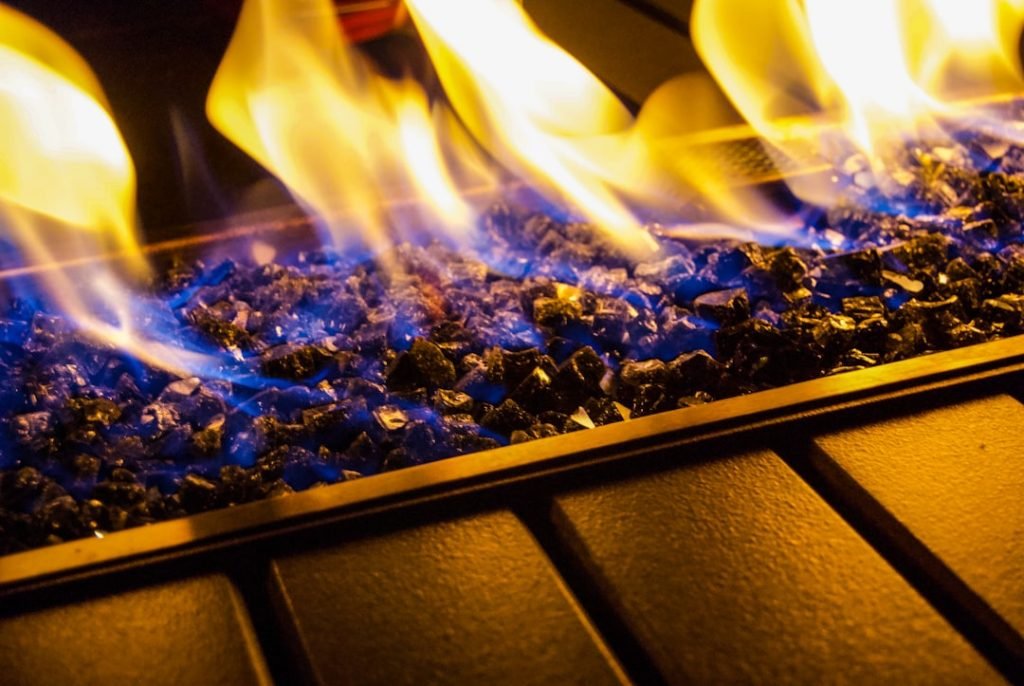
Are you planning to build an outdoor kitchen? One big question you might have is whether you really need fireproof materials.
After all, safety is key when cooking outdoors, but you also want your kitchen to look great and last for years. Choosing the right materials can protect your space from unexpected fires and keep your family safe. But how do you know what’s truly necessary?
Keep reading to discover why fireproof materials could be a smart choice for your outdoor kitchen—and how they can save you from costly damage and stress down the road.
Fire Risks In Outdoor Kitchens
Outdoor kitchens add fun to cooking but can have fire dangers. Knowing these risks helps keep you safe.
Fires can start quickly in outdoor areas. It is important to use safe materials and watch for hazards.
Common Causes Of Fires
Many fires in outdoor kitchens start from simple mistakes or unsafe conditions. Knowing common causes helps you prevent fires.
- Grease buildup in grills or cooking areas
- Unattended flames or hot coals
- Flammable liquids stored too close to heat
- Electrical faults in outdoor appliances
- Wind blowing sparks onto dry surfaces
Materials That Increase Fire Hazards
Some materials in outdoor kitchens can catch fire more easily or burn faster. Choosing the right materials lowers the risk.
| Material | Fire Risk Level | Notes |
| Wood | High | Burns quickly if untreated |
| Plastic | High | Melts and ignites fast |
| Composite Materials | Medium | Depends on ingredients |
| Brick | Low | Fire resistant and safe |
| Concrete | Low | Does not burn or melt |
Types Of Fireproof Materials
Choosing the right fireproof material is important for outdoor kitchens. These materials help protect your cooking area from heat and flames. They also last longer and stay safe during cooking.
There are several types of fireproof materials to consider. Each has different benefits and looks. Stone, metal, and special composites are popular choices.
Stone And Brick Options
Stone and brick are natural fireproof materials. They resist heat well and look great in outdoor spaces. These materials also add a classic style to your kitchen.
Common stones include granite, slate, and limestone. Bricks are often made from clay or concrete. Both materials handle high temperatures without damage.
- Granite is durable and heat-resistant
- Slate offers a smooth, natural finish
- Clay bricks provide strong fire protection
- Concrete bricks are affordable and sturdy
Metal And Stainless Steel
Metal is a common choice for outdoor kitchens because it handles heat well. Stainless steel is popular for its rust resistance and strength. It is easy to clean too.
Other metals like aluminum and cast iron also work well. Metals do not catch fire and help keep your kitchen safe during cooking.
- Stainless steel resists rust and heat
- Aluminum is lightweight and fireproof
- Cast iron holds heat evenly
Fire-resistant Composites
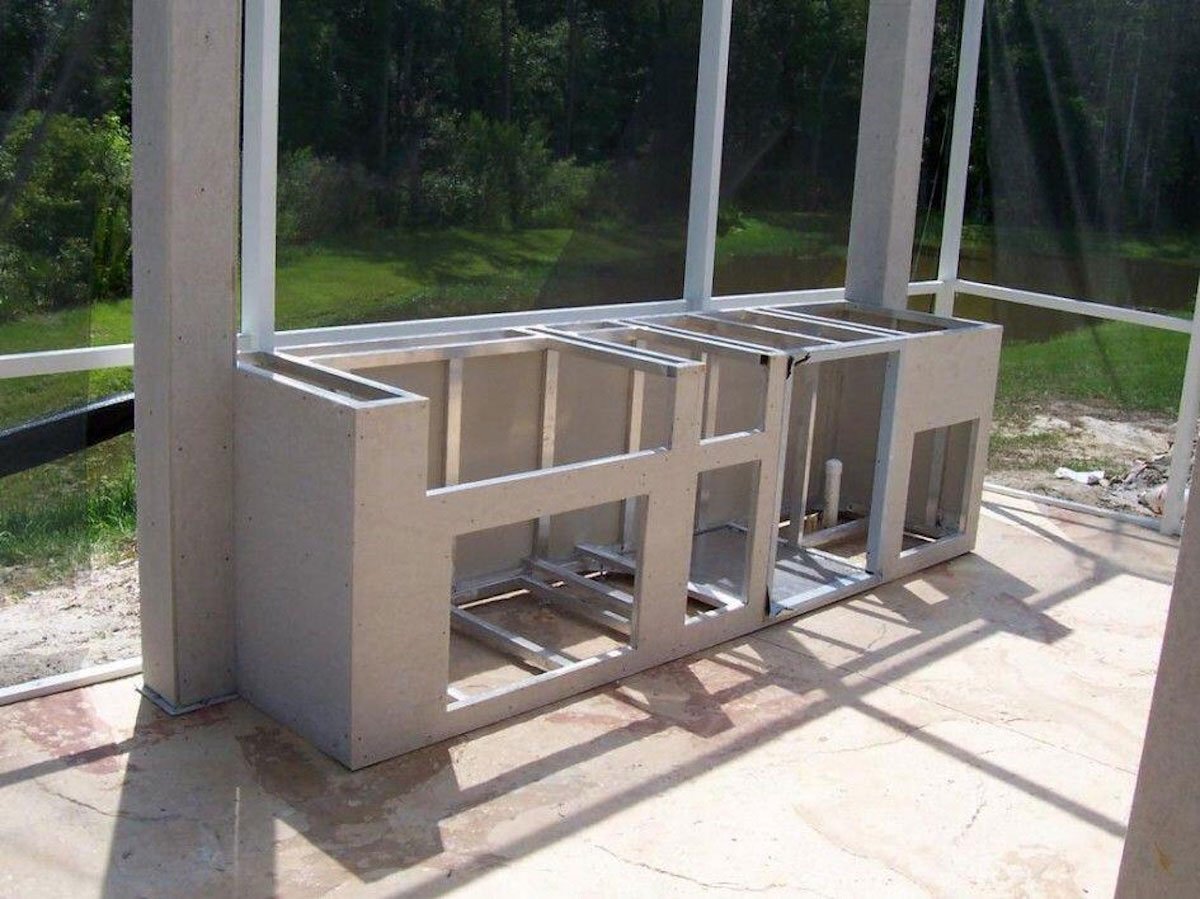
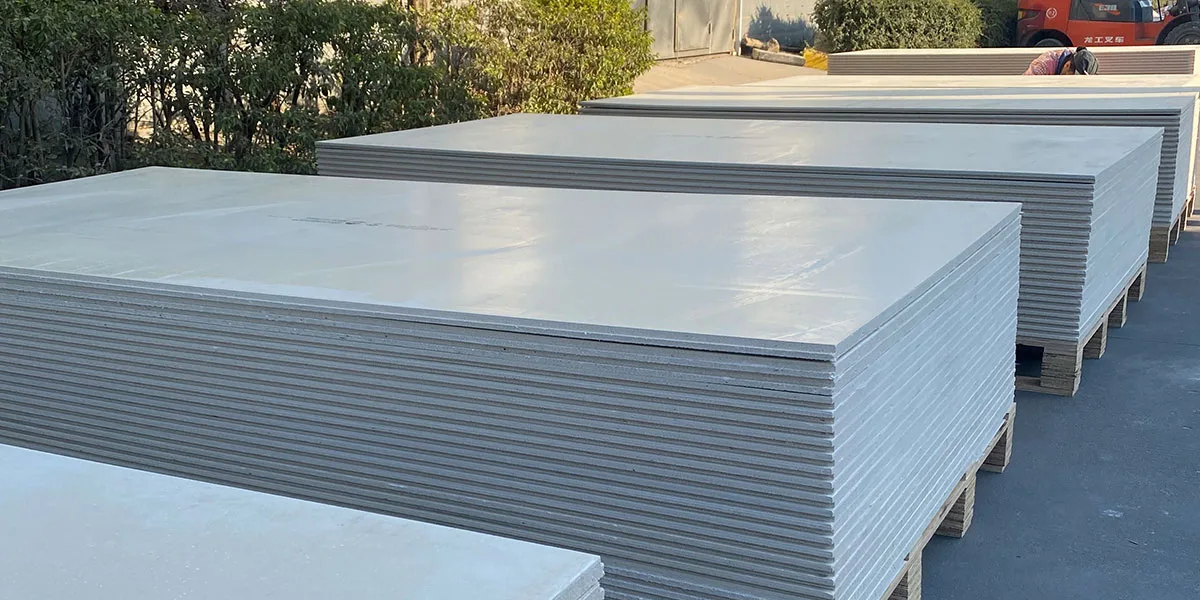
Fire-resistant composites are made from mixed materials designed to resist flames. These include fiber cement boards and special concrete mixes. They offer good protection with modern looks.
These composites often weigh less than stone or brick. They are easier to install and still provide strong fire safety for outdoor kitchens.
- Fiber cement boards resist fire and moisture
- Special concrete mixes handle high heat
- Composite panels offer lightweight fire protection
Benefits Of Fireproof Materials
Outdoor kitchens face risks from open flames and heat. Using fireproof materials helps reduce these risks. Fireproof materials protect your kitchen and improve safety.
Choosing fireproof materials also means your kitchen will last longer. These materials need less care and stay strong in all weather. Let’s explore the main benefits.
Enhanced Safety Measures
Fireproof materials stop fires from spreading quickly. They protect your home and family from accidents. These materials do not burn or melt easily.
They also reduce smoke and toxic gas during a fire. This makes outdoor cooking safer for everyone nearby.
Durability And Longevity
Fireproof materials last longer than regular ones. They handle heat, rain, and wind without damage. This means your kitchen stays strong for years.
These materials resist cracking, warping, and fading. They keep their look and function even after heavy use.
Low Maintenance Requirements
Fireproof materials need less cleaning and repairs. They do not get damaged by heat or weather easily. This saves time and money on upkeep.
Simple cleaning keeps these materials looking good. You do not need special products or treatments.
Credit: rtaoutdoorliving.com
Choosing The Right Material
Choosing the right material for your outdoor kitchen is important. It affects safety, style, and cost. Fireproof materials can protect your kitchen from heat damage.
Consider your budget, how you want the kitchen to look, and the climate where you live. These factors help you pick the best materials.
Budget Considerations
Materials for outdoor kitchens vary in price. Fireproof options often cost more but last longer. Choose materials that fit your budget and needs.
- Concrete is affordable and fire-resistant.
- Natural stone can be pricey but durable.
- Steel offers good fire resistance at a moderate price.
- Wood looks nice but needs treatment to resist fire.
Aesthetic Preferences
Your kitchen should look good and match your outdoor space. Fireproof materials come in many styles and colors.
| Material | Look | Fire Resistance |
|---|---|---|
| Brick | Classic and warm | High |
| Granite | Elegant and polished | High |
| Stainless Steel | Modern and sleek | High |
| Wood | Natural and rustic | Low (needs treatment) |
Climate And Environmental Factors
Think about weather and outdoor conditions. Some materials handle rain and sun better than others. Fireproof materials often resist heat and weather well.
Material Benefits for Different Climates:
- Hot climates:Choose materials that reflect heat and resist cracking.
- Wet climates:Use materials that do not absorb water.
- Cold climates:Pick materials that handle freezing without damage.
Installation Tips For Fire Safety
Outdoor kitchens need fireproof materials to keep the area safe. Proper installation helps prevent fire hazards. Follow key safety tips for a secure setup.
Fire safety starts with how you place appliances and use materials. Good clearance and ventilation reduce fire risks. Using fire-resistant sealants adds extra protection.
Proper Placement Of Appliances
Place appliances away from flammable objects like wood or fabric. Keep grills and burners on stable, non-combustible surfaces. Avoid crowded setups to reduce fire risks.
- Keep grills at least 10 feet from walls and structures
- Use metal or stone bases for appliances
- Do not place appliances near dry plants or leaves
Clearance And Ventilation
Leave enough space around appliances for air to move freely. Good ventilation lowers heat buildup and smoke. This helps stop fires from starting or spreading.
- Maintain at least 3 feet of clearance around cooking areas
- Install vents or fans to remove smoke and heat
- Check that exhaust paths are clear and open
Using Fire-resistant Sealants
Seal gaps and joints with fire-resistant materials to block flames and heat. Choose sealants made for high temperatures. Proper sealing helps contain any accidental fire.
- Use silicone or mortar sealants rated for heat resistance
- Apply sealants around pipes, wires, and appliance edges
- Inspect sealants regularly and replace if damaged
Credit: sulfycor.com
Additional Safety Precautions
Using fireproof materials in your outdoor kitchen is wise. Taking extra safety steps protects you and your home.
These precautions help prevent accidents and keep cooking safe and fun outside.
Fire Extinguishers And Safety Equipment
Keep fire extinguishers near your outdoor kitchen. They help put out small fires fast.
Other safety tools like fire blankets and smoke detectors add protection.
- Choose an extinguisher rated for grease fires (Class K)
- Check equipment monthly to ensure it works
- Place tools within easy reach but away from heat
Regular Maintenance Checks
Inspect your outdoor kitchen often. Look for cracks, loose parts, or damage.
Fix problems quickly to avoid fire hazards or injuries.
- Clean grease and food spills to stop flare-ups
- Test gas lines for leaks every season
- Replace worn-out parts as needed
Safe Cooking Practices
Follow simple rules when cooking outside to stay safe.
Keep children and pets away from hot surfaces and flames.
- Never leave cooking food unattended
- Use long-handled tools to avoid burns
- Wear tight clothing to prevent catching fire
- Keep flammable liquids far from cooking areas

Credit: www.jackery.com
Frequently Asked Questions
Do Outdoor Kitchens Need Fireproof Materials?
Yes, fireproof materials reduce fire risks in outdoor kitchens. They protect structures from heat damage and ensure safety during cooking.
What Are Common Fireproof Materials For Outdoor Kitchens?
Common fireproof materials include stone, brick, concrete, and stainless steel. These materials withstand high heat and prevent fire hazards effectively.
How Does Fireproof Material Improve Outdoor Kitchen Safety?
Fireproof materials prevent flames from spreading and reduce burn risks. They enhance durability and protect your outdoor kitchen from accidental fires.
Can Fireproof Materials Withstand Outdoor Weather Conditions?
Yes, fireproof materials like stone and brick resist weather damage. They maintain their fire-resistant properties despite rain, wind, or sun exposure.
Conclusion
Choosing fireproof material for your outdoor kitchen protects your home and family. It reduces the risk of accidents caused by heat or flames. Fireproof surfaces last longer and need less repair. They keep your cooking area safe and clean. Investing in safe materials brings peace of mind.
Safety should always come first when building outdoors. Think of fireproof options as a smart, simple choice. This small step can make a big difference in your outdoor space.