

Imagine the aroma of crispy, golden fries wafting through your kitchen, or the satisfaction of biting into a perfectly roasted chicken. You’re probably wondering if the secret to these culinary delights lies in your trusty oven or the sleek, modern air fryer you’ve been hearing so much about.
How do these two kitchen appliances stack up against each other? More importantly, which one should you rely on for your next cooking adventure? If you’ve ever pondered these questions, you’re not alone. Choosing between an air fryer and an oven can be a game-changer for your cooking routine and the taste of your meals.
This article will shed light on how air fryers work compared to ovens, unraveling the mystery behind their cooking methods and helping you make a deliciously informed decision. Stick around to discover the magic that each appliance brings to your kitchen, and find out which one deserves a spot on your countertop.
Air Fryer Basics
Ever wondered how an air fryer transforms your favorite foods into crispy delights without the usual oil bath? It’s a kitchen marvel that’s captured the attention of many home cooks. Understanding the basics of air fryers can help you make informed decisions about your cooking appliances.
Design And Components
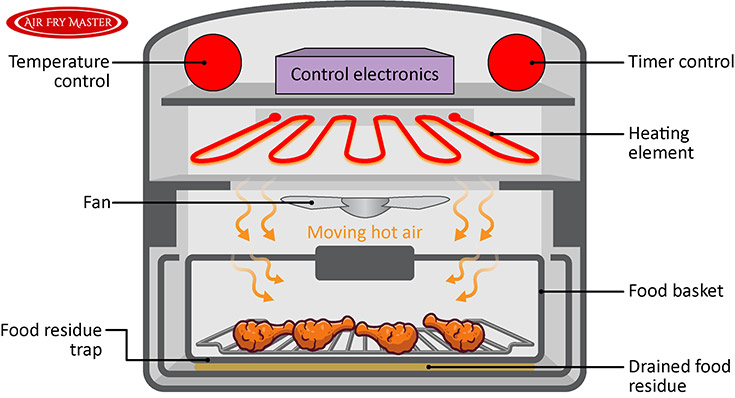
Air fryers are compact, versatile machines that fit comfortably on your countertop. Most models feature a basket or tray where food is placed, surrounded by a heating element and a fan. This design ensures even cooking, making it ideal for small kitchens or quick meals.
Unlike a conventional oven, which might take up an entire wall, an air fryer is about the size of a coffee maker. Its sleek design means you can tuck it away when not in use. You might find this handy if you have limited space but love experimenting with new recipes.
Cooking Mechanism
The magic happens with the rapid air technology. The fan circulates hot air around the food, cooking it quickly and evenly. This method mimics the effects of frying, giving your food a crispy exterior and a moist interior.
Picture this: you want to enjoy some crispy fries without the guilt of deep-frying. An air fryer lets you achieve that satisfying crunch with just a fraction of the oil. Have you tried making your favorite fried snacks in an air fryer? The results might surprise you.
This cooking mechanism not only saves time but also reduces calorie intake. By using less oil, you’re making a healthier choice without sacrificing taste. Isn’t it exciting to know you can indulge in your favorite foods with a bit more peace of mind?
Oven Basics
Air fryers use rapid air technology to cook food evenly with less oil. Ovens rely on convection heat for cooking. Both methods offer distinct advantages in preparing meals.
Types And Features
Ovens come in various types, each catering to different cooking needs. You may have a conventional oven, which uses heating elements at the top and bottom to cook food. Convection ovens, on the other hand, have fans that circulate air, providing more even cooking and often faster results. Some ovens offer additional features like self-cleaning modes, programmable timers, and even smart connectivity. Smart ovens can be controlled via apps, allowing you to preheat on your way home. Imagine setting your oven to start dinner while you finish errands!Heat Distribution
Heat distribution is a critical factor in how well your food cooks in an oven. Conventional ovens rely on radiant heat from elements, which can sometimes lead to uneven cooking. You might notice your cookies are crispier on one side than the other. Convection ovens solve this by using fans to circulate hot air. This creates a more uniform temperature throughout the oven. Have you ever noticed how your lasagna browns perfectly on top without burning? That’s the magic of even heat distribution! In ovens, the heat comes from all sides, making it ideal for roasting and baking. The consistent temperature ensures your bread rises perfectly or your turkey cooks evenly. How does this compare to an air fryer? Do you think this traditional method holds its own against modern technology like air fryers? Remember, understanding your oven’s capabilities is key to mastering your recipes. What features do you find most useful in your oven? Are there any you wish it had?Cooking Techniques
Air fryers circulate hot air, cooking food quickly with minimal oil. Ovens use broader heat distribution, ideal for baking. Air fryers excel in crisping, while ovens offer versatility for various recipes. Both appliances cater to different cooking needs, enhancing culinary experiences.
Cooking methods can greatly impact the taste and texture of your food. Understanding how air fryers and ovens differ in this regard can help you make better culinary choices. Let’s dive into the unique cooking techniques each appliance uses and how they affect your meals.Convection In Air Fryers
Air fryers use convection to cook food quickly and evenly. They circulate hot air around the food with a fan, creating a crispy outer layer while keeping the inside moist. This method is similar to deep frying, but without the excess oil. Many people are surprised by how crispy their fries turn out in an air fryer. The rapid air circulation ensures every part of the food is exposed to heat. This is perfect for getting that golden-brown finish on your favorite snacks. Air fryers are compact, so they heat up faster than traditional ovens. This can save you time, especially when you’re in a hurry to prepare a quick meal. Have you ever noticed how waiting for an oven to preheat feels like an eternity? An air fryer cuts that wait time significantly.Radiant Heat In Ovens
Ovens rely on radiant heat to cook food. They use heating elements to warm the air inside, which then cooks the food from the outside in. This technique is excellent for baking and roasting. When baking a cake, the radiant heat ensures even cooking throughout. The gentle heat from the oven allows the cake to rise properly and develop a nice crust. This is why many bakers prefer ovens for delicate pastries. Ovens offer versatility with their size and ability to cook multiple dishes at once. Planning a family dinner? You can roast a chicken while baking potatoes and warming a pie—all in one go. The only downside is the longer preheat and cook times, but for complex meals, the results are worth the wait. Have you considered the energy efficiency of each appliance? While ovens consume more power due to their size, they can handle larger quantities of food. Air fryers are ideal for smaller portions and quick meals. Which technique suits your cooking needs better?
Credit: www.hindustantimes.com
Energy Efficiency
Air fryers cook food by circulating hot air, using less energy than traditional ovens. This rapid air technology crisps food efficiently, reducing cooking time.
Understanding energy efficiency is crucial when choosing between an air fryer and a traditional oven. With the rising cost of electricity, many people are looking for ways to cook meals without breaking the bank. Let’s dive into how these appliances compare in terms of energy consumption and speed.Power Consumption
Air fryers are often more energy-efficient than ovens. They use a fraction of the power because they are smaller and have a shorter preheat time. In a typical scenario, an air fryer uses around 1,500 watts, while an oven might consume up to 3,000 watts. This means using an air fryer could potentially cut your energy usage in half. Imagine the savings you can make on your electricity bill over time!Cooking Speed
Air fryers are known for their quick cooking times. They circulate hot air rapidly, cooking food faster than traditional ovens. For instance, cooking chicken wings might take 25 minutes in an oven, but only 15 minutes in an air fryer. This not only saves time but also energy, as the appliance is on for a shorter period. Have you ever waited impatiently for your oven to preheat? An air fryer can eliminate that frustration, getting to work almost immediately. Incorporating an air fryer into your kitchen routine can be a game-changer for both time and energy efficiency. Have you considered how much time and energy you could save by using an air fryer for your next meal?Flavor And Texture
Air fryers and ovens both cook food. Each offers unique flavor and texture outcomes. Understanding these differences helps in choosing the right appliance.
Crispiness And Moisture
Air fryers excel at producing crispy food. The rapid hot air circulation creates a crunchy exterior. This technique uses less oil, keeping food light.
Ovens also create crispiness, but require more time. They often need more oil for similar results. This can lead to drier food.
Maintaining moisture is easier in air fryers. The quick cooking time locks in juices. Ovens, with slower cooking, may dry out food.
Flavor Retention
Air fryers are great for retaining flavor. The compact space concentrates flavors within the food. Seasonings stay robust and impactful.
Ovens, with their larger space, sometimes dilute flavors. Longer cooking times can lead to flavor loss. Certain dishes may taste less intense.
Air fryers enhance the natural taste of ingredients. The quick heat seals in flavors effectively.
Versatility And Limitations
Air fryers have taken the culinary world by storm, offering a new way to cook your favorite meals. But how do they stack up against traditional ovens in terms of versatility and limitations? Both appliances have their strengths and weaknesses, and understanding these can help you make the most of your kitchen adventures. Whether you’re a seasoned chef or a beginner, knowing what each appliance can offer might just transform your cooking game.
Types Of Dishes
Air fryers excel at giving foods a crispy texture without excessive oil. They’re fantastic for making fries, chicken wings, or even crispy vegetables. You might find yourself enjoying healthier versions of your favorite dishes without compromising on taste.
Ovens, on the other hand, provide a broader spectrum for cooking. You can bake, roast, and broil with ease. Think about lasagna, casseroles, or a juicy roast chicken. If you’re a fan of baking, the oven is your go-to appliance for cakes, cookies, and bread.
Do you lean towards quick, crispy snacks or hearty, baked meals? Your answer might guide you to choose the right appliance for your needs.
Cooking Capacity
Air fryers are compact, making them perfect for small kitchens or quick meals. However, their size can be limiting when cooking for a crowd. If you’re hosting a dinner party, you might find yourself cooking in batches.
Ovens offer more space, allowing you to prepare large dishes or multiple items at once. You can cook a turkey and sides simultaneously, which is a blessing during the holiday season.
Think about the number of people you usually cook for. If it’s just you or a small family, an air fryer could be sufficient. But if you often entertain or have a large family, an oven might be more practical.
Reflect on your cooking habits. Are you looking for quick, solo meals or grand, family feasts? Your choice of appliance might just depend on the answer.
Maintenance And Durability
Maintaining your kitchen appliances is essential for keeping them in top working condition. When considering air fryers versus ovens, you might wonder about their maintenance and durability. Understanding how easy they are to clean and how long they last can make a significant difference in your choice. Let’s dive into the cleaning requirements and longevity of these appliances.
Cleaning Requirements
Cleaning an air fryer can be surprisingly simple. Most models have removable baskets and trays that are dishwasher-safe. This means less time scrubbing and more time enjoying your meals. Plus, the non-stick surfaces make it easy to wipe off any residue.
On the other hand, ovens often require more effort. Think about the last time you cleaned your oven. You probably had to deal with baked-on grease and food spills. Many ovens come with a self-cleaning feature, but that process can be lengthy and uses high heat, which might not be energy-efficient.
Do you prefer a quick wipe-down or a thorough scrub session? If ease of cleaning is a priority, air fryers might win this round.
Longevity Of Appliances
When it comes to durability, ovens generally have a longer lifespan. They’re built to last for several years, especially if you maintain them properly. Routine checks and professional servicing can extend their life significantly.
Air fryers, being relatively new, might not have the same longevity as ovens. However, many users report years of reliable use. Consider your usage; frequent use might lead to faster wear and tear.
Imagine your air fryer as a trusty sidekick for quick meals. While it might not last a decade, it can serve you well with consistent performance. Would you rather invest in a long-term appliance or enjoy the flexibility of modern technology?
Ultimately, your choice might depend on your cooking habits and maintenance preferences. Whether you lean towards air fryers or ovens, ensuring regular upkeep is key to enjoying their benefits for years to come.
Credit: v3.manankhattar.com
Cost Considerations
Air fryers often use less energy, potentially saving money on electricity bills compared to traditional ovens. They heat up faster, reducing cooking time and further cutting costs. Initial prices for air fryers can vary, but long-term energy savings make them a cost-effective choice for many households.
Understanding the cost considerations of air fryers versus ovens can help you make an informed decision. Whether you’re shopping on a budget or looking for long-term savings, analyzing the initial investment and potential savings over time is crucial. Let’s dive into the financial aspects of these kitchen appliances.Initial Investment
Purchasing an air fryer typically requires a smaller initial investment compared to an oven. Air fryers can range from $50 to $300 depending on the brand and features, making them a budget-friendly option for many households. In contrast, a standard oven can cost anywhere from $500 to several thousand dollars. Think about your cooking needs. If you primarily cook small meals, an air fryer might be sufficient and save you money upfront. On the other hand, an oven could be more beneficial for larger families or those who enjoy baking.Long-term Savings
When considering long-term savings, air fryers can be more economical due to their energy efficiency. They typically use less electricity than ovens because they heat up quickly and cook faster. This can lead to lower utility bills over time. Moreover, consider the maintenance costs. Air fryers often have fewer parts and are easier to clean, reducing potential repair expenses. Ovens may require more upkeep, including regular cleaning and possible part replacements, adding to your long-term costs. What about your cooking habits? If you frequently prepare meals at home, the energy savings from an air fryer could add up significantly over the years. However, if you only cook occasionally, the difference might not be as impactful. By carefully weighing the initial costs and potential savings, you can choose the appliance that best suits your financial situation and cooking lifestyle.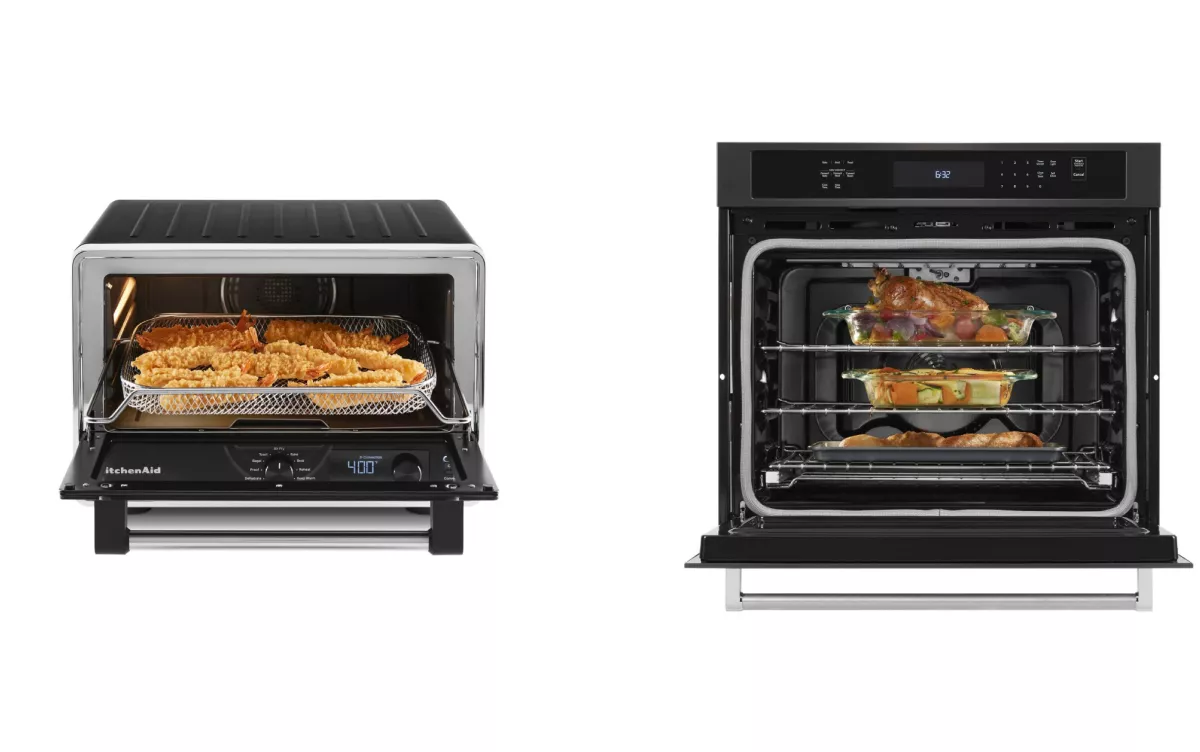
Credit: www.kitchenaid.com
Frequently Asked Questions
What Is An Air Fryer?
An air fryer is a kitchen appliance that cooks food by circulating hot air. It mimics the effect of deep frying without using oil. Air fryers are popular for making crispy dishes like fries and chicken wings.
How Does An Oven Cook Food?
An oven cooks food by heating it with either gas or electric elements. It uses convection to distribute heat evenly. This method is ideal for baking, roasting, and broiling.
Is Air Frying Healthier Than Oven Cooking?
Air frying is often healthier because it uses less oil than traditional frying. It reduces fat content while maintaining flavor. Oven cooking can also be healthy if you use minimal oil.
Do Air Fryers Cook Faster Than Ovens?
Air fryers typically cook faster due to rapid air circulation. They can reduce cooking time by up to 30%. Ovens may take longer, especially for larger dishes.
Conclusion
Air fryers and ovens each have unique strengths. Air fryers cook faster. They use less oil for crispier results. Ovens handle larger meals better. They offer versatile cooking options. Both are valuable kitchen tools. Your choice depends on your needs.
For quick snacks, air fryers excel. For family dinners, ovens are great. Consider space and budget too. Air fryers suit small kitchens. Ovens work well for big families. Try both if possible. Experiment and enjoy tasty meals.