
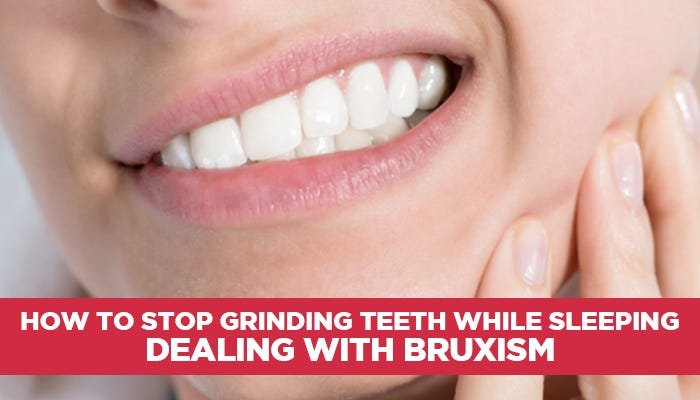
Do you wake up with a sore jaw or a headache and wonder why? You might be grinding your teeth while you sleep.
This common problem can cause pain, damage your teeth, and even affect your sleep quality. But don’t worry—you’re not alone, and there are simple ways to stop it. You’ll discover easy and effective tips to protect your smile and get better rest.
Keep reading to learn how you can finally put an end to teeth grinding and wake up feeling refreshed every day.

Credit: sentinelmouthguards.com
Causes Of Teeth Grinding
Stress and anxietyoften cause teeth grinding during sleep. Tension in the mind can lead to jaw clenching. This can happen more during stressful days or worries.
Sleep disorderslike sleep apnea and snoring also increase grinding chances. Poor sleep quality can trigger jaw muscles to tighten unconsciously.
Misaligned teethmake the jaw work harder. When teeth don’t fit well, the mouth tries to adjust, causing grinding at night.
Lifestyle factorssuch as caffeine, alcohol, and smoking can worsen grinding. These habits affect sleep and muscle relaxation, leading to more teeth grinding.
Signs You’re Grinding Your Teeth
Morning jaw paincan signal teeth grinding. The jaw feels sore or stiff after waking up. This pain may last for a few hours. It is often unnoticed until the morning.
Tooth sensitivityincreases because grinding wears down enamel. Hot, cold, or sweet foods might cause discomfort. Sensitive teeth can make eating and drinking less fun.
Worn tooth surfacesappear flat or chipped. Teeth may look shorter or rough. This damage happens over time from constant grinding during sleep.
Headaches and earachesoften happen near temples or behind the ears. These pains can be dull or sharp. They occur because of muscle tension from grinding.
Simple Home Remedies
Stress managementhelps reduce teeth grinding during sleep. Try deep breathing or meditation to calm your mind. Yoga or gentle stretching can also relax your body and jaw muscles.
Simple jaw exercisescan ease tension. Gently open and close your mouth several times. Move your jaw side to side slowly. These exercises can help loosen tight muscles before bed.
- Avoid stimulantslike caffeine and nicotine in the evening.
- These can increase jaw clenching and make grinding worse.
- Choose herbal tea or warm milk instead.
Establish a relaxing bedtime routineto prepare for sleep. Dim the lights and turn off screens at least 30 minutes before bed. Read a book or listen to soft music. Creating calm helps your body rest and lowers grinding risk.
Credit: vancouverdentistbc.ca
Dental Treatments
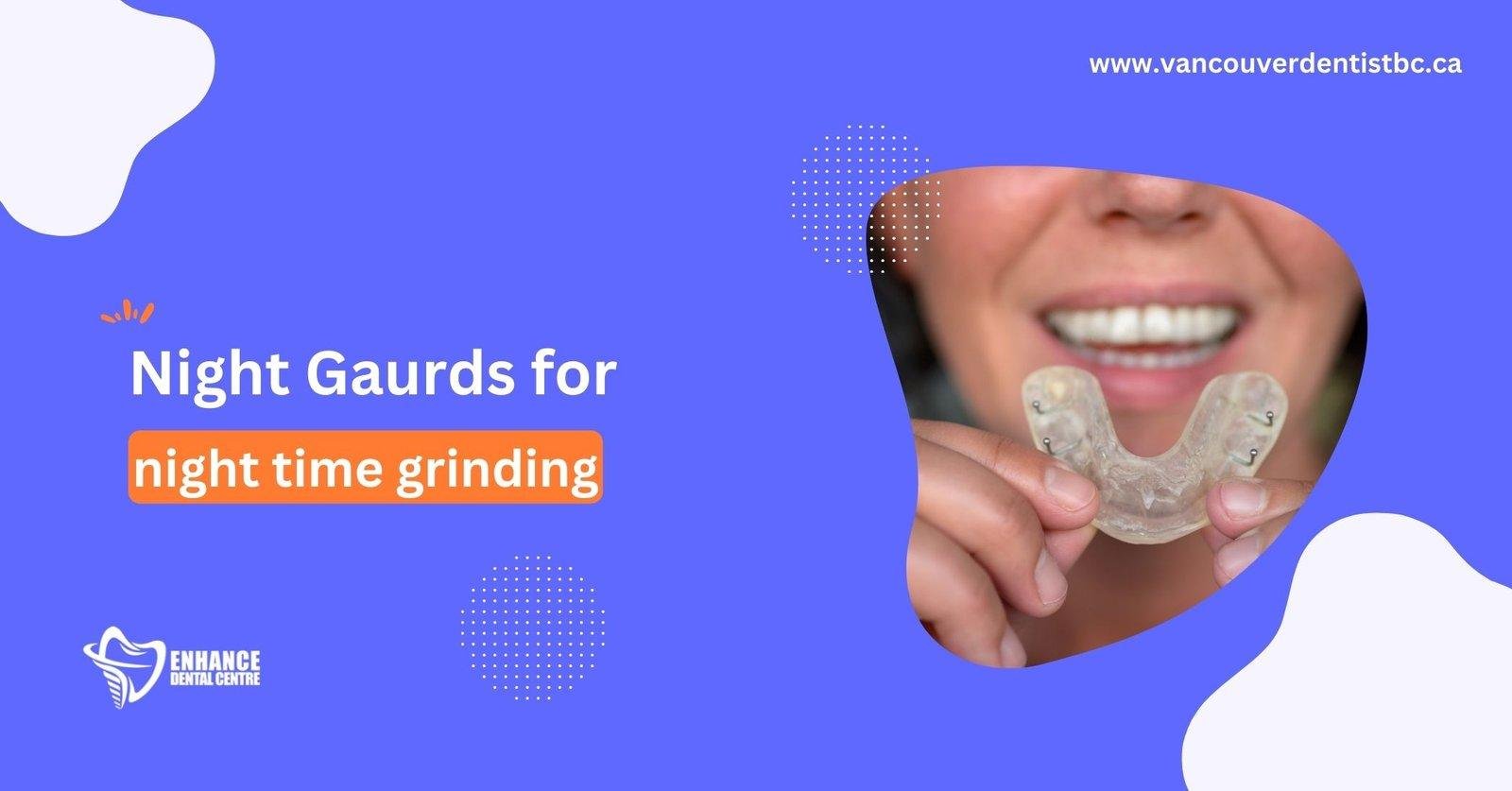
Mouth guards and splintsprotect teeth from grinding during sleep. These devices fit over teeth and reduce pressure. They are custom-made for comfort and better fit. Wearing them can prevent tooth damage and jaw pain.
Correcting bite issueshelps stop grinding. Dentists check if teeth align correctly. Misaligned teeth can cause stress and grinding. Treatments like braces or Invisalign can fix bite problems.
Dental restorationsrepair teeth damaged by grinding. Crowns, fillings, or bonding restore shape and strength. Restorations also make chewing easier and reduce discomfort.
Lifestyle Changes To Try
Cutting back on alcoholand caffeinehelps relax your muscles. These drinks can make your jaw tense and cause grinding. Try to avoid them in the evening for better sleep.
Good sleep hygienemeans a calm bedtime routine. Sleep in a quiet, dark room at the same time every night. This helps your body stay relaxed and reduces teeth grinding.
Regular exerciselowers stress and improves sleep quality. Even a short walk daily can calm your mind and body. Avoid intense workouts right before bedtime.
When To See A Doctor
Persistent teeth grinding can cause jaw pain, headaches, and damaged teeth. If these symptoms last for weeks, it is wise to seek medical advice. A doctoror dentist can check for problems that cause grinding during sleep.
A sleep studymay be recommended to find out what happens during sleep. This study records brain activity, breathing, and muscle movements. It helps to see if grinding is linked to other sleep issues like sleep apnea.
| Possible Underlying Conditions | Description |
|---|---|
| Stress and Anxiety | High stress can cause teeth grinding at night. |
| Sleep Apnea | Breathing stops briefly, causing grinding as a response. |
| Medications | Some drugs can increase muscle activity during sleep. |
| Misaligned Teeth | Uneven bite can lead to grinding to adjust jaw position. |

Credit: smilepath.com.au
Frequently Asked Questions
What Causes Teeth Grinding During Sleep?
Teeth grinding, or bruxism, is often caused by stress, anxiety, or sleep disorders. Misaligned teeth or lifestyle factors such as caffeine or alcohol consumption can also contribute. It’s important to identify and address these underlying causes for effective treatment.
How Can I Tell If I Grind My Teeth?
Common signs include a sore jaw, headaches, and worn-down teeth. You might also notice increased tooth sensitivity. A dentist can provide a definitive diagnosis by examining your teeth and jaw for signs of bruxism.
Are There Effective Treatments For Teeth Grinding?
Yes, treatments include wearing a night guard, stress management, and lifestyle changes. Your dentist may recommend other therapies, such as behavioral therapy or medication, depending on the severity of your condition. Early intervention can prevent further dental damage.
Can Stress Increase Teeth Grinding?
Yes, stress is a major contributor to teeth grinding. Managing stress through relaxation techniques like meditation or exercise can help reduce bruxism. Identifying stressors and seeking professional help if necessary are important steps in managing stress-related teeth grinding.
Conclusion
Stopping teeth grinding during sleep protects your teeth and improves rest. Try using a mouthguard to reduce damage. Practice stress-relief techniques to calm your mind before bed. Avoid caffeine and heavy meals late at night. Keep a regular sleep schedule for better rest.
Talk to a dentist if grinding continues or worsens. Small changes can make a big difference in your sleep quality. Take care of your teeth to avoid pain and headaches. Start today for healthier sleep and a happier smile.