
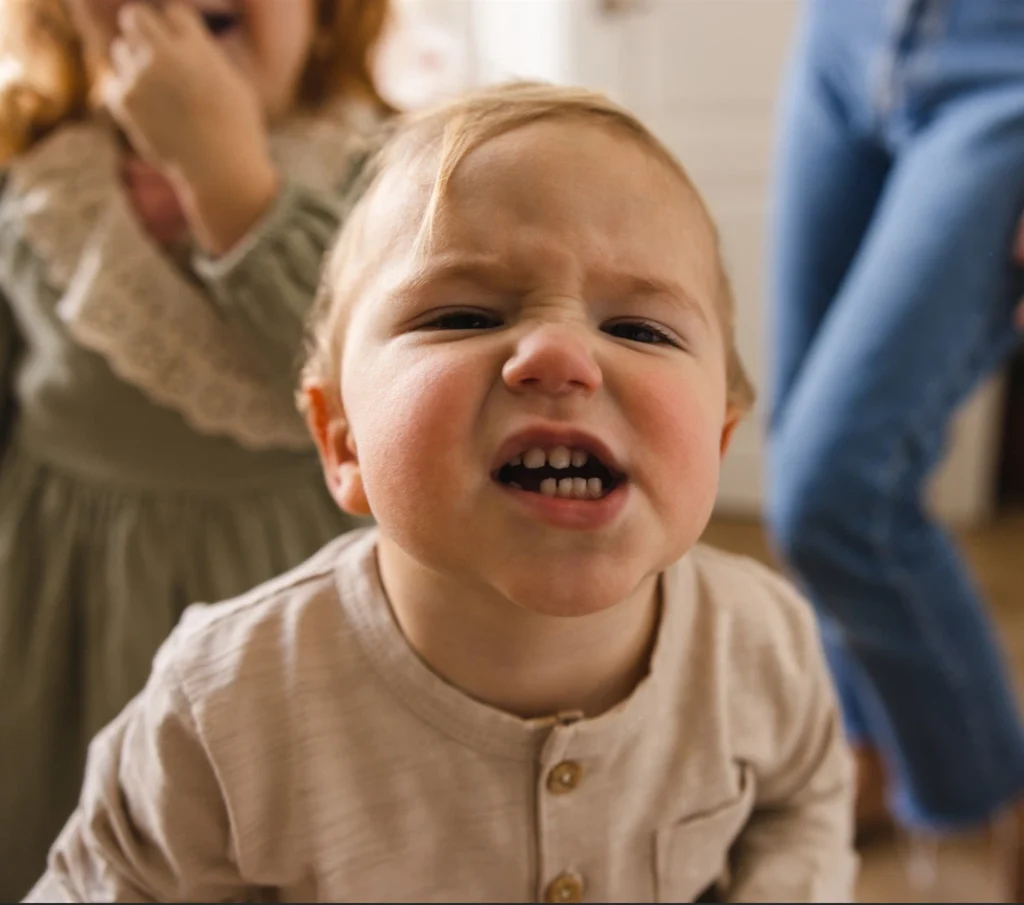
Is your baby grinding their teeth, and you’re not sure what to do? Teeth grinding, or bruxism, can worry any parent.
You might wonder if it’s hurting your little one or if it’s something serious. The good news is, you can take simple steps to help stop your infant from grinding their teeth. You’ll discover easy and effective ways to protect your baby’s smile and bring you peace of mind.
Keep reading to learn how to help your child feel comfortable and keep their teeth safe.

Credit: lemaclinic.com
Causes Of Infant Teeth Grinding
Infantsmay grind their teeth for many reasons. Some common triggers include discomfort from teething. The new teeth push through gums and cause pain. This makes babies chew or grind to soothe themselves. Another trigger can be changes in their routine or sleep patterns. These changes might stress infants, leading to teeth grinding.
| Medical Conditions | Emotional Factors |
|---|---|
| Ear infections causing pain | Stress from new environments |
| Misaligned teeth or jaw | Separation anxiety |
| Allergies causing mouth irritation | Frustration or boredom |

Credit: www.springvaledental.com.au
Signs To Watch For
Infant teeth grindingcan be tricky to spot. Watch for behavioral signslike unusual fussiness or restless sleep. Babies might rub their cheeks or ears often, showing discomfort. Some infants may clench their jaws during sleep or when upset.
Physical symptomsinclude worn or chipped teeth and a sore jaw. Look for redness around the gums or a tight, tired face upon waking. Sometimes infants may drool more or avoid chewing hard foods due to pain.
| Behavioral Indicators | Physical Symptoms |
|---|---|
| Restless sleep | Worn or chipped teeth |
| Cheek or ear rubbing | Sore or tight jaw |
| Jaw clenching | Red gums or drooling |
| Fussiness or discomfort | Avoiding hard foods |
Safe Home Remedies
Soothing techniques can help calm your infant’s discomfort. Gently rubbing the gums with a clean finger can ease irritation. Offering a cool, damp washcloth to chew on provides relief. A soft, warm cloth can also soothe tender gums.
Teething toys are safe and effective for infants to bite. Choose toys made from soft, non-toxic materials. Keep them clean to avoid germs. Chilling teething rings in the fridge adds extra comfort, but avoid freezing them as it can harm the gums.
A comforting environment helps reduce grinding caused by stress. Keep the room quiet and dimly lit during sleep times. Holding or rocking your baby softly can calm nerves. A consistent bedtime routine creates a sense of security.
When To Consult A Doctor
Grinding teeth in infants is usually harmless. But some signs need a doctor’s check.
- Red flagsinclude constant pain or swelling in the jaw.
- Teeth damage or worn edges can show serious grinding.
- Difficulty eating or sleeping may mean the problem is bigger.
- Any bleeding or sores in the mouth should be checked.
Doctors may suggest different treatmentsbased on the cause and severity.
| Treatment | Description |
|---|---|
| Night Guards | Soft guards protect teeth during sleep to reduce grinding. |
| Stress Relief | Simple calming techniques can reduce grinding caused by stress. |
| Dental Care | Fixing tooth problems that cause pain and grinding. |
| Medication | Rarely, doctors may suggest medicine to ease muscle tension. |
Preventive Measures
Keeping a baby’s sleep routine calm and regular helps reduce teeth grinding. A quiet and dark room can create a peaceful environmentfor better sleep. Avoid loud noises or bright lights before bedtime. A warm bath or gentle rocking also soothes babies, making them less likely to grind their teeth during sleep.
A healthy diet supports strong teeth and reduces grinding risks. Foods rich in calcium and vitamin Dhelp build strong teeth. Avoid sugary snacks and drinks that can harm teeth. Offering soft and nutritious meals keeps babies happy and less stressed, which may lower teeth grinding.

Credit: www.robelledental.com.au
Frequently Asked Questions
Why Do Infants Grind Their Teeth?
Infants grind teeth due to teething discomfort or exploring their mouth. It can also be caused by stress or misaligned teeth. This behavior is usually temporary and often stops as the child grows.
How Can I Stop My Infant From Grinding Teeth?
To stop grinding, offer teething toys or cold washcloths to soothe gums. Maintain regular dental check-ups and keep the infant relaxed. Avoid stressful situations that might trigger grinding.
Is Teeth Grinding Harmful For Infants?
Mild teeth grinding in infants is usually harmless and temporary. However, persistent grinding may cause tooth damage or jaw pain. Consult a pediatric dentist if grinding continues or worsens.
When Should I See A Dentist About Infant Teeth Grinding?
Visit a dentist if grinding lasts beyond infancy or causes discomfort. Also seek advice if you notice tooth damage, jaw swelling, or sleep disturbances. Early intervention helps prevent future dental issues.
Conclusion
Teeth grinding in infants can worry many parents. Simple steps can help reduce this habit. Watch your baby closely for signs of discomfort. Offer soft toys or teething rings to ease pain. Keep your baby’s mouth clean and check with a doctor if needed.
Patience and gentle care work best over time. Small changes can make a big difference. Stay calm and consistent to help your infant stop grinding teeth.