
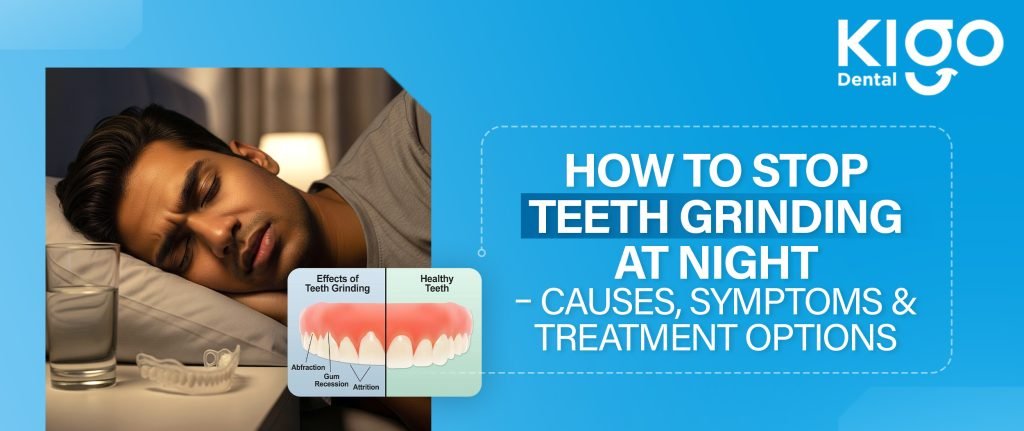
Do you wake up with a sore jaw or headaches? Grinding your teeth in your sleep might be the hidden cause.
It’s more common than you think, and if left unchecked, it can damage your teeth and affect your overall health. But here’s the good news: you can stop this habit and protect your smile. You’ll discover simple, effective ways to prevent teeth grinding at night.
Keep reading to learn how to wake up feeling refreshed and pain-free.
Credit: medium.com
Causes Of Teeth Grinding
Stress and anxietycause many people to grind their teeth at night. The mind stays tense, which tightens jaw muscles. This creates an urge to clench or grind unconsciously during sleep.
Sleep disorderslike sleep apnea can also lead to teeth grinding. Breathing problems disrupt sleep and cause jaw movements. These movements protect the airway but harm the teeth.
Misaligned teethor an uneven bite make grinding more likely. The jaw tries to find a comfortable position, causing friction between teeth. This constant rubbing can wear down enamel.
Lifestyle factorssuch as smoking, caffeine, and alcohol increase grinding risk. These habits make the nervous system more active and restless during sleep. Poor sleep habits also play a role.

Credit: sentinelmouthguards.com
Signs And Symptoms
Jaw pain and sorenessare common signs of teeth grinding. You might feel discomfort in your jaw when waking up. This pain can last throughout the day.
Frequent headachesare another symptom. These headaches often start in the temples and can be dull or sharp. They happen because of muscle tension caused by grinding.
Worn tooth enamelshows up as smooth, shiny spots on teeth. This wear can make teeth more sensitive to hot and cold. It may also cause cracks or chips.
Disturbed sleepcan result from grinding noises or jaw discomfort. This leads to feeling tired or unrested in the morning. Sleep partners might notice the grinding sound too.
Preventive Measures
Stresscan make teeth grinding worse. Try simple relaxationactivities like deep breathing or meditation. These help calm your mind before sleep. Avoid thinking about problems at night. This can reduce tension and prevent grinding.
Good sleep hygieneis key. Keep a regular sleep schedule. Your bedroom should be quiet, dark, and cool. Avoid screens at least one hour before bed. This helps your brain get ready for rest.
- Avoid stimulantslike caffeine and nicotine in the evening.
- These can keep you awake and increase grinding risk.
- Choose herbal teas or warm milk instead.
Simple jaw exercisescan relax muscles. Try opening and closing your mouth slowly. Move your jaw side to side gently. Doing this daily can ease tension and lower grinding during sleep.
Dental Solutions
Wearing a mouthguard can protect teeth from grinding during sleep. Reducing stress and avoiding caffeine at night also help prevent grinding. Creating a calm bedtime routine supports better sleep and less teeth clenching.
Mouthguards And Splints
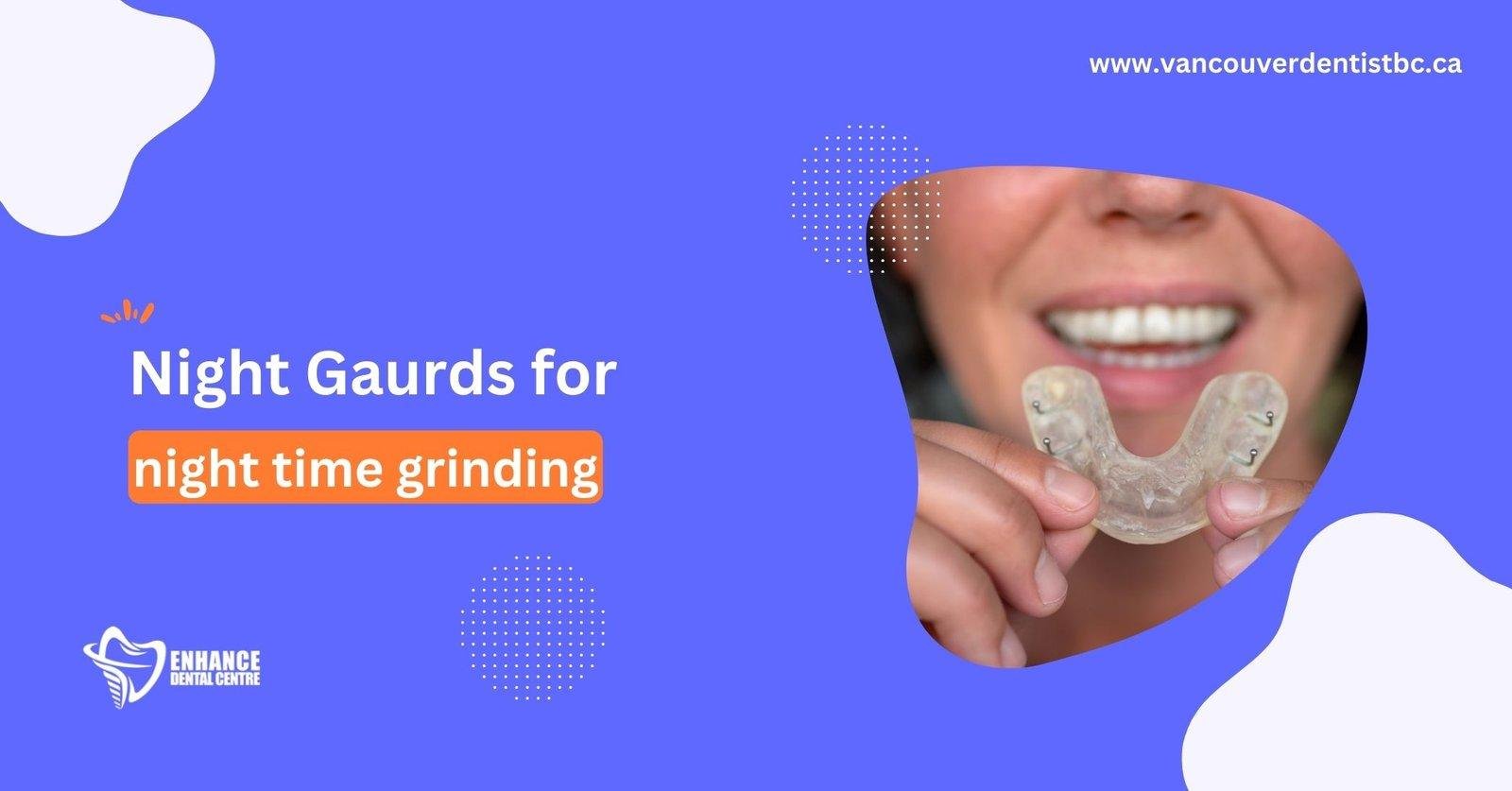
Mouthguardsand splintshelp protect teeth from grinding damage. They create a barrier between upper and lower teeth. This reduces wear and tearduring sleep. Custom-made guards fit better and feel more comfortable. Over-the-counter options are less costly but may not be as effective.
Corrective Dental Treatments
Some people need corrective treatmentsto fix bite problems. Crooked or misaligned teeth can cause grinding. Braces or other dental work may help reduce grinding. Fixing tooth alignment can ease pressure on the jaw.
Regular Dental Checkups
Regular checkupshelp spot early signs of grinding. Dentists can detect worn teeth or jaw pain. Early action can prevent serious damage. Professional advice is important for effective treatment.
When To See A Doctor
Persistent painin your jaw, face, or ears during or after sleep is a clear sign. It may mean your teeth grinding is severe and causing damage.
Sleep disruptionslike waking up often or feeling tired despite enough rest might happen. Grinding can disturb your sleep quality and leave you feeling exhausted.
Look for signs of tooth damagesuch as worn or cracked teeth. Sensitive teeth or headaches in the morning also suggest harm from grinding.
| Symptom | Why It Matters |
|---|---|
| Persistent Pain | Shows possible muscle strain or tooth damage |
| Sleep Disruptions | Indicates disturbed rest from grinding activity |
| Signs of Tooth Damage | Means teeth are being worn or cracked |
Credit: vancouverdentistbc.ca
Frequently Asked Questions
What Causes Teeth Grinding In Sleep?
Teeth grinding, or bruxism, is often caused by stress, anxiety, or sleep disorders. Misaligned teeth and certain medications can also contribute. Identifying the root cause is crucial for effective treatment. Consult a dentist for a proper diagnosis and personalized solutions.
How Can I Stop Grinding My Teeth?
Wearing a mouthguard during sleep can protect your teeth. Stress reduction techniques, such as meditation or yoga, may help. Regular dental check-ups can also aid in monitoring and managing the condition effectively.
Are There Natural Remedies For Teeth Grinding?
Yes, several natural remedies can help reduce teeth grinding. Stress management techniques, like meditation or deep breathing, are beneficial. Applying a warm compress before bed can relax jaw muscles. Additionally, avoiding caffeine and alcohol may lessen nighttime grinding.
Can Stress Cause Teeth Grinding?
Yes, stress is a common trigger for teeth grinding. High stress levels can lead to muscle tension and involuntary clenching. Managing stress through relaxation exercises, therapy, or lifestyle changes may reduce grinding incidents.
Conclusion
Stopping teeth grinding during sleep protects your teeth and reduces pain. Try simple steps like managing stress and avoiding caffeine at night. Using a mouth guard can also help keep your teeth safe. Remember, small changes can make a big difference in your sleep quality.
Talk to a dentist if grinding continues or worsens. Taking care of this issue early improves your overall health and comfort. Keep these tips in mind for better nights and healthier teeth.