
Are you ready to tackle your metal cutting project with confidence? Knowing how to cut metal with an angle grinder can save you time, money, and frustration.
Whether you’re working on a DIY task or a professional job, mastering this skill will make your work cleaner and safer. You’ll discover simple, step-by-step tips that anyone can follow—even if you’ve never used an angle grinder before. Keep reading, and you’ll learn how to make precise cuts, avoid common mistakes, and protect yourself while working.
Your next metal cutting project just got a whole lot easier.
Choosing The Right Angle Grinder
Angle grinders come in different types. Each type serves a specific purpose. Common types include corded, cordless, and pneumaticgrinders. Corded grinders offer steady power but limit mobility. Cordless grinders allow easy movement but need battery charging. Pneumatic grinders use air pressure and are lighter but require an air compressor.
Choosing the right discis very important. Discs vary by material and size. For metal, use discs made for metal cutting or grinding. Discs come in different thicknesses; thinner discs cut faster but wear out quicker. Ensure the disc size matches the grinder’s size for safety and efficiency.
| Power | Size | Use |
|---|---|---|
| 500-1000 Watts | 4-5 inches | Light cutting, small jobs |
| 1000-2000 Watts | 6-7 inches | Medium cutting, general use |
| 2000+ Watts | 9-10 inches | Heavy cutting, thick metal |
Pick a grinder with enough powerfor your job. Size matters for control and reach. Smaller grinders offer better control but less power. Larger grinders handle bigger jobs but are heavier.
Preparing For The Cut
Safety gearis the first thing to prepare before cutting metal. Wear safety gogglesto protect eyes from sparks and debris. Use ear protectionto guard against loud noise. Always wear glovesto protect your hands and a dust maskto avoid breathing metal dust. Long sleeves and pants help protect your skin from sparks.
Clear the work areaof anything that could catch fire. Use a sturdy, flat surface to hold your metal piece steady. Good lighting helps you see the cut line clearly. Make sure no one is close to the work zone to stay safe.
Use a markeror a piece of chalk to draw a clear line on the metal. This line guides your cut and keeps it straight. Double-check the line before starting the cut.
Cutting Techniques
Hold the angle grinder firmly with both hands for better control. Keep your body steady and balanced. Position yourself so the disc moves away from your body.
Start the cut by placing the disc gently on the metal. Let the tool reach full speed before cutting. Apply light, steady pressure. Avoid forcing the grinder.
Keep a steady paceto maintain control. Watch the cutting line closely. Adjust your grip if the tool feels unsteady. Take breaks if needed to stay safe.
- Don’t twist the grinder while cutting.
- Avoid cutting too fast to prevent overheating.
- Never touch the disc while it spins.
- Wear proper safety gear at all times.

Credit: www.youtube.com
After The Cut
After cutting metal, the edges are often sharp and rough. Deburringremoves these sharp bits to make the metal safe to handle. Use a file, sandpaper, or a grinding disc to smooth the edges carefully. Take your time to avoid damaging the metal.
Cleaning the metal piece is important. Remove dust, metal shavings, and oil using a brush or a cloth. This keeps the workpiece clean and ready for the next step or use.
Proper storage of the angle grinder helps it last longer. Always unplug it before storing. Keep it in a dry, safe place, away from children and moisture. Check the disc for wear before the next use.
Troubleshooting Common Issues
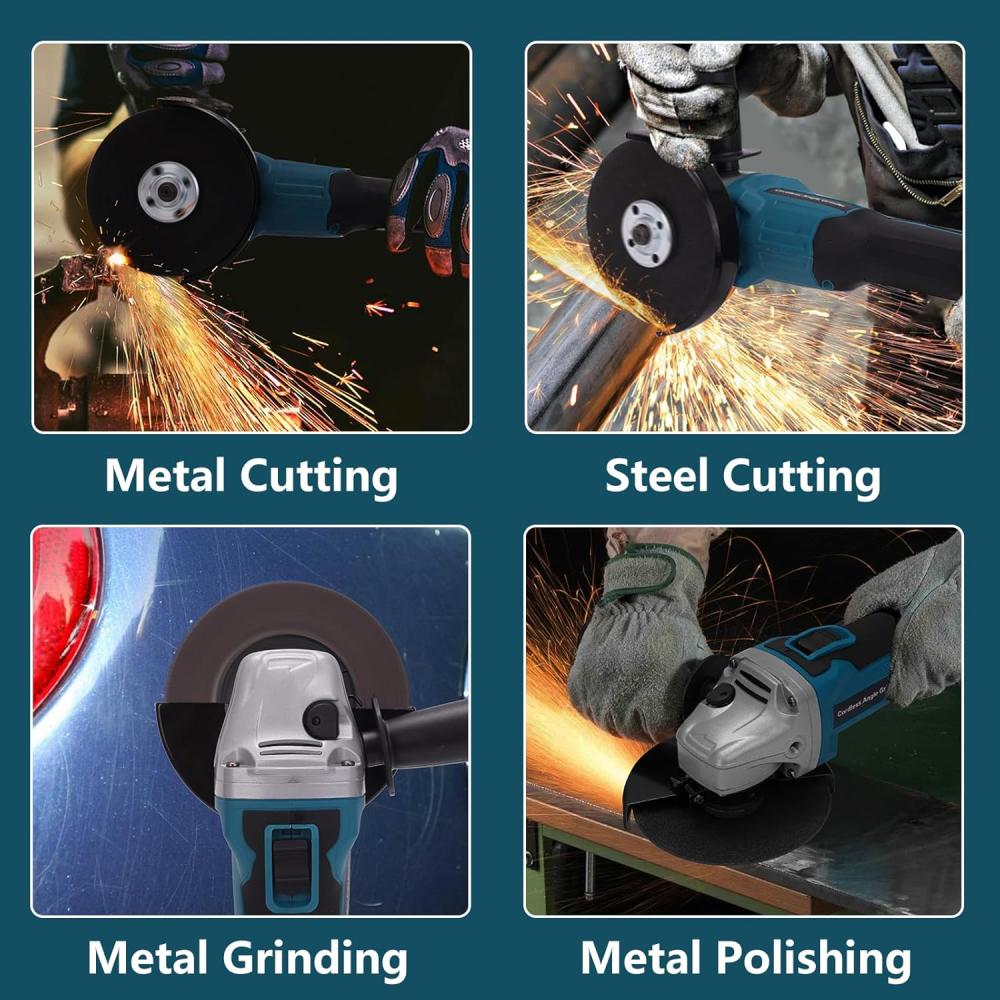
Disc slipping or stallinghappens if the disc is dull or worn out. Check the disc and replace it if needed. Make sure the disc is tight on the grinder. Avoid pressing too hard; let the tool do the work. Clean the disc and guard to remove dust and debris.
Overheating problemsoccur when cutting for too long without breaks. Let the tool rest after a few minutes of use. Use a disc made for metal cutting to reduce heat. Keep the grinder moving steadily to avoid heating one spot. Wear gloves to protect from hot sparks.
Uneven cutsresult from unstable hands or wrong angle. Hold the grinder firmly and keep a steady pace. Keep the disc at the right angle, usually 15 to 30 degrees. Mark the cut line clearly before starting. Use clamps to hold the metal steady during cutting.
Credit: qimm.sa
Advanced Tips For Precision
Use guides and clampsto keep the metal steady. This helps make clean and straight cuts. Clamp the metal firmly to avoid movement. Use a guide rail or a straight edge to follow the cut line precisely.
Different metals need different cutting approaches. Steelis tough and requires a high-speed disc. Aluminumis softer but can clog the blade. Use a blade designed for non-ferrous metals to prevent clogging. Stainless steelneeds a slower speed and more pressure to cut well.
| Metal Type | Disc Type | Speed | Pressure |
|---|---|---|---|
| Steel | High-speed abrasive | High | Moderate |
| Aluminum | Non-ferrous metal blade | Medium | Light |
| Stainless steel | Diamond blade | Low | Firm |
Keep the grinder speed steady. Too fast can burn the metal, too slow wastes time. Use light to moderate pressure. Pressing too hard can damage the blade or metal. Let the tool do the work. Move the grinder smoothly along the cut line.

Credit: www.hilti.ca
Frequently Asked Questions
What Safety Gear Is Essential For Cutting Metal?
Always wear safety glasses, gloves, ear protection, and a dust mask. These protect against sparks, debris, noise, and metal dust. Proper gear reduces injury risk and ensures safe cutting with an angle grinder.
Which Angle Grinder Blade Is Best For Metal?
Use a thin, high-speed abrasive disc or a carbide-tipped blade. These blades cut metal efficiently and last longer. Avoid wood or masonry blades to prevent damage and unsafe cutting.
How To Prevent Metal From Overheating While Cutting?
Cut in short bursts and avoid forcing the blade. Allow the metal and blade to cool between cuts. Overheating can damage both the tool and the metal workpiece.
Can An Angle Grinder Cut Thick Metal Sheets?
Yes, but use a suitable blade and take multiple passes. Thick metals require patience and steady control for clean cuts. Always follow manufacturer guidelines for blade thickness limits.
Conclusion
Cutting metal with an angle grinder takes practice and care. Always wear safety gear to protect yourself. Use the right disc for the metal type. Keep a steady hand and control the tool well. Take breaks to avoid mistakes and stay focused.
With patience, you can make clean, precise cuts. Remember, safety and preparation matter most. Try small projects before moving to bigger ones. This way, you gain confidence and skill. Cutting metal can be simple and effective. Just follow these tips and stay safe.