
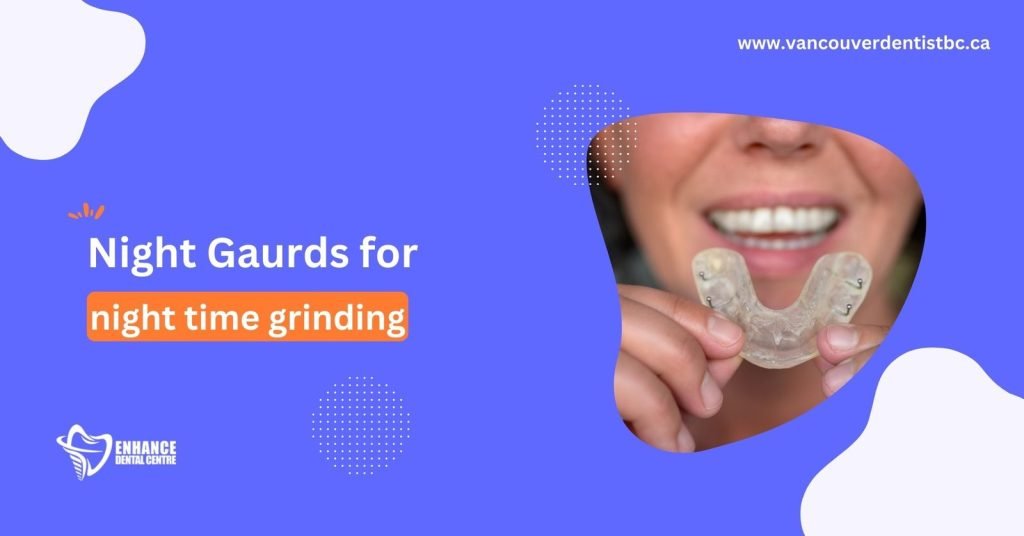
Do you wake up with a sore jaw or a headache and wonder why? You might be grinding your teeth at night without even knowing it.
Night teeth grinding, also called bruxism, can damage your teeth and affect your sleep quality. But the good news is, you don’t have to live with it. You’ll discover simple and effective ways to stop night teeth grinding before it causes serious problems.
Keep reading to protect your smile and enjoy restful nights again.

Credit: sentinelmouthguards.com
Causes Of Night Teeth Grinding
Stress and anxietycause many people to grind their teeth at night. The mind feels tense, and the body reacts by clenching the jaw. This happens without control during sleep.
Sleep disorderslike sleep apnea or snoring can trigger teeth grinding. These conditions disturb restful sleep, leading to jaw tightness and grinding.
Misaligned teethor an uneven bite often cause the jaw muscles to work harder. This strain can cause grinding as the mouth tries to find a comfortable position.
- Lifestyle factorssuch as caffeine, smoking, or alcohol increase the chances of night grinding.
- High caffeine intake can make the body restless.
- Smoking affects muscle relaxation, causing tension.
- Alcohol disrupts sleep patterns, leading to clenching.
Signs And Symptoms
Grinding or clenching teeth during sleep often causes jaw pain, headaches, and worn teeth. Noticeable signs include loud grinding sounds and morning soreness in the face or neck. Early recognition helps prevent long-term damage.
Jaw Pain And Soreness
Jaw pain is a common sign of night teeth grinding. It may feel stiff or sore. This pain often worsens in the morning. The muscles around the jaw can feel tight or tired.
Tooth Damage
Grinding can wear down tooth surfaces. Teeth may become flat or chipped. This damage can cause tooth sensitivity. Cracks in teeth might also appear over time.
Headaches
Frequent headaches, especially near the temples, often happen. These headaches can start early in the day. They may feel like pressure or dull pain.
Disturbed Sleep
Night grinding can cause restless sleep. It may wake you up or disturb your partner. This leads to feeling tired during the day.
Lifestyle Changes To Reduce Grinding
Stressoften causes teeth grinding at night. Try simple stress reliefmethods like deep breathing, meditation, or gentle exercise. These can help calm the mind and body before bed.
Caffeineand alcoholcan make grinding worse. Limit drinks like coffee, tea, soda, and alcohol, especially in the evening. This helps your muscles relax and improves sleep quality.
Creating a regular sleep routinetrains your body to rest well. Go to bed and wake up at the same time every day. Avoid screens and bright lights before sleep to help your brain prepare for rest.
Credit: www.walmart.ca
Protective Devices
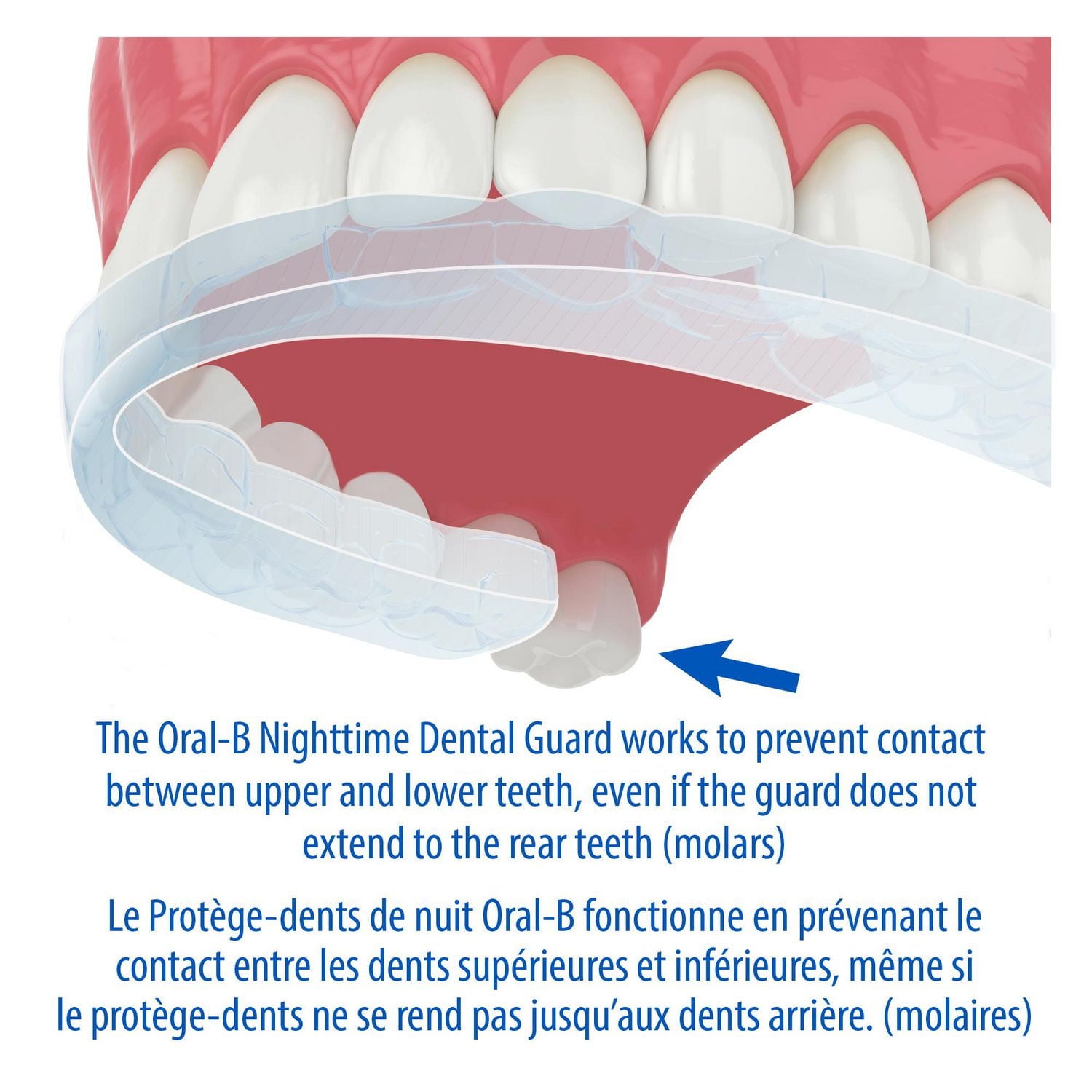
Mouthguards and splintsprotect teeth from grinding damage during sleep. They create a barrier between upper and lower teeth. This reduces pressure and prevents wear.
Two main types exist:
- Custom mouthguardsare made by dentists. They fit perfectly to your teeth shape. They are more comfortable and effective but cost more.
- Over-the-counter mouthguardsare cheaper and available in stores. They come in standard sizes and need some fitting at home. Comfort and protection may be less.
| Feature | Custom Mouthguards | Over-the-Counter Mouthguards |
|---|---|---|
| Fit | Perfect, dentist-made | Standard sizes, self-fitted |
| Comfort | High | Medium to low |
| Protection | Very effective | Moderate |
| Cost | Higher | Lower |
Dental Treatments
Misaligned teethcan cause uneven pressure during sleep. This pressure often leads to night teeth grinding. Dentists can help by adjusting the bite to make it more even. Braces or clear aligners may be used to gently move teeth into the right place.
Fixing tooth damageis also important. Cracks or worn surfaces can make grinding worse. Dentists may use crowns or bonding to protect damaged teeth. This helps reduce pain and stops further damage.
| Dental Treatment | How It Helps |
|---|---|
| Correcting Misaligned Teeth | Balances bite and reduces grinding forces |
| Addressing Tooth Damage | Protects teeth from further wear and pain |

Credit: kigodental.com
When To Seek Professional Help
Persistent symptomslike frequent jaw pain or headaches need attention. Grinding that lasts for weeks or worsens signals a problem. Difficulty opening or closing the mouth also shows a need for help.
The impact on daily lifeincludes tiredness, trouble focusing, and irritation. Sleep disruption affects mood and work. Family members might notice the grinding noise, causing stress.
| Specialist | Role | When to Consult |
|---|---|---|
| Dentist | Checks teeth and jaw health | Signs of tooth damage or pain |
| Sleep Specialist | Studies sleep patterns | Severe sleep problems or apnea |
| Neurologist | Examines nerve and muscle issues | Persistent muscle pain or spasms |
Frequently Asked Questions
What Causes Night Teeth Grinding During Sleep?
Night teeth grinding, or bruxism, is caused by stress, anxiety, sleep disorders, or misaligned teeth. It often happens unconsciously during sleep and can lead to tooth damage and jaw pain if untreated.
How Can I Stop Grinding Teeth At Night Naturally?
To stop grinding teeth naturally, reduce stress, avoid caffeine, practice relaxation exercises, and maintain good sleep hygiene. Wearing a mouthguard and seeking dental advice also helps prevent damage caused by grinding.
Does Night Teeth Grinding Affect Dental Health?
Yes, night teeth grinding can cause tooth wear, fractures, sensitivity, and jaw pain. It may also lead to headaches and temporomandibular joint (TMJ) disorders if left untreated.
Can A Dentist Help With Night Teeth Grinding?
Dentists can diagnose bruxism and provide treatments such as custom mouthguards. They also address underlying dental issues and recommend lifestyle changes to reduce grinding.
Conclusion
Preventing night teeth grinding starts with good habits. Try to relax before sleep and reduce stress during the day. Use a mouth guard if your dentist suggests it. Avoid caffeine and alcohol in the evening. Keep a regular sleep schedule to help your body rest well.
Small changes can protect your teeth and improve your sleep quality. Stay consistent and patient as you work toward stopping teeth grinding. Your smile and health will thank you.