
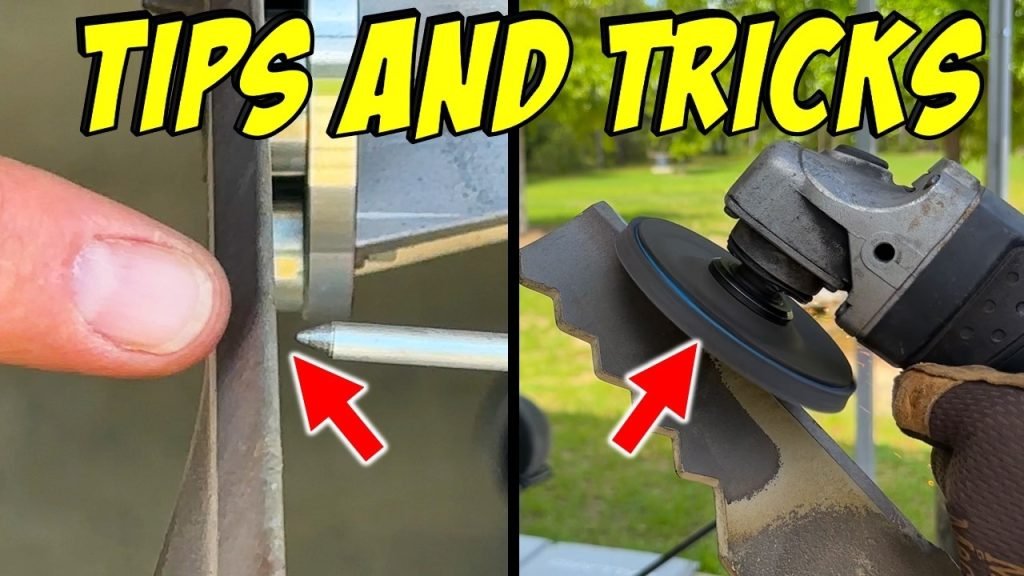
Is your lawnmower leaving uneven cuts or tearing the grass instead of slicing it cleanly? A dull blade could be the culprit, making your mowing job harder and your lawn look messy.
But don’t worry—you can fix this quickly and save money by sharpening your lawnmower blade yourself using a grinder. In this guide, you’ll discover simple steps to get your blade razor-sharp again, so your mower works like new and your lawn looks its best.
Ready to take control and sharpen your blade like a pro? Keep reading to learn how.
Preparing The Lawnmower
Always disconnect the lawnmower spark plug wire before starting. This stops the mower from starting by mistake. Wear thick gloves to protect your hands from sharp blade edges. Use safety goggles to shield your eyes from sparks and metal bits while grinding.
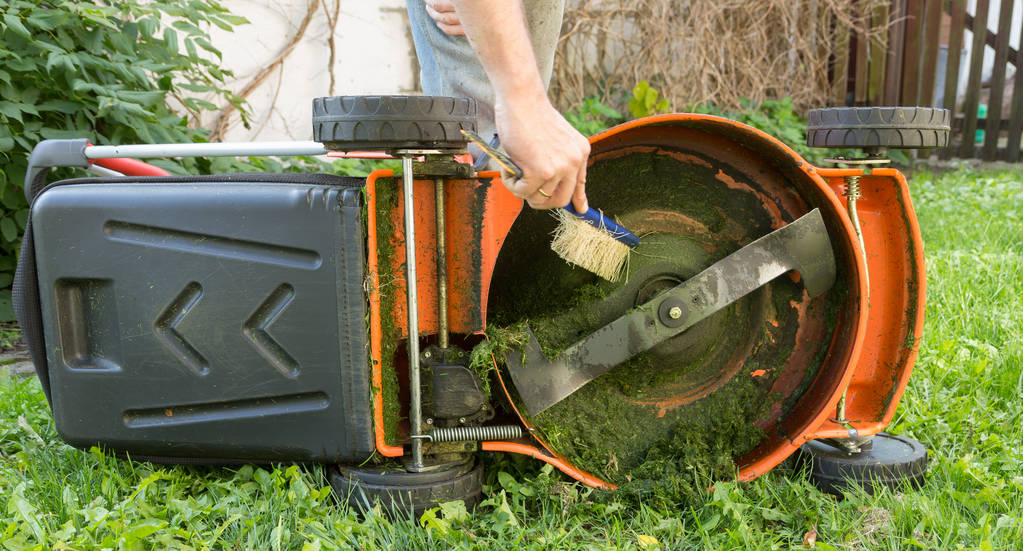
To remove the blade, tip the mower on its side with the carburetor facing up. Hold the blade firmly with a rag or clamp to stop it from moving. Use a wrench to loosen and remove the bolt that holds the blade. Keep the bolt and washers safe for reassembly.
Credit: binictools.com
Setting Up The Grinder
Select a grinding wheel made for metal sharpening. A stone grinding wheelworks best for lawnmower blades. Avoid wheels that are too coarse, as they can damage the blade.
Check the grinder’s speed. Set it to a medium RPMto prevent overheating the blade. Too fast can cause the blade to lose its temper and get dull quickly.
Adjust the grinder’s tool rest close to the wheel. This gives better control and safety when sharpening. Keep the angle steady to match the blade’s edge, usually about 30 degrees.
Sharpening The Blade
Hold the blade firmly by the non-cutting edge. Use gloves for safety. Secure the blade on a stable surface to stop it from moving. This helps keep control while sharpening.
Use a grinder with a steady hand. Move the blade slowly against the grinding wheel. Avoid staying in one spot too long to stop overheating.
Keep the blade angle steady. The correct angle is usually around 30 degrees. Maintaining this angle ensures a sharp and even edge. Check the blade angle often during grinding.
Finishing Touches
Balancing the blade is very important for smooth lawnmower work. Use a blade balancer or hang the blade on a nail to check balance. If one side dips, remove a little metal from that side. Keep adjusting until the blade stays level.
Reattaching the blade needs care. Put the blade back on the mower shaft with the sharp edges facing the right way. Tighten the bolt firmly using a wrench. Make sure the blade is secure and won’t wobble.
Testing the lawnmower after sharpening and reattaching is key. Start the mower in a safe area. Listen for strange sounds or vibrations. If everything runs smoothly, the blade is ready to cut grass well.
Common Mistakes To Avoid
Avoid grinding the blade too much. Over-grinding weakens the metal and shortens blade life.
Do not sharpen the blade at the wrong angle. Keep the original blade angle for best cuts.
Never grind the entire blade edge. Focus on the dull or nicked parts only.
Ensure the lawnmower is off and disconnected from power before sharpening.
Wear safety goggles and gloves to protect from sparks and sharp metal.
Do not rush the process. Slow, steady strokes give a sharper edge.
Avoid overheating the blade. Cool it with water to prevent warping.
- Check blade balance after sharpening to avoid vibration.
- Do not forget to clean the blade before sharpening.

Credit: www.youtube.com
Maintenance Tips For Longevity
Keeping the lawnmower blade sharp helps the mower cut grass cleanly. It also keeps the engine running smoothly and saves fuel. Regularly check the blade for dents, cracks, or rust. Clean the blade after every use to stop dirt build-up. Store the mower in a dry place to avoid rusting. Always balance the blade after sharpening to prevent vibrations. Wearing gloves can protect hands from sharp edges. Using a grinder is a quick way to sharpen the blade. Work slowly and carefully to keep the blade’s original shape. Remember to disconnect the spark plug before working on the blade for safety.

Credit: www.youtube.com
Frequently Asked Questions
How Often Should I Sharpen A Lawnmower Blade With A Grinder?
Sharpen your lawnmower blade every 20-25 hours of use for optimal cutting. Regular sharpening improves efficiency and lawn health. Check the blade for nicks or dullness before grinding. This schedule ensures clean cuts and extends the blade’s lifespan.
What Safety Gear Is Needed When Sharpening Blades With A Grinder?
Always wear safety goggles, gloves, and ear protection when using a grinder. These prevent injuries from sparks, metal shards, and loud noise. Ensure your workspace is well-ventilated and free of flammable materials. Safety is crucial to avoid accidents during sharpening.
Can I Sharpen Any Lawnmower Blade With A Grinder?
Most standard steel lawnmower blades can be sharpened with a grinder. However, avoid sharpening blades made of hardened or coated materials without manufacturer guidance. Always check the blade type before grinding to prevent damage and ensure effective sharpening.
How Do I Maintain Balance After Sharpening The Blade?
After grinding, check the blade’s balance using a blade balancer or a nail. An unbalanced blade causes vibration and uneven cutting. Remove more material from the heavier side until it balances perfectly. Proper balance enhances mower performance and blade durability.
Conclusion
Sharpening a lawnmower blade with a grinder keeps your grass healthy. A sharp blade cuts cleanly, avoiding damage to your lawn. Always wear safety gear to protect yourself during sharpening. Take your time and check the blade often for even edges.
Clean and balance the blade after sharpening for best results. Regular sharpening saves money and improves mower performance. Keep your lawn looking neat with a well-maintained blade. Simple steps bring great results. Try sharpening your blade today and see the difference.