
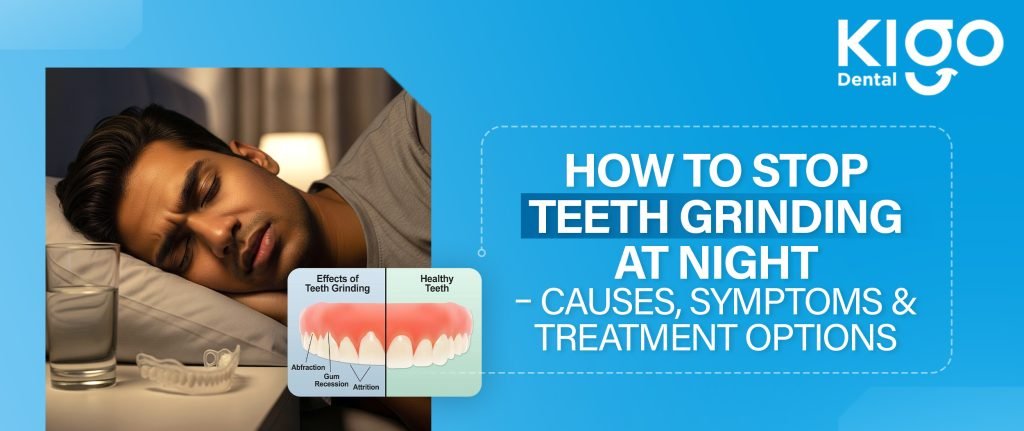
Are you waking up with a sore jaw or headaches and wondering why? Grinding your teeth while you sleep could be the hidden culprit.
This common habit can harm your teeth and disrupt your rest, but the good news is—you don’t have to live with it. You’ll discover simple, effective ways to stop grinding your teeth during sleep. By understanding what triggers this problem and how to tackle it, you can protect your smile and enjoy peaceful nights.
Keep reading—your teeth and your sleep will thank you.
Causes Of Teeth Grinding
Stress and anxietyoften cause teeth grinding. The brain reacts to stress by tightening jaw muscles during sleep. This can lead to frequent grinding without realizing it. Managing stress can reduce the problem.
Sleep disorderslike sleep apnea or snoring increase grinding risks. These conditions disrupt normal sleep patterns. The body responds by clenching teeth to keep airways open. Treating sleep problems can help stop grinding.
Medications and substancessometimes trigger teeth grinding. Certain drugs, especially those affecting the brain, can cause muscle spasms. Alcohol, caffeine, and smoking also make grinding worse. Avoiding these can ease symptoms.
Misaligned teethcreate uneven pressure on the jaw. The mouth tries to correct this by grinding teeth. This can damage teeth and cause pain. Dental care or braces can fix alignment and reduce grinding.
Signs You Grind Your Teeth
Morning jaw painis a common sign of teeth grinding. Your jaw may feel sore or stiff after waking up. This happens because your muscles work hard at night.
Tooth damageshows up as worn or chipped teeth. Grinding wears down the enamel, the tooth’s outer layer. This can make teeth sensitive or cracked.
- Headachesoften occur near the temples or around the ears.
- These headaches come from tension in jaw muscles.
- Sleep disruptionmeans restless or broken sleep.
- Grinding can wake you up or disturb your partner’s sleep.
Lifestyle Changes To Reduce Grinding
Stress can cause teeth grinding during sleep. Try simple stress management techniqueslike deep breathing and meditation. These help your body relax before bedtime. Small changes can make a big difference.
Limiting alcohol and caffeinehelps reduce grinding. Both can increase muscle activity and make it harder to sleep well. Avoid these drinks in the evening for better rest.
Establishing a sleep routineimproves sleep quality. Go to bed and wake up at the same time every day. A calm and consistent routine signals your brain to relax, lowering the chance of grinding.

Credit: www.amazon.ie
Dental Solutions
Mouthguardsand splintsprotect teeth from grinding damage. These devices fit over the teeth to create a barrier. They help reduce pressure and prevent wear during sleep. Custom-made guards from dentists fit better and feel comfortable.
Corrective dental treatmentsfix alignment problems that cause grinding. Straightening teeth can ease jaw tension. Crowns or bonding repair worn or cracked teeth. These treatments help stop grinding by improving bite and jaw position.
Professional Treatments
Behavioral therapyhelps change habits causing teeth grinding. It teaches ways to relax jaw muscles before sleep. Techniques like stress management and muscle exercises are common. These methods reduce the urge to grind teeth at night.
Medicationscan ease muscle tension or reduce stress. Sometimes, doctors prescribe muscle relaxants for short-term use. Other drugs may help if anxiety or sleep problems contribute to grinding. Always follow a doctor’s advice for safe use.
Addressing sleep disordersis key for some patients. Conditions like sleep apnea often cause grinding. Treating these disorders with devices or therapies can stop grinding. A sleep study may be needed to find the root cause.
Home Remedies To Try
Applying a warm compressto the jaw can help relax tight muscles. Use a warm towel for 10-15 minutes before sleep. This can ease tension and reduce grinding.
Simple jaw exercisesimprove muscle strength and flexibility. Gently open and close your mouth or move your jaw side to side. Repeat these exercises a few times daily to ease stress in the jaw.
Relaxation practicescalm the mind and body. Deep breathing, meditation, or listening to soft music before bed can lower stress levels. Less stress often means less teeth grinding during sleep.
When To See A Dentist Or Doctor
Persistent symptoms like jaw pain, headaches, or sore teeth need attention. These signs may show ongoing teeth grinding during sleep.
Severe tooth damage includes cracks, chips, or worn enamel. Such damage can cause pain and lead to infection.
Sleep disturbances like loud grinding noises or waking up tired are warning signs. These can affect your daily energy and mood.
- Jaw pain lasting more than a week
- Visible damage to teeth or gums
- Constant headaches or ear pain
- Loud grinding sounds during sleep
- Feeling tired despite full night’s sleep

Credit: www.amazon.com

Credit: sentinelmouthguards.com
Frequently Asked Questions
What Causes Teeth Grinding During Sleep?
Teeth grinding, or bruxism, often results from stress, anxiety, or sleep disorders. It may also be linked to misaligned teeth or medications. Identifying the cause helps in choosing effective treatments and preventing damage to teeth and jaw muscles.
How Can I Stop Grinding My Teeth At Night?
Use a custom-fitted mouthguard to protect teeth during sleep. Practice stress-relief techniques like meditation or exercise. Avoid caffeine and alcohol before bedtime. Consult a dentist for personalized advice and treatment options.
Can Teeth Grinding Damage My Dental Health?
Yes, grinding can wear down tooth enamel, cause fractures, and increase tooth sensitivity. It may also lead to jaw pain, headaches, and temporomandibular joint (TMJ) disorders. Early intervention can prevent serious dental issues.
Are There Natural Remedies To Reduce Teeth Grinding?
Natural remedies include managing stress through relaxation exercises and improving sleep hygiene. Applying warm compresses can relax jaw muscles. Avoid chewing gum and hard foods to reduce muscle tension. These methods support but do not replace professional care.
Conclusion
Stopping teeth grinding during sleep takes small, steady steps. Try relaxing before bed and use a mouth guard if needed. Reduce stress and avoid caffeine late in the day. Talk to a dentist for advice tailored to you. Better sleep and less pain are possible.
Keep these tips in mind and be patient. Your smile and jaw will thank you.