
Do you wake up with a sore jaw or a headache and wonder why? You might be grinding your teeth at night without even knowing it.
Teeth grinding, or bruxism, can happen while you sleep and cause serious damage if left unchecked. But how can you tell if you’re doing it? You’ll discover the simple signs to watch for and what steps to take next. Keep reading to protect your smile and get the restful sleep you deserve.
Common Symptoms Of Nighttime Teeth Grinding
Jaw pain and sorenessis a common sign of grinding teeth at night. The muscles around the jaw may feel tired or tight in the morning. This discomfort can make it hard to open the mouth fully or chew food.
Headaches upon wakingoften happen due to muscle tension from grinding. These headaches usually start near the temples and can last for a few hours. They may feel dull or like a pressure headache.
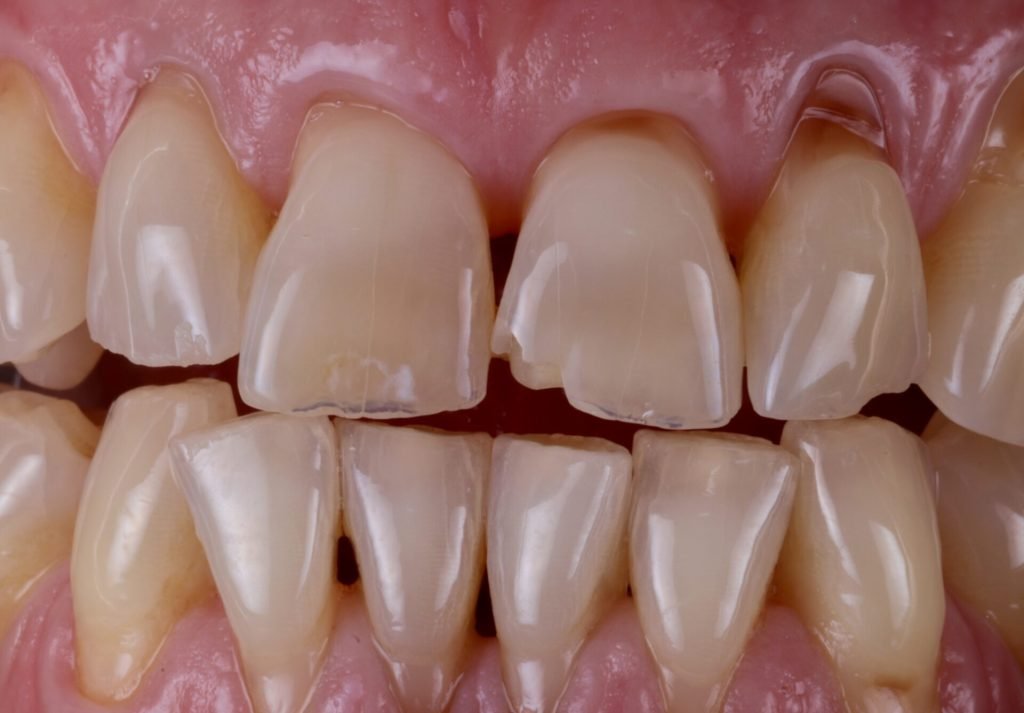
Worn or damaged teethshow visible signs of grinding. Teeth may look flat, chipped, or cracked. Enamel wears down, making teeth sensitive to hot and cold foods. Dentists can spot these changes during check-ups.

Credit: kigodental.com
Physical Clues To Check
Indentations on the tongue and cheekscan signal teeth grinding. These marks appear from pressing teeth hard against soft tissues.
Loose or sensitive teethmight happen due to constant grinding. This pressure can wear down tooth enamel and cause discomfort.
Ear pain without infectionmay be a sign. Grinding can strain jaw muscles near the ears, causing aches without any infection present.
Behavioral Signs During Sleep
Audible grinding soundsduring sleep often alert partners or family members. These noises can be loud, harsh, and repetitive. They usually happen in the first part of the night.
Restless sleep patternsmay follow teeth grinding. Tossing and turning, frequent waking, or unusual body movements can be signs. This restlessness often leads to poor sleep quality.
Morning fatigueis common in people who grind their teeth. Waking up tired, with headaches or jaw pain, might indicate night grinding. Feeling unrested even after a full night’s sleep is another clue.

Credit: www.delldental.com.my
When To See A Dentist
Seeing a dentist is important to check for teeth grinding. They can spot signs you might miss. Dentists look for worn teeth, jaw pain, or damageto dental work.
Professional Diagnosis Methods
- Visual exam of teeth and gums
- Checking for jaw tenderness
- Using a night guard to monitor grinding
- Asking about headaches or ear pain
Treatment Options Available
- Custom night guards to protect teeth
- Stress management techniques
- Physical therapy for jaw muscles
- Medications for pain relief
Preventive Measures To Consider
- Reduce caffeine and alcohol before bed
- Practice relaxation exercises
- Keep a regular sleep schedule
- Avoid chewing gum or hard foods

Credit: www.chapelhilldds.com
Frequently Asked Questions
How Can I Tell If I Grind Teeth At Night?
Look for symptoms like jaw pain, headaches, and worn teeth. Morning soreness and disrupted sleep also indicate nighttime teeth grinding.
What Are Common Signs Of Nighttime Teeth Grinding?
Signs include tooth sensitivity, flattened teeth surfaces, jaw stiffness, and frequent headaches upon waking.
Can Teeth Grinding Damage My Dental Health?
Yes, grinding can cause tooth wear, fractures, gum recession, and increase tooth sensitivity, affecting overall dental health.
Is Jaw Pain A Sign Of Nighttime Teeth Grinding?
Yes, jaw pain and tightness often result from grinding or clenching teeth during sleep.
Conclusion
Teeth grinding at night can cause serious problems. Pay attention to signs like jaw pain or headaches. Ask your partner if they hear grinding sounds. Early action helps protect your teeth and health. Visit a dentist for a proper check-up.
Simple steps can reduce damage and discomfort. Don’t ignore the symptoms; take care of your smile. Quiet nights mean better rest and fewer worries. Keep your teeth safe by staying aware and informed.