
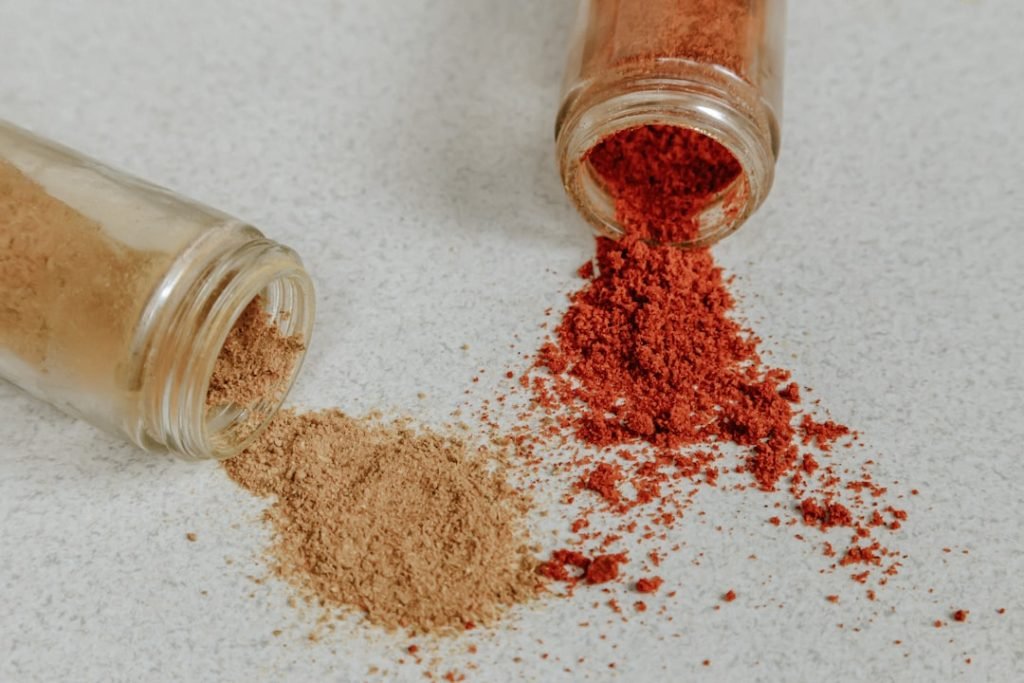
Have you ever reached for your spice grinder only to find it missing or broken? Don’t worry—you don’t need fancy tools to get fresh, fragrant spices for your meals.
Grinding spices by hand is easier than you think, and it can bring out flavors that pre-ground spices just can’t match. You’ll discover simple, effective ways to grind your spices using everyday kitchen items. Keep reading, and you’ll be ready to boost your cooking with freshly ground spices in no time!

Credit: www.aol.com
Tools You Can Use Instead
A mortar and pestle can crush spices into fine powder quickly. A rolling pin or a heavy pan also works well to grind spices on a flat surface. These common kitchen tools offer easy alternatives without special equipment.
Mortar And Pestle
Crush spiceswith a mortar and pestle for a fresh taste. Press and twist to grind. Works well for small batches.
Rolling Pin And Plastic Bag
Put spices in a sealed plastic bag. Roll over with a rolling pin to crush. Easy and quick. Good for larger seeds.
Coffee Grinder
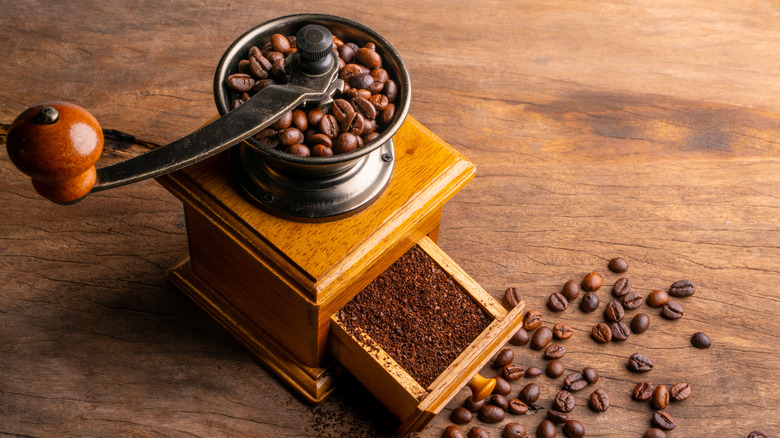
Use a clean coffee grinder for fine powder. Grind spices in short bursts. Avoid mixing coffee and spices flavors.
Blender Or Food Processor
Pulse spices in a blender or food processor. Best for bigger quantities. Chop coarsely or finely depending on time.
Knife And Cutting Board
Chop dry spices finely with a sharp knife. Use a rocking motion for better control. Works best for dried herbs.
Preparation Tips For Grinding
Make sure spices are completely dry before grinding. Wet spices can clump and won’t grind well. Spread them out on a clean cloth and let air dry for a few hours.
Break large pieces into smaller bits using your hands or a knife. Smaller pieces are easier to crush and give a finer grind.
Measure spices carefully. Use the amount needed for your recipe to avoid waste. Freshly ground spices have stronger flavors, so start with less and add more if needed.
Step-by-step Grinding Techniques
Crushing spiceswith a mortar and pestle works well for small amounts. Place the spices inside and press down firmly. Use a circular motion to grind until you get the right texture. This method releases more flavor.
Use a rolling pin to crush spices inside a plastic bag. Flatten the bag on a hard surface. Roll the pin back and forth to break the spices. This is great for larger quantities and easy cleanup.
A blender can pulse grind spices quickly. Use short bursts to avoid overheating. Stop and shake the container for even grinding. This method works best for dried spices and seeds.
Chopping with a knife is simple for fresh spices like ginger or garlic. Cut into small pieces by rocking the knife back and forth. Repeat until finely chopped. This technique keeps the spices fresh and flavorful.
Credit: www.chowhound.com
Storage For Freshly Ground Spices
Choose airtight containersto keep spices fresh longer. Glass jars with tight lids work best. Avoid plastic containers that can absorb smells and oils.
Label each container with the spice nameand the dateit was ground. This helps track freshness and avoid using old spices.
- Store spices in a cool, darkplace.
- Keep containers away from heat sources like stoves and ovens.
- Avoid direct sunlight to prevent loss of flavor.
Tips To Maximize Flavor
Grinding spices just before usekeeps their flavors fresh and strong. Over time, ground spices lose aroma and taste. Grinding right before cooking preserves their essential oils. Use a mortar and pestle, a rolling pin, or a clean coffee grinder for best results.
Combining spices for blendscreates unique flavors. Mix whole spices first, then grind together for even taste. This method blends the oils and aromas well. Store blends in airtight containers away from light and heat.
Toasting spices before grindingbrings out deeper flavors. Heat spices in a dry pan on low heat for a few minutes. Let them cool before grinding. This step adds warmth and complexity to your dishes.
Credit: www.kitchenaid.com
Common Mistakes To Avoid
Over-grindingspices can make them too fine, losing flavor and texture. Aim for a coarse or medium grind unless a powder is needed. Using wet toolslike damp spoons or mortar and pestle can cause spices to clump or spoil. Always use dry equipmentfor grinding.
Mixing different spicesbefore grinding may cause uneven flavors. Some spices take longer to grind than others. Grind each spice separately to keep their unique taste clear.
- Do not grind spices too long; stop when texture looks right.
- Ensure tools are completely dry to prevent moisture damage.
- Grind spices one type at a time for best flavor.
Frequently Asked Questions
What Are Alternatives To A Spice Grinder?
You can use a mortar and pestle, a blender, or a rolling pin. These tools can effectively crush and grind spices. Each method offers different textures. Adjust based on your recipe requirements. Experiment to find the best option for your needs.
How Do I Grind Spices With A Blender?
To grind spices with a blender, ensure the container is dry. Add small batches of spices. Use the pulse setting for controlled grinding. Avoid over-blending to maintain texture. This method is efficient for larger quantities.
Can A Coffee Grinder Grind Spices Effectively?
Yes, a coffee grinder can grind spices well. Clean it thoroughly to avoid flavor mixing. Use short pulses to control consistency. It’s ideal for small batches and provides a fine texture.
Is A Mortar And Pestle Good For Spices?
A mortar and pestle is excellent for grinding spices. It offers control over texture and consistency. Use circular motions for best results. It’s especially good for small quantities and fresh flavors.
Conclusion
Grinding spices without a grinder is simple and quick. Use common kitchen tools like a mortar and pestle, rolling pin, or even a heavy pan. These methods let you control the texture and freshness. Freshly ground spices give your dishes better flavor and aroma.
Practice a little, and you will find what works best. Keep your spices dry and grind small amounts for best results. Enjoy cooking with spices ground your own way.