
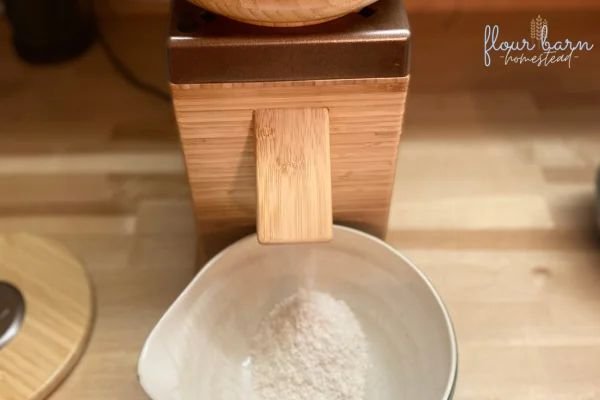
Have you ever thought about grinding your own flour at home? It’s easier than you might think, and it can change the way you bake and cook forever.
Imagine having fresh, nutrient-packed flour made exactly the way you want it—right in your kitchen. Grinding your own flour gives you control over the texture, flavor, and quality of what you eat. You’ll discover simple steps and tips to get started, even if you’ve never tried it before.
Ready to unlock the secret to better baking? Keep reading to learn how to grind your own flour quickly and easily.
Credit: 1847.ca
Benefits Of Grinding Your Own Flour
Grinding your own flour gives you fresher tasteand stronger aroma. The natural oils stay in the flour, making food smell and taste better.
Freshly ground flour keeps more nutrientslike fiber, vitamins, and minerals. This helps your body stay healthy and energized.
Buying whole grains and grinding them at home can save money. It costs less than buying pre-ground flour in stores.
You can choose the textureyou want. Fine for cakes or coarse for bread. This control helps make your food just right.

Credit: themoderndaycottage.com
Choosing The Right Grain
Choosing the right grain is key for good flour. Different grains have unique flavors and textures. Common grains include wheat, rye, barley, and corn. Each grain offers a different baking experience.
Organic grains are grown without synthetic chemicals. Conventional grains may use pesticides and fertilizers. Organic grains often have a richer taste and fewer residues. This can matter for health and flavor.
| Source | Details |
|---|---|
| Local Farmers | Fresh grains, supports local economy, often organic |
| Health Food Stores | Wide selection, organic options, sometimes more expensive |
| Online Retailers | Convenient, bulk buying, check for quality and reviews |
Types Of Flour Grinders
Manual grain millsuse hand power to crush grains. They are quiet and need no electricity. You control the speed and coarseness of the flour. These mills are often cheaper but need more effort. Great for small batches and camping trips.
Electric grain grinderswork fast and with less effort. Just push a button, and grains turn into flour quickly. They have different settings for fine or coarse flour. These are good for bigger amounts and daily use. They can be noisy and use electricity.
| Feature | Manual Grain Mills | Electric Grain Grinders |
|---|---|---|
| Power Source | Hand crank | Electricity |
| Speed | Slow | Fast |
| Noise Level | Quiet | Loud |
| Portability | Easy to move | Less portable |
| Cost | Lower | Higher |
Step-by-step Grinding Process
Rinse grains to remove dust and dirt. Let them dry completely before grinding. Use whole, clean grains for the best flour quality.
Place your grinder on a stable surface. Make sure it is clean and dry. Adjust settings for the type of flour you want.
- For fine flour, grind grains slowly and in small batches.
- Coarser flour needs faster grinding or fewer passes.
- Use different settings for wheat, corn, or rye grains.
Store flour in an airtight container. Keep it in a cool, dry place. Use within a few weeks for freshness and best taste.
Common Mistakes To Avoid
Overheating the grindercan damage the flour’s taste and texture. Heat changes the oil in the grains and makes flour less fresh. Let the grinder rest between uses to avoid heat build-up.
Using moist or damaged grainscauses clumping and poor flour quality. Moist grains may clog the grinder and spoil faster. Always use dry and clean grains for best results.
- Ignoring proper cleaninglets old flour and dust build up inside the grinder.
- This can cause bad smells and mix old flour with new batches.
- Clean the grinder after every use with a dry brush or cloth.

Credit: themoderndaycottage.com
Creative Uses For Fresh Flour
Fresh flourmakes bread and pastries taste much better. It has a richer flavor and soft texture. Use it to bake crusty bread, muffins, and sweet rolls. The fresh flour helps dough rise well and gives a nice crumb.
Fresh flour works great for making pasta and noodles too. It creates dough that is smooth and easy to shape. Homemade pasta feels tender and has a fresh wheat flavor. Try making spaghetti, fettuccine, or dumpling wrappers with it.
Thickening sauces and soups is easier with fresh flour. It blends well and does not form lumps. Stir it slowly into hot liquid for a smooth, creamy texture. Use fresh flour to make gravy, chowders, or creamy soups taste better.
Frequently Asked Questions
What Equipment Do I Need To Grind My Own Flour?
You need a grain mill or a high-powered blender. A grain mill offers consistent texture. Blenders work for small batches but may vary in grind size.
Which Grains Are Best For Homemade Flour?
Wheat, rye, barley, and corn are popular choices. Whole grains retain nutrients and flavor. Experiment with different grains for unique flour blends.
How Fine Should Homemade Flour Be Ground?
The grind depends on your recipe. For bread, use medium to coarse grind. For pastries, a fine grind is preferred. Adjust mill settings accordingly.
Can I Store Freshly Ground Flour?
Yes, store in an airtight container. Keep it in a cool, dry place. Fresh flour lasts up to one month before losing flavor.
Conclusion
Grinding your own flour brings fresh taste to your baking. You control the texture and type of grain used. It saves money and reduces waste in the kitchen. Small steps lead to better, healthier meals at home. Try grinding flour to enjoy a simple, rewarding process.
Flour made at home feels different—more natural and wholesome. This skill fits easily into your daily routine. Give it a chance and see the difference yourself.