
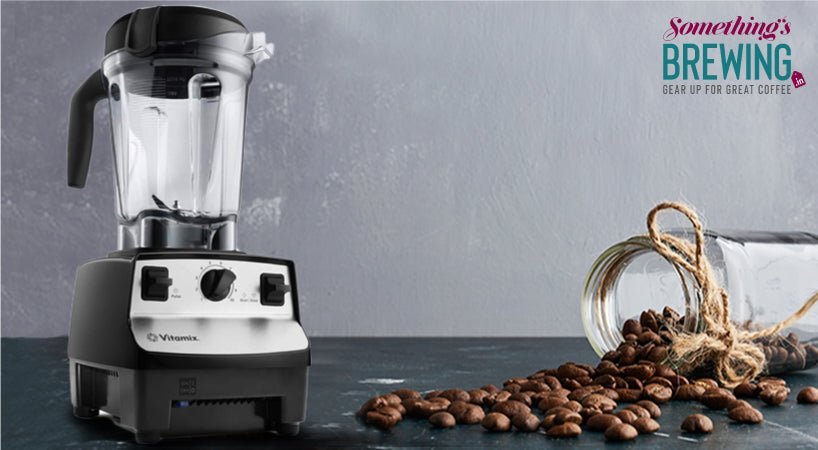
If you love fresh coffee but don’t have a grinder, don’t worry—you can use your blender to grind coffee beans quickly and easily. Grinding your own beans gives you richer flavor and a better cup every time.
In this guide, you’ll discover simple steps to turn your blender into a coffee grinder, plus tips to get the perfect grind size for your brew. Keep reading, and you’ll be brewing barista-quality coffee at home in no time.

Credit: www.doityourself.com
Choosing The Right Blender
Blenders with sharp, durable bladeswork best to grind coffee beans evenly. Flat blades create a coarse grind, while sharper blades can make a finer powder. Choose blade types based on the grind size you want for your coffee.
| Feature | Recommended | Reason |
|---|---|---|
| Capacity | Small to medium (1-2 cups) | Prevents beans from spreading too thin |
| Motor Power | At least 300 watts | Ensures consistent grinding without overheating |
Preparing Coffee Beans For Grinding
Choose fresh coffee beansfor the best taste. Fresh beans have a rich aroma and a shiny surface. Avoid beans that look dull or feel oily. Store beans in an airtight container away from light and heat.
Measure the right amount before grinding. Use about 1 to 2 tablespoonsof beans per cup of coffee. Too many beans can overload the blender. Too few beans may not grind well.
- Use a kitchen scale for accuracy.
- Measure beans before grinding for consistency.
- Adjust the amount based on how strong you like your coffee.
Step-by-step Grinding Process
Set the blender to a medium or low speed. This helps grind beans evenly without overheating. Use the pulse function for better control. It prevents grinding beans too fine or too coarse.
Pulse the blender in short bursts of 1-2 seconds. This avoids over-processing and keeps the grind consistent. Between pulses, shake the blender gently to move beans around.
Check the grind by opening the blender lid after a few pulses. Look for uniform size and texture. Repeat pulsing if the grind is too coarse. Stop if the grind is too fine to avoid bitterness.
| Blender Setting | Purpose |
|---|---|
| Medium/Low Speed | Prevents overheating and uneven grinding |
| Pulse Function | Better control over grind size |
| Continuous Blending | May cause uneven grind and heat buildup |

Credit: www.homegrounds.co
Achieving Desired Grind Size
Achieving the right grind size depends on the brewing method you use. For a coarse grind, blend the beans in short bursts. This creates larger pieces, perfect for a French Press. Avoid over-blending to keep the particles big.
A medium grindworks well for drip coffee machines. Blend the beans a little longer than for coarse grind. The texture should feel like sand but not too fine.
For a fine grind, blend the beans until they look like powder. This grind is best for espresso machines. Use quick pulses and check the texture often to avoid overdoing it.
Cleaning And Maintenance Tips
Removing coffee residueis key for a clean blender. Rinse the blender jar immediately after use. Use warm water and mild soap to wash all parts. Blend some water and soap solution to clean hard-to-reach areas. Rinse thoroughly to avoid soap taste in coffee.
Preventing odor build-upkeeps your blender fresh. Dry the blender completely after washing. Store it with the lid off or slightly open. Occasionally grind some baking soda or lemon slices to remove smells. Repeat this process every few weeks for best results.

Credit: www.youtube.com
Common Mistakes To Avoid
Overheating the beanscan spoil the coffee flavor. Blenders spin fast and can heat the beans quickly. Heat causes the beans to release oils too soon. This makes the coffee taste bitter and burnt. To avoid this, pulse the blender in short bursts. Let the beans cool down between pulses.
Grinding too much at oncecauses uneven grind size. This affects the coffee taste and brewing. Blenders work better with small amounts of beans. Grinding in small batches gives a more consistent grind. It also helps prevent overheating.
Frequently Asked Questions
Can I Grind Coffee Beans In A Regular Blender?
Yes, you can grind coffee beans in a regular blender. Use short pulses to avoid overheating. Grind in small batches for consistency.
How Fine Can A Blender Grind Coffee Beans?
A blender can grind coffee beans to a coarse or medium texture. It may not achieve espresso-fine grounds. Adjust blending time for desired coarseness.
Will Grinding Coffee Beans In A Blender Affect Flavor?
Grinding in a blender might slightly affect flavor due to uneven grind size. However, it works well for drip or French press coffee.
How Long Should I Blend Coffee Beans In A Blender?
Blend coffee beans in 5 to 10-second pulses. Check texture between pulses to avoid over-grinding or overheating the beans.
Conclusion
Grinding coffee beans with a blender is easy and quick. You only need a few simple steps. This method saves time and works well for many coffee types. Always pulse the blender to avoid overheating the beans. You can adjust the grind size by changing the blending time.
Freshly ground coffee tastes better and smells great. Try this at home for a fresh coffee experience. Enjoy your perfect cup every morning without extra tools. Simple, fast, and satisfying.