
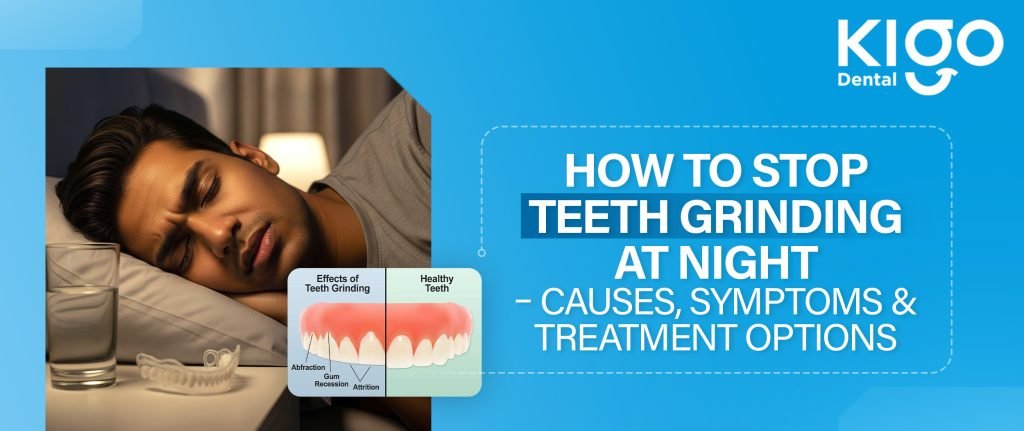
Do you wake up with a sore jaw or headaches and wonder why? Grinding your teeth in your sleep might be the cause.
This common problem can damage your teeth and disrupt your rest without you even realizing it. But don’t worry—there are simple and effective ways you can stop this from happening. Keep reading to discover easy steps you can take tonight to protect your smile and wake up feeling refreshed.
Your comfort and health start here.

Credit: sentinelmouthguards.com
Causes Of Teeth Grinding
Stress and anxietyoften cause teeth grinding during sleep. When the mind is tense, muscles tighten, including jaw muscles. This can lead to clenching or grinding.
Sleep disorderslike sleep apnea or snoring disrupt rest. These conditions increase the chance of grinding teeth at night. Poor sleep quality affects muscle control.
Dental issuessuch as misaligned teeth or missing teeth can cause discomfort. The mouth tries to adjust, leading to grinding as a response to pain or imbalance.
Lifestyle factorslike caffeine, alcohol, or smoking raise the risk. These habits can increase muscle activity and stress levels, making grinding worse.
Credit: medium.com
Signs Of Nighttime Grinding
Jaw pain and sorenessare common signs of nighttime grinding. The jaw may feel tired or hurt after waking up. This happens because the muscles work too hard during sleep. Sometimes, pain can spread to the face or neck.
Worn teethshow that grinding happens often. Teeth can look flat, chipped, or cracked. This damage grows over time and may cause problems with chewing or biting.
Headachesin the morning can be linked to teeth grinding. These headaches often start near the temples. They come from tense muscles around the jaw and head.
Sleep disruptionhappens because grinding can cause noise and discomfort. This may wake a person or make it hard to sleep deeply. Poor sleep can lead to tiredness during the day.
Lifestyle Changes To Reduce Grinding
Stress can make teeth grinding worse. Try deep breathing or meditation to calm your mind. Taking time to relax before bed helps your body rest well.
Caffeine and alcohol can make grinding worse. Drink less coffee, tea, and soda. Avoid alcohol close to bedtime for better sleep and less teeth clenching.
Going to bed and waking up at the same time helps your body settle. A regular sleep schedule makes your sleep deeper and less restless.
Dental Treatments And Devices
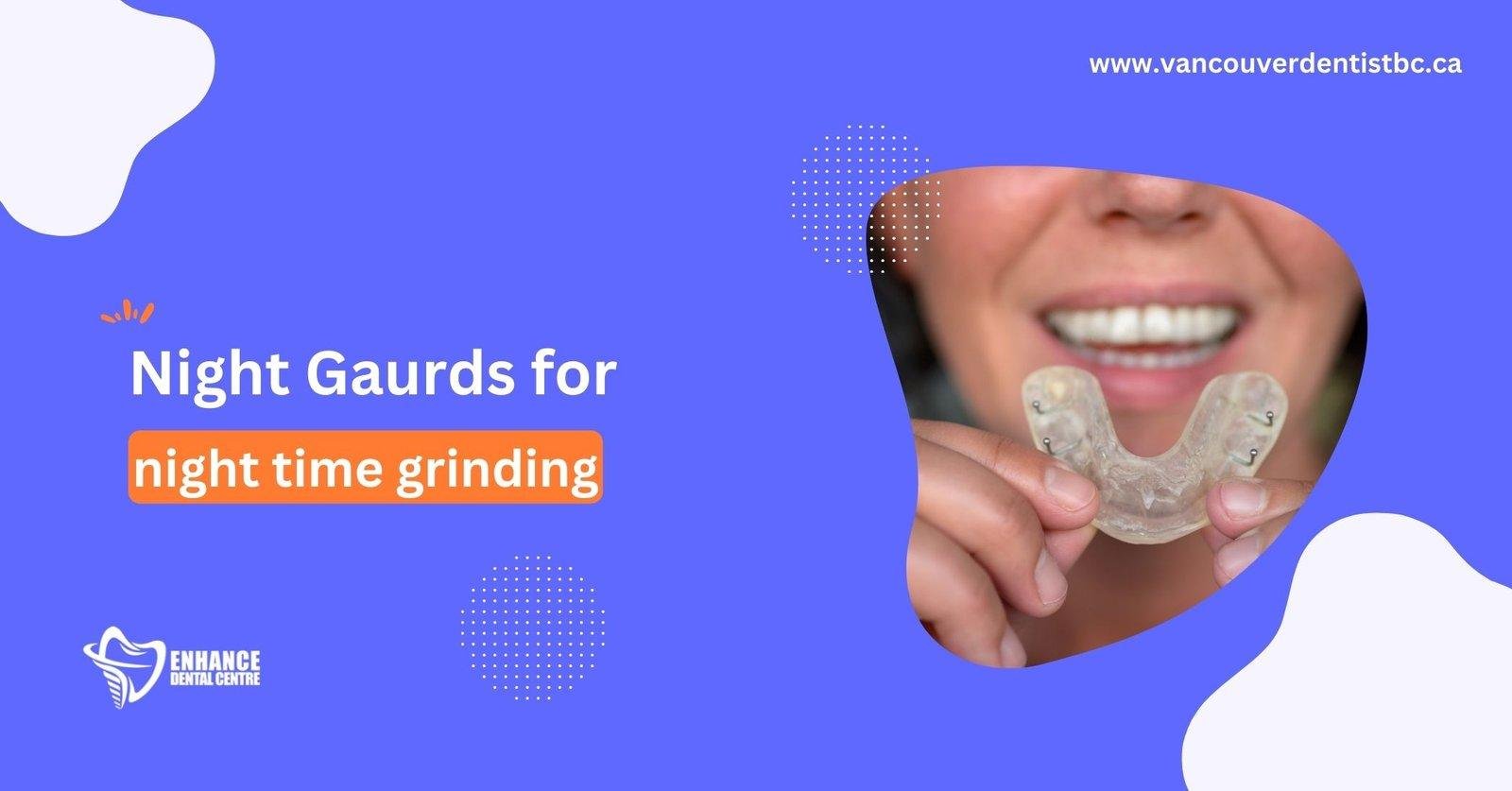
Mouthguardsand splintshelp protect teeth from grinding during sleep. They create a barrier between upper and lower teeth. This reduces wear and pain. Custom-made guards fit better and feel comfortable. Over-the-counter options are also available but may not fit as well. Wearing these devices every night can ease jaw tension and protect dental health.
Corrective dental proceduresfix bite problems that cause grinding. These may include:
- Adjusting tooth shape
- Realigning teeth
- Replacing missing teeth
- Using crowns or braces
Such treatments improve how teeth fit together. This lowers the chance of grinding. A dentist can suggest the best option based on individual needs and severity.
Professional Help And Therapy
Behavioral therapyhelps change habits that cause teeth grinding. It teaches ways to relax the jaw and reduce stress. Regular sessions guide better sleep routines. This therapy aims to stop grinding by changing the brain’s response.
Physical therapyfocuses on jaw muscles and movement. Exercises improve muscle strength and flexibility. Massage and heat may ease tension. This therapy helps reduce pain and prevents damage from grinding.
Medicationsmight be prescribed to ease symptoms. Muscle relaxants can calm jaw muscles during sleep. Stress-reducing drugs may help if anxiety causes grinding. Medicine is usually a short-term aid combined with other treatments.
Home Remedies And Relaxation Tips
Stress relief before bed helps reduce teeth grinding during sleep. Gentle jaw massages and warm compresses ease muscle tension. Creating a calm bedtime routine supports relaxation and peaceful rest.
Warm Compresses
Applying a warm compressto your jaw muscles helps them relax. The heat soothes tension and reduces pain. Use a warm towel or heating pad for 10-15 minutes before bed. This can ease muscle tightness that causes teeth grinding.
Jaw Exercises
- Gently open and close your mouth several times.
- Move your jaw side to side slowly.
- Massage your cheeks and jaw muscles with your fingers.
- These exercises help reduce tension and strengthen muscles.
Meditation And Breathing
Deep breathing calms the mind and body. Try slow breaths: inhale for 4 seconds, hold for 4, exhale for 6. Meditation helps release stress, a major cause of grinding. Spend 5-10 minutes before sleep focusing on your breath. This practice promotes relaxation and better sleep quality.
When To See A Dentist Or Doctor
Persistent symptoms like jaw pain or headaches need medical attention. Teeth grinding that lasts for weeks can cause serious issues. Severe tooth damage includes worn enamel and cracked teeth. These problems may require dental repair or treatment to avoid further harm.
Sleep apnea is a serious condition linked to teeth grinding. It causes breathing pauses during sleep. A doctor should evaluate any signs of sleep apnea. This helps prevent health risks and improves sleep quality.
| Signs to See a Dentist or Doctor |
|---|
| Long-lasting jaw pain or headaches |
| Visible tooth wear or cracks |
| Breathing problems during sleep |
Credit: vancouverdentistbc.ca
Frequently Asked Questions
What Causes Grinding Teeth During Sleep?
Teeth grinding, or bruxism, is caused by stress, anxiety, sleep disorders, or misaligned teeth. It often occurs unconsciously during sleep and can lead to dental damage and headaches.
How Can I Stop Grinding My Teeth At Night?
To stop teeth grinding, reduce stress, avoid caffeine, use a mouthguard, and maintain good sleep hygiene. Consult a dentist for personalized treatment options.
Are There Natural Remedies For Nighttime Teeth Grinding?
Yes, natural remedies include practicing relaxation techniques, using warm compresses, avoiding stimulants before bed, and doing jaw exercises to ease muscle tension and reduce grinding.
Can A Mouthguard Prevent Teeth Grinding Effectively?
Yes, a custom-fitted mouthguard protects teeth by cushioning the jaw and preventing damage caused by grinding. It is a common and effective treatment recommended by dentists.
Conclusion
Avoiding teeth grinding while you sleep helps protect your smile and health. Try relaxing before bed to reduce stress. Use a mouthguard if your dentist suggests it. Keep a regular sleep schedule for better rest. Watch your caffeine and alcohol intake in the evening.
Small changes can make a big difference. Stay consistent with these tips to see improvement. Your teeth and jaw will thank you. Take care every night for a healthier, pain-free morning.