
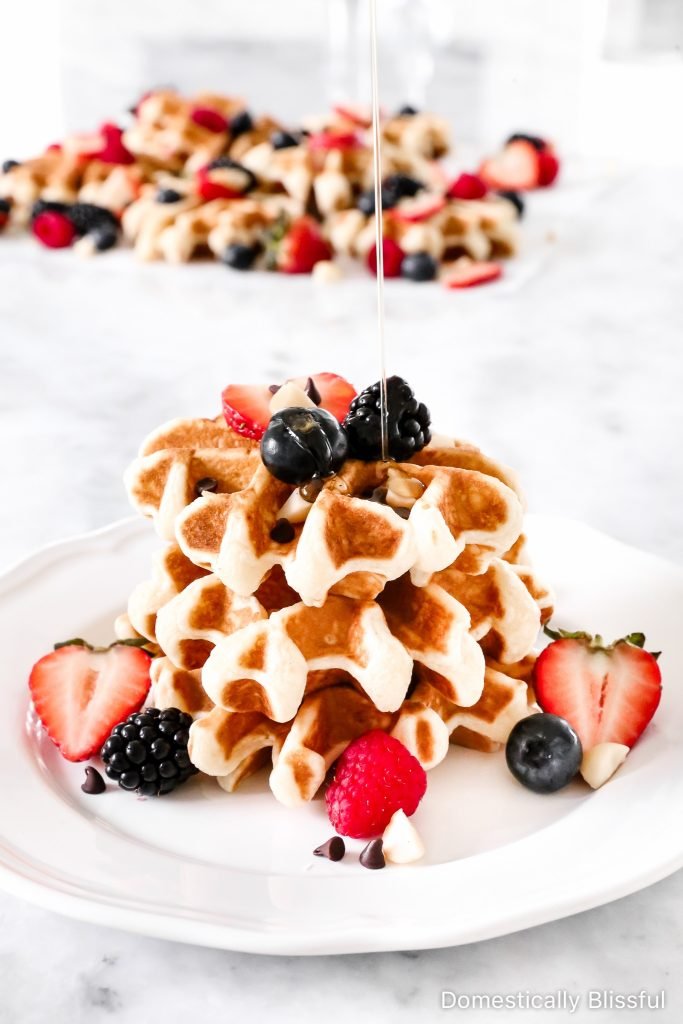
Are you tired of waffles that turn out dry and crumbly? Imagine biting into a warm waffle that’s soft, chewy, and perfectly satisfying every single time.
You don’t need fancy ingredients or complicated steps to get there. In this post, you’ll discover simple tricks and easy tips to make chewy waffles that will have you craving more. Ready to transform your breakfast routine and impress yourself with every bite?
Keep reading—your perfect waffle is just a few steps away.
Ingredients For Chewy Waffles
Chewy waffles need the right mix of ingredients. Each part plays a role in texture and taste.
Knowing what to use helps you make waffles that are soft and chewy inside.
Essential Dry Ingredients
Dry ingredients form the base of your waffle batter. They provide structure and flavor.
- All-purpose flour: Gives body and chewiness
- Baking powder: Helps waffles rise and stay light
- Sugar: Adds sweetness and helps with browning
- Salt: Enhances overall flavor
Wet Ingredients For Texture
Wet ingredients add moisture and affect the chewiness of waffles.
| Ingredient | Role in Texture |
| Milk or buttermilk | Makes batter smooth and tender |
| Eggs | Bind ingredients and add richness |
| Melted butter or oil | Keeps waffles moist and chewy |
Optional Add-ins
Add-ins give your waffles extra taste and texture. They are not required but add fun flavors.
- Vanilla extract for aroma
- Cinnamon or nutmeg for warm spices
- Chopped nuts for crunch
- Chocolate chips for sweetness

Credit: butfirstwebrunch.com
Choosing The Right Flour
The flour you pick is very important for chewy waffles. Different flours change the texture of your waffles. Knowing which flour to use helps you get the chewiness you want.
This guide explains the difference between all-purpose and bread flour. It also shows how gluten affects chewiness in waffles.
All-purpose Vs. Bread Flour
All-purpose flour is good for many recipes. It has moderate protein, which means less gluten. Bread flour has more protein and makes more gluten. This helps create a chewy texture.
Using bread flour makes waffles chewier. All-purpose flour makes waffles lighter and softer. Choose bread flour if you like thick and chewy waffles.
- All-purpose flour: Moderate protein, softer texture
- Bread flour: High protein, chewier texture
Gluten’s Role In Chewiness
Gluten is a protein that forms when flour mixes with liquid. It gives dough strength and stretch. More gluten means chewier waffles.
When you use bread flour, gluten develops more. This makes the waffle batter stretchy. Stretchy batter holds air better and bakes chewy waffles.
- Gluten forms from proteins in flour and water
- Strong gluten makes waffles chewy and elastic
- Less gluten results in softer, less chewy waffles
Mixing Techniques
Mixing waffle batter the right way affects how chewy your waffles turn out. The texture depends on how you blend the ingredients.
Two key points to focus on are the batter’s consistency and how much you mix it. These help create a soft and chewy waffle.
Proper Batter Consistency
Your waffle batter should be smooth but thick. It needs to pour easily without running too fast.
- Use the right amount of liquid to keep the batter from being too thin.
- Mix dry and wet ingredients well before combining.
- The batter should fall slowly from a spoon in thick ribbons.
- If too thick, add a small amount of milk or water.
- If too thin, add a little flour to thicken it.
Avoiding Overmixing
Stir the batter just until the ingredients are combined. Overmixing creates tough waffles.
| Mixing Stage | Effect on Batter | Result in Waffles |
|---|---|---|
| Light Mixing | Small lumps remain | Chewy and tender texture |
| Overmixing | Gluten develops too much | Waffles turn dense and tough |
Stop mixing as soon as you see no large flour pockets. The batter should be lumpy but not dry.

Credit: www.shopflavcity.com
Leavening Agents And Their Impact
Leavening agents help waffles rise and become light. They add air or gas to the batter. This makes waffles soft and chewy.
Different leavening agents change the texture and taste of waffles. Knowing how they work helps you make chewy waffles.
Baking Powder Vs. Yeast
Baking powder is a fast-acting leavening agent. It creates bubbles quickly when mixed with wet ingredients. Waffles rise fast and have a light texture.
Yeast works slower. It ferments the batter and makes gas over time. Yeast waffles have a richer taste and chewier texture.
- Baking powder: quick rise, light and fluffy waffles
- Yeast: slow rise, chewy and flavorful waffles
- Baking powder waffles cook faster than yeast waffles
- Yeast adds a slight tangy flavor to waffles
Balancing Rise And Texture
Good chewy waffles need the right balance of rise and texture. Too much rise makes waffles airy but not chewy. Too little rise makes them dense.
Mixing baking powder and yeast can help. Baking powder gives a quick rise. Yeast adds chewiness and flavor. Adjust the amounts to find your best waffle texture.
- Use enough leavening to create bubbles in the batter
- Let yeast batter rest for better chewiness
- Do not overmix to keep air bubbles intact
- Cook waffles until golden to keep the chewy texture
Resting The Batter
Resting the waffle batter is a simple step that changes the texture. It helps make waffles soft and chewy.
This short wait allows the ingredients to blend better. It also affects how the batter cooks.
Benefits Of Batter Rest
Resting the batter creates several advantages for your waffles. It improves texture and flavor.
- The flour fully absorbs the liquid for a smooth batter.
- Gluten relaxes, making waffles less tough.
- Air bubbles settle, so waffles cook evenly.
- Flavors develop deeper and taste richer.
- Reduces lumps, making the batter easier to pour.
Ideal Resting Time
Knowing how long to rest the batter is key. Too short or too long can affect your waffles.
| Rest Time | Effect on Batter |
| 5 to 10 minutes | Batter smooths out, good texture starts to form |
| 30 minutes | Gluten relaxes fully, waffles become more tender |
| Up to 1 hour | Flavors deepen, best chewiness and taste |
| More than 1 hour | Batter may separate, need gentle stirring before use |
Waffle Iron Tips
Using your waffle iron correctly helps you make chewy waffles every time. Small steps can improve cooking results and make cleanup easier.
Focus on how you preheat and care for your waffle iron. These tips keep your waffles soft and your appliance working well.
Preheating For Even Cooking
Always preheat the waffle iron before adding batter. This ensures the heat spreads evenly and cooks waffles properly.
- Plug in the waffle iron and close it.
- Wait for the indicator light or timer to signal readiness.
- Open the iron carefully and pour the batter evenly.
- Close the lid gently without pressing down too hard.
Greasing And Maintenance
Greasing the waffle iron prevents sticking and keeps waffles chewy. Regular cleaning helps the iron last longer.
| Tip | How to Do It |
|---|---|
| Greasing | Brush a light coat of oil or melted butter on the plates before batter. |
| Cleaning | Unplug and cool the iron, then wipe plates with a damp cloth. |
| Storage | Keep the iron dry and store in a cool place to avoid rust. |
Cooking Techniques
Making chewy waffles requires specific cooking methods. These methods help create the perfect texture you want.
Understanding temperature and timing is key to achieving chewy waffles every time.
Optimal Temperature Settings
Set your waffle iron to medium heat. Too hot will burn the outside and leave the inside dry.
Medium heat cooks waffles evenly and keeps them soft and chewy inside.
- Preheat waffle iron for about 5 minutes
- Use a medium setting on your waffle maker
- Avoid very high heat to prevent burning
- Check waffles early to adjust temperature if needed
Timing For Chewy Texture
Cook waffles for about 3 to 4 minutes. Cooking too long makes them crisp, not chewy.
Open the waffle maker when steam stops. This indicates the waffle is cooked through but still soft.
- Cook waffles 3 to 4 minutes per batch
- Wait for steam to stop before opening
- Remove waffles gently to keep texture
- Serve immediately for best chewiness
Flavor Enhancements
Chewy waffles taste better with extra flavors. You can add spices, extracts, sweeteners, and toppings.
These ingredients make waffles more delicious and fun to eat. Try different options to find your favorite.
Spices And Extracts
Spices add warmth and depth to waffle batter. Extracts bring strong, sweet aroma and flavor.
Common spices include cinnamon, nutmeg, and cardamom. Vanilla and almond extracts are popular choices.
- Cinnamon gives a sweet, spicy taste
- Nutmeg adds a nutty warmth
- Cardamom offers a citrusy, floral note
- Vanilla extract enhances sweetness and aroma
- Almond extract adds a rich, nutty flavor
Sweeteners And Toppings
Sweeteners make waffles taste richer and softer. Toppings add texture and extra flavor on top.
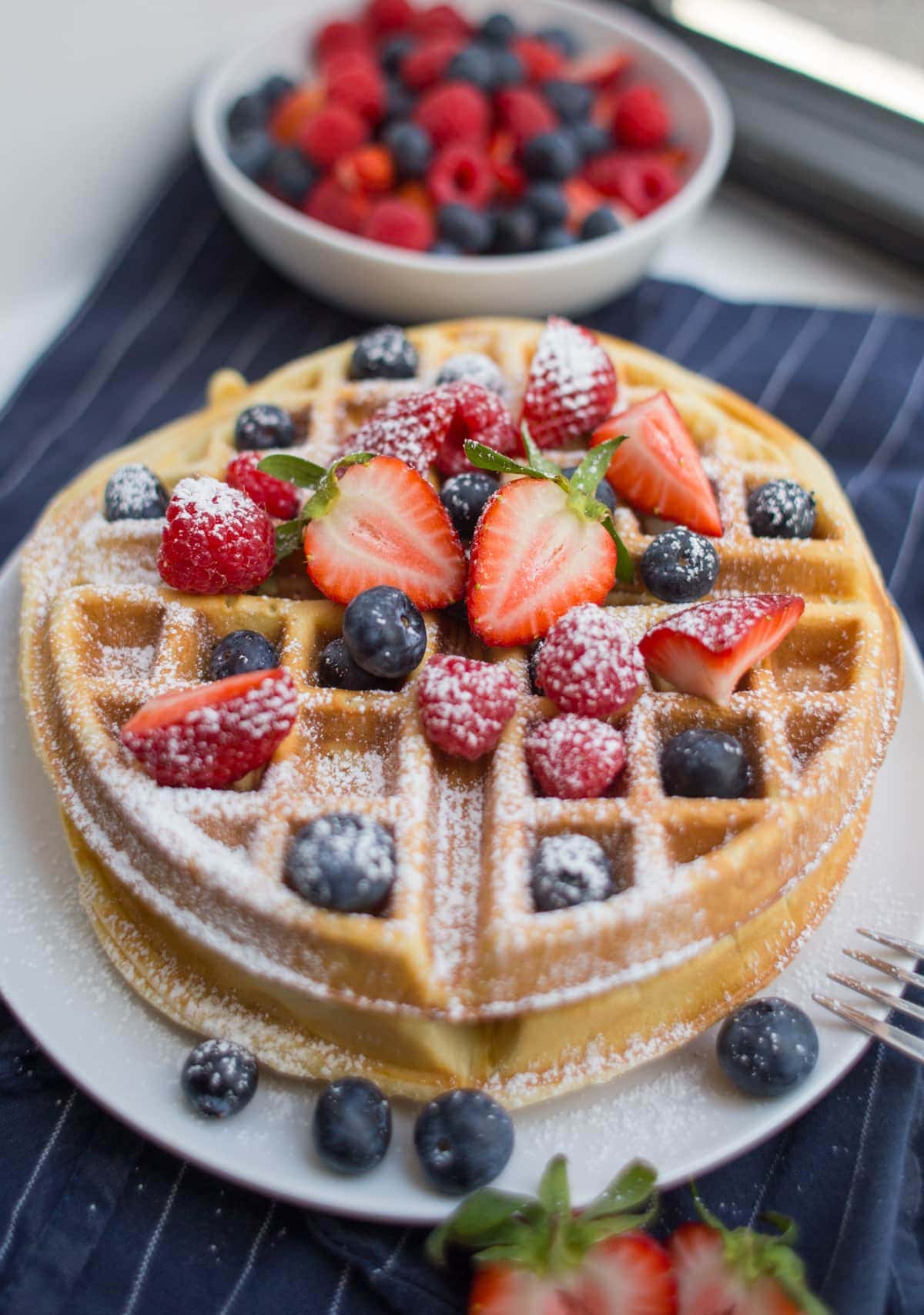
Try honey, maple syrup, or brown sugar in the batter. Use fresh fruit, nuts, or whipped cream on waffles.
- Honey adds natural sweetness and moisture
- Maple syrup gives a deep, rich flavor
- Brown sugar creates a caramel-like taste
- Fresh berries add juiciness and brightness
- Chopped nuts give crunch and nuttiness
- Whipped cream adds light, creamy texture
Troubleshooting Common Issues
Making chewy waffles can be tricky. Sometimes, the texture is not what you want. This guide helps fix common problems.
Check these tips to improve your waffle batter and cooking results. Small changes can make a big difference.
Waffles Too Crispy Or Dry
Waffles that turn out too crispy or dry lack chewiness. This often happens if the batter has too little fat or you cook them too long.
- Use enough butter or oil in the batter to add moisture.
- Cook waffles for less time to keep softness inside.
- Check your waffle iron temperature; lower heat helps prevent dryness.
- Add ingredients like yogurt or sour cream for extra chewiness.
Batter Too Runny Or Thick
The batter’s thickness affects waffle texture. Runny batter spreads too much, making thin waffles. Thick batter makes dense waffles.
| Problem | Cause | Fix |
| Runny batter | Too much liquid or not enough flour | Add more flour or reduce milk slightly |
| Thick batter | Too much flour or too little liquid | Add milk or water gradually until smooth |
| Uneven batter | Improper mixing | Mix batter gently but fully to combine ingredients |
Creative Variations
Chewy waffles can be delicious in many ways. You can change the flavors and ingredients to make new versions. Try sweet or savory twists to enjoy them differently.
Below are some ideas to help you create tasty chewy waffles that suit your taste and dietary needs.
Savory Chewy Waffles
Savory waffles are great for meals any time of day. Add herbs, cheese, or spices to the batter for extra flavor. You can also mix in vegetables or cooked meats.
- Add shredded cheddar or mozzarella cheese to the batter.
- Mix chopped spinach or kale for a green boost.
- Include cooked bacon or sausage pieces for a smoky taste.
- Sprinkle garlic powder and chopped chives for more flavor.
- Serve with sour cream or a spicy sauce on top.
Gluten-free Options
Gluten-free waffles can be just as chewy and tasty. Use gluten-free flours and binders to keep the texture right. Below is a simple comparison table of common gluten-free flours.
| Flour Type | Texture | Best Use |
| Almond Flour | Moist and dense | Rich, nutty waffles |
| Rice Flour | Light and slightly gritty | Crispier waffles |
| Coconut Flour | Absorbs liquid well | Needs extra eggs or liquid |
| Oat Flour | Soft and chewy | Good all-around choice |
Credit: laurenslatest.com
Frequently Asked Questions
How Do I Make Waffles Chewy Instead Of Crispy?
To make waffles chewy, use more liquid ingredients like milk or buttermilk. Avoid overcooking and add melted butter for softness. Mixing in cornstarch can also improve chewiness.
What Ingredients Create Chewy Texture In Waffles?
Ingredients like buttermilk, eggs, melted butter, and cornstarch contribute to chewy waffles. These help retain moisture and create a soft, elastic texture.
Can I Use Regular Flour For Chewy Waffles?
Yes, regular all-purpose flour works well. For extra chewiness, mix in a small amount of cornstarch or substitute part of the flour with bread flour.
Should I Adjust Cooking Time For Chewy Waffles?
Yes, cook waffles until just done but not overly browned. Overcooking makes them crispy. Slightly shorter cooking times help keep waffles chewy.
Conclusion
Making chewy waffles is simple and fun. Use the right ingredients and follow the steps carefully. Watch the batter and cook the waffles just right. Enjoy waffles warm with your favorite toppings. Try different flavors to find what you like best.
Practice a few times to get perfect results. Now, you can make tasty, chewy waffles at home anytime. Happy cooking!