
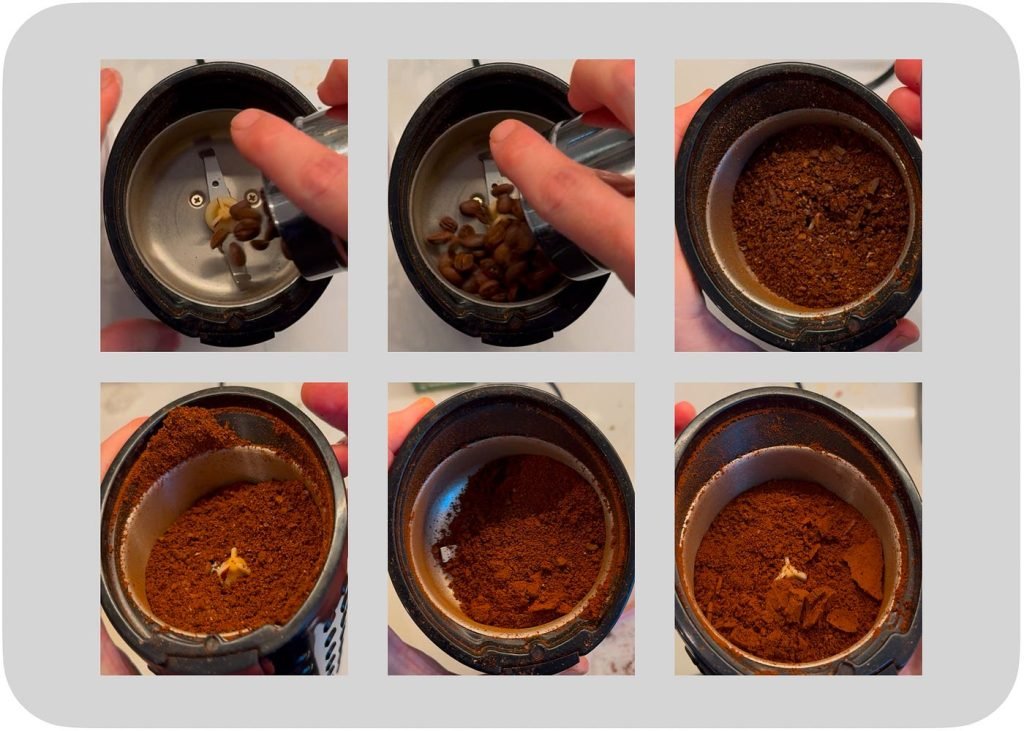
If you want the perfect espresso, grinding your beans just right is the secret you can’t ignore. The way you grind your coffee beans changes everything – from the flavor to the crema on top of your shot.
But how do you know what grind size works best? And how can you get consistent results every time? In this guide, you’ll discover simple, practical steps to grind your beans like a pro. Whether you’re a beginner or looking to improve your technique, this will help you unlock the full potential of your espresso.
Keep reading, and soon you’ll enjoy richer, smoother coffee with every cup.
Choosing The Right Beans
Espresso beansshould be chosen carefully. Dark roast beans are best for espresso. They have a strong flavor and less acidity. Arabica beans taste smooth and sweet. Robusta beans add a bitter and bold taste. A mix of both can balance flavors well.
Freshnessis key to good espresso. Beans should be used within two weeks of roasting. Store beans in an airtight container. Keep them in a cool, dark place. Avoid the fridge or freezer to stop moisture damage.

Credit: pesado585.com
Selecting The Grinder
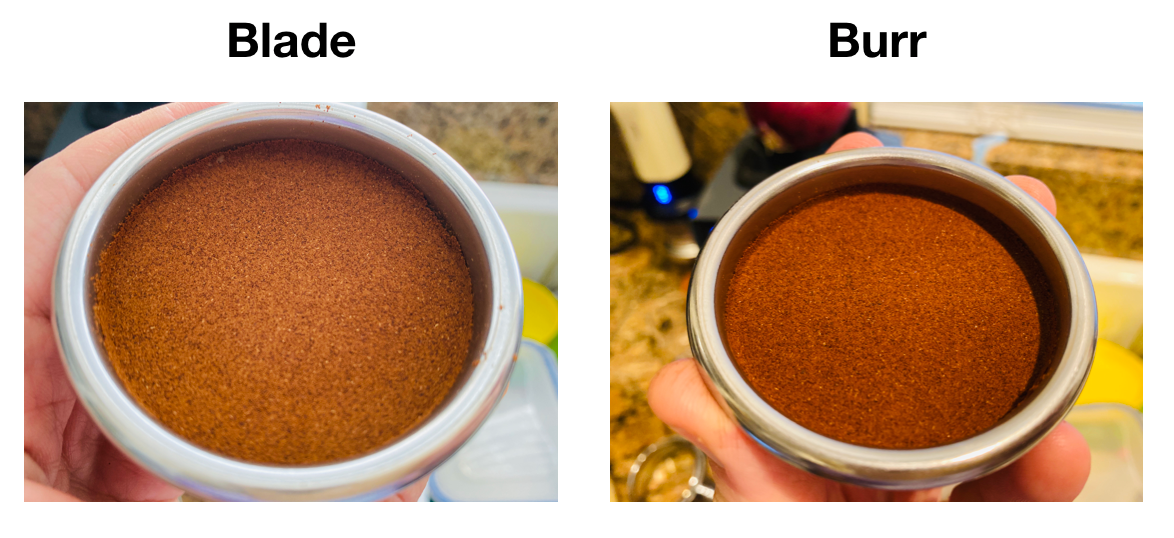
Burr grindersare better for espresso because they provide a consistent grind size. This consistency helps extract flavor evenly. Blade grinderschop beans unevenly, which can cause bitter or weak coffee.
Manual grinders use a hand crank and need more effort. They are often cheaper and good for travel. Electric grinders are faster and easier for daily use. They let you adjust grind size quickly.
| Type | Pros | Cons |
|---|---|---|
| Burr Grinder | Consistent grind, better flavor | Usually more expensive |
| Blade Grinder | Cheap, simple | Uneven grind, less flavor |
| Manual Grinder | Portable, affordable | Needs effort, slower |
| Electric Grinder | Fast, easy to use | Usually bigger and pricier |
Grind Size For Espresso
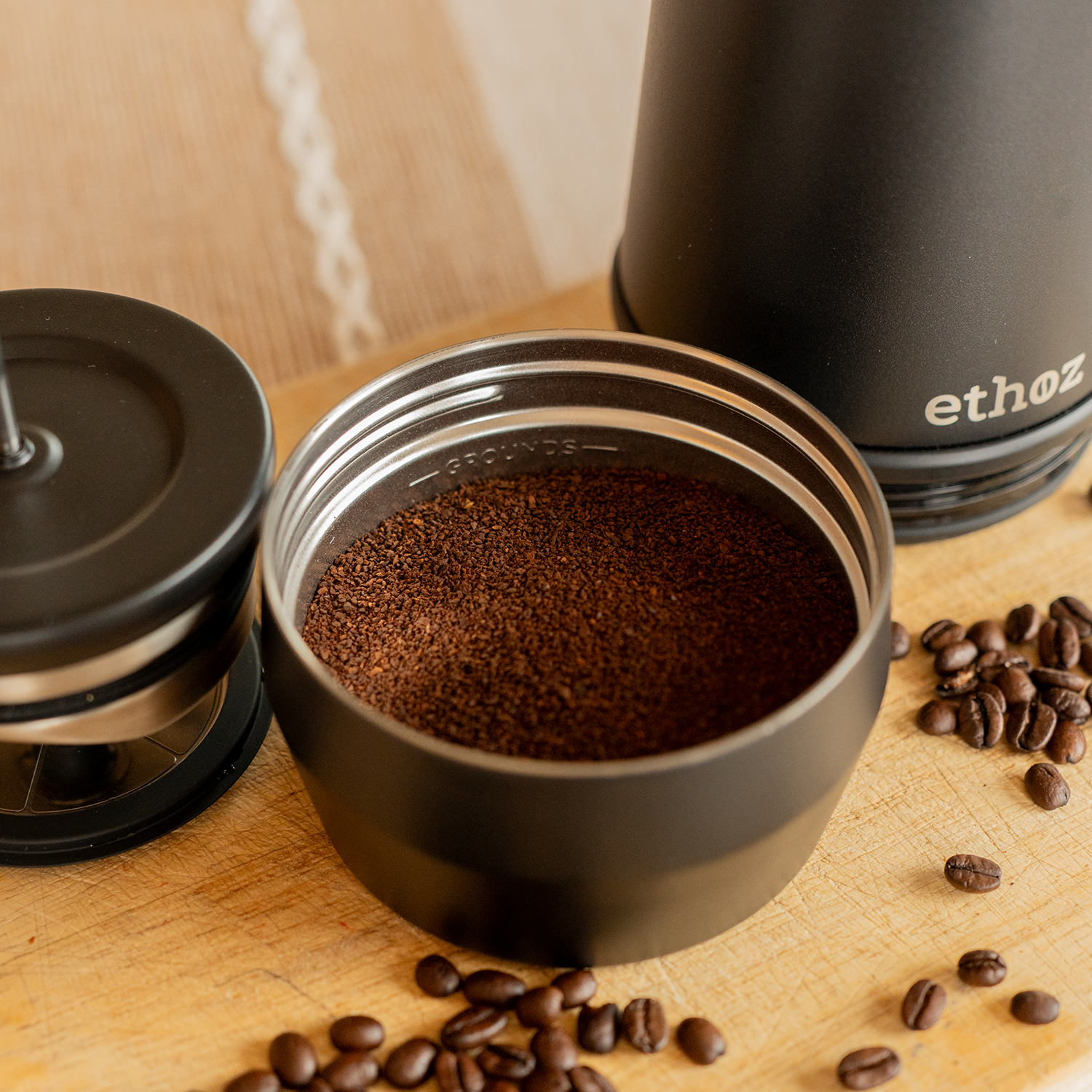
Fine grindis essential for making espresso. It looks like powderand feels smooth between fingers. This grind size allows waterto pass through coffee quickly but still extracts rich flavor. Too fine can cause clogging, too coarse makes espresso weakand watery.
Adjusting grind size changes taste. Finer grindmakes espresso strongerand bitter. Coarser grindgives a lighter, smoothertaste but may lack body. Small changes can make big differences.
- Try finer grind for more cremaand intense flavor.
- Use coarser grind for less bitternessand milder taste.
- Adjust grind based on espresso machineand bean type.
Grinding Techniques
Grinding espresso beans requires consistencyfor the best taste. Use a burr grinder for uniform particle size. Avoid blade grinders because they produce uneven grounds. Check the grind size often to keep it steady.
Fine grind is essential but do not grind too fine. Too fine can cause over-extraction, making the coffee bitter. Too coarse leads to weak coffee. Adjust the grinder in small steps to find the right size.
- Grind beans in small amounts to keep freshness.
- Clean the grinder regularly to avoid old coffee residue.
- Grind just before brewing to preserve flavor.
Avoid overheatingthe beans during grinding. Overheating changes the flavor and aroma. Use short pulses instead of long grinding sessions. Let the grinder cool down if it feels hot. Keep the beans cool and dry before grinding.
Measuring The Grounds
Dose accuracyis key to a good espresso shot. Too much or too little coffee changes the taste. Using a scalehelps measure grounds exactly. It shows the weight in grams for precise dosing.
Scoops are quick but less exact. They can vary in size and cause inconsistent shots. Scales ensure every shot uses the same amount of coffee. This leads to better flavor and balance.
| Using a Scale | Using Scoops |
|---|---|
| Measures weight accurately | Measures volume, less exact |
| Consistent dosing every time | May vary by scoop size |
| Better espresso taste | Easy and quick |
Credit: medium.com
Tamping And Distribution
Even distributionof coffee grounds in the portafilter helps water flow evenly. This avoids channeling, which causes weak or bitter espresso. Use your finger or a distribution tool to spread grounds gently before tamping.
- Tap the sides of the portafilter to level the grounds.
- Use a flat distribution tool to smooth the surface.
- Check for any gaps or uneven spots.
Proper tamping pressureis key to good espresso. Press firmly but not too hard. Around 30 pounds of pressureis ideal. Too light tamping lets water flow too fast. Too hard tamping can block water flow.
Hold the tamper steady and press straight down. Twist slightly to polish the surface. This creates a smooth, even puck for water to pass through evenly.
Extracting The Perfect Shot
Timing and pressureare key to extract the perfect espresso shot. The shot usually takes 25 to 30 seconds. Too short means under-extraction, and too long means over-extraction. Pressure should be steady at about 9 bars. This pushes water through the coffee grounds evenly.
Good crema is a sign of quality espresso. It is a golden-brown foamon top of the shot. The crema should be thick and smooth, not bubbly or thin. It lasts for at least 30 seconds after pouring.
| Indicator | What to Look For |
|---|---|
| Color | Golden brown, not pale or dark |
| Texture | Thick and creamy, not bubbly |
| Duration | Lasts at least 30 seconds |
Troubleshooting Common Issues
Bitter tasteoften means the grind is too fine or coffee is over-extracted. Try a coarser grind to reduce bitterness. Sour tasteusually means the grind is too coarse or coffee is under-extracted. Make the grind finer and brew slightly longer.
Water temperature also affects taste. Use water between 90-96°C (194-205°F). Too hot or too cold water changes flavor.
| Issue | Cause | Fix |
|---|---|---|
| Bitter Taste | Grind too fine or over-extraction | Use coarser grind, shorten extraction time |
| Sour Taste | Grind too coarse or under-extraction | Use finer grind, increase extraction time |
Cremais the creamy layer on espresso. Thin or no crema means grind is too coarse or coffee is old. Fresh coffee and fine grind help. Also, check your machine pressure; low pressure causes poor crema.
Credit: planetarydesign.com
Frequently Asked Questions
What Grind Size Is Best For Espresso Beans?
The ideal grind size for espresso is fine, similar to table salt. It allows proper extraction and rich flavor.
How Does Grind Size Affect Espresso Taste?
Grind size controls extraction speed. Too coarse leads to weak taste, too fine causes bitterness.
Can I Use Pre-ground Coffee For Espresso?
Pre-ground coffee may not be fresh or finely ground enough. Grinding fresh beans ensures better flavor and crema.
How Often Should I Grind Beans For Espresso?
Grind beans just before brewing for maximum freshness. Grind only the amount needed for each shot.
Conclusion
Grinding beans properly makes a big difference in espresso taste. Use a fine, consistent grind for the best flavor. Adjust the grind size to match your machine and coffee type. Fresh beans and correct grind size bring out rich, bold espresso.
Practice helps you find the perfect grind every time. Enjoy the process and your delicious espresso will follow. Keep your grinder clean and grind just before brewing. Simple steps lead to great coffee moments.