
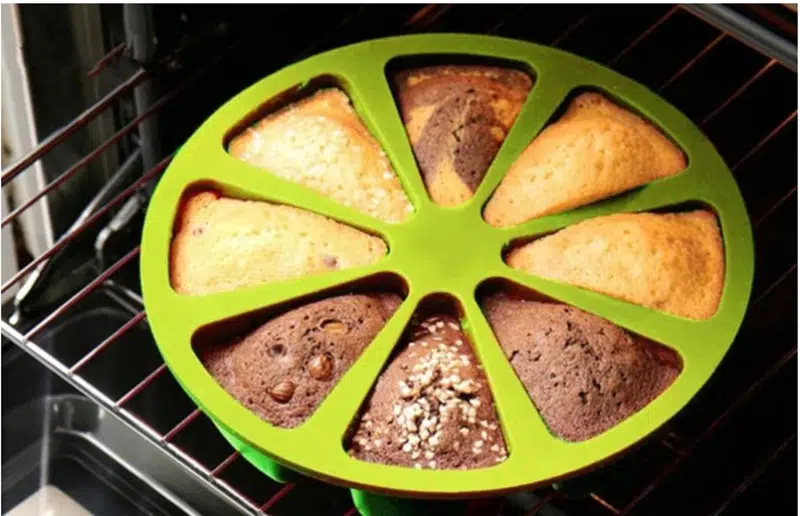
Have you ever wondered if silicone melts in the oven when you’re baking your favorite treats? You probably use silicone bakeware or mats, but are you really sure they can handle the heat?
Knowing the answer can save your kitchen from a sticky mess and keep your food safe. You’ll discover exactly how silicone behaves under oven temperatures, so you can bake with confidence every time. Keep reading to find out what happens when silicone meets the heat and learn how to use it safely.
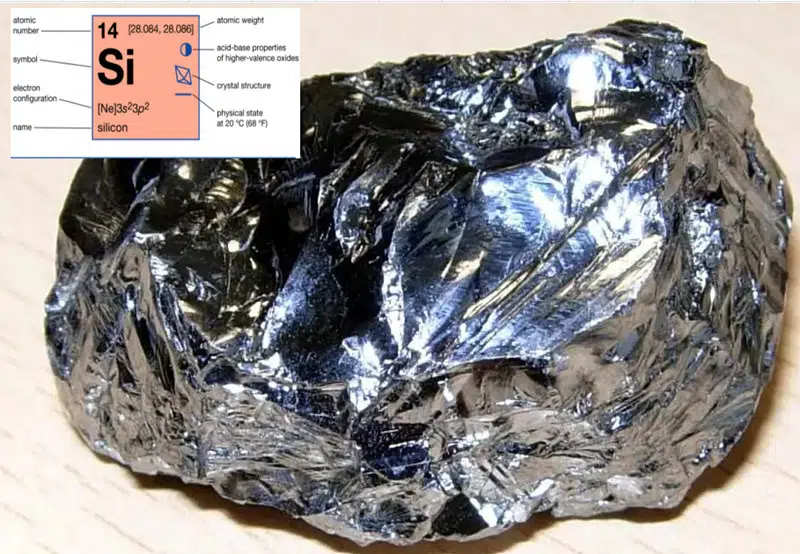
Credit: consumersiliconeproducts.com
Silicone Properties
Silicone is a popular material used in kitchen tools and bakeware. It is known for its flexibility and durability. Many people wonder if silicone melts in the oven.
This article explains the key properties of silicone that affect its performance when heated. Understanding these helps you use silicone safely in cooking.
Heat Resistance
Silicone can handle high temperatures without melting. It usually withstands heat up to 230°C (446°F) safely. This makes it suitable for oven use.
- Silicone softens at around 200°C (392°F)
- It melts only at temperatures above 300°C (572°F)
- Most ovens do not reach temperatures high enough to melt silicone
- Heat resistance varies by silicone quality and thickness
Chemical Stability
Silicone is chemically stable and does not react with food or air. This makes it safe for cooking and baking.
| Property | Details |
|---|---|
| Non-toxic | Does not release harmful chemicals when heated |
| Resistant to acids and bases | Does not degrade when exposed to food acids or alkaline substances |
| Non-stick surface | Easy to clean and prevents food from sticking |
| Durability | Maintains structure after repeated heating and cooling cycles |

Credit: consumersiliconeproducts.com
Silicone In Cooking
Silicone is a popular material used in many kitchen tools. It is flexible, durable, and heat resistant.
People often wonder if silicone melts in the oven. This depends on the temperature limits of the silicone.
Common Uses
Silicone is used for baking mats, spatulas, molds, and oven mitts. It is safe for cooking and easy to clean.
Its flexibility helps in removing baked goods without breaking them. Silicone tools do not rust or stain easily.
- Baking mats and liners
- Cake and muffin molds
- Spatulas and brushes
- Oven mitts and pot holders
Temperature Limits
Silicone can usually handle oven temperatures up to 428°F (220°C). It does not melt at normal baking temperatures.
At very high temperatures above 500°F (260°C), silicone may start to break down or deform. Always check the product label.
- Safe up to 428°F (220°C) for most silicone items
- Do not expose to direct flame or heating elements
- Higher temperatures can cause damage or melting
- Check manufacturer instructions for exact limits
Melting Point Of Silicone
Silicone is a synthetic material known for its heat resistance. It is widely used in kitchenware and baking tools.
The melting point of silicone is much higher than many common materials. This makes it safe for oven use in most cases.
Comparison With Oven Temperatures
Most household ovens heat between 200°F and 500°F. Silicone usually melts at temperatures above 1000°F.
| Material | Typical Melting Point (°F) |
| Silicone | 1010 – 1112 |
| Aluminum | 1220 |
| Glass | 1400 |
| Common Oven Range | 200 – 500 |
What Happens When Overheated
If silicone is heated beyond its limit, it does not melt like plastic. Instead, it may burn or degrade.
- Silicone starts to lose shape at very high temperatures.
- It can release fumes if overheated.
- Proper use avoids damage and keeps silicone safe.
Signs Of Silicone Damage
Silicone is a popular material for kitchen tools. It can handle heat well. But over time, silicone can get damaged. Knowing the signs helps keep you safe.
Check your silicone items often. Look for changes that show damage. This guide explains what to watch for.
Visual Changes
Damaged silicone often shows clear visual signs. These changes can warn you to stop using the item.
- Cracks or tears on the surface
- Discoloration or dark spots
- Sticky or gummy texture
- Warping or bending out of shape
- Burn marks or melted spots
Safety Concerns
Using damaged silicone can cause health risks. It may release harmful chemicals or fail to hold food safely.
| Risk | Description |
| Chemical Release | Damaged silicone may leak chemicals into food. |
| Food Contamination | Cracks can trap bacteria and cause contamination. |
| Fire Hazard | Melted silicone can ignite or cause burns. |
| Loss of Function | Warped silicone may not hold shape or seal properly. |
Best Practices For Oven Use
Silicone is popular for baking because it is flexible and heat resistant. Many people wonder if silicone melts in the oven.
It is important to use silicone safely in the oven to avoid damage. Follow simple rules to keep your silicone bakeware in good shape.
Recommended Temperature Ranges
Silicone bakeware usually works well at temperatures up to 428°F (220°C). Staying within this range helps prevent melting or warping.
Check the package or label for the exact temperature limit of your silicone product. Different brands may vary slightly.
- Do not exceed 428°F (220°C) to avoid damage.
- Use moderate oven temperatures for best results.
- High heat can cause silicone to lose shape or melt.
Avoiding Damage
Do not place silicone directly on a flame or heating element. Direct heat can cause melting and damage the material.
Always place silicone bakeware on a baking sheet or oven rack. This gives even heat and prevents direct contact with hot surfaces.
- Keep silicone away from open flames and broilers.
- Do not use sharp tools on silicone to avoid cuts.
- Clean silicone with mild soap and soft sponges only.
Alternatives To Silicone Bakeware
Silicone bakeware is popular because it is flexible and non-stick. Some people worry if silicone can melt in the oven.
If you want to try other bakeware types, there are good alternatives. These options work well for baking and are safe in ovens.
Metal
Metal bakeware is strong and lasts a long time. It heats up quickly and gives a nice brown crust to baked goods.
Common metals used are aluminum and stainless steel. These pans are easy to clean and do not melt in the oven.
- Good heat conductor
- Durable and sturdy
- Not flexible
- May need greasing to prevent sticking
Glass
Glass bakeware is safe for oven use and does not melt. It cooks food evenly and lets you see the baking progress.
Glass is heavier than metal and heats slower. It keeps heat longer after you take it out of the oven.
- Clear to watch food cook
- Retains heat well
- Can break if dropped
- Good for casseroles and cakes
Ceramic
Ceramic bakeware is sturdy and heats evenly. It often has a non-stick glaze that helps with cleaning.
This bakeware adds a decorative touch to your kitchen. It can be used in the oven safely without melting.
- Even heat distribution
- Usually dishwasher safe
- Can chip or crack if dropped
- Great for baking and serving

Credit: www.pjbold.com
Frequently Asked Questions
Does Silicone Melt At Oven Temperatures?
Silicone does not melt in typical oven temperatures. It can withstand heat up to 428°F (220°C) without melting. This makes silicone safe for baking and cooking.
Can Silicone Bakeware Withstand High Oven Heat?
Yes, silicone bakeware is designed to handle high heat. It remains stable and flexible at oven temperatures up to 428°F. This prevents warping or melting during baking.
What Happens If Silicone Is Overheated In The Oven?
If overheated beyond 428°F, silicone can degrade and lose flexibility. It won’t melt but may emit fumes and become brittle. Avoid exposing silicone to extreme heat.
Is Silicone Safe For Baking And Cooking?
Silicone is food-safe and heat-resistant. It doesn’t release harmful chemicals when heated. That’s why silicone bakeware and utensils are popular in kitchens.
Conclusion
Silicone is safe to use in the oven at normal temperatures. It does not melt like plastic or metal. Always check the product label for the maximum heat limit. Avoid using silicone above 450°F to prevent damage. Proper use ensures your silicone tools last a long time.
Baking with silicone is easy and safe for most recipes. Trust silicone for flexible, heat-resistant kitchen tools every day.