
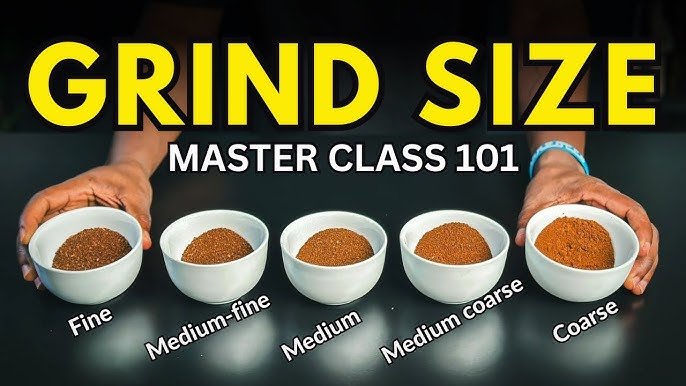
If you want the perfect cup of coffee, grinding your beans just right is key. But how fine should you grind your coffee for your coffee maker?
Getting this wrong can make your coffee taste bitter, weak, or just plain disappointing. You’ll discover exactly how to choose the right grind size to unlock the best flavor from your coffee. Keep reading, and you’ll never have to settle for a bad brew again.

Credit: macafeine.ca
Coffee Grind Basics
Grind sizeaffects how fast water passes through coffee grounds. This changes the tasteand strength of your coffee. Fine grinds make coffee bitterif brewed too long. Coarse grinds can make coffee weakor watery.
The right grind size helps you get the best flavorfrom your coffee maker. Different machines need different grind sizes. For example, espresso machines need very fine grinds, while French press needs coarse grinds.
| Grind Type | Description | Best For |
|---|---|---|
| Coarse | Large, chunky pieces | French press, cold brew |
| Medium | Texture like sand | Drip coffee makers |
| Fine | Powdery, smooth | Espresso machines |
| Extra Fine | Almost like flour | Turkish coffee |

Credit: somethingsbrewing.in
Grind Size For Different Coffee Makers
The grind sizeaffects how water flows through the coffee grounds. It changes the taste and strength of your coffee.
- Drip Coffee Makers:Use a medium grind. It looks like sand. Not too fine, not too coarse.
- French Press:Use a coarse grind. It should be chunky, like sea salt. This stops coffee from getting muddy.
- Espresso Machines:Use a fine grind. It feels like sugar powder. This helps make strong coffee fast.
- Pour Over:Use a medium-fine grind. It is finer than drip but not as fine as espresso.
- AeroPress:Grind size can change. Use medium to fine depending on brewing time and taste you want.
How Grind Size Affects Flavor
The size of coffee grind greatly affects the flavorof your brew. Too finea grind can cause over-extraction, making coffee taste bitterand strong. Too coarsea grind leads to under-extraction, causing a weakand sourtaste.
Under-extraction happens when water passes quickly through large coffee grounds. The flavors do not fully develop. Over-extraction occurs when water stays too long with small grounds. It pulls out bitter compounds.
- Fine grind: strong, bitter, over-extracted
- Medium grind: balanced flavor and strength
- Coarse grind: weak, sour, under-extracted
Finding the right grind size is key to balanced tasteand strength. Adjust grind size based on your coffee maker type to achieve the best cup.

Credit: batwcoffee.com
Choosing The Right Grinder
Blade grindersuse fast-spinning blades to chop coffee beans. They are affordablebut can produce uneven grind sizes. This affects the flavor and extraction of the coffee. Burr grinderscrush beans between two abrasive surfaces. They give a consistent grind size, which helps make better coffee.
Manual grinders are powered by hand. They are quiet, portable, and good for travel. Electric grinders work faster and need less effort. They are best for grinding larger amounts of coffee quickly.
| Type | Pros | Cons |
|---|---|---|
| Blade Grinder | Inexpensive, easy to use | Uneven grind, less control |
| Burr Grinder | Consistent grind, better flavor | More expensive, needs cleaning |
| Manual Grinder | Quiet, portable, affordable | Slow, requires effort |
| Electric Grinder | Fast, easy for large amounts | Can be noisy, uses electricity |
Tips For Grinding Coffee At Home
Measuring coffee groundscorrectly is key to a good cup. Use a kitchen scale or a spoon for accuracy. About 1 to 2 tablespoonsper cup is a good start. Adjust based on taste.
Grinding freshnessmatters a lot. Grind coffee just before brewing to keep flavor and aroma fresh. Avoid grinding too early; coffee loses taste fast.
Adjusting grind for consistencyhelps extraction. For drip coffee makers, use a medium grind. Fine grind suits espresso machines. Coarse grind works for French press. Keep grind size steady for best results.
Common Grinding Mistakes To Avoid
Grinding coffee beans too fine can cause over-extraction. This makes the coffee taste bitterand too strong. Too coarse grinding leads to under-extraction, resulting in a weakand sourflavor. Finding the right grind size is key for a good cup.
Grinding coffee long before brewing causes loss of freshness. The coffee will taste flatand stale. Always grind beans just before use to keep the aromaand flavor.
Using dull grinders can damagethe coffee beans. This creates uneven grindand affects the taste. Sharp grinders give a consistent grindand better flavor extraction.
Frequently Asked Questions
What Grind Size Is Best For Drip Coffee Makers?
Medium grind size works best for drip coffee makers. It allows optimal extraction and balanced flavor. Too fine or too coarse grinds can cause over-extraction or weak taste.
How Does Grind Size Affect Coffee Flavor?
Grind size controls extraction rate. Fine grinds extract faster, making coffee bitter. Coarse grinds extract slower, resulting in weak flavor. Correct grind size ensures a well-balanced and flavorful cup.
Can I Use The Same Grind For Espresso And Drip?
No, espresso requires a fine grind, while drip coffee needs a medium grind. Using the wrong grind affects brewing time and taste quality. Always adjust grind size for each coffee maker type.
Why Should Grind Size Match My Coffee Maker?
Matching grind size to your coffee maker ensures proper extraction. Incorrect grind size can cause clogging or weak coffee. It enhances flavor consistency and brewing efficiency.
Conclusion
Choosing the right coffee grind makes a big difference in taste. Each coffee maker needs a specific grind size to brew well. Too fine or too coarse can change the flavor and strength. Adjust your grind to match your machine for the best cup.
Enjoy fresh, balanced coffee every morning. Small changes bring better coffee moments. Keep testing to find what suits you best. Simple steps lead to great coffee.