
If you love brewing coffee with a French press, you already know that grind size can make or break your cup. But how much should you grind your coffee to get that perfect, rich flavor every time?
Getting this right isn’t just about taste—it’s about unlocking the full potential of your beans and enjoying a smooth, balanced brew without bitterness or weakness. You’ll discover exactly how much to grind your coffee for a French press, so your mornings start with the perfect sip.
Keep reading, and you’ll never settle for a mediocre brew again.
Credit: planetarydesign.com
Why Grind Size Matters
Grind sizeaffects how water extracts flavors from coffee grounds. For French Press, a coarse grindis best. Too fine a grind can make coffee bitteror muddy.
Coarser grounds allow water to flow easily, giving a smooth taste. Finer grounds slow water, causing over-extraction. This hurts flavor and makes coffee bitter.
Brewing time changes with grind size. A coarse grindneeds about 4 minutes. Finer grinds need less time but risk bad taste. A coarse grind matches well with French Press brewing time.

Credit: www.passportcoffeeshop.com
Ideal Grind Size For French Press
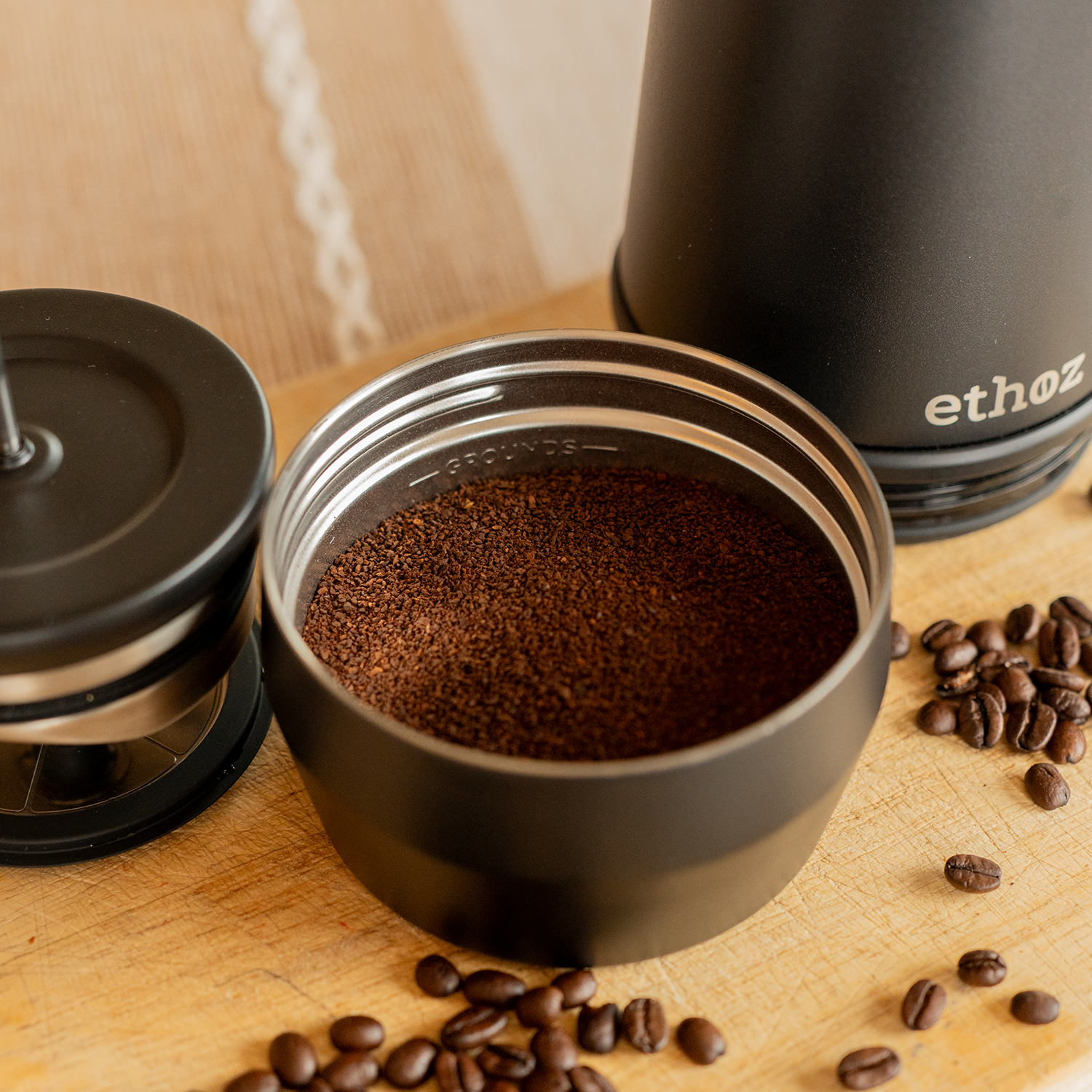
Coarse grind works best for French Press coffee. It prevents over-extraction and keeps the brew smooth. Aim for large, even coffee particles for the best flavor.
Characteristics Of Coarse Grind
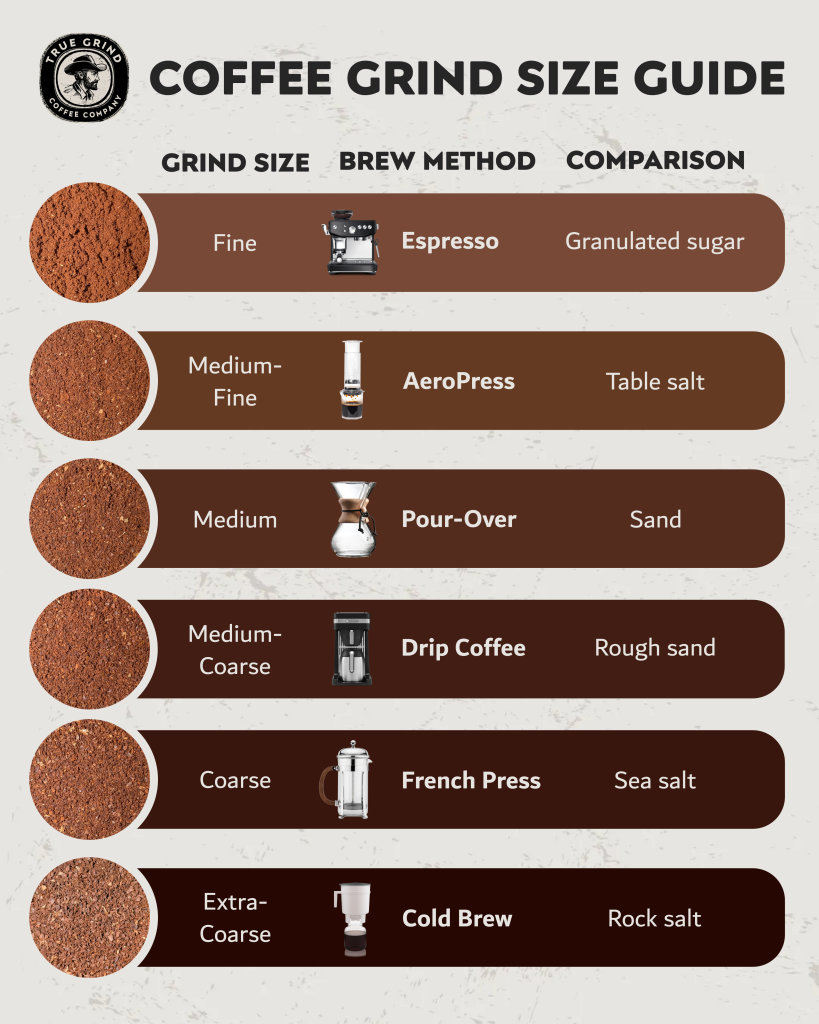
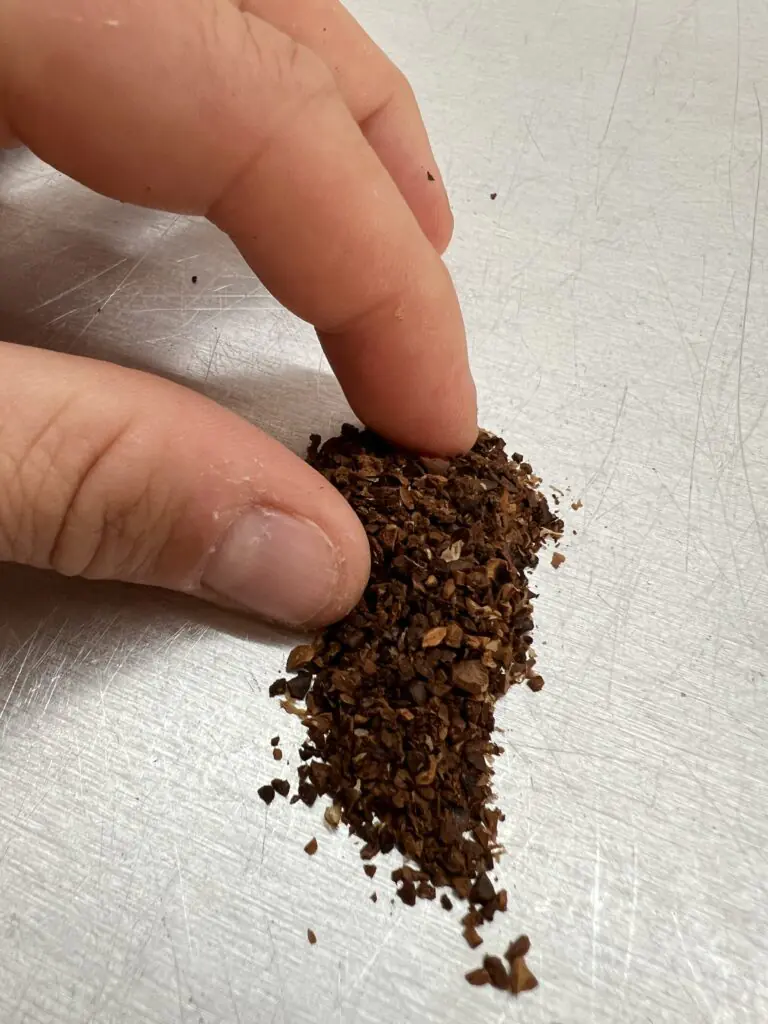
Coarse grindlooks like small pebbles or sea salt. It feels rough and unevento the touch. This grind size helps prevent coffee groundsfrom passing through the metal filter of the French press. It allows water to flow smoothly, ensuring full extractionof flavors without over-extraction. The large particles reduce bitternessand sedimentin the cup.
Visual And Texture Guide
- Grind size similar to kosher salt
- Particles are visible and chunky
- Feels grainy and coarsebetween fingers
- Easy to see individual grains without microscope
Comparison With Other Brew Methods
| Brew Method | Grind Size | Texture |
|---|---|---|
| French Press | Coarse | Chunky, rough |
| Drip Coffee | Medium | Sandy, smooth |
| Espresso | Fine | Powdery, smooth |
How To Achieve Perfect Coarseness
Choosing a grinder is key to getting the perfect coarsenessfor French press coffee. Burr grinders are best because they give a consistent grind size. Blade grinders can create uneven particles, which affect the taste.
Adjusting grind settings lets you control how coarse the coffee gets. Start with a medium-coarse grind, similar to sea salt. Turn the dial coarser or finer in small steps until the taste feels right.
Testing and tweaking help find the best grind. Brew a small batch and check the flavor. If the coffee tastes too strong or bitter, try a coarser grind. If it tastes weak or sour, grind a bit finer. Repeat until the taste is just right.
Common Grinding Mistakes
Grinding coffee too finefor a French press can cause over-extraction. This makes the coffee bitter and thick. On the other hand, grinding coffee too coarse leads to weak and watery coffee.
Inconsistent grind sizeis another common mistake. Different sizes cause uneven extraction. Some coffee grounds will be under-extracted, and others over-extracted. This results in a poor taste.
Using pre-ground coffeecan cause freshness loss. Pre-ground coffee starts to lose flavor quickly. Grinding coffee just before brewing keeps it fresh and tasty.
Tips For Better French Press Coffee
Fresh beansmake a big difference in taste. Buy whole beans and grind just before brewing. Store beans in a cool, dry place, away from sunlight. Avoid pre-ground coffee; it loses flavor fast.
Water temperature should be around 195°F to 205°F. Brew for about 4 minutesto get the best flavor. Stir the coffee gently after adding hot water to mix grounds well.
Keep your French press clean. Remove used grounds right after brewing. Wash all parts with warm water and mild soap to avoid old coffee taste. Dry parts before reassembling to stop mold.
Credit: batchcoffee.co.uk
Frequently Asked Questions
What Grind Size Is Best For French Press Coffee?
A coarse grind is ideal for French Press. It prevents over-extraction and reduces sediment in your cup. Coarse grounds allow slow water flow and optimal flavor extraction, resulting in a smooth and rich coffee experience.
How Does Grind Size Affect French Press Taste?
Grind size controls extraction speed and flavor balance. Too fine a grind leads to bitterness and sludge, while too coarse yields weak coffee. Coarse grounds provide a balanced, rich taste with less bitterness and minimal sediment.
Can I Use Medium Grind For French Press?
Medium grind is not recommended for French Press. It can cause over-extraction and a gritty texture. Coarse grind is preferred to ensure proper brewing time and a clean, flavorful cup without excessive sediment.
How Long Should I Grind Coffee For French Press?
Grinding time depends on your grinder type and setting. Aim for a coarse, pebble-like texture. Adjust grind time in small increments until achieving consistent coarse grounds suitable for full immersion brewing.
Conclusion
Choosing the right grind size is key for French Press coffee. A coarse grind helps water flow and stops bitterness. Too fine, and the coffee will taste bitter and muddy. Measure about one tablespoon of grounds per cup for best results.
Adjust grind size slightly to match your taste. Freshly ground coffee always tastes better. Enjoy the rich, smooth flavor that the French Press offers. Simple steps, great coffee. Easy to do, easy to enjoy.