
Are you waking up with a sore jaw or headaches and wondering why? You might be grinding your teeth while you sleep, a common problem that can quietly damage your smile and disrupt your rest.
But don’t worry—there are simple steps you can take to stop this habit and protect your teeth. You’ll discover practical tips and easy solutions to help you sleep peacefully without grinding. Keep reading to take control of your nighttime habits and wake up feeling refreshed and pain-free.
Credit: adofw.com
Causes Of Teeth Grinding
Stress and anxietyoften cause teeth grinding during sleep. The mind stays tense, making muscles clench. This tension leads to grinding or clenching.
Sleep disorderslike sleep apnea can increase grinding. Interrupted breathing causes body stress. Grinding may be a reaction to these pauses.
Dental issuesalso play a role. Misaligned teeth or missing teeth can cause uneven pressure. This makes the jaw work harder during sleep.
Lifestyle factorssuch as caffeine and alcohol use affect grinding. Smoking and drug use may also increase the risk. Poor sleep habits can add to the problem.
Signs You Grind Your Teeth
Morning jaw painis a common sign of teeth grinding. Your jaw might feel sore or stiff when you wake up. This happens because your muscles work hard during sleep. It may feel like you have a cramp in your jaw.
Tooth damagecan occur from grinding. Teeth may get chipped, cracked, or worn down. This damage can cause sensitivity or pain. Sometimes, teeth can look shorter or flattened.
Headaches and earachesoften come with teeth grinding. The pressure on jaw muscles can cause pain around your head and ears. These aches may feel like tension headaches or ear discomfort.
Sleep disruptionshappen because grinding can be noisy and cause discomfort. It may wake you or your partner. Poor sleep quality can make you feel tired during the day.
Effective Home Remedies
Stress reductionhelps relax your jaw and mind. Try deep breathing or meditation before bed. This calms your body and lowers teeth grinding.
Proper sleep hygienemeans a calm, dark, and cool room. Go to bed at the same time each night. Avoid screens one hour before sleep for better rest.
Jaw exercisescan ease tension. Gently open and close your mouth. Move your jaw side to side slowly. These exercises relax muscles and reduce clenching.
- Avoid stimulantslike caffeine and nicotine late in the day.
- These can make your muscles tense and cause more grinding.
- Drink water or herbal tea instead to relax.
Dental Treatments To Consider
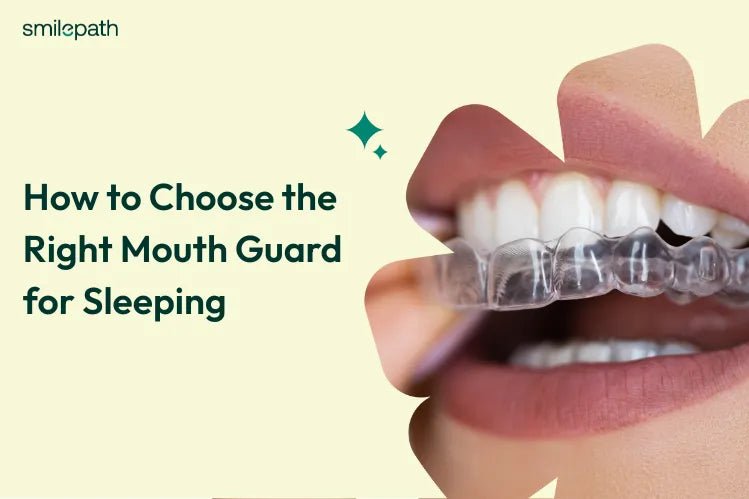
Mouthguards and splintshelp protect teeth from grinding. They are made to fit your mouth and stop damage during sleep. These devices keep your jaw in a good position and reduce pressure on teeth.
Orthodontic solutionsfix bite problems that cause grinding. Braces or aligners can move teeth to a better place. This helps reduce the need to grind and improves how your teeth meet.
| Dental Restorations | Purpose |
|---|---|
| Fillings | Fix small tooth damage caused by grinding |
| Crowns | Cover and protect badly worn or cracked teeth |
| Bridges | Replace missing teeth to improve bite and reduce grinding |
When To See A Doctor
Persistent jaw pain or worn teeth may signal the need for medical advice. Frequent headaches or disturbed sleep also suggest seeing a doctor about teeth grinding. Early help can prevent further damage and improve sleep quality.
Persistent Symptoms
Continuous teeth grinding during sleep can cause pain and discomfort. If soreness lasts for days, a doctor’s visit is wise. Persistent jaw pain or headaches may signal a deeper issue. Early treatment helps prevent long-term damage.
Severe Tooth Damage
Teeth that appear worn, cracked, or loose need professional care. Severe damage can lead to costly dental problems. A dentist can suggest protective devices like mouth guards. Quick action saves your teeth from further harm.
Associated Sleep Disorders
Grinding may link to sleep apnea or other disorders. Snoring, gasping, or stopping breathing during sleep are warning signs. A sleep study might be necessary for proper diagnosis. Treating these conditions can reduce teeth grinding.
Credit: medium.com
Lifestyle Changes To Prevent Grinding
Limiting alcohol and caffeinecan help reduce teeth grinding. These substances may increase muscle activity at night. Avoid drinking coffee or alcohol close to bedtime. This simple change can lower the chance of grinding.
Regular exercisehelps the body relax and reduces stress, a common cause of grinding. Aim for at least 30 minutes of moderate activity most days. Exercise also improves sleep quality, which can reduce teeth clenching.
Mindfulness and relaxationtechniques calm the mind before sleep. Try deep breathing, gentle stretching, or meditation. These habits lower stress and help stop teeth grinding during the night.

Credit: sentinelmouthguards.com
Frequently Asked Questions
What Causes Teeth Grinding During Sleep?
Teeth grinding, or bruxism, is often caused by stress, anxiety, or misaligned teeth. Sleep disorders and certain medications can also contribute. Identifying the root cause helps in choosing effective treatments to stop grinding and protect your teeth.
How Can I Stop Grinding Teeth Naturally?
Reducing stress through relaxation techniques, exercise, and good sleep hygiene can help. Avoid caffeine and alcohol before bed. Using a warm compress on your jaw and practicing jaw exercises may also reduce teeth grinding naturally.
Does A Mouthguard Prevent Teeth Grinding Effectively?
Yes, a custom-fitted mouthguard protects your teeth by cushioning the grinding forces. It prevents damage and reduces jaw strain. Consult your dentist to get a properly fitted mouthguard for the best results during sleep.
Can Teeth Grinding Cause Serious Dental Problems?
Yes, chronic teeth grinding can lead to tooth damage, jaw pain, headaches, and gum recession. Early treatment is important to avoid costly dental repairs and long-term discomfort from untreated bruxism.
Conclusion
Stopping teeth grinding during sleep takes patience and care. Try wearing a mouth guard to protect your teeth. Reduce stress with simple relaxation exercises before bed. Avoid caffeine and alcohol late in the day. Keep a regular sleep schedule for better rest.
Talk to your dentist if grinding continues. Small changes can make a big difference. Your teeth and jaw will thank you. Start today for a quieter, healthier night’s sleep.