
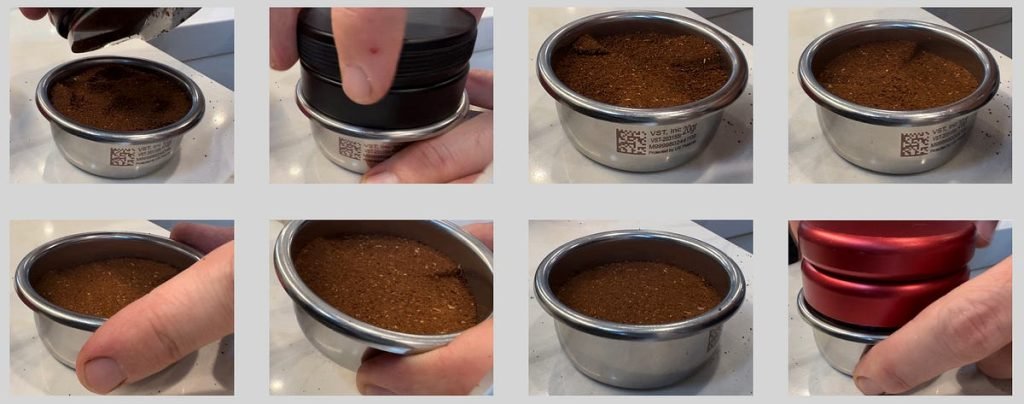
If you want to make the perfect espresso at home, the secret lies in how you grind your coffee. Getting the grind just right can transform your morning cup from bitter or weak to rich and full of flavor.
But how do you know what grind size to use? And how can you grind your beans to bring out the best taste every time? In this guide, you’ll discover simple tips and tricks that will help you master the art of grinding espresso coffee.
By the end, you’ll have the confidence to make barista-quality espresso that tastes just the way you like it. Keep reading to unlock the key to your perfect shot.
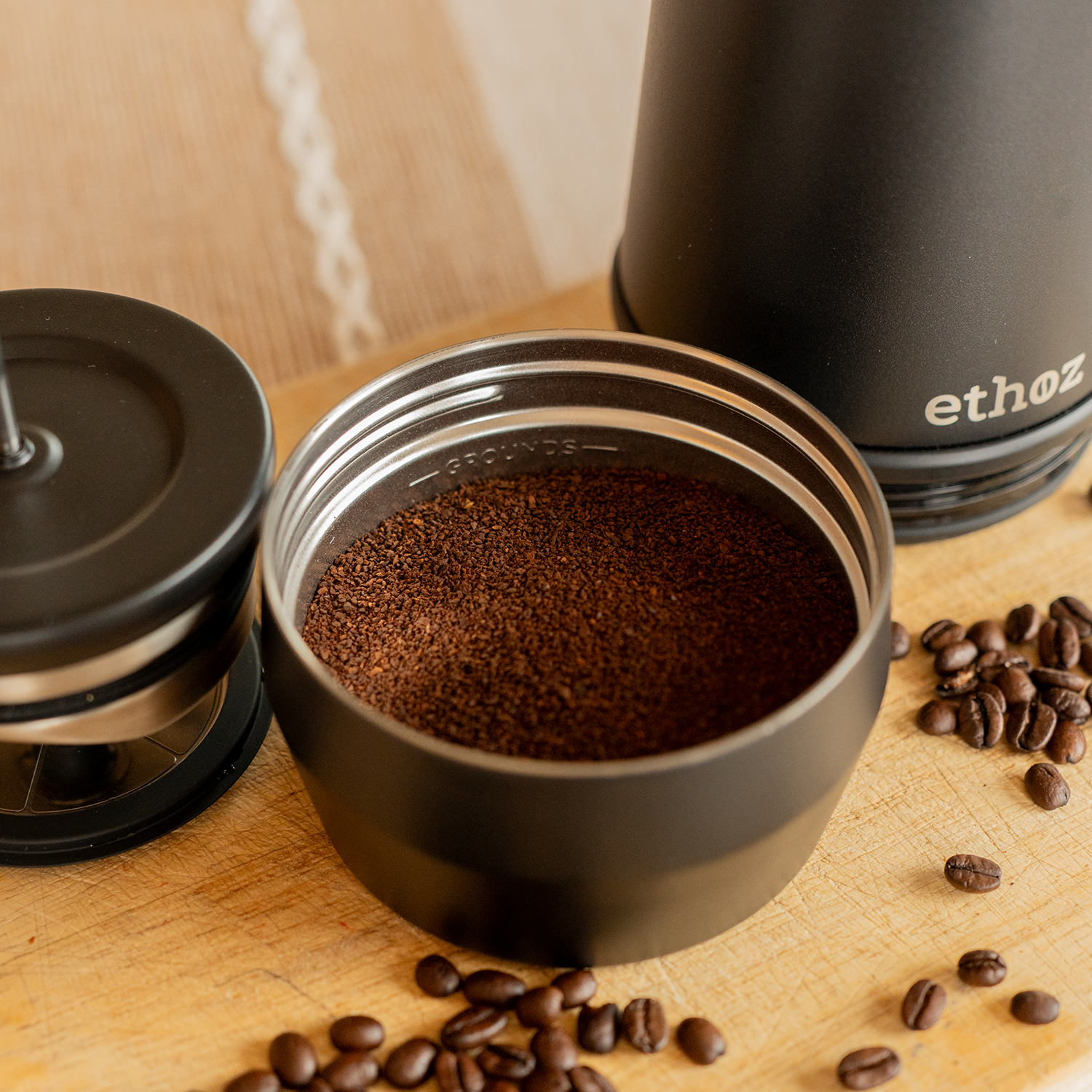
Credit: planetarydesign.com
Choosing The Right Grinder
Blade grinderscut coffee beans unevenly. This creates inconsistent grindsthat can affect the espresso taste. They are often cheaperand easy to use but less precise.
Burr grinderscrush beans between two burrs. This gives a uniform grind size, which is important for espresso. Burr grinders allow you to adjust grind sizeeasily.
| Blade Grinder | Burr Grinder | |
|---|---|---|
| Grind Quality | Uneven, inconsistent | Even, consistent |
| Price | Low | Medium to high |
| Adjustability | Limited | Wide range |
| Best For | Basic home use | Espresso and fine brewing |
Manual grinders need hand power. They are quietand portable. Electric grinders work fast and need little effort. Choose based on your preferenceand use case.

Credit: www.toomerscoffee.com
Grind Size And Its Impact
Fine grindis key for espresso. It has a texture like powdered sugar. This grind size allows water to pass through coffee slowly. This slow flow helps extract rich flavors and oils from the coffee.
Too coarse a grind makes espresso weak and watery. Too fine a grind can make it bitter and over-extracted. The right grind size balances taste and crema, the creamy foam on top.
| Grind Size | Effect on Extraction | Flavor Result |
|---|---|---|
| Too Fine | Slow water flow, over-extraction | Bitter, harsh taste |
| Fine (Espresso) | Optimal water flow, balanced extraction | Rich, bold, smooth flavor |
| Coarse | Fast water flow, under-extraction | Weak, sour, thin taste |
Adjusting Grind Settings
Grinding espresso coffeerequires precise adjustmentsto the grind size. Fine tuning helps achieve the right extractionand flavor. Start by setting the grinder to a medium-fine grind.
Dialing inmeans testing and adjusting the grind size until the espresso pours steadily. Too fine a grind causes slow extraction and bitter taste. Too coarse makes the shot weak and watery.
Small changes can make a big difference. Grind a small amount, brew, and taste. Adjust grind size in tiny steps for consistent results.
Different beansneed different grind settings. Dark roasts usually require a slightly coarser grind than light roasts. Fresh beans may grind differently than older ones. Experiment to find the best setting for each bean type.
- Start with a medium-fine grind
- Adjust in small steps for steady espresso flow
- Test each grind setting with a shot
- Change grind size for different bean roasts
- Keep notes to remember settings for each bean
Grinding Techniques
Grind espresso coffee finely for the best flavor and crema. Use a burr grinder for even, consistent grounds. Adjust the grind size to match your espresso machine’s pressure and extraction time.
Measuring Coffee Beans
Use a scale to measure the beans. The right amount is about 18-20 grams for one shot. Too much or too little affects taste. Measure carefully for consistent results.
Proper Grinding Speed
Grind at a steady speed. Too fast can cause uneven grind size. Too slow wastes time. Aim for a smooth, even grind without stopping.
Avoiding Overheating
Overheating beans can ruin flavor. Use short bursts if grinding manually. Let the grinder cool down if it feels hot. Cool beans give better espresso taste.
Maintaining Your Grinder
Regular cleaning keeps your grinder working well and your coffee fresh. Use a brush to remove old coffee grounds from the burrs. Wipe the outside with a dry cloth to avoid moisture buildup. Avoid water on burrs unless the manufacturer says it’s safe. Check the hopper for leftover beans and clean it often.
Set a cleaning schedule based on how often you grind coffee:
- Daily: Brush out loose grounds.
- Weekly: Remove and clean burrs carefully.
- Monthly: Deep clean with grinder cleaning tablets or a thorough wipe.
Keep parts dry and reassemble properly to avoid damage. Consistent care extends grinder life and improves espresso taste.

Credit: pesado585.com
Troubleshooting Common Issues
Grind size too coarsecauses weak and watery espresso. Too fine grind makes coffee bitter and can clog the machine. Adjust the grinder settings little by little until you find the right balance for your espresso machine.
Grinder jamminghappens when beans are oily or too hard. Clean the grinder regularly to remove stuck coffee bits. Use fresh, dry beans to avoid clogging and keep the grinder working smoothly.
Inconsistent groundslead to uneven coffee extraction. This affects taste and crema. Check for worn burrs or dirty grinder parts. Regular maintenance and using good quality grinders help keep grounds consistent.
Frequently Asked Questions
How Fine Should Espresso Coffee Be Ground?
Espresso coffee should be ground to a fine consistency, similar to table salt. This allows optimal extraction, resulting in a rich and flavorful shot. A consistent grind size ensures even water flow through the coffee, enhancing taste. Adjust the grind slightly based on taste preferences and machine specifics.
Can I Use A Regular Grinder For Espresso?
Using a burr grinder is recommended for espresso, as it provides consistent grind size. Blade grinders can result in uneven grounds, affecting extraction. A burr grinder allows precise control over grind size, crucial for espresso. Investing in a quality grinder improves the overall espresso experience and flavor.
How Does Grind Size Affect Espresso Taste?
Grind size significantly impacts espresso taste by influencing extraction time. A finer grind increases surface area, leading to faster extraction and potentially bitter flavors. A coarser grind may result in under-extracted, sour espresso. Achieving the right grind size balances flavors, producing a well-rounded and enjoyable shot.
What Is The Best Grinder For Espresso?
A burr grinder is the best choice for grinding espresso coffee. Burr grinders provide consistent grind size, essential for espresso extraction. They allow precise control over grind settings, enhancing flavor. Investing in a quality burr grinder ensures optimal espresso quality and a superior coffee experience.
Conclusion
Grinding espresso coffee well makes a big difference in taste. Use the right grind size to get the best flavor. Too fine or too coarse can spoil your shot. Adjust your grinder to find the perfect texture. Fresh coffee beans always make a better cup.
Practice a little, and you will notice the change. Enjoy your espresso with a rich and smooth taste. Simple steps, great coffee.