
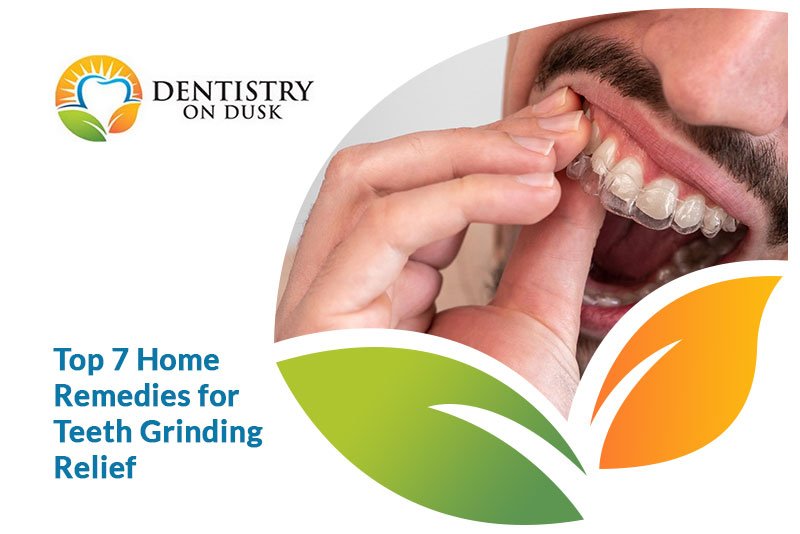
Are you waking up with a sore jaw or headaches that just won’t quit? You might be grinding your teeth without even knowing it.
Teeth grinding can damage your smile and cause discomfort, but the good news is there are simple ways to stop it. You’ll discover easy and effective methods to treat teeth grinding. Keep reading to protect your teeth and enjoy a pain-free, restful night’s sleep.
Your smile—and your health—will thank you.

Credit: www.smiledentalturkey.com
Causes Of Teeth Grinding
Teeth grindingoften happens because of different reasons. Stress and anxietymake many people clench their jaws during the day or night. It is like the body’s way to release tension.
Sleep disorderssuch as sleep apnea can also cause teeth grinding. The body reacts to breathing problems by tightening the jaw muscles.
Medications and substanceslike caffeine, alcohol, or some drugs can increase the chance of grinding. These can make the muscles more active or restless.
Dental issuessuch as crooked teeth or a bad bite may cause grinding. The teeth do not fit well, so the jaw moves oddly, leading to clenching or grinding.

Credit: kigodental.com
Identifying Teeth Grinding
Teeth grinding, or bruxism, often happens during sleep. It can cause headaches, jaw pain, and damaged teeth. Some people hear a grinding soundat night. Others feel their teeth are flat or wornin the morning.
Seeing a dentist is important if jaw pain lasts or headaches increase. Dentists check for tooth wearand ask about symptoms. Early visits prevent more damage.
| Diagnostic Method | Description |
|---|---|
| Dental Exam | Check for worn, cracked, or chipped teeth. |
| Medical History | Ask about headaches, jaw pain, and sleep habits. |
| Sleep Study | Monitor teeth grinding during sleep with sensors. |
| Jaw Muscle Exam | Feel muscles for tightness or soreness. |
Lifestyle Changes
Stresscan cause teeth grinding. Try simple ways to relax like deep breathing or gentle exercise. Taking time to calm your mind helps reduce grinding during sleep.
Good sleep habits are key. Sleep in a quiet, dark room. Go to bed and wake up at the same time daily. Avoid screens and caffeine before bed for better rest.
- Avoid chewing gum or hard foods that strain your jaw.
- Stay away from alcohol and tobacco, as they can increase grinding.
- Limit caffeine intake, especially in the afternoon and evening.
- Try to keep your jaw relaxed during the day.
Dental Treatments
Mouthguards and splintsprotect teeth from grinding damage. They fit over teeth and stop direct contact. Custom-fitted guards by dentists work best. Wearing them at night reduces pain and wear.
Dental correctionsfix bite problems causing teeth grinding. Straightening teeth or adjusting bite can reduce stress on jaws. Sometimes, reshaping or adding crowns helps balance bite forces. This prevents further grinding and damage.
Professional therapyincludes stress management and muscle relaxation. Dentists may suggest exercises or physical therapy. Sometimes, counseling helps reduce stress that triggers grinding. Relaxation techniques calm jaw muscles and lessen grinding intensity.
Medications And Therapies
Muscle relaxantscan ease tension in jaw muscles. They help reduce grinding during sleep. Usually, doctors prescribe them for a short time to avoid side effects.
Behavioral therapyteaches new habits to stop grinding. It helps people become aware of jaw clenching. Patients learn to keep their teeth apart and relax their face.
Biofeedbackuses sensors to show muscle activity. It helps control jaw muscles by giving real-time feedback. This therapy trains people to relax muscles and reduce grinding over time.
Home Remedies
Jaw exercises help relax and stretch your jaw muscles. Gently open your mouth wide, then slowly close it. Repeat this several times. Move your jaw from side to side to reduce tension. These exercises can ease discomfort from grinding.
A warm compress soothes sore jaw muscles. Apply a warm cloth or heating pad to your jaw for 10 to 15 minutes. The heat helps increase blood flow and relax muscles, which may lessen teeth grinding.
- Practice deep breathing to calm your mind and body.
- Try meditation or listen to soft music before sleep.
- Limit caffeine and screen time before bedtime.
- Establish a quiet, comfortable sleep environment.
Relaxation techniques reduce stress, a common cause of grinding. Use these simple methods to help your jaw and mind unwind.
Preventing Long-term Damage
Regular dental checkupshelp catch teeth grinding early. Dentists look for signs like worn teeth or jaw pain. They check your bite and suggest treatments. Visiting your dentist every six months keeps problems small. Early care stops damage from getting worse.
Monitoring symptomsmeans watching for changes. Pay attention to headaches, jaw soreness, or tooth sensitivity. These signs show grinding might be active. Keep a diary of when symptoms appear. Share this with your dentist to find the best care.
Adjusting treatment plansis key for success. Grinding habits can change over time. A dentist may change your mouth guard or suggest new therapies. Staying flexible helps protect your teeth. Regular check-ins ensure your treatment works well.

Credit: dynastystomatology.cz
Frequently Asked Questions
What Are Effective Treatments For Teeth Grinding?
Effective treatments include mouthguards, stress management, and dental correction. Mouthguards protect teeth during sleep. Stress reduction lowers grinding triggers. Dentists may reshape teeth or adjust bite to prevent damage.
Can Lifestyle Changes Reduce Teeth Grinding?
Yes, lifestyle changes help. Avoid caffeine and alcohol before bed. Practice relaxation techniques like meditation or deep breathing. Maintain a consistent sleep schedule to reduce stress and improve sleep quality, lowering grinding chances.
When Should I See A Dentist For Teeth Grinding?
See a dentist if you notice tooth damage, jaw pain, or headaches. Early diagnosis prevents further damage. A dentist can recommend appropriate treatment to protect your teeth and relieve symptoms.
Are Mouthguards Effective For Treating Teeth Grinding?
Mouthguards are highly effective. They create a barrier between teeth, preventing wear and damage. Custom-fitted guards offer the best comfort and protection compared to over-the-counter options.
Conclusion
Treating teeth grinding helps protect your teeth and reduce pain. Start by spotting the causes, like stress or poor sleep. Simple changes, such as using a mouth guard or relaxing before bed, can make a big difference. Visit your dentist for advice and proper care.
Taking action early keeps your smile healthy and prevents damage. Small steps today lead to better sleep and less discomfort tomorrow. Teeth grinding is manageable with the right habits and support. Stay consistent and patient for the best results.