
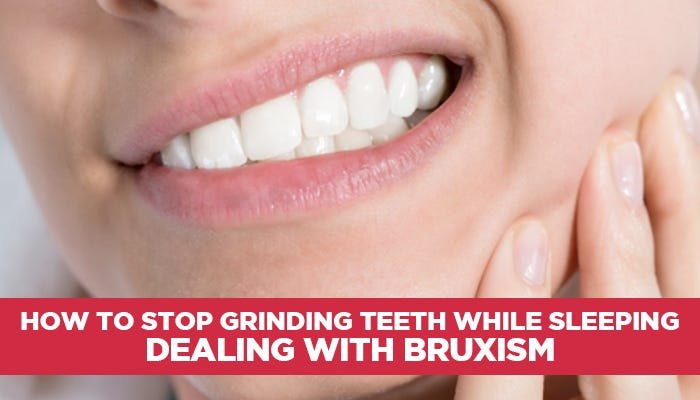
Do you wake up with a sore jaw or a headache and wonder why? Grinding your teeth in sleep can cause pain and damage without you even realizing it.
But what if you could stop this harmful habit naturally, without expensive treatments or uncomfortable devices? You’ll discover simple, effective ways to protect your teeth and enjoy restful nights. Keep reading to learn how to take control of your sleep and wake up feeling fresh and pain-free.
Causes Of Teeth Grinding
Stress and anxietyoften cause teeth grinding during sleep. Tension builds up in the jaw muscles. This leads to clenching or grinding without realizing it. Nighttime stress triggers this unconscious habit.
Sleep disorderslike sleep apnea can cause grinding. Interrupted sleep makes the body tense. The jaw tightens to protect the airway. This can result in frequent grinding episodes at night.
Lifestyle factorsaffect teeth grinding too. Drinking too much caffeine or alcohol can increase jaw tension. Smoking raises the risk as well. Poor sleep routines also add to the problem.
Dental issuessuch as misaligned teeth or missing teeth cause uneven bite pressure. This forces the jaw muscles to work harder. The extra strain leads to grinding during sleep. Regular dental checkups can help spot these problems early.
Effects Of Teeth Grinding
Teeth grindingcan cause serious tooth damage. It wears down enamel, which protects teeth. This can lead to tooth sensitivityand even cracks or chips. Over time, teeth may become shorter or misshaped.
Jaw painis common for people who grind their teeth. The muscles around the jaw get tired and sore. This pain may spread to the face or neck, making it hard to open the mouth.
Headachesoften happen after a night of grinding. The tension in the jaw muscles can cause pain in the temples or behind the eyes. These headaches may feel like a dull ache or sharp pain.
Sleep disruptionaffects both the grinder and their partner. Grinding noises can wake people up. Poor sleep leads to tiredness and less focus during the day.
Natural Remedies To Reduce Grinding
Relaxing before bedtime helps calm your mind and body. Try deep breathing or gentle yoga. These relaxation techniquesreduce stress, which lowers teeth grinding during sleep.
Herbal supplements like valerian root, chamomile, and passionflower may ease tension. They support natural relaxationwithout strong side effects. Always check with a doctor before taking herbs.
Essential oils such as lavender, peppermint, and chamomile can promote calmness. Use a diffuser or add a few drops to your pillow. Their soothing scentshelp your muscles relax at night.
Changing your diet can also help reduce grinding. Avoid caffeine, alcohol, and sugary foods late in the day. Eat foods rich in magnesium and calcium to support muscle healthand reduce spasms.

Credit: sentinelmouthguards.com
Lifestyle Changes To Prevent Grinding
Stressoften triggers teeth grinding during sleep. Practice deep breathing, meditation, or yoga to calm your mind. These methods help reduce anxiety and muscle tension.
Keeping a consistent sleep routineimproves rest quality. Go to bed and wake up at the same time daily. Create a quiet, dark, and cool bedroom environment for better sleep.
Avoid stimulantslike caffeine and nicotine, especially in the evening. These substances can increase nervous system activity and cause grinding. Limit consumption to earlier in the day or cut them out completely.
Engaging in regular exercisehelps relieve stress and promotes relaxation. Aim for at least 30 minutes of moderate activity most days. Avoid intense workouts close to bedtime to prevent sleep disruption.
Home Exercises For Jaw Relaxation
Jaw stretchinghelps ease tight muscles and reduce teeth grinding. Slowly open your mouth wide, hold for 5 seconds, then close gently. Repeat this 5 times to relax your jaw.
Use massage techniquesto soothe jaw muscles. Place your fingers on the sides of your jaw near your ears. Massage in small circles for 2 minutes. This can reduce tension and calm your muscles.
Mindful breathinglowers stress and helps your jaw relax. Take slow, deep breaths through your nose. Hold for a few seconds, then breathe out slowly through your mouth. Repeat for 3 minutes to feel calm and relaxed.

Credit: www.dentistryondusk.com
When To See A Professional
Signs of severe grindinginclude persistent jaw pain, worn teeth, and headaches. Teeth may appear chipped or flattened. Loud grinding noises can disturb your sleep and your partner’s. Morning soreness in the jaw or face is common. If these signs last more than a few weeks, seek help.
| Dental Treatment Options | Description |
|---|---|
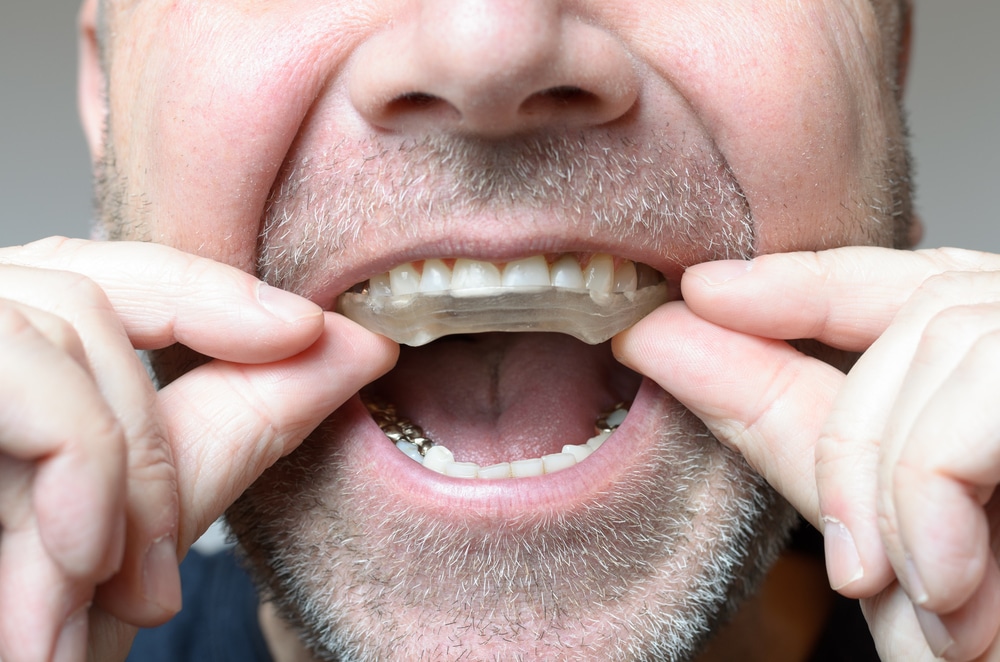
| Night Guards | Custom-made devices to protect teeth during sleep. |
| Dental Correction | Fixing misaligned teeth to reduce grinding. |
| Medication | Muscle relaxants may ease tension before bedtime. |
Therapy and counselingcan help manage stress, a common grinding cause. Relaxation techniques and behavior changes reduce teeth clenching. Talking to a therapist may improve sleep quality and lower anxiety.
Credit: thesleepandrespiratoryscholar.com
Frequently Asked Questions
What Are Natural Remedies To Stop Teeth Grinding?
Natural remedies include stress management, mouth guards, and avoiding caffeine. Practicing relaxation techniques like meditation can reduce grinding. Herbal supplements such as valerian root may also help. Regular jaw exercises and maintaining good sleep hygiene contribute to relief. These methods support a natural approach to stop teeth grinding.
How Does Stress Cause Teeth Grinding During Sleep?
Stress triggers muscle tension and jaw clenching, leading to grinding. When stressed, the body reacts unconsciously, especially during sleep. Managing stress through relaxation reduces this tension. Lower stress levels help prevent teeth grinding naturally, improving sleep quality and oral health.
Can Diet Changes Help Reduce Teeth Grinding?
Yes, avoiding caffeine, alcohol, and sugary foods can reduce grinding. These substances increase nervous system activity and jaw tension. Eating a balanced diet supports overall health and muscle relaxation. Staying hydrated also helps prevent muscle cramps linked to grinding at night.
Are Mouth Guards Effective For Natural Teeth Grinding Relief?
Mouth guards protect teeth from damage and reduce grinding noise. Custom-fitted guards from dentists provide the best comfort and protection. They don’t stop grinding but prevent tooth wear and jaw pain. Using a mouth guard complements natural remedies for effective management.
Conclusion
Finding natural ways to stop grinding teeth can improve sleep. Simple changes can make a big difference. Try stress reduction techniques like meditation. Use a mouthguard if necessary. Avoid caffeine before bed. Chew less gum during the day to relax your jaw.
Practicing good sleep hygiene helps too. Remember, small steps can lead to better rest. Your health matters, so take action today. Consult a dentist if problems persist. They can offer guidance and solutions tailored to your needs. A peaceful night’s sleep awaits.
Take the steps now for a healthier, happier you.