
If you love great coffee, you know that a fresh grind makes all the difference. But how often do you clean your espresso grinder?
Skipping this simple step can lead to bitter flavors, clogged machines, and a shorter lifespan for your equipment. You might not realize it, but tiny coffee oils and grounds build up fast, affecting every cup you make. Keep reading to discover exactly how often you should clean your grinder and the easy steps to keep your espresso tasting perfect every time.
Your morning coffee will thank you.

Credit: www.reddit.com
Why Clean Your Grinder
Cleaning your espresso grinderkeeps coffee tasting fresh. Old coffee oils and particles can change the flavor. A clean grinder helps make better coffeeevery time.
Grinder parts work smoother when clean. Less clogging and jamminghappen, so it grinds evenly. This means your coffee grounds have the right size and texture.
Regular cleaning also protects your grinder. It stops parts from wearing out too fast. This way, your equipment lasts longer and works well for many years.
Signs It’s Time To Clean
Changes in grind consistencyoften signal the need to clean your espresso grinder. If the grind size varies more than usual, it can affect the taste and brewing time. This inconsistency can happen because old coffee oils and particles clog the grinder parts.
Off flavors in coffeeare another clear sign. Coffee may taste bitter, stale, or sour due to leftover oils and old grounds in the grinder. Cleaning removes these residues and keeps the coffee fresh and tasty.
Visible coffee residueinside or around the grinder shows it is time to clean. Coffee dust and bits build up quickly, affecting grinder performance and hygiene. Regular cleaning helps prevent this buildup and ensures smooth operation.
Cleaning Frequency Recommendations
Daily maintenancekeeps the grinder working well. Wipe the outside and remove leftover coffee grounds. Use a brush to clean the burrs gently. This stops old coffee from changing the taste of fresh coffee.
Weekly deep cleaningmeans taking apart the grinder. Clean the burrs with warm water and a mild soap. Dry all parts fully before putting them back. Check for any build-up inside and clean it out.
Monthly thorough cleaninginvolves a full grinder check. Remove all parts and clean every corner. Use a vacuum or cloth to remove fine dust. This helps the grinder last longer and work better.
Step-by-step Cleaning Process
Start by unplugging the grinder to avoid accidents. Remove the hopper by twisting it off carefully. Take out the beans and set the hopper aside.
Use a small brush or cloth to clear out leftover coffee grounds. Focus on the burr area where most grounds get stuck. Be gentle to avoid damaging any parts.
Clean the burrs with a soft brush or a dry cloth. Avoid water unless the manufacturer says it is safe. Wipe the hopper with a damp cloth and dry it well.
Put the hopper back in place by aligning it correctly. Twist it until it locks securely. Plug the grinder in and run a small amount of coffee through to check.
Tools And Materials Needed
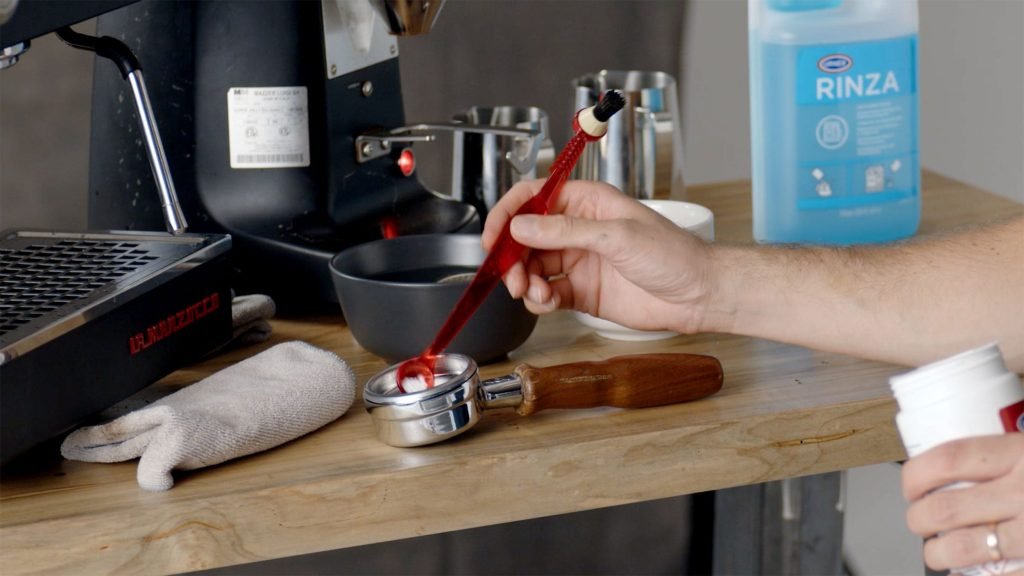
Brushes and clothshelp remove coffee grounds and dust inside the grinder. Use a small, soft brush for tight spaces. A microfiber cloth works well for wiping surfaces clean.
Cleaning solutionsshould be mild and safe for food machines. Use a gentle soap mixed with warm water for cloth dampening. Avoid harsh chemicals that can damage grinder parts.
Specialized grinder toolsinclude cleaning pellets made for grinders. These pellets help clear oils and residue from burrs. Some tools also help disassemble parts for deep cleaning.

Credit: www.wholelattelove.com
Common Mistakes To Avoid
Using water on burrscan cause rust and damage. Always keep burrs dry. Use a brush or compressed air for cleaning. Water may also cause coffee grounds to clump and clog the grinder.
Ignoring manufacturer instructionscan shorten the grinder’s life. Follow the cleaning and maintenance steps given in the manual. Different grinders need different care. Reading instructions helps avoid costly mistakes.
Over-cleaning risksinclude wearing down burrs too fast. Cleaning too often or with harsh tools can damage parts. Clean only as needed to keep the grinder working well. Balance is key for good grind and machine health.
Maintaining Grinder Performance
Proper storagekeeps your espresso grinder safe from dust and moisture. Store it in a dry, cool place away from sunlight. Cover the grinder with a clean cloth or lid to avoid dirt buildup. This helps maintain the grinder’s performance and lifespan.
Regular calibrationensures the grinder produces consistent coffee grounds. Check the grind size often and adjust settings as needed. Calibration helps prevent cloggingand keeps the taste of coffee fresh and balanced.
Avoid excessive heatduring use or storage. Heat can damage the grinder’s motor and burrs. Let the grinder cool down between uses if grinding many doses. Keep it away from stoves or direct sunlight to protect its parts.

Credit: www.lkmixer.com
Frequently Asked Questions
How Often Should I Clean My Espresso Grinder?
You should clean your espresso grinder every 1 to 2 weeks. Frequent cleaning prevents coffee residue buildup and maintains grind quality. For heavy use, clean weekly. For occasional use, bi-weekly cleaning suffices to keep your grinder efficient and your coffee tasting fresh.
What Happens If I Don’t Clean My Espresso Grinder?
Not cleaning your grinder causes coffee oil buildup, leading to stale flavors. Residue can clog burrs and reduce grind consistency. This affects espresso taste and machine performance. Regular cleaning avoids these issues and prolongs the grinder’s lifespan.
Can I Use Brush Or Detergent To Clean Grinder?
Use a soft brush or grinder cleaning pellets to remove grounds. Avoid water or detergent as they may damage burrs or cause rust. Dry cleaning methods are safest and maintain grinder performance without risk of corrosion or electrical damage.
Does Cleaning Frequency Vary By Grinder Type?
Yes, burr grinders need more frequent cleaning than blade grinders. Burr grinders trap more coffee grounds and oils, requiring weekly or bi-weekly cleaning. Blade grinders collect fewer residues and can be cleaned less often, roughly monthly or as needed.
Conclusion
Cleaning your espresso grinder often keeps your coffee tasting fresh. Dirt and oils can build up quickly inside. A clean grinder works better and lasts longer. Set a routine that fits your coffee use. Even a quick clean after every few uses helps a lot.
Remember, clean tools make great coffee. Take care of your grinder to enjoy better espresso every day. Small steps make a big difference in flavor and machine health.