
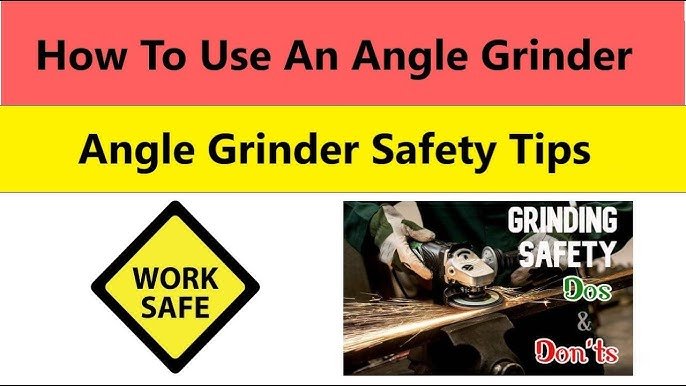
Are you ready to unlock the full potential of your grinder? Whether you’re new to using one or want to improve your skills, understanding how to work a grinder safely and effectively is essential.
Imagine finishing your project faster, with smoother results and less effort. In this guide, you’ll discover simple, step-by-step tips that anyone can follow to master your grinder like a pro. Keep reading, and soon you’ll handle your grinder with confidence and precision.
Types Of Grinders
Angle grindersare handheld tools used for cutting, grinding, and polishing. They have a spinning disc that can cut metal, stone, or tiles. These grinders are small and easy to carry. They work well for quick jobs and outdoor use.
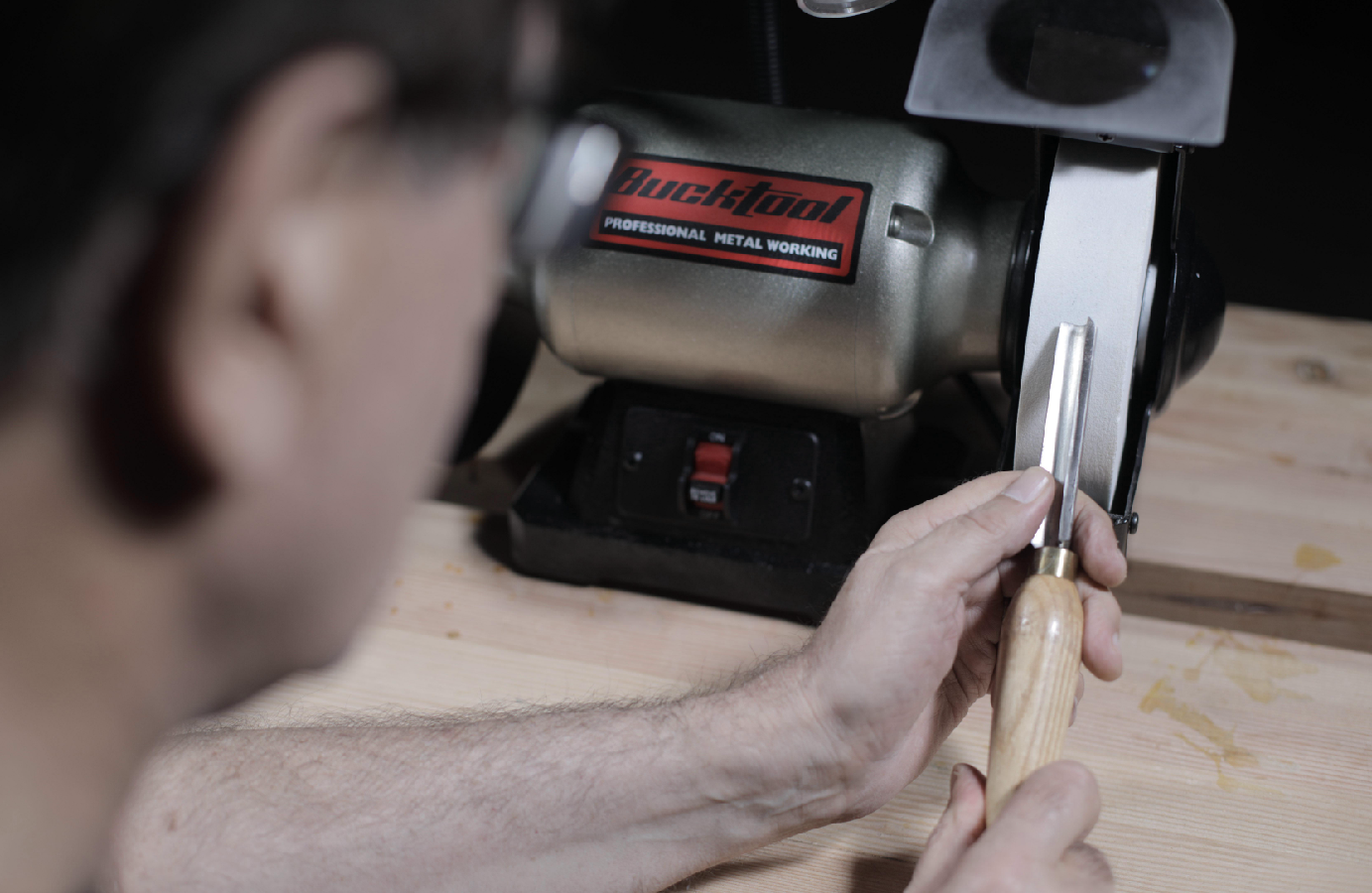
Bench grindersare fixed tools mounted on workbenches. They have two grinding wheels on each side. These grinders are best for sharpening tools and shaping metal. They work well in workshops and for detailed work.
Die grindersare small, handheld tools with a rotating bit. They are used for precision work like carving or smoothing small areas. These grinders are great for tight spaces and fine details.
Essential Safety Gear
Protective eyewearis a must to shield your eyes from sparks and debris. Safety glasses or goggles keep your vision safe during grinding.
Gloves and clothingprotect your hands and body. Wear thick gloves to avoid cuts and burns. Long sleeves and pants help stop sparks from touching your skin.
Hearing protectionreduces noise damage. Use earplugs or earmuffs. Grinders can be loud and hurt your ears over time.
Basic Grinder Components
The motor and power sourceare the heart of a grinder. The motor spins the grinding wheel fast. It needs steady power to work well. Most grinders use electric motors. Some use batteries for cordless use.
Grinding wheels come in different sizes and materials. They are used to cut, grind, or polish metal and other materials. Choose the right wheel for the job. Wheels wear out and need to be replaced often.
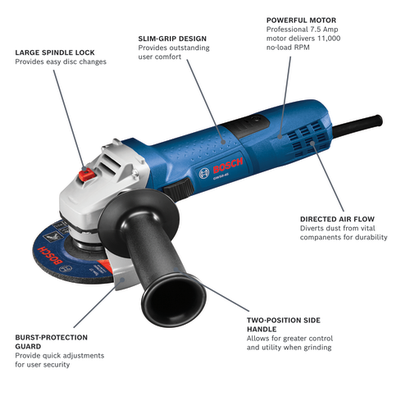
- Guardscover the grinding wheel to protect the user.
- Handlesgive control and stability during use.
- Always check that guards and handles are secure before starting.

Credit: kingpalm.com
Preparing The Grinder
Choose a wheel that fits your grinder and task. Different wheels suit metal, wood, or stone. Check the wheel’s size and type before use. Using the wrong wheel can be unsafe and damage materials.
Look over the grinder carefully. Make sure the guard is in place and not broken. Check the power cord for cuts or frays. Confirm the switch works smoothly and the wheel spins freely without wobbling.
Keep your workspace clean and well-lit. Remove any items that might catch fire. Use a sturdy workbench and clamp your workpiece. Wear safety gear like goggles and gloves. Ensure good ventilation to avoid dust build-up.
Grinding Techniques
Hold the grinder firmlywith both hands for better control. Keep your fingers away from the spinning disc to avoid injuries. Position your body steadily to maintain balance while grinding.
Control speed by gently pressing the trigger. Too fast can damage the material; too slow may not work well. Apply light, steady pressureto avoid overheating or gouging the surface.
To get a smooth finish, move the grinder in small, even strokes. Keep the disc flat against the surface and avoid staying in one spot too long. Let the grinder do the work; don’t force it.
Credit: www.boschtools.com
Common Grinding Applications
Sharpening toolsis a common use of a grinder. It helps make blades and edges sharp again for better cutting. This keeps tools working well and safe to use.
Grinders are also used for removing rust and paint. The spinning disc scrapes off old paint and rust fast. This clears the surface so it looks clean and ready for new paint or work.
Shaping metalwith a grinder is useful in many jobs. It can cut, smooth, or round metal parts. This helps fit pieces together or create custom shapes.
Troubleshooting Tips
Wheel vibrationsoften mean the grinder wheel is unbalanced or loose. Check if the wheel is properly mounted and tightened. A damaged or worn wheel can cause shaking. Replace it if you see cracks or chips. Make sure the grinder is on a flat, stable surface to reduce vibrations.
Overheating happens when the grinder runs too long or presses too hard. Let the tool rest to cool down. Use lighter pressure while grinding. Ensure the air vents are clear to allow good airflow. Overheating can damage the motor, so avoid long, continuous use.
Uneven grinding happens when the wheel is worn unevenly or the tool is not steady. Keep the grinder moving evenly over the surface. Replace wheels that have worn down more on one side. Use steady, gentle pressure to get a smooth finish.
Maintaining Your Grinder
Keep your grinder clean to ensure it works well. Use a brush or cloth to remove dust and debris after each use. Store the grinder in a dry place to avoid rust and damage.
Replace the grinding wheel if it becomes worn or cracked. Using a damaged wheel can be unsafe and reduce performance. Always choose the right size and type of wheel for your grinder.
| Inspection Item | What to Check | Frequency |
|---|---|---|
| Power Cord | Look for cuts or frays | Before each use |
| Grinding Wheel | Check for cracks or wear | Weekly |
| Guards and Covers | Ensure they are secure | Monthly |
Credit: bucktool.com
Frequently Asked Questions
What Safety Gear Is Essential When Using A Grinder?
Always wear safety goggles, gloves, and a dust mask. Use ear protection and ensure your work area is clear. Proper safety gear prevents injuries and protects against sparks and debris while operating a grinder.
How Do I Choose The Right Grinder Disc?
Select a disc based on the material and job type. Use cutting discs for metal, grinding discs for rough surfaces, and flap discs for finishing. Always check the disc’s compatibility with your grinder model for best results.
What Is The Correct Way To Hold A Grinder?
Hold the grinder firmly with both hands, keeping a steady grip. Position your body to maintain balance and control. Avoid overreaching and keep the tool away from your body to prevent accidents.
How Can I Prevent Grinder Kickback?
Use the correct disc and avoid excessive pressure. Keep the grinder’s guard in place and maintain a firm grip. Always grind at the recommended angle to reduce the risk of kickback.
Conclusion
Working a grinder takes practice and patience. Always follow safety rules to avoid injury. Keep a steady hand and focus on your task. Regular cleaning helps the grinder work well and last longer. Start slow, then increase speed as you gain confidence.
With time, you will handle the grinder smoothly and safely. Remember, careful work leads to better results every time. Stay alert and respect the tool’s power. Your skills will improve with each use.