
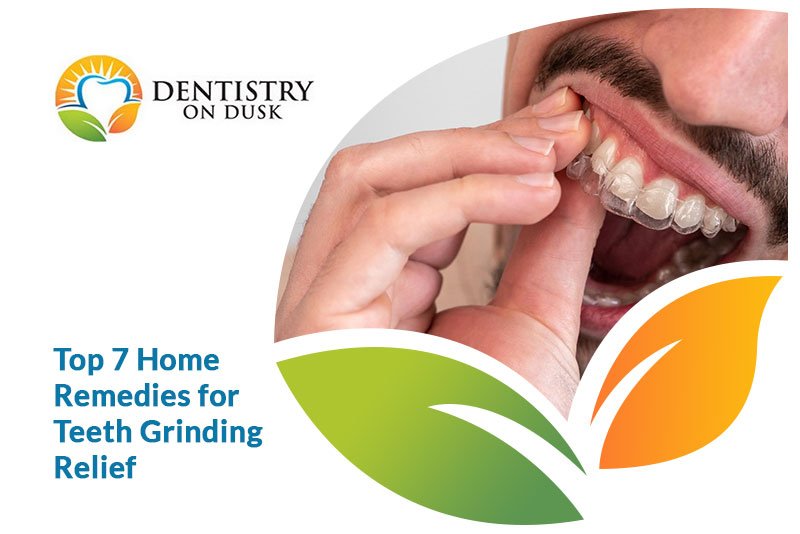
Are you waking up with a sore jaw or headaches? Grinding your teeth, also known as bruxism, can cause pain that disrupts your daily life and sleep.
The good news is, you don’t have to suffer in silence. You’ll discover simple and effective ways to relieve the pain from grinding your teeth. Whether it’s stress, habits, or something else triggering your teeth grinding, these tips can help you find comfort and protect your smile.
Keep reading to take control of your pain and feel better starting today.

Credit: kigodental.com
Causes Of Teeth Grinding
Teeth grindingcan happen for many reasons. Stress and anxietyoften make people clench their jaws tightly. This can happen during the day or at night. Sleep disorderslike snoring or sleep apnea also cause grinding. These problems make the mouth muscles tense and active.
Dental issuessuch as crooked teeth or missing teeth can cause grinding. The teeth do not fit well, so the jaw moves oddly. Lifestyle factorslike drinking too much caffeine or alcohol can worsen grinding. Smoking and chewing gum a lot also add stress to the jaw muscles.
- Stress and Anxiety:Jaw tension, clenching, nervous habits
- Sleep Disorders:Snoring, sleep apnea, restless sleep
- Dental Issues:Crooked teeth, missing teeth, bite problems
- Lifestyle Factors:Caffeine, alcohol, smoking, gum chewing

Credit: www.myoactive.com.au
Signs And Symptoms
Jaw pain and sorenessoften happen after grinding teeth at night. The muscles around the jaw may feel tight or tired. This can cause trouble opening the mouth wide or chewing food.
Tooth damageis a clear sign of grinding. Teeth can get worn down, cracked, or chipped. This damage might make teeth sensitive to hot or cold food and drinks.
Headachesare common with teeth grinding. The pain usually starts near the temples or back of the head. It can feel like a dull ache that lasts for hours.
Sleep disturbanceshappen because grinding makes it hard to relax. The noise of grinding can wake up both the person and their partner. This leads to poor sleep and feeling tired the next day.
Home Remedies
Stress managementhelps reduce teeth grinding. Try deep breathing or meditation. These calm your mind and relax your jaw muscles. Taking short breaks during the day lowers tension. Regular exercise also eases stress and improves sleep.
Jaw exercisescan ease muscle pain. Open your mouth slowly and hold for a few seconds. Move your jaw from side to side gently. These moves improve jaw strength and reduce tightness.
Applying a warm compressrelaxes the jaw muscles. Use a warm towel or heating pad for 10-15 minutes. This soothes soreness and helps reduce grinding pain.
- Avoid stimulantslike caffeine and nicotine, especially in the evening.
- They increase jaw clenching and disturb sleep.
- Drink water or herbal tea instead.
Dental Treatments
Mouthguards and splintsprotect teeth from grinding damage. They fit over your teeth and stop the grinding. You wear them mostly at night. These devices help reduce pain and stop further wear on teeth.
Dental correctionfixes problems with tooth alignment. Crooked or missing teeth can cause grinding. Braces or crowns may be used to improve bite and reduce grinding.
Botox injectionsrelax the jaw muscles that cause grinding. This can lower muscle pain and reduce teeth grinding. The effect lasts for a few months and can be repeated if needed.
Lifestyle Changes
Good sleep helps reduce teeth grinding. Stick to a regular bedtime. Make your room dark and quiet. Avoid screens one hour before sleep. Try relaxing activitieslike reading or soft music.
Cut down on alcohol and caffeine. These drinks can make your muscles tense. Drink water or herbal tea instead. Avoid coffee and soda late in the day.
- Exercisedaily to ease stress.
- Choose walking, yoga, or swimming.
- Don’t exercise right before bed, it may keep you awake.
When To See A Doctor
Persistent painin your jaw or teeth after grinding could signal a problem. It may not go away on its own and could worsen. Seeing a doctor helps find the cause and get proper treatment.
Severe tooth damagelike chips, cracks, or worn enamel needs professional care. Damage from grinding can lead to infections or tooth loss if ignored. A dentist can fix these issues and protect your teeth.
Sleep disruptionscaused by grinding might affect your health. Loud grinding noises or waking up with headaches are signs to visit a doctor. Treatment can improve sleep quality and reduce pain.

Credit: www.smiledentalturkey.com
Frequently Asked Questions
What Causes Teeth Grinding Pain?
Teeth grinding, or bruxism, causes pain due to muscle strain and tooth wear. Stress, anxiety, and misaligned teeth often trigger it. Grinding at night leads to jaw soreness and headaches. Identifying the cause helps in choosing the right treatment to relieve pain effectively.
How Can I Stop Grinding Teeth At Night?
To stop nighttime grinding, try wearing a mouthguard to protect teeth. Reduce stress through relaxation techniques like meditation. Avoid caffeine and alcohol before bed. Maintain good sleep hygiene for better rest and less grinding. Consult a dentist for personalized solutions.
What Home Remedies Relieve Teeth Grinding Pain?
Apply a warm compress to relax jaw muscles and ease pain. Massage your jaw gently to reduce tension. Practice stress-relief exercises and avoid chewy foods. Over-the-counter pain relievers can help short-term. These remedies provide quick relief while seeking professional care.
When Should I See A Dentist For Teeth Grinding?
See a dentist if pain persists, or you notice tooth damage. Frequent headaches or jaw stiffness also warrant professional advice. Early diagnosis prevents further complications and provides effective treatment options. Regular dental checkups help monitor and manage grinding issues.
Conclusion
Grinding teeth can cause real pain and trouble. Try wearing a mouthguard at night. Practice relaxing exercises to ease jaw tension. Avoid hard or chewy foods that strain teeth. Regular dental check-ups help catch problems early. Small changes make a big difference over time.
Stay consistent with these habits for relief. Your smile deserves care and comfort every day. Keep these tips in mind and protect your teeth. Pain from grinding does not have to last.