
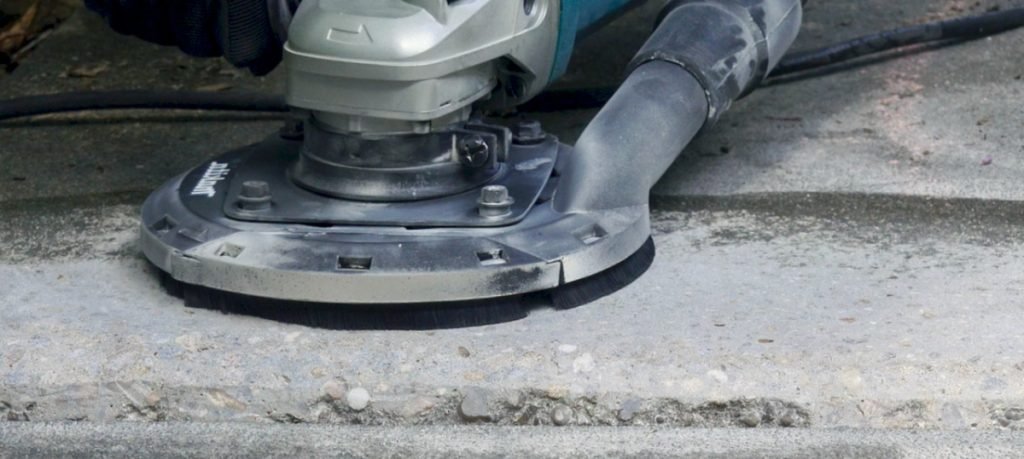
If you’re looking to smooth out rough concrete or remove old paint and adhesives, grinding concrete with an angle grinder is a smart and efficient way to get the job done. But if you’ve never used this tool for concrete before, it can feel tricky and even a little intimidating.
Don’t worry—this guide will show you step-by-step how to handle your angle grinder safely and effectively. By the end, you’ll have the confidence to tackle your concrete project like a pro and get the perfect finish you want. Keep reading to discover the tips and tricks that make grinding concrete easier than you think.

Credit: www.kwikcut.net.au
Choosing The Right Angle Grinder
Angle grinders come in many types, each made for different tasks. The most common types are cordedand cordless. Corded grinders offer steady power for long jobs. Cordless ones give freedom to move without wires.
Choosing the right size is key. Smaller grinders, like 4-5 inches, work well for detailed jobs. Bigger sizes, like 7-9 inches, cover large surfaces faster but are heavier.
| Feature | Details |
|---|---|
| Power | Higher wattage means stronger grinding ability |
| Speed (RPM) | Faster speed means quicker grinding but less control |
| Weight | Lighter grinders cause less fatigue during use |
Picking The Best Grinding Disc
Diamond discsare best for grinding concrete. They last longer and cut smoother. Silicon carbide discsare cheaper but wear out fast. They suit light jobs.
The grit sizematters. Lower grit means rough grinding. Higher grit means fine smoothing. Choose grit based on your project needs.
| Disc Type | Best For | Durability | Price |
|---|---|---|---|
| Diamond | Heavy-duty grinding | High | Higher |
| Silicon Carbide | Light grinding | Low | Lower |
Check the safety ratingson the disc. Match the disc speed with your angle grinder. This keeps you safe and avoids damage.
Preparing The Work Area
Clear the concrete surface of all debris and loose materials. Sweep or vacuum dust and dirt to create a clean workspace. Remove any objects that might block your movement or cause accidents.
Control dust to protect your lungs and keep the area clean. Use a vacuum attachment on the angle grinder if possible. Wet the surface lightly with water to reduce dust clouds. Wear a dust mask for safety.
Good air flow helps remove dust and fumes. Open windows and doors to let fresh air in. Use fans to move air away from your work area. Avoid working in tight or closed spaces without ventilation.
Safety Gear Essentials
Protective eyewearshields your eyes from dust and flying debris. Always wear shatterproof glassesfor full coverage. Glovesprotect your hands from rough surfaces and sharp edges. Use durable, cut-resistant glovesfor the best safety.
Respiratory protectionis key to avoid breathing dust. A dust mask or respiratorkeeps harmful particles out of your lungs. Choose one that fits snugly and filters fine dust.
Hearing protectionguards your ears from loud noise. Angle grinders can be very noisy, which can hurt your hearing over time. Use earplugs or earmuffsto lower noise levels and keep your ears safe.
Step-by-step Grinding Process
Start by marking the grinding areaclearly. Use a pencil or chalk to outline where you will work. This helps keep the job neat and focused.
Hold the angle grinder firmly with both hands. Position it so the grinding disc touches the surface at a slight angle. This gives better control and avoids damage.
Apply consistent pressureon the grinder. Too much force can wear the disc quickly. Too little pressure makes grinding slow and uneven.
Work in small sections. Move the grinder slowly across each part before moving on. This ensures the surface is evenly ground and smooth.
Handling Common Challenges
Uneven surfaces can make grinding tricky. Use a grinding disc with a flexible backing. This helps the grinder adapt to bumps and dips. Move the grinder slowly and steadily. This ensures a smooth finish without gouges.
Prevent overheating by taking breaks often. Overheating can damage both the tool and concrete. Keep the grinder clean and check the disc for wear. Replace worn discs to keep cutting power strong.
Dust buildup is a common problem. Use a vacuum attachment to reduce dust while grinding. Wearing a mask protects your lungs from fine particles. Clean the work area regularly to keep dust levels low.
Post-grinding Cleanup
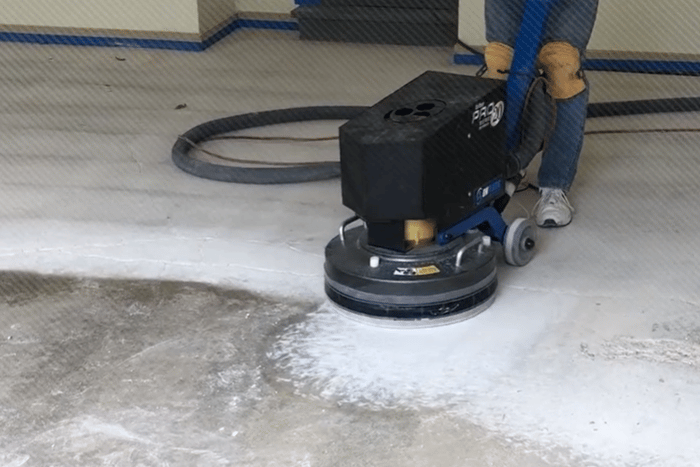
After grinding concrete, remove all dust and residuefor a clean surface. Use a vacuum cleaner or broomto clear loose particles. Wipe the area with a damp cloth to catch fine dust.
Carefully inspect the surfaceto find any rough spots or leftover marks. Smooth them with light grinding if needed. This ensures a flat, even finish ready for sealing or painting.
Take care of your angle grinder and discsafter use. Clean the discs to remove concrete bits. Check for any damage or wear and replace worn parts. This keeps your tools working well and safe for the next job.
Credit: blog.onfloor.com
Tips For Best Results
Grinding concrete takes time and patience. Work slowly to avoid damage. Rushing can cause uneven surfaces or tool wear. Let the angle grinder do the work. Move it steadily over the surface for smooth results.
Change the grinding disc often. A worn discmakes grinding harder and less effective. Check the disc before starting. Replace it if it looks dull or chipped. This keeps the grinder working well and prevents accidents.
Using water cools the concrete and the grinder. It reduces dust and keeps the tool from overheating. Spray water gently while grinding. Avoid too much water to prevent slipping or electrical hazards. This helps the grinder last longer and makes the work cleaner.

Credit: www.familyhandyman.com
Frequently Asked Questions
What Type Of Angle Grinder Is Best For Concrete?
A 4 to 7-inch angle grinder with a powerful motor is ideal. Choose one with variable speed for better control. Ensure it supports diamond-tipped blades for effective concrete grinding. Safety features like a side handle and guard are essential.
How Do I Prepare Concrete Before Grinding?
Clean the surface thoroughly to remove debris and dust. Mark the areas needing grinding with chalk. Wear protective gear like goggles and a mask. Ensure the concrete is dry to avoid damage and ensure smooth grinding.
What Diamond Blade Should I Use For Grinding Concrete?
Use a segmented diamond blade designed for concrete. These blades cut efficiently and last longer on rough surfaces. Avoid blades meant for wood or metal. Check the blade’s compatibility with your angle grinder before use.
How To Avoid Dust When Grinding Concrete?
Attach a vacuum or dust shroud to your grinder. Work in a well-ventilated area or outdoors. Use water to dampen the surface while grinding, reducing dust. Always wear a respirator mask to protect your lungs.
Conclusion
Grinding concrete with an angle grinder is simple and effective. Use the right disc and safety gear first. Move the grinder slowly and evenly over the surface. Check your progress often to avoid over-grinding. Clean the area after finishing for best results.
With patience and care, you can smooth rough concrete easily. Practice will help you gain confidence and skill. This method saves time and gives a neat finish. Try it on small projects before bigger jobs. Grinding concrete is a useful skill for home repairs.