
Do you wake up with a sore jaw or a headache and wonder why? You might be grinding your teeth at night without even realizing it.
Teeth grinding, or bruxism, can cause serious damage if left untreated. But how can you tell if it’s happening to you? This article will help you spot the signs and understand what to do next. Keep reading—you deserve to protect your smile and feel comfortable every morning.
Common Symptoms
Jaw painor soreness is a common sign of teeth grinding. It may feel worse when waking up. The muscles around the jaw can feel tight or tired.
Tooth sensitivitycan happen because grinding wears down the enamel. Cold or hot foods might cause discomfort or sharp pain.
Many people get headaches in the morningfrom grinding. These headaches often start near the temples and can last a few hours.
Physical Clues
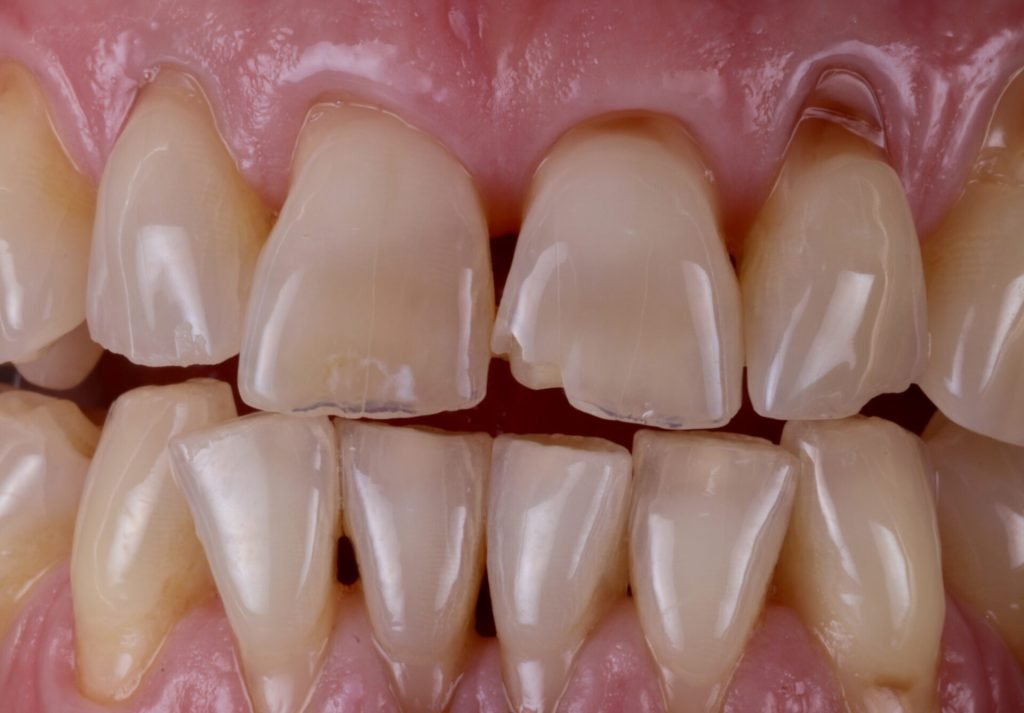
Worn or flattened teethshow signs of grinding. The teeth may look shorter or rough. This happens because of constant rubbing during sleep. You might feel your teeth are sensitive or painful.
Damaged tooth enamelappears as thin or chipped layers on teeth. Enamel can wear away from strong pressure. This damage can lead to tooth sensitivity or cavities.
Indentations on the tonguecan be small marks or grooves. These happen from pressing the tongue against teeth while grinding. The tongue might feel sore or irritated in the morning.
Sleep Behavior Signs
Noisy grinding soundsduring sleep are a common sign of teeth grinding. These sounds may disturb your partner or family members. The noise often sounds like squeaking or clenching.
Restless sleep patternscan show teeth grinding. Tossing and turning throughout the night may happen. You might feel tired even after a full night’s rest. Grinding can cause micro-awakenings that break deep sleep.
- Partner observationsare important. Your partner may notice your jaw moving or hear grinding noises.
- They might see your face tense or your mouth open while you sleep.
- Partners often notice these signs before the person does.

Credit: www.delldental.com.my
Risk Factors
Stress and anxietyare major causes of teeth grinding at night. Tension in the mind can lead to tight jaw muscles. This makes the teeth clench and grind while sleeping.
Sleep disorderslike sleep apnea or snoring can increase the chance of grinding. These disorders disrupt normal sleep patterns and cause jaw movements.
Lifestyle habitssuch as smoking, drinking alcohol, and caffeine intake can raise the risk. These habits affect sleep quality and muscle relaxation. Poor sleep and muscle tension often lead to grinding.
- Stress and anxiety cause jaw tightening.
- Sleep disorders disrupt normal rest.
- Smoking and caffeine worsen grinding.
- Alcohol affects muscle relaxation.
When To See A Dentist
Regular dental checkups help spot teeth grinding early. Dentists look for worn enamel, flattened teeth, or small cracks. They also check for jaw painor muscle soreness. Visiting every six months keeps your mouth healthy.
Professional diagnosis includes a bite analysisand jaw muscle examination. Sometimes, dentists use a sleep studyto watch your jaw movements at night. This helps confirm if grinding is happening.
| Treatment Options | Description |
|---|---|
| Night Guards | Custom-made mouthpieces that protect teeth during sleep. |
| Stress Management | Techniques like relaxation can reduce grinding caused by stress. |
| Dental Correction | Fixing bite problems to prevent jaw strain and grinding. |

Credit: jsdentallab.com

Credit: kigodental.com
Frequently Asked Questions
What Are Common Signs Of Teeth Grinding At Night?
Common signs include jaw pain, headaches, worn tooth enamel, and tooth sensitivity. You might also notice a clicking jaw or disturbed sleep.
How Can I Confirm If I Grind My Teeth?
A dentist can diagnose teeth grinding through an oral exam. You may also use a sleep study or record sounds during sleep.
Can Stress Cause Nighttime Teeth Grinding?
Yes, stress is a major cause of teeth grinding. It increases muscle tension, leading to unconscious grinding during sleep.
What Health Problems Result From Grinding Teeth?
Grinding can cause tooth damage, jaw disorders, headaches, and disrupted sleep. It may also lead to gum recession or tooth loss.
Conclusion
Grinding teeth at night can cause pain and damage. Watch for signs like jaw soreness or worn teeth. Talk to a dentist if you notice these issues. Treatments and mouth guards help protect your teeth. Early action prevents bigger problems later on.
Pay attention to your body’s signals. Healthy habits improve sleep and reduce grinding. Taking care of your teeth matters for your health. Don’t ignore discomfort or unusual tooth wear. Simple steps can make a big difference.