
You’ve just roasted your coffee beans, and now you’re wondering: how long should you wait before grinding them? The timing can make a huge difference in the taste and aroma of your coffee.
If you grind too soon, your brew might taste flat or bitter. Wait too long, and you could lose those fresh, vibrant flavors you worked so hard to create. You’ll discover the perfect window to grind your coffee after roasting.
By the end, you’ll know exactly how to get the most from every bean, making each cup richer and more satisfying. Keep reading to unlock the secret to fresher, better coffee every time.
Roasting Impact On Coffee Flavor
Roasting coffeechanges its flavor and aroma deeply. During roasting, green beans turn brown and release oils. This process creates complex flavorslike fruity, nutty, or chocolate notes.
Flavor changes happen in stages. At first, beans smell grassy and sour. As heat rises, sugars caramelize, making coffee sweeter. Near the end, roasting forms bitter and smoky tastes.
| Time After Roasting | Flavor Characteristics |
|---|---|
| 0-24 hours | Strong, fresh, sharp, some sourness |
| 24-48 hours | Smoother, balanced, optimal for grinding |
| 48-72 hours | Rich aroma, full-bodied taste |
| After 72 hours | Flavor fades, less vibrant |

Credit: www.beanground.com
Degassing Process After Roasting
Degassingis the process where coffee beans release carbon dioxide after roasting. This gas escapes slowly over days. It affects the flavor and grind of the coffee.
Freshly roasted beans hold a lot of gas inside. Grinding too soon can cause uneven extraction and a sour taste. Waiting allows the gas to escape, improving grind consistency and flavor balance.
| Aspect | Effect of Degassing |
|---|---|
| Grinding | Smoother, more even grind size |
| Flavor | Better taste with less sourness |
| Extraction | More balanced and controlled |
Optimal Grinding Window
Grinding coffee immediately after roastingcan cause uneven extraction. Freshly roasted beans release gases called CO2. This gas affects the flavor and texture of the coffee. Grinding too soon traps these gases, leading to a bitter taste.
Waiting before grindinglets the beans rest and degas. Most experts suggest waiting 24 to 48 hoursafter roasting. This period helps improve the coffee’s aroma and smoothness. Some beans might need longer rest, up to a week.
- Grinding right away: strong but harsh flavors
- Waiting 1-2 days: balanced and rich taste
- Waiting 3-7 days: mellow and smooth coffee
Effects Of Grinding Too Early Or Late
Grinding coffee too earlycan cause loss of aromaand flavor. Freshly roasted beans release gases that add to taste. Grinding right after roasting lets these gases escape quickly. This makes coffee taste flatand less vibrant.
Grinding too late also has drawbacks. Coffee beans start to lose freshnessover time. The aromafades, and the coffee tastes dull. For best results, grind beans within 1 to 2 weeksafter roasting.
Storing coffee properlyhelps keep freshness longer. Use airtight containers and keep beans in a cool, dark place. Avoid moisture and sunlight, which harm the coffee’s quality.
Storage Tips Before Grinding
Keeping coffee beans fresh before grinding is very important. Store beans in a cool, dark placeaway from heat and light. Avoid places near ovens or windows. Use airtight containersto keep air out. This helps preserve the aroma and flavor.
Many beans come in special packagingthat blocks air and light. If you open the bag, transfer beans to a sealed container. Try not to open the container often to keep beans fresh.
| Storage Factor | Best Practice |
|---|---|
| Temperature | Cool and stable, avoid heat |
| Light Exposure | Store in dark place or opaque container |
| Air Exposure | Use airtight containers |
| Packaging | Use original or vacuum-sealed bags |

Credit: rmckeon.medium.com
Grinding Techniques For Freshness
Grind sizeaffects how coffee brews. Fine grinds work best for espresso. Coarser grinds suit French press or cold brew. Medium grinds fit drip coffee makers well. Choosing the right grind size helps the coffee taste fresh and balanced.
Burr grinderscrush beans evenly. They keep flavors intact. Blade grinders chop beans unevenly. This can cause bitter or weak coffee. Burr grinders also allow better control of grind size. Blade grinders are less consistent but cheaper.
| Grinder Type | Grind Quality | Flavor Impact | Price |
|---|---|---|---|
| Burr Grinder | Consistent, even particles | Preserves rich flavors | Moderate to high |
| Blade Grinder | Uneven, coarse and fine mix | May cause bitterness | Low |
Practical Recommendations
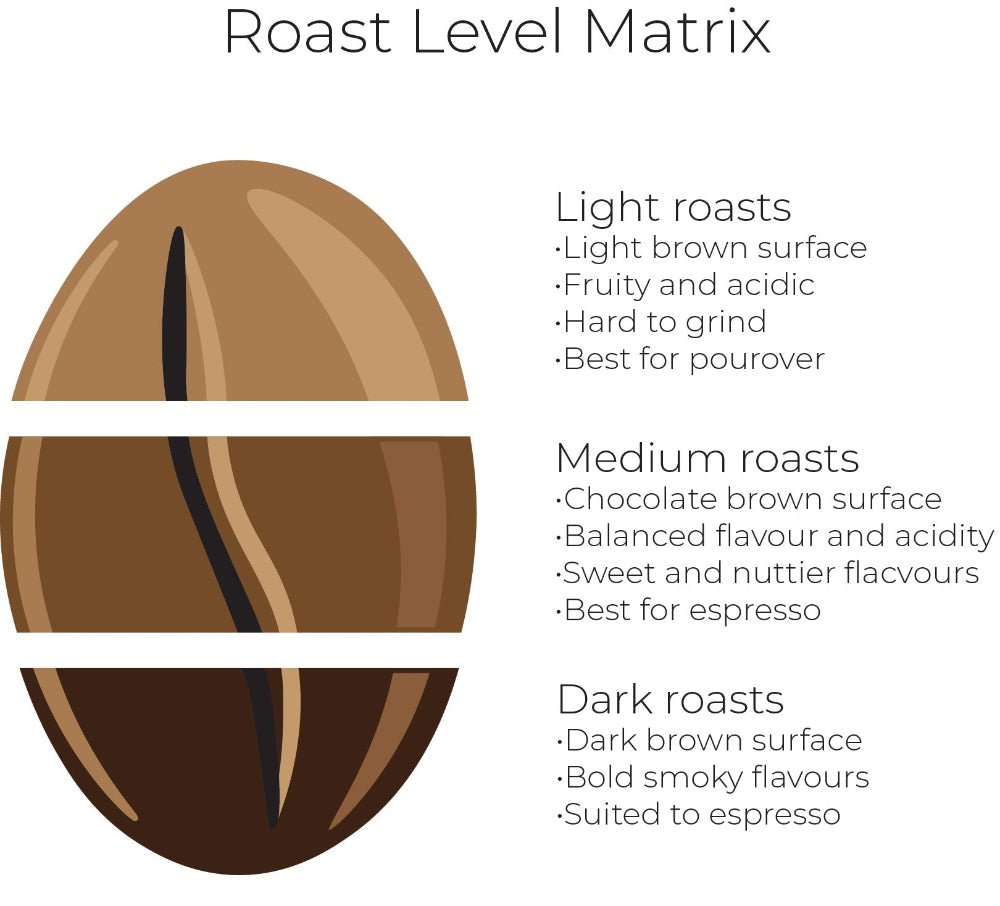
Light roastsneed to rest longer after roasting. They usually take about 24 to 48 hoursto develop flavors. Medium roastsare best ground after 12 to 24 hours. Dark roastscan be ground sooner, often within 12 hours, because their oils come to the surface quickly.
Waiting too long can cause the coffee to lose its fresh taste. Grinding coffee too soon might make it taste sour or bitter. Use this timing as a guide but adjust to your taste.
- Grind finer for espresso or strong coffee.
- Grind coarser for French press or cold brew.
- Coarser grinds slow extraction and give a lighter taste.
- Finer grinds speed extraction and make coffee stronger.

Credit: colipsecoffee.com
Frequently Asked Questions
How Soon After Roasting Should Coffee Be Ground?
Wait at least 24 hours after roasting before grinding coffee. This allows gases to release and flavors to develop fully. Grinding too early can lead to uneven extraction and poor taste.
Does Grinding Immediately Affect Coffee Flavor?
Yes, grinding coffee immediately after roasting can cause uneven extraction. Freshly roasted beans release gases that affect grind consistency. Waiting improves flavor balance and aroma in your brewed coffee.
How Does Resting Time Impact Ground Coffee Freshness?
Resting coffee beans after roasting lets carbon dioxide escape. This enhances grind uniformity and flavor profile. Grinding too soon can result in sour or bitter tastes due to trapped gases.
Can I Grind Coffee Beans Weeks After Roasting?
Grinding weeks after roasting is possible but reduces freshness. Coffee loses aroma and flavor over time due to oxidation. For best taste, grind within 2-3 weeks of roasting.
Conclusion
Freshly roasted coffee needs time to rest before grinding. This rest allows gases to escape and flavors to settle. Grinding too soon can make coffee taste bitter or sour. Waiting about 24 to 48 hours after roasting is best. This gives you a smoother and richer cup.
Remember, every roast is different, so try small tests. Find the perfect timing for your taste. Enjoy the best flavor by grinding at the right moment. Simple steps bring great coffee to your cup.